
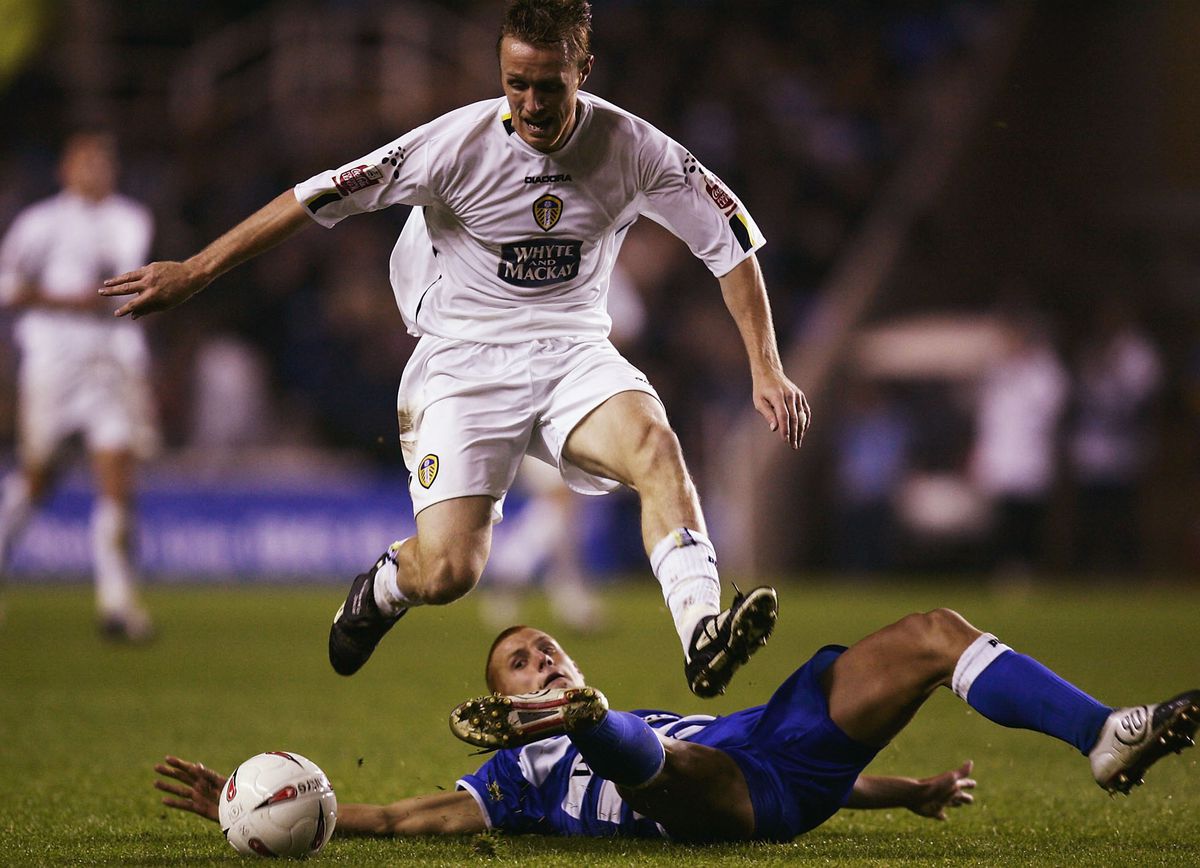
New Territory, 2004/05
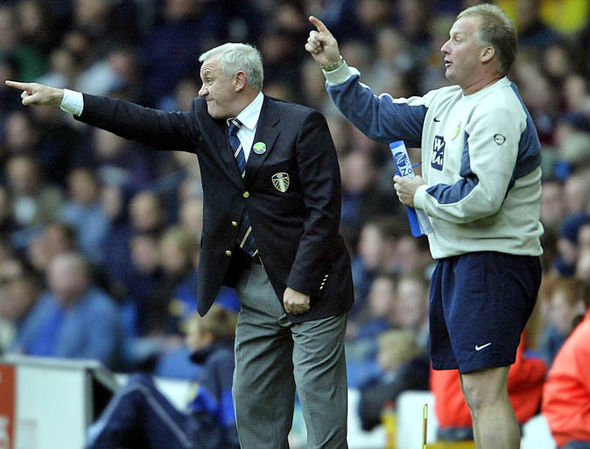
Manager: Kevin Blackwell
Top Scorer: David Healy (7)
Championship: 14th
FA Cup: 3rd Round
League Cup: 3rd Round
League Record: 14 wins, 18 draws, 14 defeats, 49 goals scored, 52 goals against
Transfers: £+17.595 million
Transfers in: £955,000
Danny Pugh – Manchester United, 26 May, swap deal
Julian Joachim – Coventry City, 14 June, free
Michael Ricketts – Middlesbrough, 23 June, free
Jermaine Wright – Ipswich Town, 30 June, free
Paul Butler – Wolverhampton Wanderers, 1 July, free
Clarke Carlisle – Queens Park Rangers, 1 July, free
Steve Guppy – Leicester City, 1 July, free
Matthew Spring – Luton Town, 1 July, undisclosed
Danny Cadamarteri – Bradford City, 2 July, free
Brian Deane – West Ham United, 22 July, free
Neil Sullivan – Chelsea, 31 July, free
Craig Hignett – Leicester City, 1 August, free
Stephen Crainey – Southampton, 10 August, £200,000
Serge Branco – Stuttgart, 20 August, free
Sean Gregan – West Bromwich Albion, 16 September, £750,000
Brett Ormerod – Southampton, 19 September, one month loan
David Healy – Preston North End, 29 October, free
John Oster – Sunderland, 5 November, one month loan
Nathan Blake – Leicester City, 31 December, one month loan
Gylfi Einarsson – Lillestrøm, 1 January, free
Leandre Griffit – Southampton, 6 January, one month loan
Paul Harrison – Liverpool, 21 January, one month loan
Michael Gray – Blackburn Rovers, 3 February, three month loan
Rob Hulse – West Bromwich Albion, 9 February, season-long loan
Shaun Derry – Crystal Palace, 18 February, undisclosed
Kevin Pressman – Leicester City, 25 February, free
Marlon King – Nottingham Forest, 4 March, loan
Ian Moore – Burnley, 23 March, £50,000
Saša Ilić, 24 March
Transfers Out: £18.55 million
David Batty – retired
Paul Robinson – Tottenham Hotspur, 14 May, £1,500,000
Alan Smith – Manchester United, 24 May, £7,000,000 (swap deal)
Michael Bridges – Bolton, 10 June, free
Jason Wilcox – Leicester City, 1 July, free
Shaun Allaway, 1 July, released
James Milner – Newcastle United, 2 July, £5,000,000
Stephen McPhail – Barnsley, 2 July, undisclosed
Mark Viduka – Middlesbrough, 2 July, £4,000,000
Ian Harte – Levante, 3 July, undisclosed
Nick Barmby – Hull City, 6 July, free
Dominic Matteo – Blackburn Rovers, 7 July, free
Danny Mills – Manchester City, 13 July, free
Craig Hignett – released, 8 September (later joined Darlington on 8 September)
Steve Guppy – released, 8 September (later joined Stoke City)
Serge Branco – Queens Park Rangers, 21 September, free
Danny Cadamarteri – Sheffield United, 30 September, £50,000
Michael Duberry – Stoke City, 15 October, three month loan
Jamie McMaster – Chesterfield, 7 January, season-long loan
Jamie Winter – Aberdeen, 11 January, free
Scott Carson – Liverpool, 21 January, £1,000,000
Andy Keogh – Scunthorpe United, 14 February, undisclosed
Harpal Singh – Stockport County, 18 February, one month loan
Brian Deane – Sunderland, 24 March, free
Kevin Pressman – Coventry City, 24 March, free
Henry McStay – Halifax Town, 31 March, free
Barry Corr – released (later joined Sheffield Wednesday on 19 April)
The moment that relegation had been confirmed for Leeds, the changes began at Elland Road. Manager Eddie Gray would be sacked on 10th May 2004, leaving Leeds United for the third and final time. He would be replaced by Kevin Blackwell. The Leeds job was Blackwell’s first as a manager, having mainly served as a coach since 1993 during the later years of his playing career. He had mainly worked since then as a trusty assistant to Neil Warnock. He had worked for Warnock since he was signed for Scarborough in 1986. He would later follow Warnock to Notts County in 1989 and Huddersfield in 1993. In 1995, he would again follow Warnock to Plymouth Argyle, serving as a player and a youth coach. He would serve in this role until Warnock left in early 1997, but Blackwell would stay on as assistant manager to new manager Mick Jones. He would leave Plymouth in June 1998 after Argyle’s relegation to the Third Division and the subsequent sacking of Jones. He would choose to re-join Neil Warnock at Bury, where he would serve as goalkeeping coach. He would remain in this role until December 1999, when he would move to Sheffield United, once again to join Neil Warnock and serve as assistant manager. In 2003, he had joined Leeds to serve as assistant manager to Peter Reid. He would remain in this role after Reid’s sacking and the hiring of Eddie Gray until being promoted to the top job in May 2004.
As typical with any side relegated from the Premier League, the team in question will find it difficult to hold on to its biggest and most talented stars. The club will eventually need to rebuild with youth and players with lower-league experience in order to go again and achieve promotion back to the Premier League at the earliest opportunity. Due to their financial situation, an immediate Premier League return for Leeds United was not seen as a priority by the boardroom. In fact, the priority was stability, and potentially avoiding a second consecutive relegation down to the third tier. Leeds were still in £100 million worth of debt and couldn’t afford to spend a lot of money on new players. Any player coming in would need to come on the cheap and be willing to play for lower wages.
First, the bad news. The bad news for Leeds would begin with the retirement of David Batty. Batty had made 116 appearances in all competitions since re-signing for Leeds in 1998 and would leave Elland Road for the second time after 373 total appearances between the two spells that bookended his career between 1987 and 2004. He would retire as a First Division winner with Leeds, a Premier League winner with Blackburn and 42 England caps to his name.
Following Batty out the door would be two of Leeds’s most essential players. Both had been part of the 1997 FA Youth Cup victory and both had later graduated into regular first-team players. On 14th May, Paul Robinson would be sold to Tottenham Hotspur for £1.5 million. Following years serving as the understudy to Nigel Martyn, Robinson had broken through as an ever-present, missing just three matches in all competitions over the past two seasons. For his performances, He had even won his first England cap in June 2003, and would later be called up for Euro 2004 as the understudy to David James. With his international career on the rise, it only made sense for Robinson to leave the only club he had ever known following his senior debut in 1998. With Robinson went another 119 Leeds United appearances.
10 days later and more heart-breaking fashion, Alan Smith would leave Leeds United for Manchester United. The boy who had grown up a few miles from the centre of Leeds, joined the club at 16, debuted at 18, become a first-team ever-present, made 228 appearances (191 starts) and scored 56 goals from the right wing and as a centre-forward, was leaving. The deal would be a pay-plus-player deal, costing £7 million plus a Manchester United player going the other way. The images of Alan Smith wearing a Bolton Wanderers shirt with tears streaming down his face while being consoled by Paul Robinson was shown all around at the time of Leeds’s relegation. It showed the love that Smith had for his boyhood club and the despair at the fact that he would be unable to represent said club in the Premier League for another season. One month after these photos were taken, he was gone to one of the Premier League’s top clubs, in a deal which some Leeds fans still find hard to forgive over a decade later.
Next at the departure lounge would be Michael Bridges to Bolton Wanderers and Jason Wilcox to Leicester City. Bridges had been an essential part of the Leeds side that had reached the UEFA Cup semi-finals in 2000, scoring 21 goals during the 1999-00 season, but through injuries and the signing of Mark Viduka, he had since become a squad player low down in the pecking order. After signing in 1999, Wilcox had found it hard to displace the excellent Harry Kewell from the left wing. However as the years would pass, he would become a regular for the side especially as the major departures started to rack up. With Bridges and Wilcox would go another 82 and 106 appearances respectively.
Jason Wilcox would be one of seven big-name players who would leave Leeds over the course of the first week of July. One day after Wilcox’s departure, 2nd July would see James Milner head to Newcastle for £5 million, Stephen McPhail move to Barnsley and Mark Viduka head to Middlesbrough for £4 million. Milner had been the main bright spark for Leeds over the previous two seasons, becoming a first-teamer after the departure of Harry Kewell. However, his talent had not gone unnoticed by Premier League clubs and a £5 million offer for their most promising young star was something that Leeds could not turn down. Following his debut during the 1997-98 season, Stephen McPhail had turned into a prominent midfielder for Leeds during the 1999-00 season, making 38 appearances in all competitions. In the seasons following, he had found his opportunities limited, spending time out on loan at Millwall and Nottingham Forest. Mark Viduka had been nothing short of a revelation after arriving from Celtic in the summer of 2000. He had hit double figures in the Premier League in the four seasons following, hitting 20 goals in all competitions in his 1st and 3rd seasons, becoming Leeds go-to guy for goals. He left Leeds with 72 goals in 166 appearances, scoring once every 3 matches. His 166 appearances would depart along with McPhail’s 107 and Milner’s 54.
The next day, another Leeds stalwart would depart for pastures new, Ian Harte to La Liga club Levante. Another graduate of the Leeds academy, Harte had been a near-permanent fixture in Leeds’s defence since making his debut as an 18-year-old in January 1996. Even when fellow left-back Dominic Matteo was signed from Liverpool in 2000, he managed to retain his place with Matteo moving to centre-back. An expert set-piece taker, Harte had scored many a goal for Leeds as the club’s designated free-kick and penalty taker. During his nine years at the club, Harte had made 288 appearances for Leeds, scoring a total of 39 goals from left-back during his Leeds tenure. Three days after Harte, Nick Barmby would leave for Hull City, the former England international having struggled to command a first-team place during his two years at Elland Road.
One day afterwards, club captain Dominic Matteo would be sold to Blackburn Rovers. Joining from Liverpool in 2000, Matteo had become an immediate starter in the centre of an airtight Leeds defence, forming a formidable partnership with Rio Ferdinand during the team’s run to the Champions League semi-finals in 2001. His most famous Leeds moment came when he scored the winner in a 1-0 victory against AC Milan at the San Siro. After Ferdinand’s departure, he had been made the club’s captain, starting 33 of 38 Premier League matches during the 2003-04 season, adept at playing either in defence or in midfield. As a result of his Leeds performances, he had even made his Scotland debut, earning 6 caps while at Elland Road. Another 146 appearances gone.
The last major departure for Leeds during the summer transfer window would be the sale of right-back Danny Mills to Manchester City on 13th July. Despite spending the previous season on loan at Middlesbrough, Danny Mills had been a key player for Leeds, making 141 appearances during his five-year stint at the club. His greatest importance had also come during the team’s Champions League campaign making 16 appearances during Leeds’s semi-final run. During his time at Leeds, Mills had made his England debut in May 2001, becoming a starter for the national team at the 2002 World Cup. With Mills’ departure, the major bloodletting was over. After all that, the major names left at Leeds United were former club captains Gary Kelly and Lucas Radebe and midfielders Eirik Bakke and Seth Johnson. In addition to these experienced players, Leeds still had a good crop of young players to build into first-team regulars. Defenders Frazer Richardson and Matthew Kilgallon, winger Aaron Lennon and striker Simon Johnson had all chosen to remain at the club for another season.
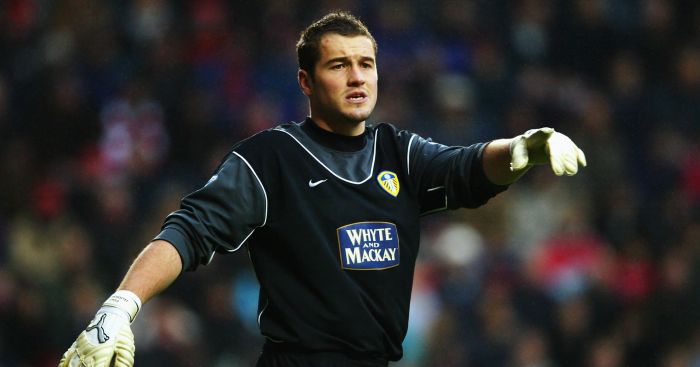
Paul Robinson 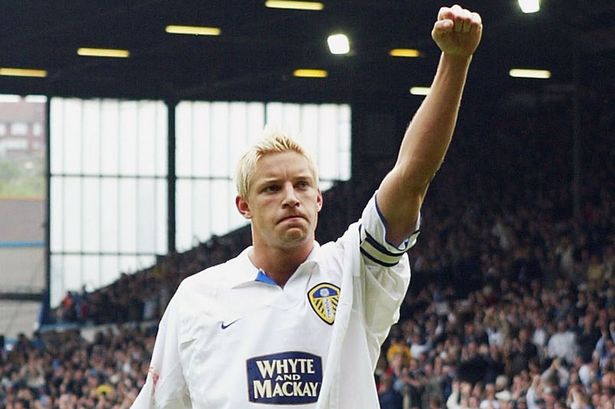
Alan Smith 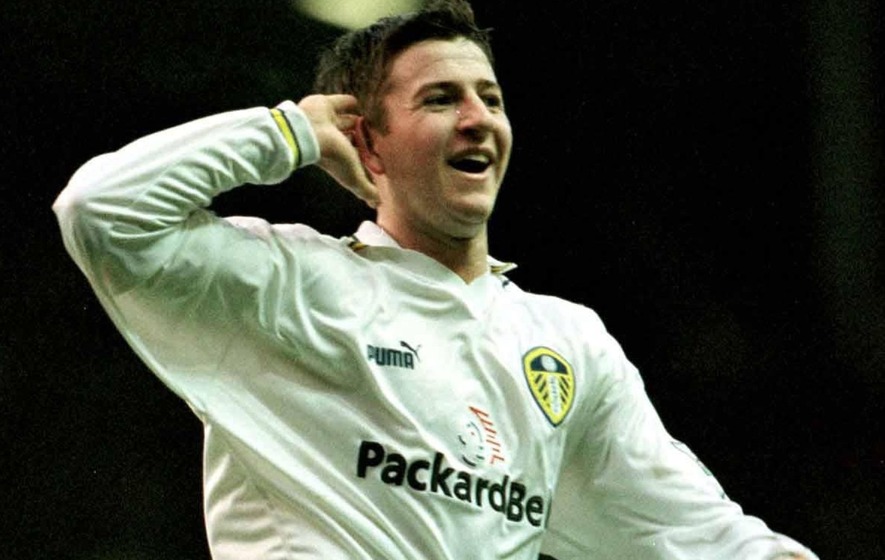
Michael Bridges 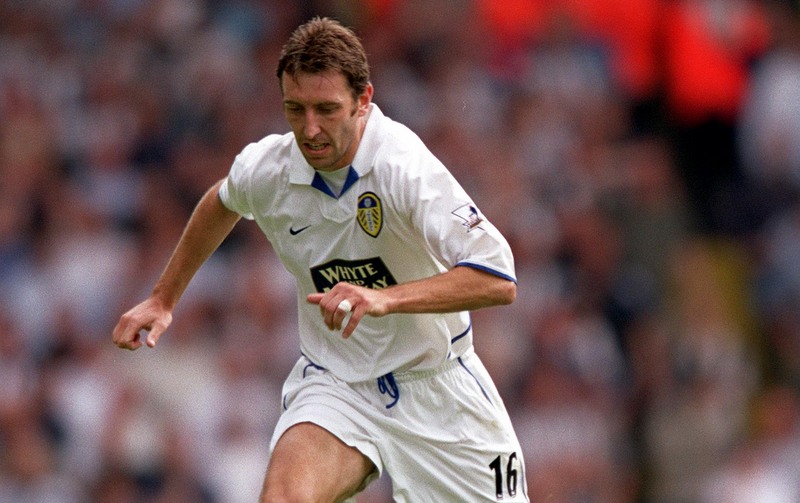
Jason Wilcox Credit: Offside / Chris Lobina 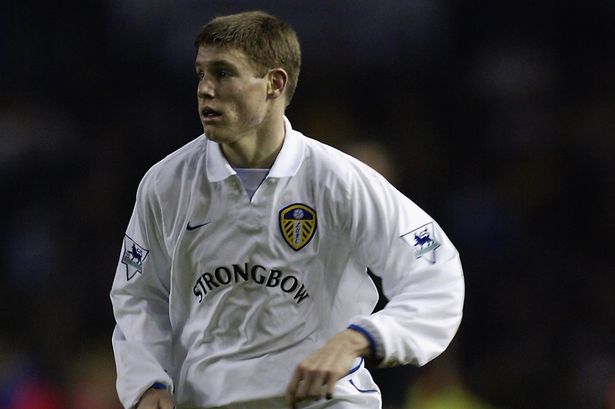
James Milner 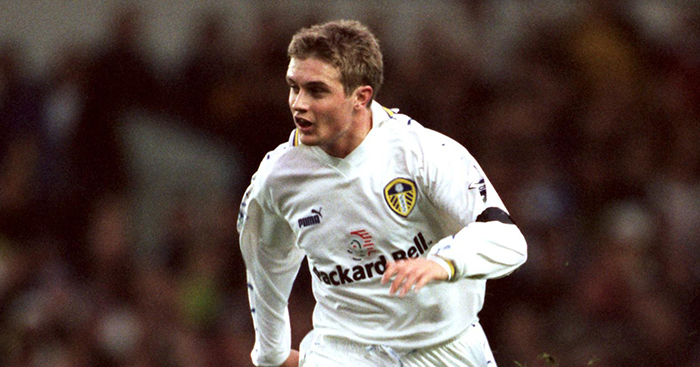
Stephen McPhail 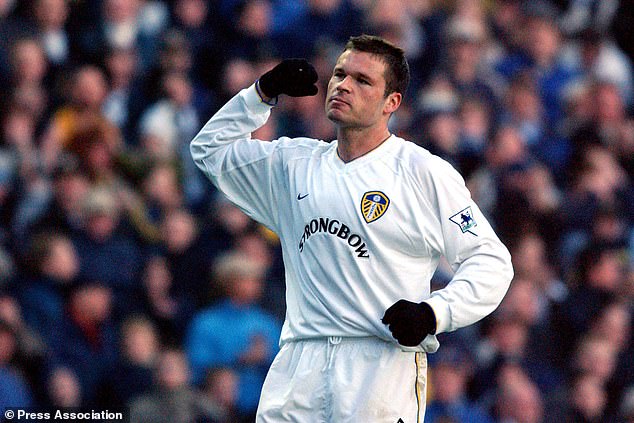
Mark Viduka 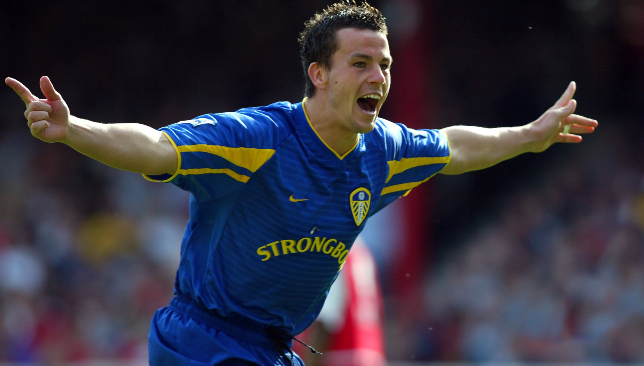
Ian Harte 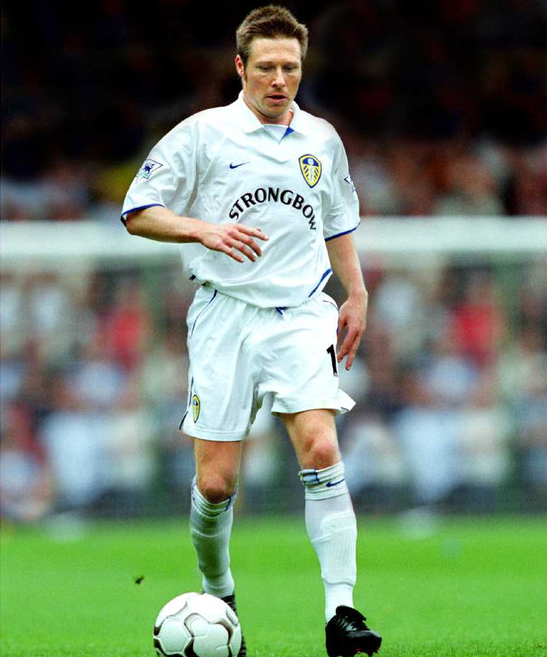
Nick Barmby 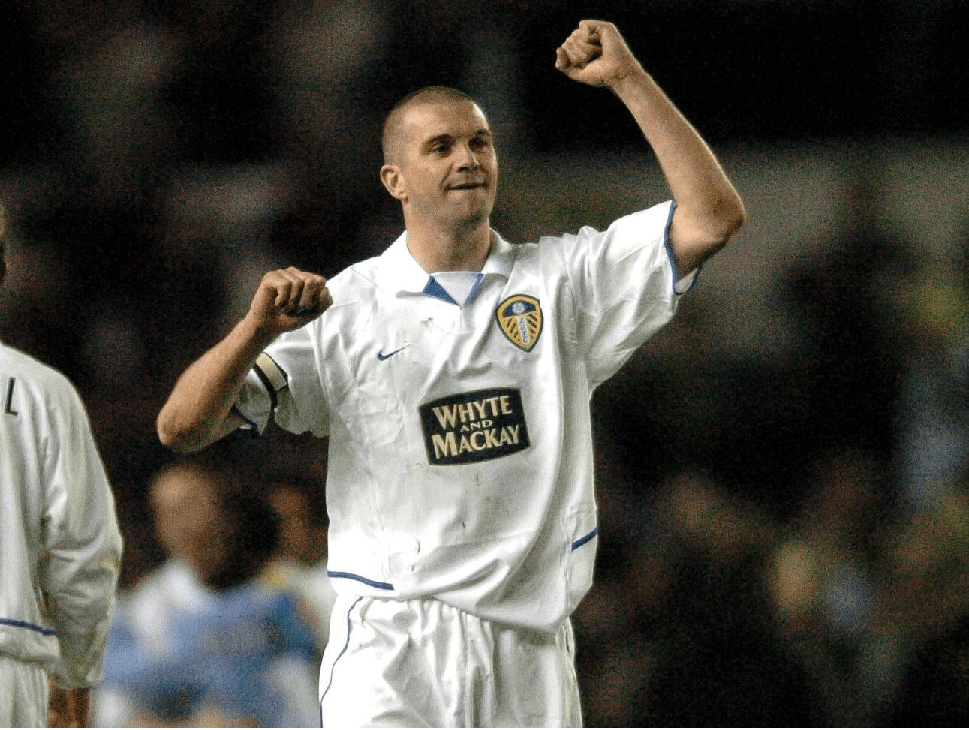
Dominic Matteo 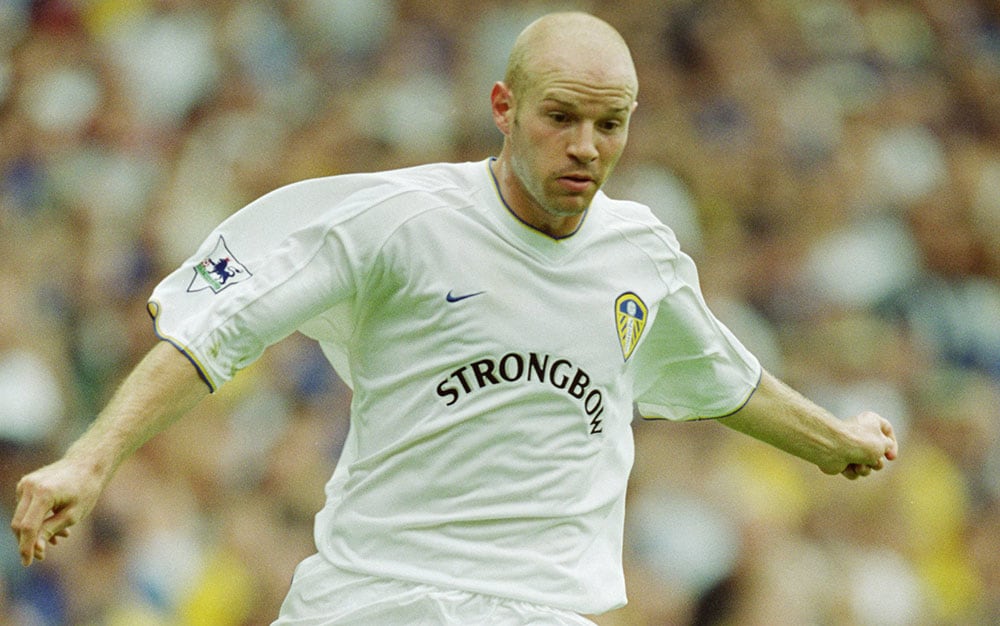
Danny Mills
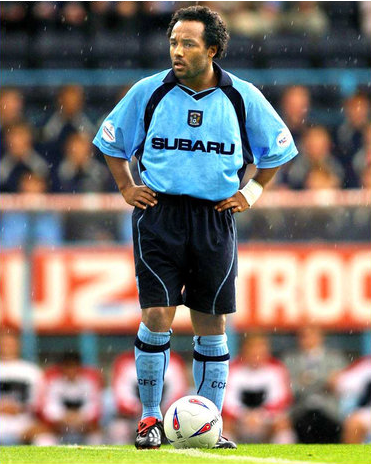
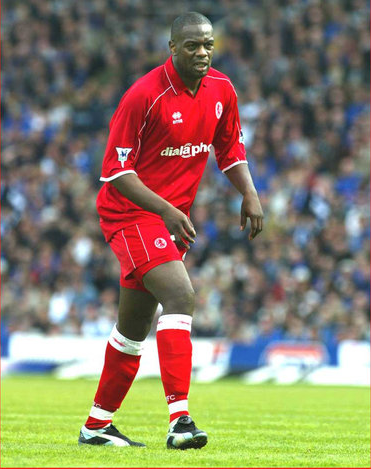
To adapt to life in the Championship, Kevin Blackwell called on a mix of hungry young players and others with Premier League and Championship experience. First to arrive was Danny Pugh, a left-back who served as the other half of the deal that had taken Alan Smith to Old Trafford. June would see strikers Julian Joachim and Michael Ricketts and midfielder Jermaine Wright arrive from Coventry, Middlesbrough and Ipswich Town respectively. Joachim had prior experience in the second division playing for Leicester City and Coventry scoring over 30 goals in the process. Ricketts had worked his way up through the divisions, playing for Walsall in the Second Division before scoring 21 goals in 42 appearances to power Sam Allardyce’s Bolton Wanderers to promotion during the 2000-01 season. Jermaine Wright had spent the previous five seasons playing in the Ipswich midfield both in the Premier League and the First Division, making 184 appearances along the way. He also possessed prior experience of the division with Wolves and Crewe Alexandra. These three would be the first of 14 signings made by Leeds during the 2004 summer transfer window.
Following these three, 5 further signings would be confirmed over the course of 2 days. Leeds’s depleted defence would be boosted by the arrivals of Paul Butler from Wolves and Clarke Carlisle from Queens Park Rangers. Speedy winger Steve Guppy would join from Leicester City. Midfielder Matthew Spring would arrive after 250 appearances for Luton Town along with striker Danny Cadamarteri from Bradford City. On 22nd July, veteran striker Brian Deane would make his return to Leeds United, seven years after leaving to join Sheffield United in 1997. Now 36, Deane had spent the following seasons in the second tier playing for Sheffield United, Leicester City and West Ham, along with a three-year spell in the Premier League with Middlesbrough. Further experience would come from the signings of 34-year-old Neil Sullivan from Chelsea and midfielder Craig Hignett from Leicester City. Mixing experience with youth, 23-year-old Stephen Crainey would join from Southampton on 10th August followed by Serge Branco from Bundesliga side Stuttgart 10 days later. The cost for all these signings? £200,000 in transfer fees, all of which were spent on Crainey. £750,000 would later be spent on the signing of Sean Gregan from West Brom on 18th September, but this signing took place outside of the regular transfer window. Kevin Blackwell now had the side he wanted.


After all that, Leeds United would begin their first Championship campaign with a home match against Derby County on 7th August 2004. Leeds would win their first second division match in 14 years with a goal from Frazer Richardson, one of the young players Leeds had managed to keep hold of during the summer. After this bright start, Leeds would immediately struggle, failing to win their next four matches. A defeat to Gillingham was followed by draws with Wolves and Nottingham Forest before another loss to Sheffield United ended the month of August.
After this difficult start, Leeds would pick up two victories to begin September. A 3-0 win over Coventry with goals from Clarke Carlisle, Julian Joachim and Danny Pugh was followed by a lucky 1-0 victory over Plymouth where an own goal from Argyle striker Marino Keith gifted Leeds the victory. Despite these two victories, Leeds’s stuttering form of August would continue throughout the early months of the season. The next six matches following the Plymouth victory would produce 1 win (1-0 against Preston North End on 16th October), 1 defeat (1-0 to Sunderland on 24th September) and 4 draws (to Crewe, Stoke, Cardiff and Reading). After 13 matches, a quarter of the way into the season, Leeds’s record sat at 4 wins, 6 draws and 3 defeats, gaining 18 points out of a possible 39. The main negative for Leeds during this time period? 4 of Leeds’s 14 summer signings had already left the club by 19th October 2004. On 8th September, Craig Hignett and Steve Guppy would be released from their contracts after 0 and 3 Championship appearances respectively. Serge Branco would leave after one month at the club on 23rd September as would Danny Cadamarteri one week later, signing for Sheffield United for £50,000, with the two having made one appearance between them. Around the same time, Michael Duberry would be loaned out to Stoke City for three months, finding minutes hard to come by.
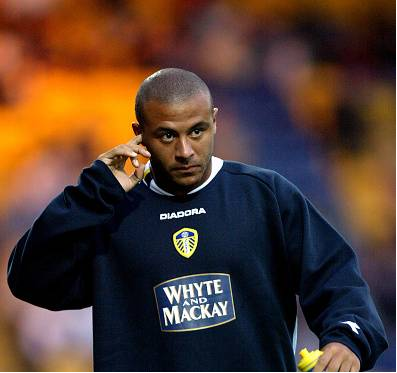
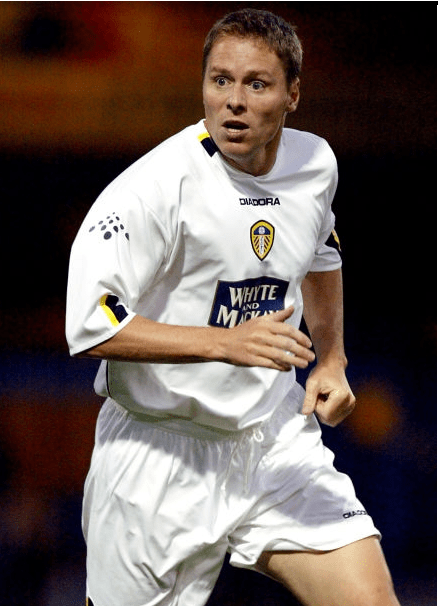
Leeds would finish October with three consecutive losses to Brighton, Wigan and Burnley. Two days before the Wigan match, Leeds would sign striker David Healy from Preston North End for £650,000. Healy had already scored 7 goals in 16 appearances for Preston and Northern Ireland so far this season, so Leeds were hoping that Healy would hit the ground running at Elland Road. He would make his debut starting in the Wigan defeat on 31st October and would make his second appearance against Burnley four days later. On 6th November, Healy would first become useful for Leeds. Facing former club Preston, Healy scored two of Leeds’s four goals in a 4-2 victory over the Lilywhites at Deepdale. Brian Deane would open the scoring for the visitors after 13 minutes played to score his first goal of the season. Two minutes later, Healy would score his first Leeds goal to double the team’s advantage. On the verge of half-time, Healy would score his second to put Leeds 3-0 ahead, giving Leeds a sizeable buffer at the break. Preston would respond in the second half, as Richard Cresswell pulled one back after 54 minutes, but a potential comeback was thwarted by a fourth Leeds goal scored by 17-year-old midfielder Simon Walton to confirm the club’s victory.
After a 1-0 reverse to Ipswich at Portman Road on 13th November, Leeds would once again turn on the style in a 6-1 win over Queens Park Rangers on 20th November. The strike partnership of David Healy and Brian Deane would once again flourish during this match. After QPR opened the scoring early through Gareth Ainsworth, Leeds would take control. On 9 minutes, Healy would score his 3rd goal in 2 matches to level the score. 8 minutes later, Brian Deane would score his 2nd in 3 matches to put Leeds ahead. The game would continue to be controlled by the hosts as Jermaine Wright scored his first Leeds United goal to make the score read 3-1 after 23 minutes. Two further quick-fire goals would give the win to the home side. On 42 and 44 minutes, two further finishes from Brian Deane to complete his hat-trick would send Leeds into half-time 5-1 ahead. Deane would finish off the rout, scoring a fourth to give Leeds the 6-1 victory and increase his season tally to 5.
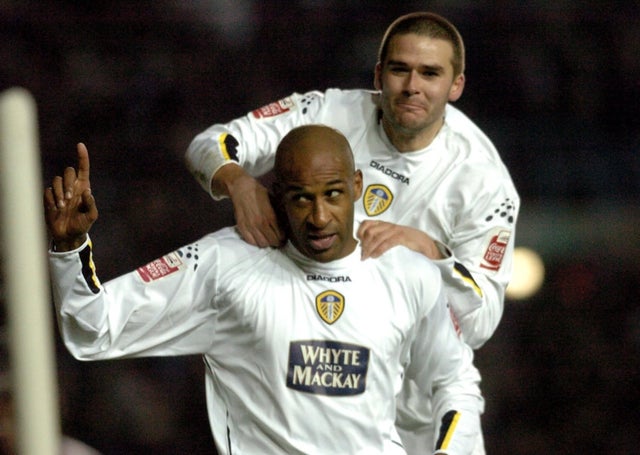
After these two major victories had given Leeds just their 5th and 6th victories in 19 matches, Leeds would follow up by going winless in their next five heading into Christmas. A 2-2 draw with Watford at home on 24th November would be followed by consecutive losses to Rotherham and Leicester. Two 1-1 stalemates with West Ham and Millwall would send Leeds into Christmas with 6 wins, 9 draws and 9 defeats out of 24 matches. At the halfway point of the season, Leeds had picked up 27 points out of a possible 72, a poor showing for a club of Leeds’s stature despite their current financial situation.
Speaking of financial problems, Leeds had recently sold their training ground and Elland Road in order to pay off their debts amid a new takeover bid from American investors. Since taking over in December 2003, Gerald Krasner and his consortium had managed to lower Leeds’s debts from £103m to just over £30m in one year. The Thorpe Arch training ground had been sold for £4.2 million and a potential £15 million was being offered to buy Elland Road with plans for a casino to be built adjacent to the ground. After a takeover bid by businessman Sebastian Sainsbury failed, Elland Road was sold on a sale and lease back deal, with Leeds possessing the right to buy the stadium back at any time. With potential administration and a second relegation on the horizon, things were looking bad for Leeds heading into 2005. Leeds would end the year 2004 in better form after consecutive wins over Sunderland and Plymouth moved the club’s points tally up to 33.
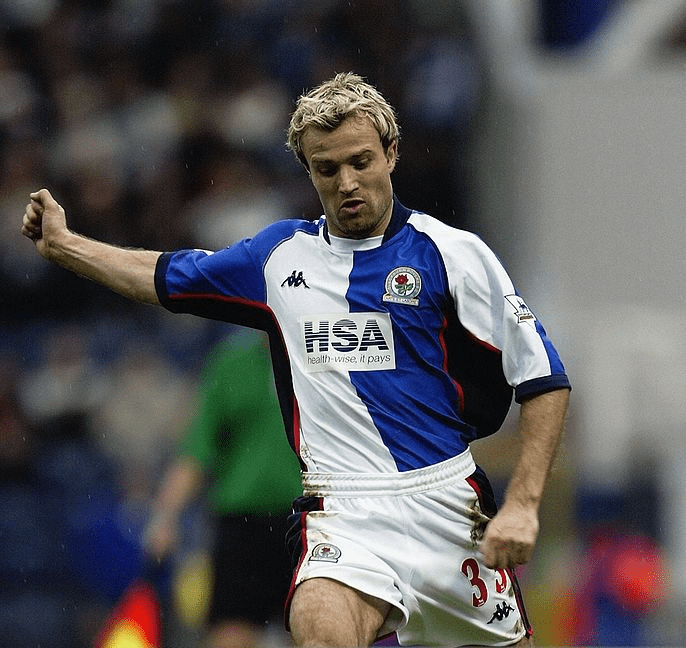
Leeds would begin 2005 with a loss to Crewe Alexandra, their 10th out of 27 matches. On the same day, Icelandic midfielder Gylfi Einarsson would be signed from Norwegian side Lillestrom on a free transfer. Along with some short-term loans, Einarsson would be the only notable permanent signing Leeds would make during the January transfer window. In the months following, defender Michael Gray would be signed on loan from Blackburn to provide cover for Stephen Crainey and striker Rob Hulse would join from West Brom at the beginning of February. On 18th February, midfielder Shaun Derry would join from Crystal Palace. Exiting Leeds would begoalkeeper Scott Carson, who was sold to Liverpool for £1 million on 21st January. Carson hadn’t played for Leeds during this season, finding himself behind Neil Sullivan, and the 19-year-old jumped at the chance to join the Premier League’s elite.


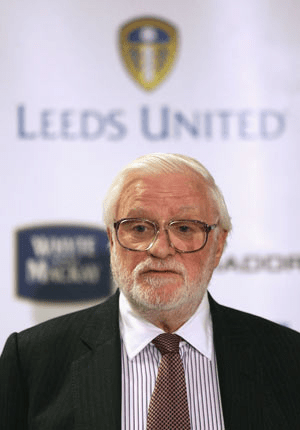
At the same time these transfers were taking place, the ownership of Leeds United would transfer from one hand to another. On 21st January 2005, Leeds chairman Gerald Krasner announced that he had sold a 50% stake in the club to former Chelsea chairman Ken Bates. Bates had bought his stake using the guise of a company named The Forward Sports Fund. His first plan: to buy back Leeds’s training ground and stadium. As part of the deal, Bates replaced Krasner as Leeds United chairman. Bates had served as chairman at various football clubs dating back to the 1960’s. He spent five years at the head of Oldham Athletic during the 1960’s, as the team were promoted from Division Four to Division Three. In 1980, Bates became the chairman of Wigan Athletic. In his two seasons in charge, he provided significant investment that had helped the Latics progress to the Third Division in 1982. However, his most notable impact on football came in 1983, when he bought Chelsea Football Club for £1. At the time of his arrival, Chelsea were a fallen giant, having suffered relegation from Division One in 1979. In the seasons afterwards, Chelsea had gotten progressively worse and when Bates arrived, were contemplating relegation to the Third Division. With some notable investment from Bates, Chelsea would move from near-relegation in 1983 to promotion in 1984, as they would win the Second Division to earn promotion back the top-flight. The following season, Chelsea would register a 6th place finish in the First Division, which they would replicate the following year. Following relegation into Division Two in 1988, Chelsea would immediately return the following season and have not left English football’s top division since. By the late 1990’s, Chelsea had become one of the top teams in England, registering regular top-six finishes and winning plenty of trophies including the FA Cup in 1997 and 2000 and the UEFA Cup Winners’ Cup in 1998. In 2003, Bates would sell Chelsea to Roman Abramovich for £140 million and the rest is history. Bates would resign as Chelsea chairman in 2004.
After beginning the year with the defeat to Crewe Alexandra, Leeds’s form would improve through January and February. Of the 10 matches Leeds would play in these two months, Leeds would win 5, draw 2 and lose 3, moving themselves up the Championship table and away from relegation trouble. At the end of February with 36 matches played and 10 matches remaining, Leeds sat with a record of 13 wins, 11 draws and 12 defeats, having gained a total of 50 points from 108, with a 46.2% win ratio.
With survival seemingly sorted, Leeds would end the season in poor form, winning 1 of their final 10 matches and gaining 10 points from a potential 30. The final run-in would commence with four successive draws against Millwall, Gillingham, Nottingham Forest and Wolves throughout March. The following match, Leeds would get hammered 4-0 by Sheffield United to extend the winless run to five matches. This run would be ended on 9th April with a 2-1 win over Watford after goals from Rob Hulse and Clarke Carlisle. However, further draws with QPR and Ipswich, a loss to Leicester City and a final-day 0-0 draw with Rotherham saw Leeds finish the season in 14th place after a sputtering end to the season ruined a potential top-half finish.
After 46 Championship matches, Leeds finished in 14th place, with a record of 14 wins, 18 draws and 14 defeats, ending with 60 points. Leeds scored 49 goals (1.06 goals per match) with David Healy top scoring with 7 goals, just ahead of Brian Deane and Rob Hulse with 6. This was the first season since 1997 that not one Leeds player had hit double figures in the league. This gave Leeds the joint 8th-worst scoring record in the division. However, Leeds would have the Championship’s 8th-best defensive record after conceding 52 goals in 46 matches. Compared to the previous season, Leeds now had a settled defence with Neil Sullivan in goal and a back four of Gary Kelly, Paul Butler, Clarke Carlisle and Frazer Richardson. In total, 12 Leeds players made over 20 appearances in the Championship, and six (Neil Sullivan, Gary Kelly, Paul Butler, Sean Gregan, Danny Pugh, Jermaine Wright) would make over 30. However, due to many injuries to key names throughout the season, Leeds United would use a total of 35 players across the 46 Championship matches, with 16 making fewer than 10 league appearances. Among these would be Eirik Bakke (1 substitute appearance), Lucas Radebe (1 start, 2 sub), Seth Johnson (4 starts, 2 sub) and Michael Duberry (4 starts). These Premier League veterans had found that their time was up at Leeds as the current management was looking elsewhere. Only Gary Kelly would be a regular starter during this season who had played for Leeds at their peak, playing 43 out 46 Championship matches.
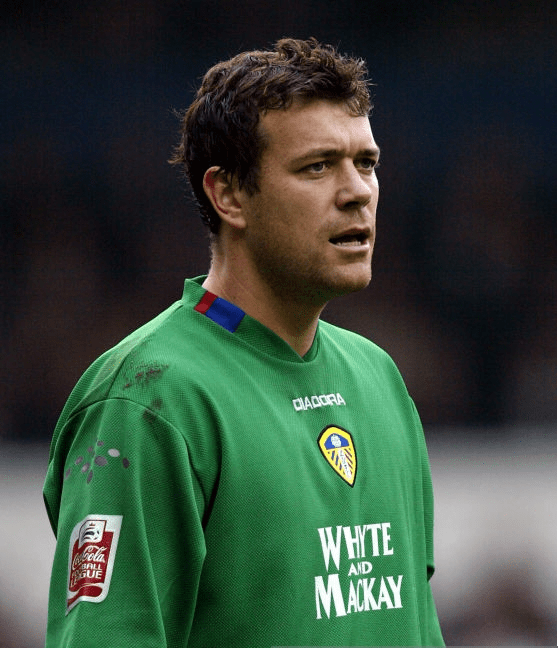
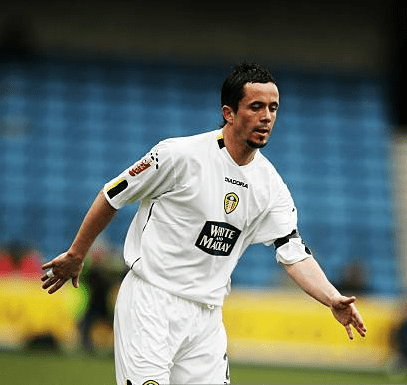
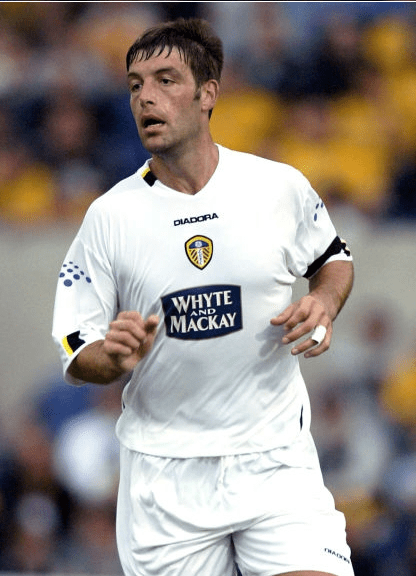
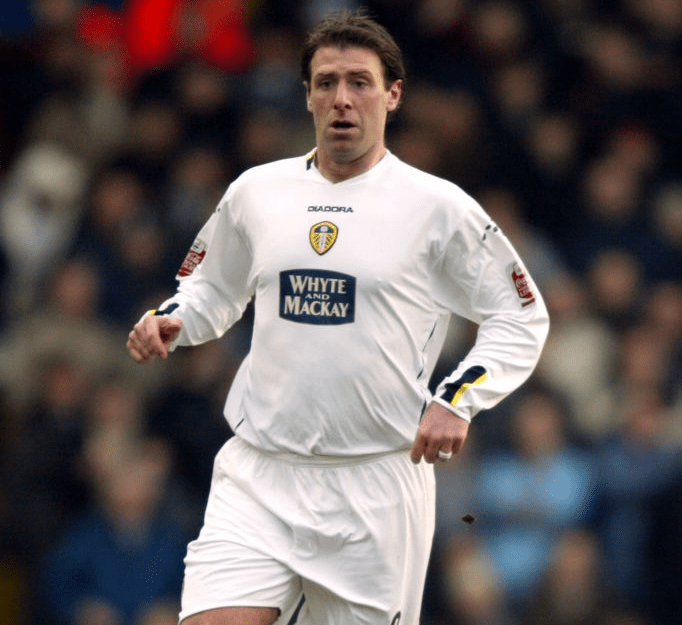
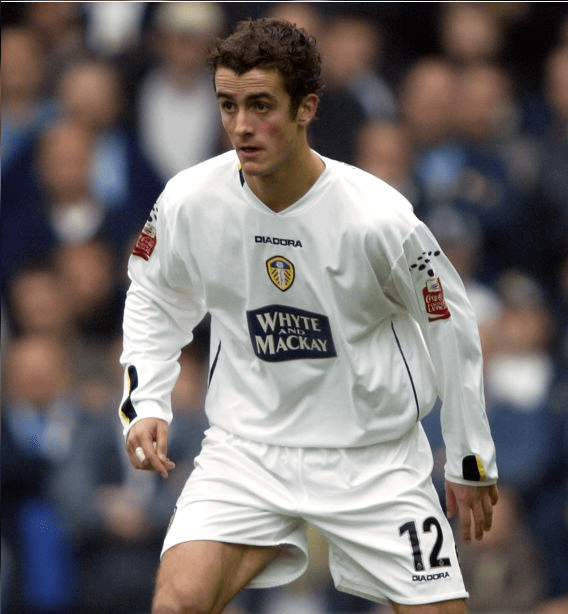
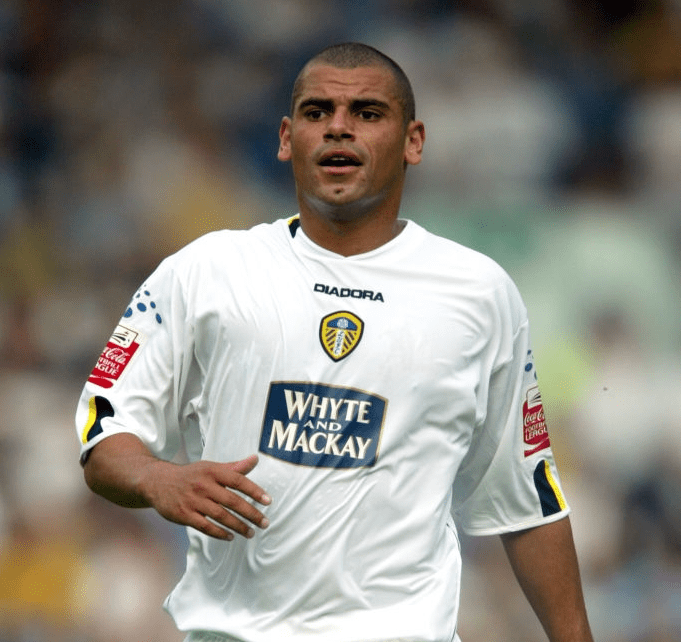
Leeds had survived their first season in the Championship after a difficult start and now had less to think about financially with the new ownership of Ken Bates. Could the next season for Leeds hold more positive than negatives?
 the-score-board.co.uk