
Swindon Town Football Club has been ever-present in the English Football League since the organisation first accepted their application for election back in 1920. However, Swindon Town has remained remarkably consistent in their performances for a team that has since completed 94 consecutive seasons in the EFL. Over the years, it has become increasingly common to find the Robins occupying a place in the bottom two divisions of English league football, currently known as League One and League Two. In total, Swindon has spent 76 out of 94 Football League seasons toiling away in League One or League Two, with 67 of these campaigns coming in the third tier alone.
Between 1987 and 2000, the Robins would belie these historical statistics, being a frequent member of Football League Division One (now known as the Championship). However, thanks to a legendary player-manager, Swindon would even spend one season in the rarefied air of the Premier League, making weekly trips to Arsenal, Manchester United and Oldham Athletic. The following article will explain everything that went down during Swindon Town’s 1993-94 league season, the year the Robins ‘were Premier League’.
Promotion
In March 1991, 53-cap England midfielder Glenn Hoddle would make international football headlines when he decided to leave French Ligue 1 title-chasing AS Monaco to take over the vacant managerial post at struggling English Second Division side Swindon Town. With eight matches of the 1990-91 season remaining, the Robins were battling relegation to the third tier of English football. Having earned just ten wins all season, Swindon had decided to sack Ossie Ardiles after 20 months in charge and turn to his former Spurs teammate Glenn Hoddle to save their season. Aged 34, Hoddle would take over as player-manager but would mostly remain on the sidelines at first. Pulling a depleted squad together, Swindon would pick up five points from their final eight matches to stay up on the last day of the season despite losing 3-1 to Port Vale.
After signing Paul Bodin (Exeter), Shaun Taylor (Crystal Palace), Martin Ling (Southend) and Dave Mitchell (Newcastle United) during the summer of 1991, Glenn Hoddle’s first proper season as Swindon coach would see a considerable upturn in The Robins’ fortunes. After staring down the Second Division trapdoor the previous year, Swindon would spend the 1991/92 season chasing a play-off position. With Bodin and Taylor adding much-needed experience to the Swindon defence, the Robins would finish the 1991-92 Second Division season in 8th place, just five points short of 6th-placed Blackburn Rovers (who would later win the play-off final).
In the first season of the newly-renamed Football League First Division, Glenn Hoddle and Swindon Town would continue their upward trend in the second tier of English football. With a settled starting line-up and an impressive home record, Swindon would challenge in the upper reaches of the First Division table throughout the season. By this point in his reign, Glenn Hoddle had embraced the player-manager job description to its fullest, stepping onto the field for all but one of Swindon’s league matches. The boss would become a fixture in the Robins’ starting line-up with goalkeeper Fraser Digby, defenders Nicky Summerbee, Shaun Taylor, Paul Bodin and David Kerslake, midfielders Martin Ling, Micky Hazard and Ross MacLaren, and strikers Dave Mitchell and Craig Maskell. The season would see Swindon produce stand-out wins over Bristol Rovers (4-3, 19th August), Notts County (5-1, 17th October), Watford (4-0, 6th March) and Birmingham City (6-4, 12th April) to outline their promotion credentials.
Swindon would finish 5th in the First Division standings, qualifying for the end-of-season play-offs despite failing to win their final four matches of the season. In the play-off semi-finals, Swindon would edge an entertaining two-legged tie over Tranmere Rovers. Swindon would win 3-1 at the County Ground before Tranmere would make things interesting by winning the return leg 3-2. Despite this second-leg performance from Tranmere, Swindon would progress to the First Division play-off final on 31st May 1993.
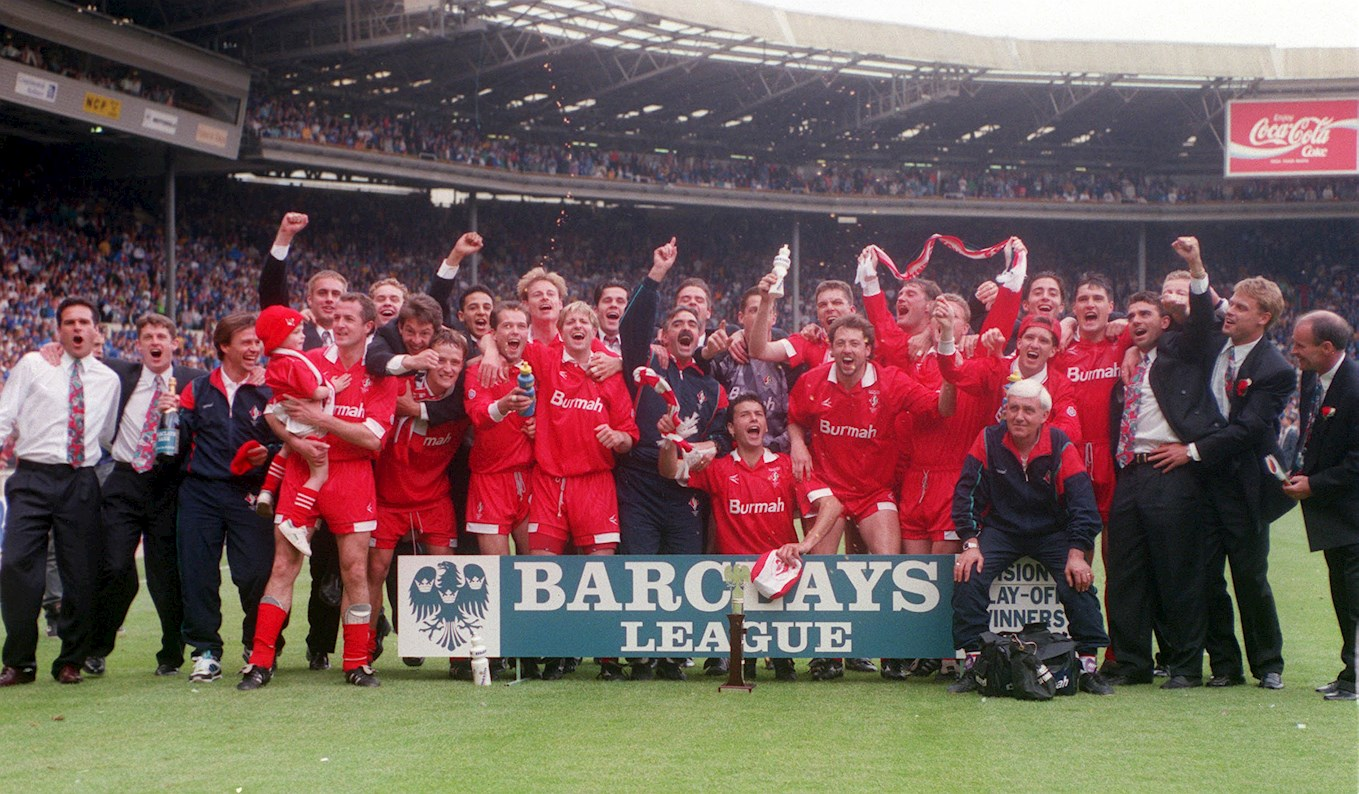
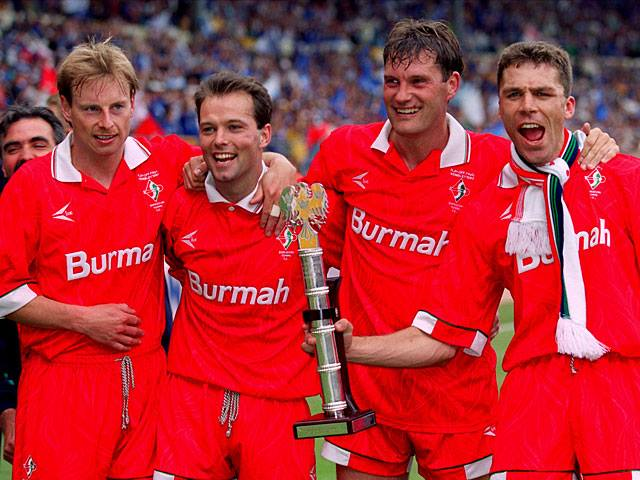
At Wembley, Swindon Town would face Leicester City in the First Division play-off final. The two teams would then combine to produce one of the greatest play-off finals in Football League history. Glenn Hoddle would start the match in central midfield, but Colin Calderwood would captain the Robins. After a near-goalless first half, Swindon’s player-manager would open the scoring, running onto Craig Maskell’s backheel to side-foot the ball home from the edge of the Leicester box. After setting up the first goal, Maskell would blast the ball past Kevin Poole to double Swindon’s lead two minutes after the half-time break. Six minutes later, centre-back Shaun Taylor would head home to give Swindon a 3-0 advantage, putting Robins fans into dreamland just minutes into the second period. Needing to respond, Leicester City would soon produce an outstanding comeback, scoring three goals in 12 minutes through Julian Joachim, Steve Walsh and Steve Thompson to level the score at 3-3.
With the game tied and the clock ticking down, both sides would search for the goal that would help them win the match and gain promotion to the Premiership. In the 84th minute, replacement striker Steve White would go down in the box under the challenge of goalkeeper Kevin Poole. Referee David Elleray would award a penalty to Swindon, despite the protests of the Leicester players. Robins left-back Paul Bodin, who had scored 11 goals during the regular season, would step up to the penalty spot. The Welshman would send Kevin Poole the wrong way, winning the match for Swindon Town by a 4-3 scoreline. For the second time in four seasons, Swindon Town had earned promotion to the top flight through the play-offs. The Football League had nullified the club’s previous play-off victory in 1990 after investigating the club’s financial records. However, the play-off final win over Leicester City in May 1993 would finally guarantee Swindon Town top-flight football for the first time in their 114-year history. Good times were in the offing for the Wiltshire club. However, future events would soon make the following Premiership campaign just that little harder for the top-flight rookies.
1993-94
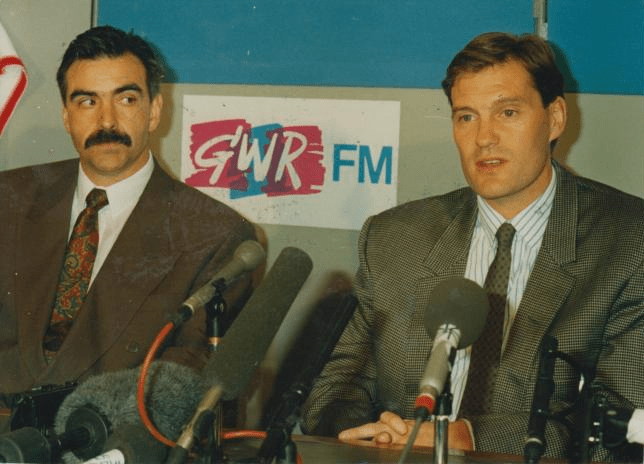
Just days after making club history for Swindon Town in only his second full season of management, Glenn Hoddle would leave the brand-new Premiership outfit for a job at one of the more established elite. On 4th June 1993, Chelsea would announce Glenn Hoddle as their new player-manager, with the 36-year-old filling the post left vacant by the sacking of Ian Porterfield four months earlier. Upon accepting the job, Hoddle would try to bring his assistant manager John Gorman from the County Ground over to Stamford Bridge. However, Swindon, not wanting to lose both parts of the team that got them to the promised land, would offer Gorman the chance to become their new manager, filling the hole left by Hoddle’s sudden departure. Left with two options, Gorman would accept the offer of chairman Ray Hardman to become Swindon Town’s new permanent manager.
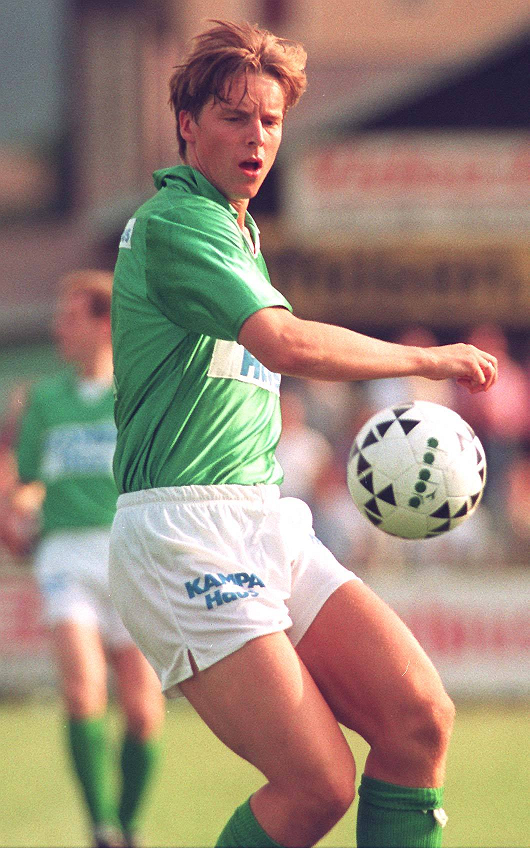
Now with two months to prepare his team for their first-ever top-flight season, Gorman would start to dip into the transfer market. His first signing would break Swindon’s transfer record. In late June 1993, Norwegian striker Jan Åge Fjørtoft would join the Robins from Rapid Vienna for £630,000. In four seasons in the Austrian capital, Fjørtoft had scored 63 goals in 129 league appearances and five goals in ten UEFA Cup matches. He had also earned 41 caps for a Norway team now on course to reach the 1994 FIFA World Cup ahead of Graham Taylor’s England. The 6’4 striker would add an aerial presence to Swindon’s forward line. Not long after Fjørtoft’s arrival at the County Ground, Dutch midfielder Luc Nijholt would join the club from Motherwell. The 33-year-old had been a versatile player in North Lanarkshire, playing in both defence and midfield across 96 appearances for the Steelmen. He had even helped ‘The Well’ win the 1991 Scottish Cup, starting in their much-celebrated 4-3 final victory over Dundee United at Hampden Park.
(c) Facebook 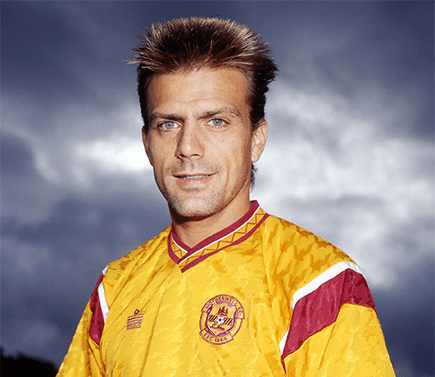
(c) Motherwell FC
Swindon would clear space for Fjørtoft and Nijholt by offloading striker Paul Hunt and midfielder Brian Marwood to non-league Gloucester City and Second Division Barnet. Hunt had made just six appearances without scoring the previous season and had struggled to find a way past Craig Maskell, Steve White and Dave Mitchell into Swindon’s starting line-up. Meanwhile, Marwood had only signed for Swindon from Sheffield United the previous summer, but 11 appearances would not be enough for the veteran midfielder to remain at the County Ground.
In late July, a more established Premiership club would come calling for one of Swindon’s most valuable players. On the 22nd, Tottenham would sign club captain Colin Calderwood for £1.25 million. Calderwood had been a constant in the Swindon backline since signing back in 1985. He had even earned the captain’s armband at 21 and had not relinquished it since then. Across eight seasons at Swindon, Calderwood had made 330 appearances, scoring 20 goals and becoming a club legend in the process. When Calderwood joined the club, Swindon was languishing in the Fourth Division. Now, he would leave having led the Robins to the Premiership, earning himself a move to a bigger club for his efforts.
Eight days later, Swindon would replace Calderwood with Leyton Orient centre-back Adrian Whitbread for £560,000. The 22-year-old Whitbread had come through the academy at Orient, debuting at 18 years old before making 125 league appearances for the club in the Second Division. However, he had done enough in East London to impress John Gorman, and the promising youngster would make the move down to Wiltshire.
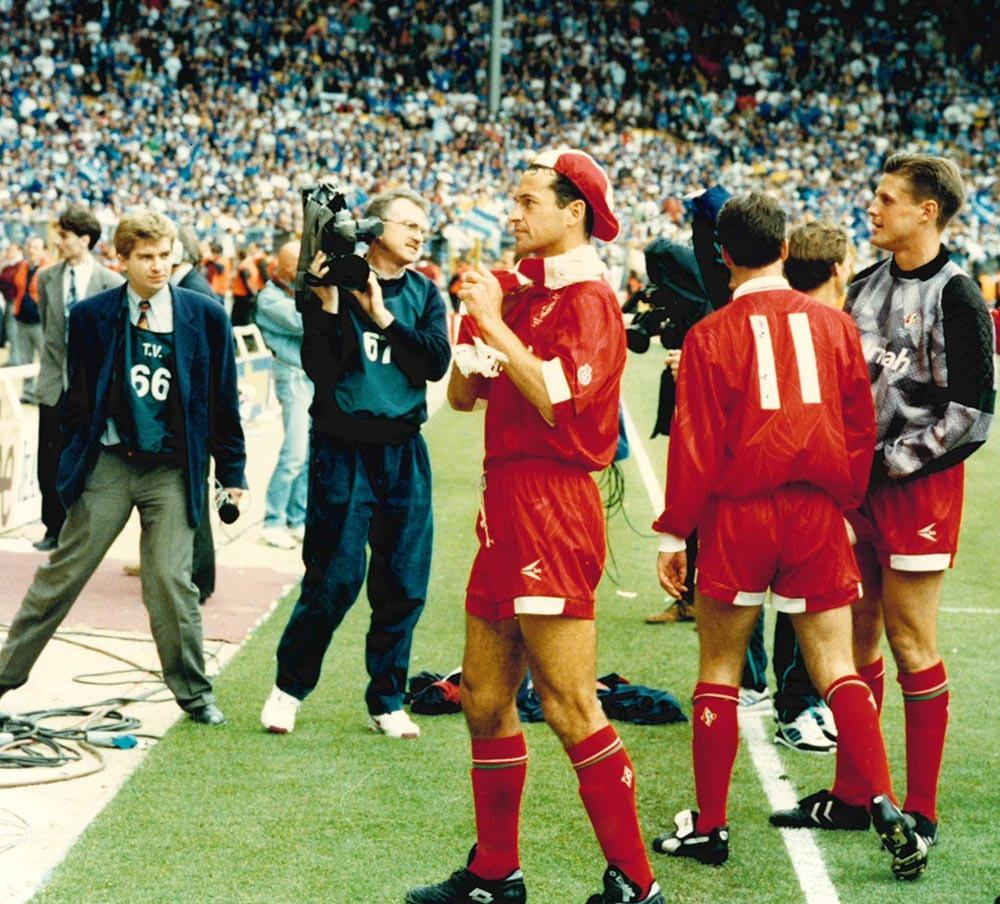
In the first two days of August, a further two centre-forwards would leave Swindon for pastures new. On the first of the month, Shaun Close would follow Brian Marwood to Barnet. After signing from Bournemouth in 1989, Close had never managed to make a considerable impact at the County Ground, with 38 of his 53 appearances coming from the substitutes bench. In these 53 matches, he would score twice. One day later, the more popular Dave Mitchell would move to Turkish Süper Lig side Altay Izmir. The Glasgow-born Australian international had formed an effective partnership with Craig Maskell during the promotion campaign, scoring 12 goals in 44 appearances. However, he would activate a release clause in his contract to allow him to leave the club for £20,000 for any team that wanted to sign him. Altay Izmir would come calling, and Dave Mitchell would leave Swindon to join the ninth club of his 13-year career and play football in a seventh different country.
Transfers
In
| Date | Position | Player Name | From | Transfer Fee |
|---|---|---|---|---|
| 1st July 1993 | FW | Jan Åge Fjørtoft | Rapid Vienna | £630,000 |
| 1st July 1993 | MF | Luc Nijholt | Motherwell | Undisclosed |
| 30th July 1993 | DF | Adrian Whitbread | Leyton Orient | £560,000 |
| 16th August 1993 | FW | Andy Mutch | Wolves | £250,000 |
| 6th September 1993 | DF | Terry Fenwick | Tottenham | Undisclosed |
| 17th September 1993 | MF | Ty Gooden | Wycombe Wanderers | Free |
| 18th November 1993 | FW | Keith Scott | Wycombe Wanderers | £300,000 |
| 20th January 1994 | DF | Brian Kilcline | Newcastle United | £90,000 |
| 28th January 1994 | GK | John Sheffield | Cambridge United | loan |
| February 1994 | FW | Frank McAvennie | Celtic | loan |
| 2nd March 1994 | MF | Lawrie Sanchez | Wimbledon | Undisclosed |
| 24th March 1994 | GK | John Heald | Leyton Orient | loan |
Out
| Date | Position | Player Name | To | Transfer Fee |
|---|---|---|---|---|
| 31st May 1993 | MF | Glenn Hoddle | Chelsea | Player-manager |
| 1st July 1993 | FW | Paul Hunt | Gloucester City | Free |
| 1st July 1993 | MF | Brian Marwood | Barnet | Free |
| 22nd July 1993 | DF | Colin Calderwood | Tottenham | £1.25 million |
| 1st August 1993 | FW | Shaun Close | Barnet | Free |
| 2nd August 1993 | FW | Dave Mitchell | Altay Izmir | £20,000 |
| 3rd November 1993 | MF | Micky Hazard | Tottenham | £50,000 |
| 7th February 1994 | FW | Craig Maskell | Southampton | £250,000 |
| Transfers in: | -£1,830,000 |
| Transfers out: | +£1,570,000 |
| Total | -£260,000 |
August
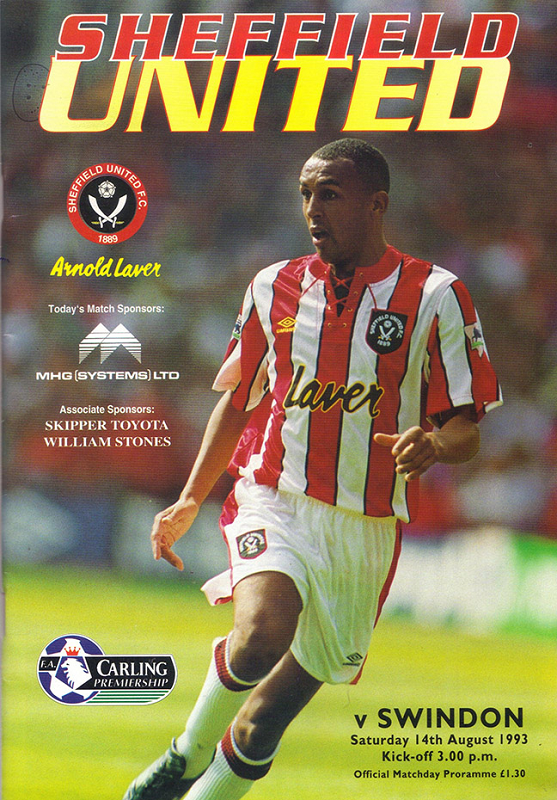
On 14th August 1993, Swindon Town would kick off their first-ever season of top-flight season of English football with an away trip to Sheffield United. The Blades had finished 14th in the inaugural Premiership season. They had since strengthened their ranks with Leicester striker Bobby Davison, Jostein Flo and Roger Nilsen (both international teammates of Jan Åge Fjørtoft), Swedish defender Jonas Wirmola, and former Swindon midfielder Chris Kamara. However, none of these new additions would feature in Sheffield United’s 3-1 win over Swindon at Bramall Lane. Blades striker Willie Falconer would open the scoring in the 21st minute, but John Moncur would equalise with Swindon’s first-ever Premiership goal just seconds into the second half. However, Sheffield United would regain control with two goals in seven minutes towards the end of the game. Right-back Carl Bradshaw would put the Blades 2-1 ahead in the 76th minute before midfielder Paul Rogers would put a third past Swindon’s new-look three-man defence of Shaun Taylor, Luc Nijholt and Adrian Whitbread to seal an opening-day victory for Dave Bassett’s team. A defeat for John Gorman in his first competitive match as Swindon Town manager, an introduction into the rigours of the Premier League for the Robins.
On 16th August, John Gorman would bolster Swindon’s striking ranks with Wolves striker Andy Mutch for £250,000. The 29-year-old had formed an effective strike partnership with Steve Bull over seven years at Molineux, scoring 98 goals in 289 league appearances as Wolves travelled from the Fourth Division to the Second Division (later First Division) between 1986 and 1992. However, Mutch could only watch from the sidelines as Swindon lost their first Premiership home match 1-0 to Oldham Athletic on 18th August. After losing their first two league matches, Swindon’s start to their first top-flight season would quickly become a baptism of fire as the team would soon concede five goals in consecutive defeats to Liverpool (0-5) and Southampton (1-5) in the space of four days.
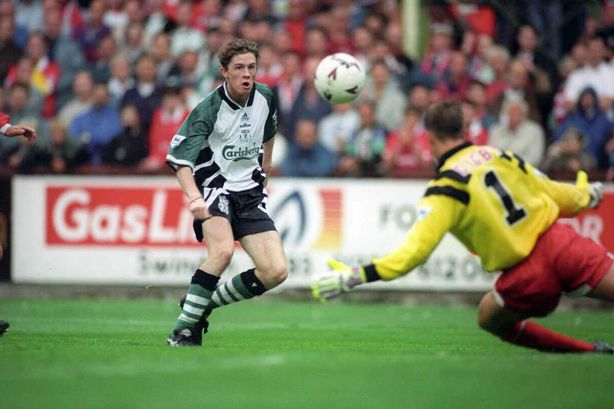
After this pair of heavy losses, the Robins would finally earn their first point of the season in a 0-0 draw with Norwich City on 28th August. After five Premiership matches, Swindon Town had drawn one and lost four, conceding 14 goals and scoring two. The team sat bottom of the Premiership table, and only Sheffield Wednesday (3 draws) and Manchester City (2 draws) had failed to win a match at this early stage. Manchester City would serve as Swindon’s next opponents at the County Ground.
| Position | Team | Played | Wins | Draws | Losses | GF | GA | GD | Points |
|---|---|---|---|---|---|---|---|---|---|
| 19th | Southampton | 6 | 1 | 0 | 5 | 7 | 10 | -3 | 3 |
| 20th | Manchester City | 5 | 0 | 2 | 3 | 2 | 6 | -4 | 2 |
| 21st | Sheffield Wednesday | 5 | 0 | 3 | 2 | 1 | 4 | -5 | 2 |
| 22nd | Swindon | 5 | 0 | 1 | 4 | 2 | 14 | -12 | 1 |
September
On 1st September, Manchester City would defeat Swindon to earn their first Premiership victory of the season. However, the game would remain scoreless for the first 59 minutes, and when one team finally broke the deadlock around the hour mark, a Swindon player would be the one to score. First, Swindon would earn a penalty kick after Keith Curle clattered into Robins right-back Nicky Summerbee. John Moncur would step up to the penalty spot, but City goalkeeper Paul Coton would save the midfielder’s weak effort. However, in the 60th minute, Summerbee’s free-kick would deflect past Coton into the net, with Swindon taking the lead for the first time in any of their Premiership matches. The winless City would cap this lead at 14 minutes when Dutch defender Michel Vonk poked the ball home after a scramble in the Swindon box. Five minutes later, Niall Quinn would put City ahead, finishing from Garry Flitcroft’s cross. Finally, Quinn would turn provider, flicking the ball on to substitute Adrian Mike in acres of space, and the Englishman would score Manchester City’s third late on, sealing a 3-1 away win. Swindon was now without a win in their first six Premiership matches and needed to find a solution fast to turn their form around.
Having conceded 17 goals in six Premiership matches, John Gorman would dip into the transfer market again to find a solution to Swindon’s defensive frailties. On 4th September, the proposed solution would arrive with 33-year-old Tottenham centre-back and former 20-cap England international Terry Fenwick. Fenwick played 93 league matches for Spurs after joining from Queens Park Rangers in 1987 but had often found himself behind the established pairing of Gary Mabbutt and Steve Sedgeley. Fenwick would make his Swindon debut in their next Premiership match against West Ham on 11th September. He would replace midfielder Kevin Horlock after 78 minutes, shoring up Swindon’s defence as the Robins earned their second point of the season with a 0-0 draw at Upton Park.
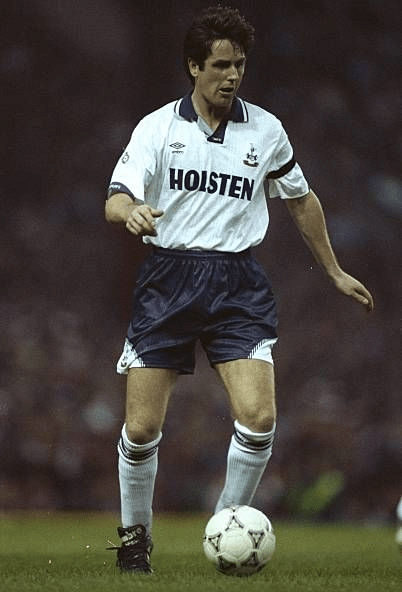
On 19th September, Swindon would earn their first home point with a 2-2 draw against fellow newly-promoted side Newcastle. The day before, John Gorman had signed young midfielder Ty Gooden from Wycombe Wanderers. A graduate of Arsenal’s youth academy, Gooden had spent the previous season at Wycombe but had failed to make a single appearance and was still yet to make his professional league debut. At the County Ground on 18th September, the Magpies would take the lead through Lee Clark’s 37th-minute near-post effort and later double their lead with a Malcolm Allen penalty minutes after Paul Bodin’s missed spot-kick for Swindon down the other end. Down 2-0 at half-time, Swindon would respond effectively in the second period with two quick goals minutes after the hour mark. First, Martin Ling would run onto Jan Åge Fjørtoft’s dummy and finish inside the box. Then, a minute later, Andy Mutch would score his first Swindon goal, heading home Paul Bodin cross after an excellent run by Martin Ling. While Swindon was still without a Premiership win, the second-half performance against Newcastle had shown that that elusive victory might not be too far away.
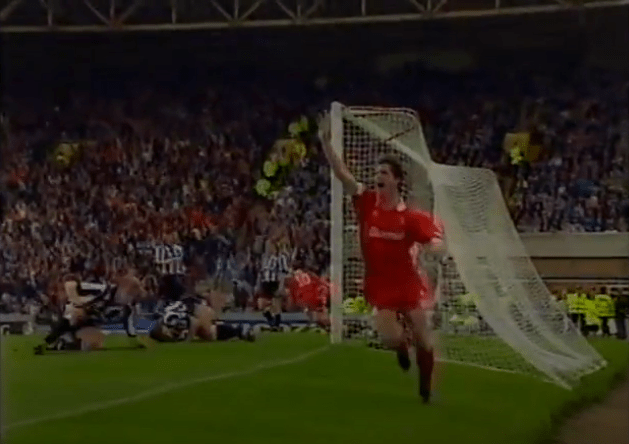
After gaining points in their last two matches and beating Wolves 2-1 in the first leg of their League Cup second round tie on 22nd September, regular service would somewhat resume on the 25th when the Robins travelled to Old Trafford to face the champions Manchester United. In a top-vs-bottom clash, Alex Ferguson’s side would build a 3-0 lead inside 50 minutes through the goals of Andrei Kanchelskis, Eric Cantona and Mark Hughes. However, Swindon would make things interesting in the final twelve minutes of the match. First, John Moncur would set up Andy Mutch to score a perceived consolation effort for Swindon. However, the Robins would earn a penalty in the 87th minute when Steve Bruce brought down Jan Åge Fjørtoft. Paul Bodin would score to bring Swindon back to 3-2, and the Premiership’s bottom side was now threatening to take an unlikely point away from Old Trafford. However, Mark Hughes’s second goal of the day in stoppage time would put paid to those wishes, with Manchester United running out 4-2 winners to maintain their position at the top.
At the end of September, Swindon sat bottom of the Carling Premiership table, level on three points with early strugglers Southampton. After nine matches, John Gorman’s side was still yet to taste victory in their maiden top-flight season, with their formbook showing three draws and six defeats. However, Swindon was starting to show some fire in their performances.
| Position | Team | Played | Wins | Draws | Losses | GF | GA | GD | Points |
|---|---|---|---|---|---|---|---|---|---|
| 19th | Sheffield Wednesday | 9 | 1 | 4 | 4 | 9 | 14 | -5 | 7 |
| 20th | Oldham | 9 | 1 | 3 | 5 | 6 | 16 | -10 | 6 |
| 21st | Southampton | 9 | 1 | 0 | 8 | 7 | 15 | -8 | 3 |
| 22nd | Swindon Town | 9 | 0 | 3 | 6 | 7 | 23 | -16 | 3 |
October
Swindon would begin October by racking up their seventh defeat in ten matches. On 2nd October, the Robins would lose 3-1 to Blackburn at the County Ground. Alan Shearer would give Rovers the lead after 15 minutes, but Swindon defender Shaun Taylor would equalise in the 32nd minute. The two teams would remain tied at the half-time break, but Blackburn would re-take the lead six minutes into the second half. After scoring the first goal, Alan Shearer would turn provider for winger Stuart Ripley before sealing the victory himself with his 4th goal of the season in the 90th minute. It was the type of defeat that Swindon looked to be heading away from based on recent results, but Blackburn had managed to push the Robins back down to earth with a convincing victory. Three days after the Blackburn loss, Swindon would lose the second leg of their League Cup 2nd round tie to Wolves by a 2-1 scoreline. However, by virtue of the winning margin carried over from the 1st leg, Swindon would progress to the 3rd round with a 3-2 aggregate win.
Following the October international break, Swindon would return to league action with another home match. On 16th October, the team would draw 1-1 with Everton, with Shaun Taylor’s 89th-minute effort cancelling out Peter Beagrie’s opener. Swindon would match this 1-1 scoreline against Tottenham one week later. Jason Dozzell would put Spurs ahead in the 51st minute, but a Paul Bodin penalty would mean the two teams shared the points. However, after attaining back-to-back draws for the second consecutive month, Swindon would end October with successive defeats. On 26th October, First Division Portsmouth would knock John Gorman’s team out of the League Cup with a 2-0 loss in the third round.
Four days later, Paul Bodin would successfully convert another penalty in Swindon’s next Premiership match against Aston Villa at the County Ground. Bodin would give John Gorman’s side a 33rd-minute lead, only for Shaun Teale to equalise 10 minutes later. Then, Dalian Atkinson would give Aston Villa the three points with a 68th-minute finish. This defeat meant that Swindon ended October, still waiting for their first Premiership victory. After thirteen matches, the Robins had drawn five and lost eight, resulting in five points from a possible thirty-nine. These results put the team six points from safety one-third of the way through the 1993-94 season. A failure to pick up a win anytime soon could lead to dire consequences for John Gorman’s men.
| Position | Team | Played | Wins | Draws | Losses | GF | GA | GD | Points |
|---|---|---|---|---|---|---|---|---|---|
| 19th | Oldham | 13 | 2 | 5 | 6 | 9 | 19 | -10 | 11 |
| 20th | Sheffield Wednesday | 13 | 1 | 7 | 5 | 17 | 23 | -6 | 10 |
| 21st | Southampton | 13 | 2 | 2 | 9 | 15 | 24 | -9 | 8 |
| 22nd | Swindon | 13 | 0 | 5 | 8 | 11 | 30 | -19 | 5 |
November
At the start of November, Swindon would sell another member of their promotion-winning squad. On 3rd November, midfielder Micky Hazard would re-join Tottenham for £50,000. Hazard originally joined Swindon from Portsmouth in September 1990 for £171,000 and had gone to make 143 appearances in the centre of the Robins’ midfield, scoring 18 goals. Hazard had been a regular during Swindon’s promotion campaign, making 34 appearances. He had even started seven of Swindon’s first ten Premiership matches this season. Hazard’s most recent match in Swindon colours had come in the 3-1 defeat to Blackburn Rovers on 2nd October. After this, John Gorman had replaced him in midfield with Ross MacLaren for Swindon’s past three games. Now aged 33, Micky Hazard would decide to return to his boyhood club Spurs, where he had previously spent eight years between 1978 and 1985, starting the team’s 1982 FA Cup victory.
For the fourth month in a row, Swindon would begin November with a three-goal defeat. After starting the previous months with 3-1 defeats to Sheffield United, Manchester City and Blackburn Rovers, the Robins would slightly mix things up in November, losing 3-0 to Wimbledon on 6th November. The 3-0 loss at Plough Lane marked the first time in seven matches that Swindon had failed to score, with their last clean sheet coming in a 0-0 draw with West Ham on 11th September.
After another international break, Swindon Town would return to drawing ways in the Premiership, sharing the points in a 2-2 draw with Ipswich. However, the match would see a new signing score on his debut for the Robins. After veteran striker John Wark gave Ipswich the lead in the 17th minute, striker Keith Scott would equalise for Swindon one minute before half-time. Scott had only joined Swindon from Wycombe Wanderers two days earlier for £300,000 and had already rewarded John Gorman’s faith to start him with a debut goal. After the half-time break, John Wark would score a penalty to put Ipswich 2-1 up, only for Paul Bodin to equalise from the spot in the 83rd minute and earn a point for the team in red.
After this encouraging result, Swindon would achieve more than a draw in their next match four days later. On 24th November, in front of 14,674 spectators at the County Ground, Swindon would finally earn their first-ever top-flight win at the sixteenth attempt. In the 64th minute of their match against Queens Park Rangers, Paul Bodin would deliver an out-swinging ball from the left-hand side into the penalty area. Full-back partner Nicky Summerbee would rush into the box and attempt a header, only for the ball to be cleared back out to Bodin. With his second cross, Bodin would find Andy Mutch at the far post. Mutch could only direct his header into the path of striker partner Keith Scott, and Scott would stroke the ball home from two yards out, sending the County Ground into raptures. This goal came after Swindon had already lost Luc Nijholt to a red card just 18 minutes into the game. However, ten-man Swindon would hold on and prevail 1-0 over QPR, earning their first three points of the campaign.
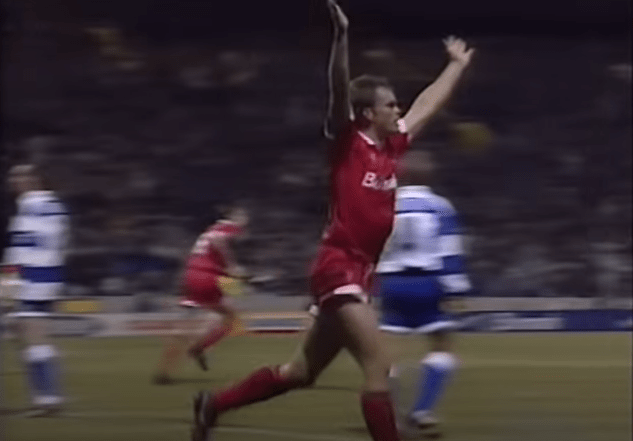
After such a milestone result, Swindon could not build on it, losing 3-0 to 6th-placed Leeds United three nights later. At the end of November, Swindon Town remained bottom of the Premiership table, five points adrift of safety. The Robins had now lost 10 out of 17 Premiership matches, but the team had finally figured out how to win. The problem now for John Gorman and Swindon was how to earn more wins and quickly.
| Position | Team | Played | Wins | Draws | Losses | GF | GA | GD | Points |
|---|---|---|---|---|---|---|---|---|---|
| 19th | Chelsea | 17 | 3 | 5 | 9 | 11 | 19 | -8 | 14 |
| 20th | Southampton | 17 | 4 | 2 | 11 | 18 | 28 | -10 | 14 |
| 21st | Oldham | 17 | 3 | 5 | 9 | 12 | 28 | -16 | 14 |
| 22nd | Swindon | 17 | 1 | 6 | 10 | 14 | 38 | -24 | 9 |
December
December would see Swindon have their most successful month to date. Six points from six matches would see the Robins close the gap and pressure the teams above them, including Chelsea and Southampton. Swindon would begin the month with a goalless draw against Sheffield United on 4th December. The 0-0 result meant that Swindon had not begun a new month with a defeat for the first time this season. That defeat would instead come against Oldham three days later. The Latics would defeat the Robins 2-1 at Boundary Park to complete the double over John Gorman’s men and earn their second win in three matches to move away from the relegation zone.
Following this disappointing defeat, Swindon would turn things around by earning an impressive point against 7th-placed Liverpool. The Reds had introduced John Gorman’s team to the Premier League with a 5-0 thrashing in late August, but on this occasion, Swindon would offer more both in defence and attack. For example, the match would remain deadlocked until the 60th minute. When someone broke it, a Swindon player opened the scoring. Nicky Summerbee would deliver a low cross into the box, and John Moncur would slide in to divert the ball past Bruce Grobbelaar. Swindon would lead for 11 minutes before John Barnes would equalise with a header. However, just three minutes later, Swindon would retake the lead. After Grobbelaar could only parry Andy Mutch’s header back into the danger area, Keith Scott would steer the ball past him for Swindon’s second. Robins fans were now dreaming of a famous victory over the 18-time English champions. This dream would hold for a further 12 minutes until Mark Wright headed home Steve McManaman’s corner to rescue a point for Graeme Souness’s Reds.
Swindon would take confidence from their draw against Liverpool, taking the positives from their performance into their next game against Southampton on 18th December. Like Liverpool, Southampton had put five goals past Fraser Digby at The Dell earlier in the season. However, the scoreboard would read differently at the County Ground three months later. In a battle between the division’s bottom sides, Swindon would take the lead within 12 minutes. Terry Fenwick’s long ball forward would find its way to left-back Paul Bodin. Picking the ball up 25 yards from goal, Bodin would dribble around two Saints defenders before sliding the ball away from the on-rushing Dave Beasant into the far corner. The finish would mark Paul Bodin’s 5th goal of the season- the first one not to come from the penalty spot. Swindon would retain their one-goal advantage until the 38th minute when Matt Le Tissier’s close-range effort drew Southampton back level. However, Bodin and Swindon would have the last laugh over Ian Branfoot’s strugglers. In the 66th minute, the left-back would swing a corner into the area, and Keith Scott would score his fifth goal of the season with a perfectly directed header. John Gorman’s men would run out 2-1 winners and earn their second victory of the season. This win would see Swindon close the gap to Southampton down to three points at the foot of the Premiership table. However, the Robins would still spend Christmas bottom of the Carling Premiership.
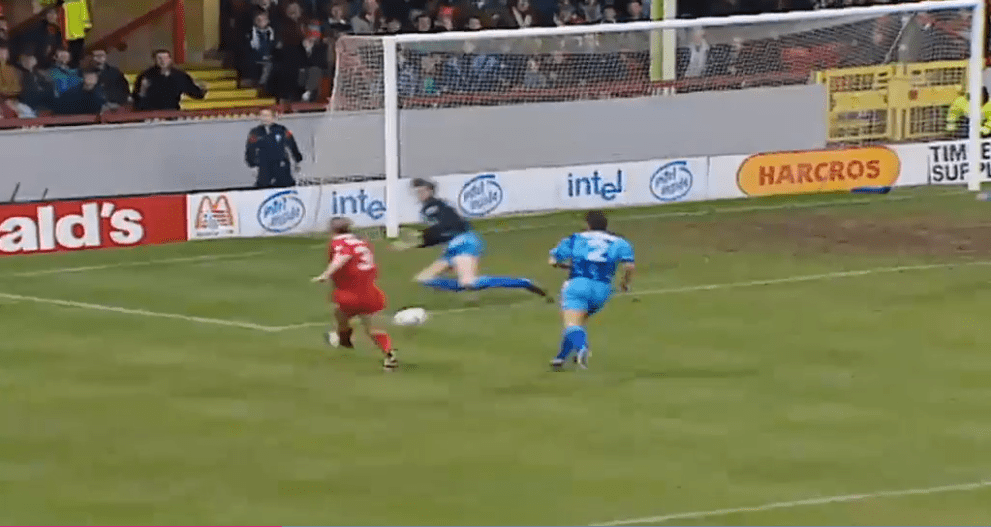
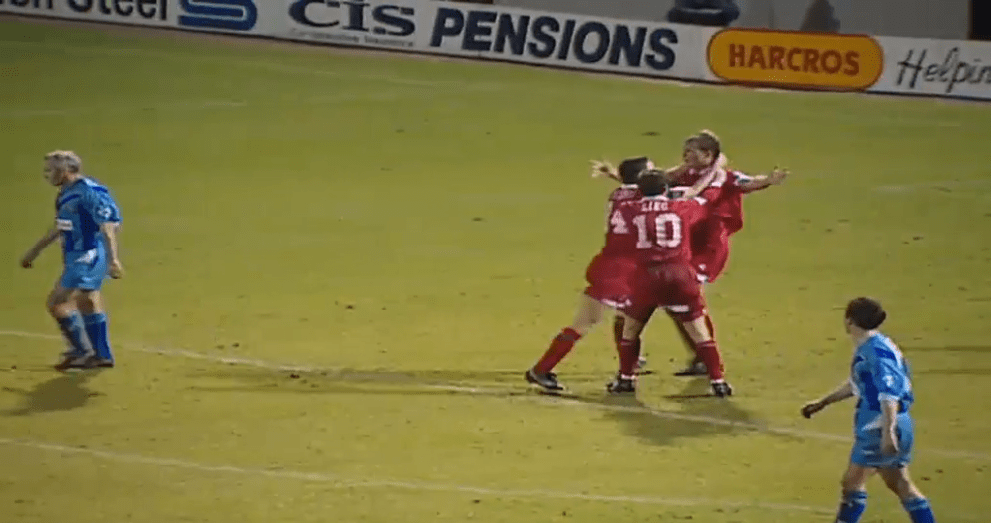
After a pair of positive results leading up to Christmas, a 4-0 home defeat to Arsenal two days after the festive occasion would bring John Gorman’s men back down to earth with a bump. A Kevin Campbell hat-trick and Ian Wright’s 30-yard lob would have Swindon eating cold turkey for the next two days until their next game against Sheffield Wednesday on 29th December. Wednesday would enter the match having won six of their last nine games, three times as many wins as Swindon had earned all season. However, despite what the form book suggested, these two teams would end 1993 with a six-goal thriller.
Swindon striker Andy Mutch would open the scoring after five minutes, tapping in Keith Scott’s glancing header from close range. It would take Wednesday just three minutes to respond as Mark Bright would prod home Gordon Watson’s ball across the middle to the level the scores. Swindon’s Craig Maskell would re-establish the Robins’ lead in the 19th minute by finishing Terry Fenwick’s long ball. Swindon would hold a 2-1 advantage at half-time, but Sheffield Wednesday would turn the game on its head with two quick goals midway through the second half. In the 67th minute, Wednesday striker Gordon Watson would collide with Robins goalkeeper Fraser Digby, leaving him down in a heap. After valiantly defending without a goalkeeper, Watson’s shot would eventually find its way through. Three minutes later, Watson was at it again, prodding home amid a sea of bodies past Nick Hammond, a replacement for the injured Fraser Digby. With Wednesday fans sensing a magnificent seventh victory in ten matches, Craig Maskell would pop up to spoil the party. In the 90th minute, Maskell’s diving header from Andy Mutch’s cross would earn Swindon a much-needed point in their fight for Premiership survival. However, John Gorman would be concerned about the condition of his goalkeeper after the match.
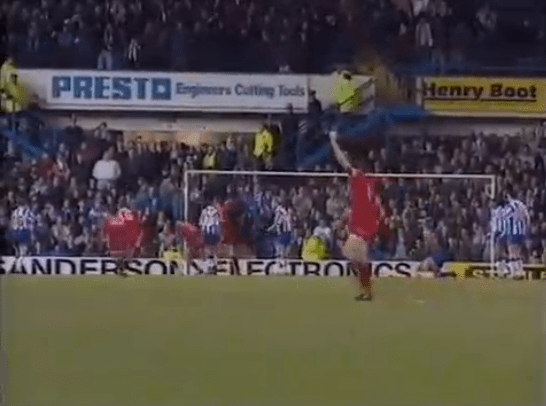
Out of six matches in December, Swindon had managed to earn points in four of them. As 1993 drew to a close, the Robins still sat bottom of the Carling Premiership, but three draws and a win had seen Swindon close the gap to Chelsea, Southampton and Sheffield United above them. A solid start to 1994, aided by some new signings, could see the top-flight debutants escape the Premiership trapdoor and launch an effective survival campaign. One area of concern for John Gorman came in the Swindon defence. After 23 matches, his team had already conceded 50 goals. Some new additions or a tactical rethink in that area could help slow the rush of goals.
| Position | Team | Played | Wins | Draws | Losses | GF | GA | GD | Points |
|---|---|---|---|---|---|---|---|---|---|
| 19th | Chelsea | 21 | 4 | 6 | 11 | 14 | 25 | -11 | 18 |
| 20th | Southampton | 23 | 5 | 3 | 15 | 23 | 35 | -12 | 18 |
| 21st | Sheffield United | 23 | 3 | 9 | 11 | 18 | 36 | -18 | 18 |
| 22nd | Swindon | 23 | 2 | 9 | 12 | 22 | 50 | -28 | 15 |
January
Swindon Town would not start 1994 particularly well. On New Years’ Day, the Robins would lose 3-1 defeat to Chelsea, managed by the club’s previous manager Glenn Hoddle. Goals from Neil Shipperley, Mark Stein and Dennis Wise put the game to bed before Andy Mutch’s stoppage-time consolation. A 1-1 draw with Coventry two days later would lighten the mood around the club only for Swindon to repeat this scoreline against Ipswich in the FA Cup 3rd round on 8th January, guaranteeing a replay between the two sides ten days later.
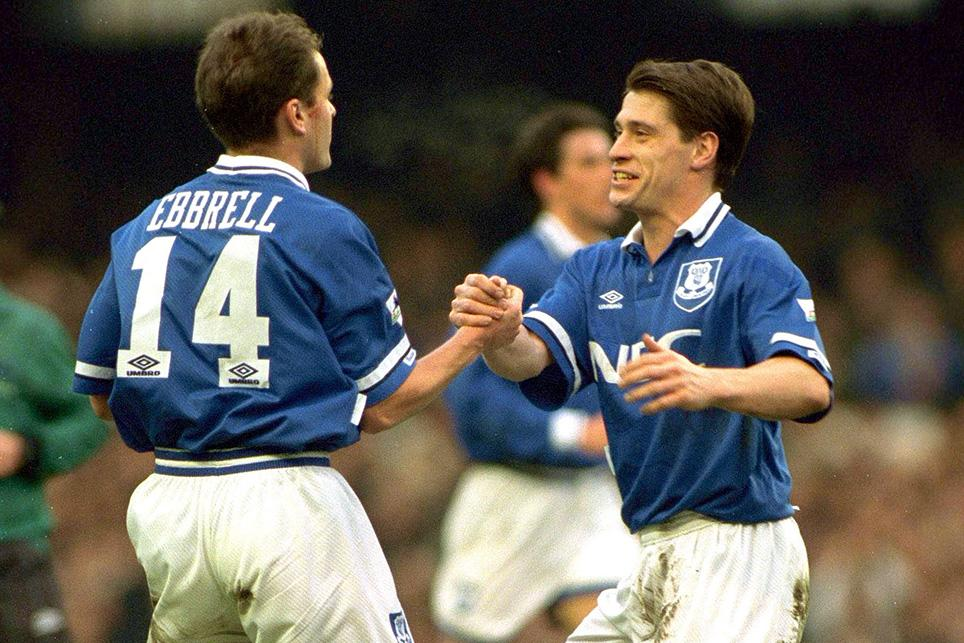
To prepare for this FA Cup replay on 18th January, Swindon would lose 6-2 to 16th-placed Everton away from home. Losing 2-0 at half-time thanks to John Ebbrell and Tony Cottee’s first-half efforts, Swindon would score two goals in six minutes to bring the game back level at 2-2. In the 55th minute, Nicky Summerbee’s cross would find the head of John Moncur for the midfielder to score his third goal of the season. Then, in the 61st minute, Paul Bodin would catch Gary Ablett’s loose touch, nicking the ball off his toe before finishing past Neville Southall to score the equaliser. The momentum was behind Swindon as they searched for a third, only for Everton to register four unanswered goals in the final 19 minutes of the match. Gary Ablett and Peter Beagrie would add their names to the scoresheet on either side of Tony Cottee completing his hat-trick. Mike Walker would get the perfect start to his Everton managerial reign, while John Gorman and his players could only question what had just hit them.
Three days later, Ipswich would defeat Swindon 2-1 after extra time to knock them out of the FA Cup at the first stage. Even Jan Åge Fjørtoft finally breaking his scoring duck could not help Swindon continuing their poor start to the new year. However, the Norwegian striker would soon play a key role in Swindon’s Premiership survival bid, starting with their next league match on 22nd January.
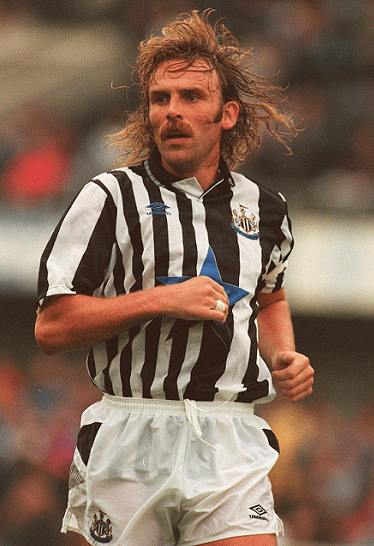
On this day, Swindon would invite Tottenham to the County Ground. 16,464 people would pack the stands for the Robins’ second-largest home attendance of the season thus far. Spurs would enter the match having won just one of their previous six league matches. Meanwhile, Swindon entered the game with one win in their last ten and had won just two games all season. However, John Gorman’s men had held Spurs to a 1-1 draw earlier in the season, something that could give them hope of a better result in this return fixture. The match would see Jan Åge Fjørtoft return to the Swindon starting XI after his cup exploits and mark the debut of new signing Brian Kilcline in defence. The 31-year-old hardman centre-back had joined from Newcastle for £90,000 two days previously and had a wealth of top-flight experience from his time at Coventry City between 1984 and 1991, including captaining the club to the 1987 FA Cup. Against Spurs, Kilcline would take the place of the injured Terry Fenwick. Meanwhile, former Swindon manager Ossie Ardiles and former captain Colin Calderwood would return to the County Ground for the first time since their departures in 1991 and 1993.
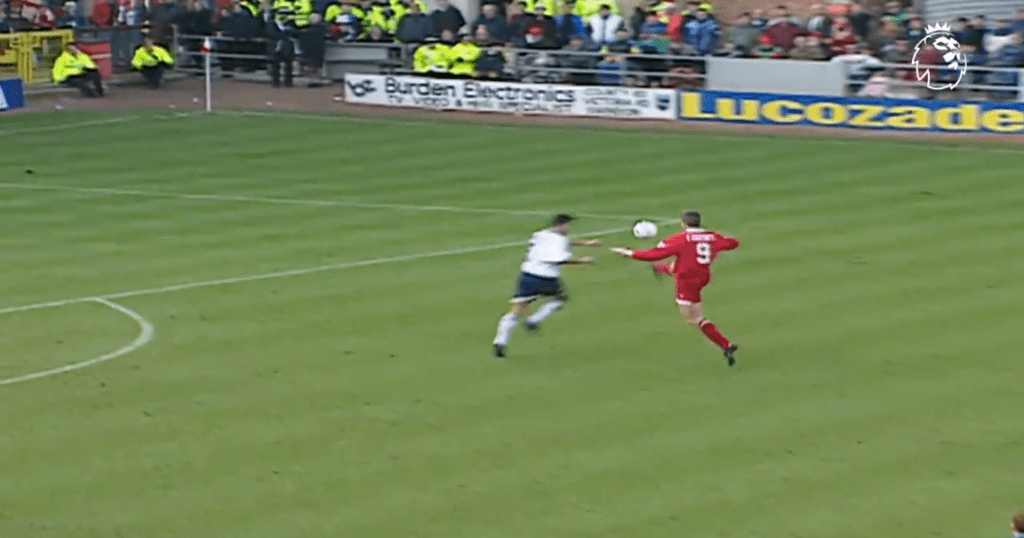
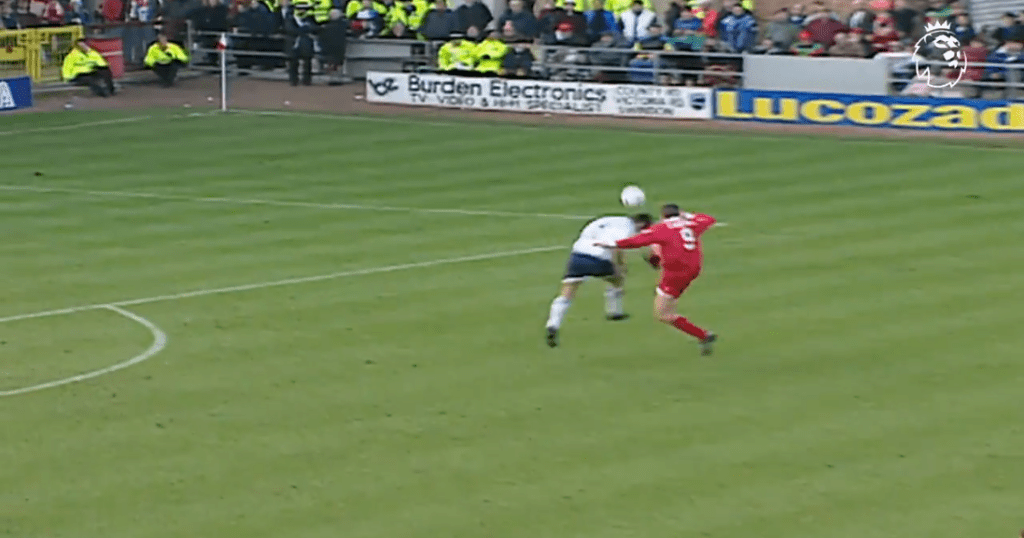
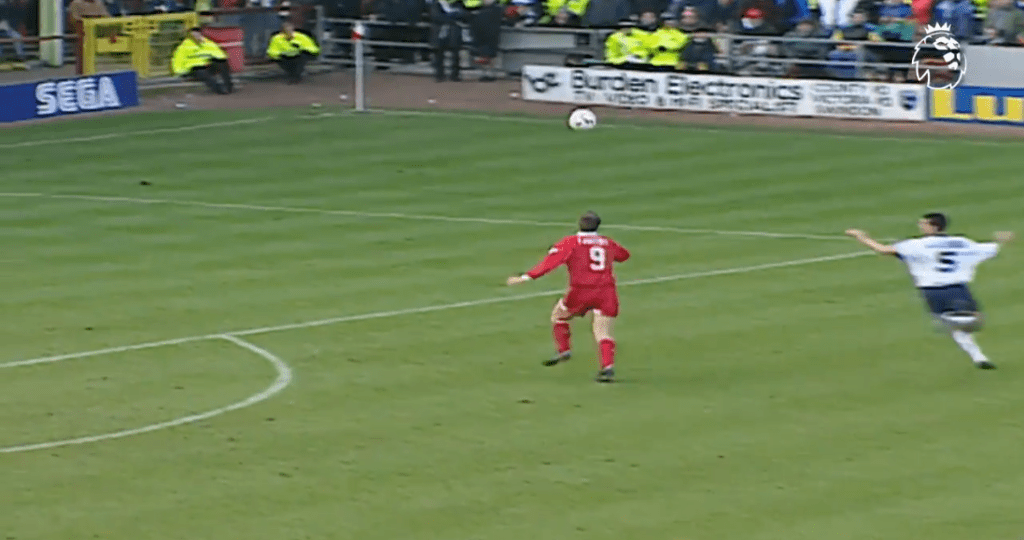
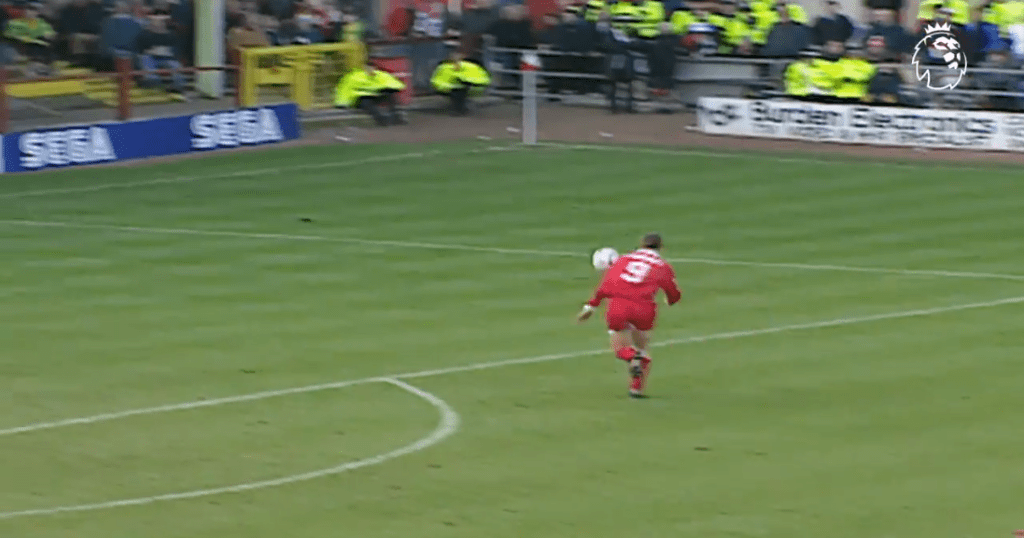
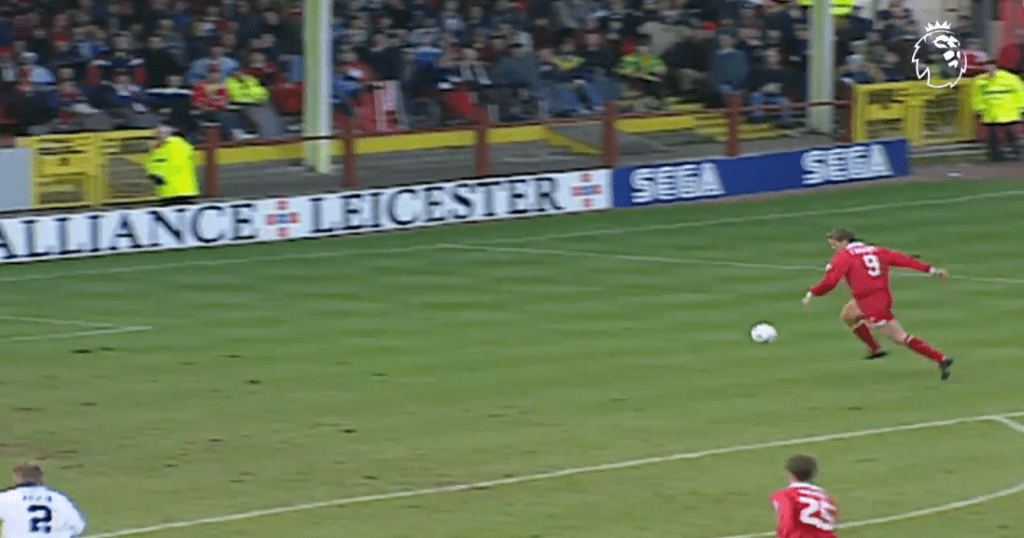
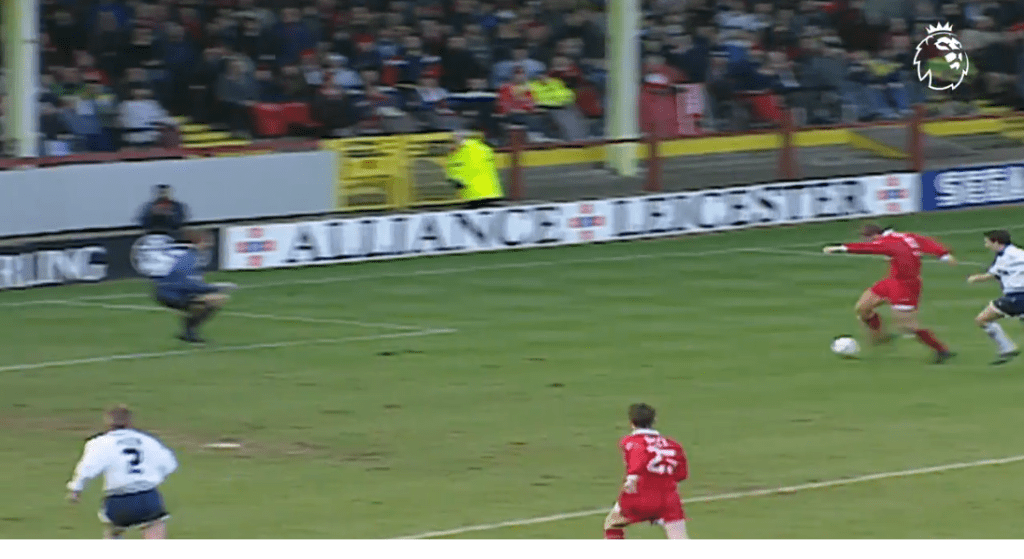
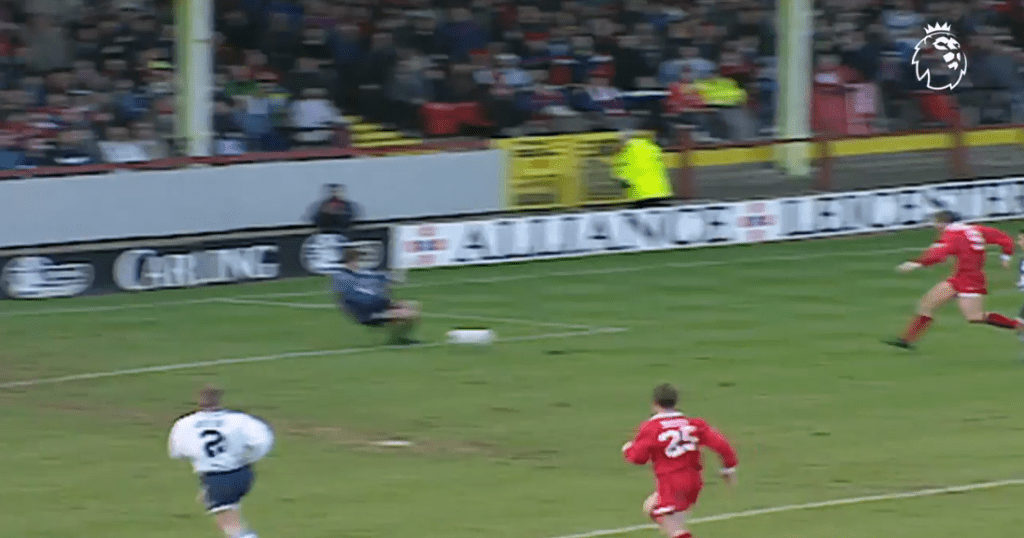
Despite losing goalkeeper Erik Thorstvedt to injury after 23 minutes, Spurs would be the team to open the scoring in the 30th minute. Tottenham’s two Darrens, Anderton and Caskey, would combine to find Nick Barmby in the box. After a coming together with Swindon goalkeeper Nick Hammond, Barmby would recover quickest to stroke the ball home and put Spurs 1-0 up. Eight minutes later, Swindon would equalise. From a goal kick, Andy Mutch would head the ball on for his strike partner, and Jan Åge Fjørtoft would flick the ball past Colin Calderwood and bring it down before slotting the ball inside the far post for his first Premiership goal. The home fans inside the County Ground would rise to their feet and applaud their record signing. After this, the score would remain tied until late in the game, even with John Gorman subbing on Paul Bodin and Keith Scott as Swindon pressed for a winner. In the 80th minute, Swindon would earn an indirect free kick inside the Spurs box. Paul Bodin would lay the ball off for Nicky Summerbee to blast a shot into a sea of bodies. As the ball rebounded off a Spurs player, Adrian Whitbread would scuff a rebound into the net for his first Swindon goal. The Robins would hold this lead and run out 2-1 winners, securing just their third league victory of the season and their first in seven matches.

To end the month, John Gorman would bring in goalkeeper Jon Sheffield on loan from Second Division Cambridge United for the rest of the season. Due to Fraser Digby’s injury, only youngster Shane Cook remained as cover for starter Nick Hammond, necessitating the need to bring in another goalkeeper, even temporarily.
Swindon would end January still bottom of the Premiership. However, the team were now four points from safety. A string of positive results from their next few matches could push them out of the relegation zone or at least aid their bid for Premier League survival. However, Swindon had played more games than many of the teams around them. Failing to match or better the results of their relegation rivals could end the Robins slowly being cast adrift.
| Position | Team | Played | Wins | Draws | Losses | GF | GA | GD | Points |
|---|---|---|---|---|---|---|---|---|---|
| 19th | Sheffield United | 27 | 4 | 10 | 13 | 22 | 42 | -20 | 22 |
| 20th | Manchester City | 25 | 4 | 9 | 12 | 21 | 32 | -11 | 21 |
| 21st | Oldham | 26 | 4 | 8 | 14 | 20 | 45 | -25 | 20 |
| 22nd | Swindon | 27 | 3 | 10 | 14 | 28 | 61 | -33 | 19 |
February
For the first time this season, Swindon Town would begin a new month with a victory. Given a one-week break due to their earlier exit from the FA Cup, Swindon would return to league action against Coventry City on 5th February. In their second consecutive home match, the Robins would record their second successive win. Against Coventry, Swindon would produce their best performance since the play-off final victory over Leicester the previous May. After breaking his league scoring duck in the Spurs victory two weeks earlier, Jan Åge Fjørtoft would spearhead the Swindon attack against a Coventry side who would head into the match having won three of their last six games.
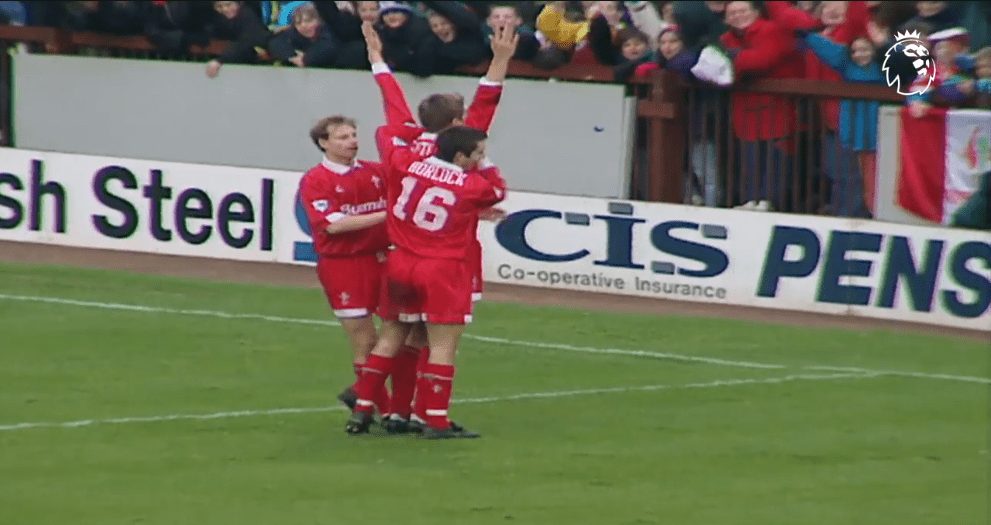
In the ninth minute, Jan Åge Fjørtoft would start to repay the £630,000 that the club had paid for his services the previous summer. From a Swindon corner, Adrian Whitbread’s pointed header would flick off the boot of Fjørtoft and into the air off the sprawled body of Coventry goalkeeper Steve Ogrizovic. The tall Norwegian striker would react quicker than the defenders standing on the goal-line to knock the ball into the net. In the 35th minute, the Norwegian striker would double his tally, squeezing a penalty past Ogrizovic despite the keeper getting a grasp on the ball. In the 53rd minute, the Sky Blues would pull a goal back through midfielder Julian Darby. David Rennie’s lifted ball would send Darby in behind the Swindon defenders, and the Englishman would flick the ball away from Nick Hammond before finishing with aplomb. However, this game belonged to Jan Åge Fjørtoft, and he would have the final say on the scoreline in the 85th minute. After being brought down in the box, he would dust himself down and send Ogrizovic the wrong way to complete his hat-trick and cap an impressive performance from the Robins. For the first time all year, Swindon had achieved back-to-back victories.
The Coventry win would see Swindon draw level on points with Sheffield United at the bottom of the Premiership. However, the club’s vastly inferior goal difference of -31 would keep them rooted in place for now. One week after experiencing the highest of highs, Swindon would experience a significant low when they travelled to Villa Park. For the fourth time, the Robins would concede five or more goals in a single Premiership match. On 12th February, Ron Atkinson’s Villans would defeat Swindon 5-0, with four of these goals coming after half-time. Only Dean Saunders’ 31st-minute effort would separate the two teams at half-time. However, Tony Daley would set up Steve Froggatt to double the lead 10 minutes after the break, and Dean Saunders would score a penalty to make it 3-0 in the 66th minute. Kevin Richardson would then add his name to the scoresheet before Saunders would nail another penalty to complete his hat-trick and ending a miserable debut for new Swindon goalkeeper Jon Sheffield. The Villa result would equal Swindon’s worst defeat of the season (5-0 against Liverpool).
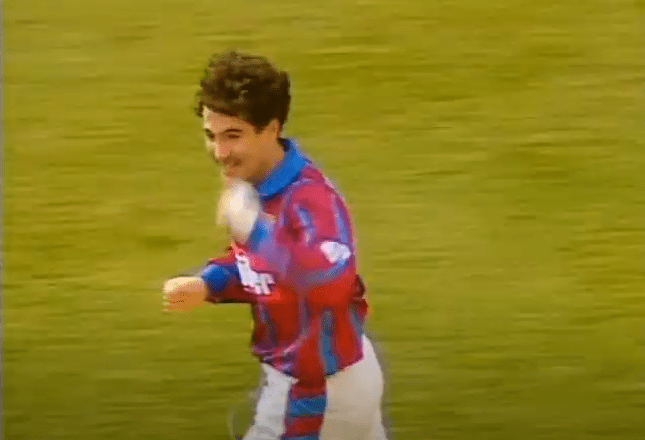
Despite the recent form of Jan Åge Fjørtoft, Swindon manager John Gorman would again turn to the transfer market to improve his side’s attack. He would sign Celtic striker Frank McAvennie on loan until the end of the season. Due to a change in management at Parkhead (former Swindon manager Lou Macari), the 34-year-old McAvennie would accept the offer to head down south for precious game time. The Glaswegian had plenty of top-flight experience, playing over 150 matches and scoring 49 goals for West Ham over two spells between 1985 and 1992. He had even won the First Division Golden Boot, netting 28 times during the 1985-86 season. The veteran would now compete with Jan Åge Fjørtoft, Keith Scott and Andy Mutch in Swindon’s forward line.
Around the same time, Craig Maskell would leave the Robins to return to former club Southampton for £250,000. Maskell had joined Swindon from Reading in a player-plus-cash exchange before the 1992-93 season. During Swindon’s successful promotion campaign, Maskell would top score for the Robins with 21 goals, including scoring in the play-off final win over Leicester. However, Maskell had found his opportunities limited in the Premiership, primarily due to the signings of Jan Åge Fjørtoft, Andy Mutch and Keith Scott. After three goals in 14 appearances (8 starts), Craig Maskell would head back to the club he first called home. With Maskell’s departure, Swindon Town’s forward line was now completely unrecognisable from the one that had earned promotion nine months earlier.
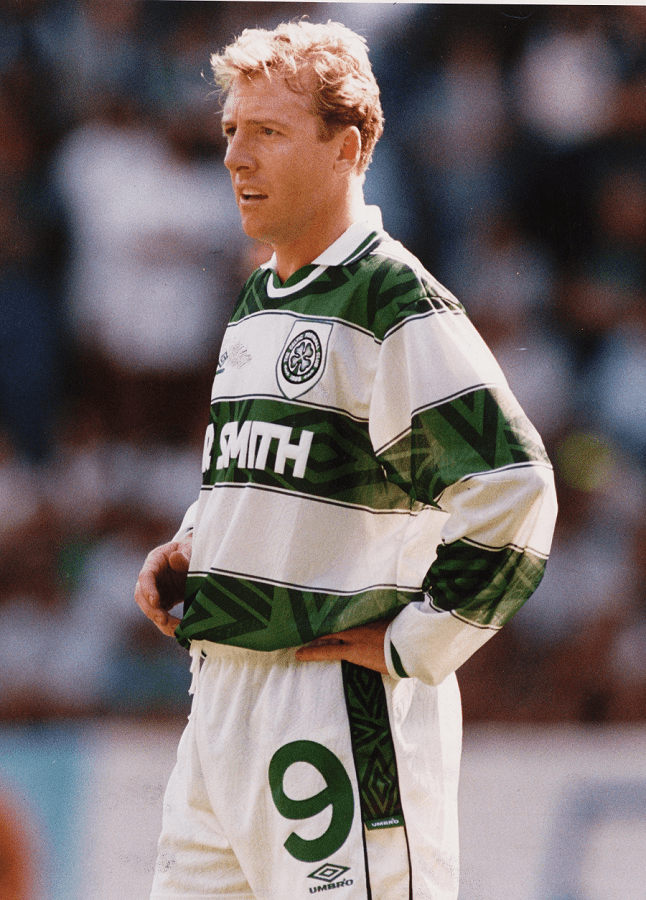

After experiencing conflicting emotions in their previous two matches, the Robins would complete the trifecta by playing out an entertaining 3-3 draw with 9th-placed Norwich on 19th February. Canaries striker Chris Sutton would put the visitors ahead inside 10 minutes, bumping Paul Bodin out of his way before cutting inside and sliding the ball into the far corner of the net for his 18th goal of the season. However, Swindon would equalise eight minutes later when centre-back Shaun Taylor poked the ball home from John Moncur’s free-kick. Norwich would re-take the lead four minutes before half-time as Rob Newman would finish from Sutton’s cross. However, Jan Åge Fjørtoft’s header in stoppage time would make sure the two teams headed into the changing rooms tied at two goals apiece. Five minutes into the second half, another Fjørtoft header would put Swindon 3-2 up, with the Norwegian striker having scored six goals in his last four games. Fans and players inside the County Ground were now hoping the Robins could hold on and earn a 5th Premiership win. However, with seven minutes remaining, Swindon keeper Nick Hammond would brilliantly save a long-range effort, only for the ball to hit the upright and bounce back into play. Midfielder Jeremy Goss would pounce to score Norwich’s third and end the match honours even.
After three notable results in their past three league matches, it seemed almost mundane that Swindon’s last game in February ended in a 2-1 defeat to Manchester City. However, after matching wits with higher-placed teams like Norwich and Coventry in recent weeks, it was a shame that Swindon could not get any points against fellow strugglers Manchester City, who had one win in ten heading into the game. Jan Åge Fjørtoft would give Swindon a 7th-minute lead at Maine Road. However, a Kevin Horlock own-goal and David Rocastle’s finish would give Francis Lee’s team just their sixth league win of the season. The defeat to Man City meant that Swindon was now seven points adrift of safety with eleven games remaining.
| Position | Team | Played | Wins | Draws | Losses | GF | GA | GD | Points |
|---|---|---|---|---|---|---|---|---|---|
| 19th | Manchester City | 30 | 6 | 11 | 13 | 25 | 38 | -13 | 29 |
| 20th | Oldham | 29 | 6 | 9 | 14 | 25 | 48 | -23 | 27 |
| 21st | Sheffield United | 29 | 4 | 11 | 14 | 24 | 45 | -21 | 23 |
| 22nd | Swindon | 31 | 4 | 11 | 16 | 35 | 72 | -37 | 23 |
March
John Gorman would begin March by signing another veteran to help out a Swindon team who were now staring down the barrel of relegation. To avoid such a likely fate, the Robins would need to start stringing together several positive results (mostly wins) over the next two months of action. Anything else would result in an immediate return to the second tier. To avoid this outcome, Gorman would sign Wimbledon midfielder Lawrie Sanchez on 2nd March. The man most notable for scoring the winning goal in the 1988 FA Cup Final had spent a decade at Wimbledon, becoming a key cog under multiple managers as the team rose from mid-table in the Second Division to regularly featuring in the upper reaches of the top flight. With seven-and-a-half years of First Division/Premier League experience under his belt, Lawrie Sanchez could guide Swindon’s crop of mostly second-tier midfielders.
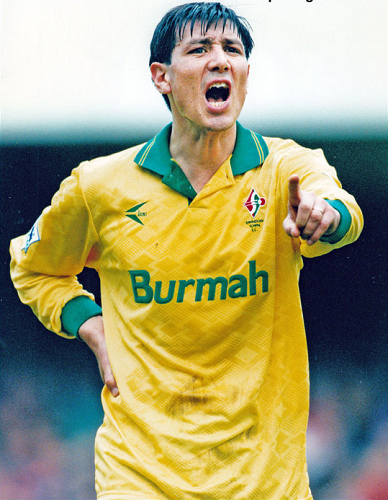
Three days after Sanchez’s arrival, Swindon would draw 1-1 with West Ham, their 12th tie of the season. Jan Åge Fjørtoft would score for the third game in succession, scoring late to cancel out Trevor Morley’s earlier effort, with both players registering their eighth goal of the campaign on this day. One week later, a trip to St James’s Park would result in Swindon’s heaviest defeat of the season. Braces from Peter Beardsley, Rob Lee and Steve Watson, plus one from Ruel Fox, would see the Magpies trounce the Robins 7-1 in front of 32,000 ecstatic home fans. The only positive for Swindon would come in the 77th minute when John Moncur’s quickly-taken free-kick outfoxed Pavel Srníček in the Newcastle goal to make the score 5-1. However, Newcastle would produce the biggest win of the entire 1993/94 season. After already suffering the biggest away win of the season (5-0 against Liverpool back in August), Swindon had now been on the end of the largest home win of the campaign.
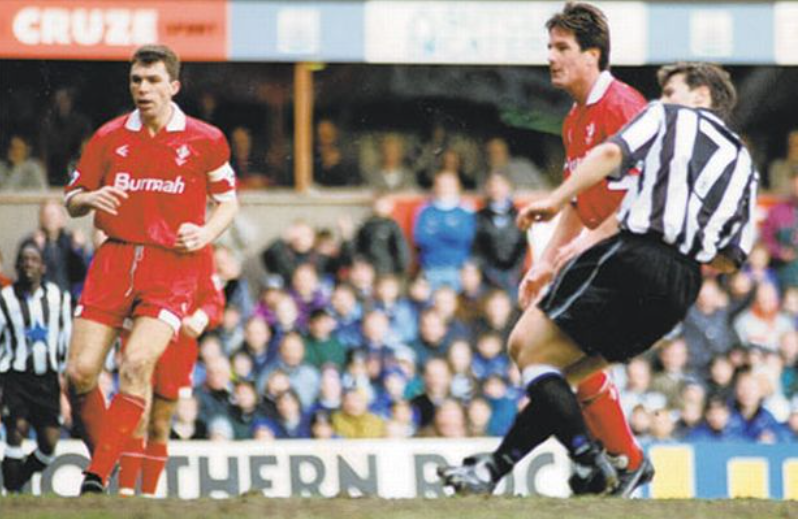
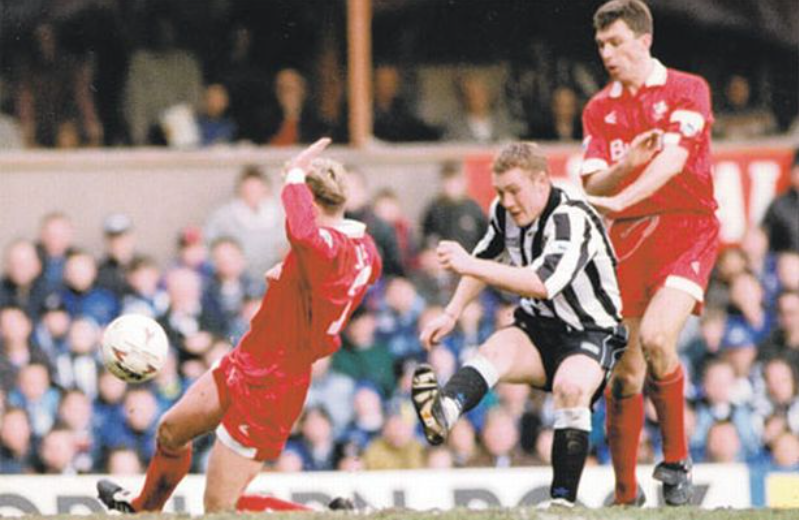
How would Swindon Town respond to such a heavy and demoralising defeat? By holding league leaders and defending champions Manchester United to a draw at the County Ground on 19th March. In September, the Robins had briefly threatened a tie with the Red Devils, only for the champions to hold their nerve and finish off the Premiership newcomers. Seven months later, John Gorman and his team would manage to take a point away from Alex Ferguson’s men. The fixture would produce Swindon’s largest home crowd of the entire season, with 18,102 getting through the turnstiles to see their team take on Eric Cantona, Mark Hughes and Peter Schmeichel.
The Premiership leaders would not take too long to show their quality. In the 13th minute, a Manchester United counter-attack would end with Mark Hughes crossing the ball for Roy Keane to head past Fraser Digby. However, in the 36th minute, United would fail to clear the ball, and defender Luc Nijholt would hit a deflected 25-yard effort past Peter Schmeichel for Swindon’s equaliser and his first goal for the club. At half-time, the Premiership’s bottom side was holding the reigning champions to a draw. Also, the Robins players were managing to get under the skin of the United players, notably Mark Hughes and the usually mild-mannered Roy Keane. Midway through the second half, Paul Ince’s right-footed effort from outside the box would re-establish Manchester United’s one-goal advantage. However, Swindon was not ready to sit down and take the loss. In the 66th minute, Eric Cantona would earn himself a straight red card for stamping on John Moncur, and Swindon would eventually punish the ten-man Red Devils. With seven minutes left, Peter Schmeichel could only punch a long ball into the path of Adrian Whitbread. Whitbread’s pass would pinball between Keith Scott and Lawrie Sanchez before Jan Åge Fjørtoft finally stabbed the ball home to secure a famous point for the Robins. Even though Swindon had now gone six matches without winning, the point against Manchester United meant that the team had not lost at home for two months.
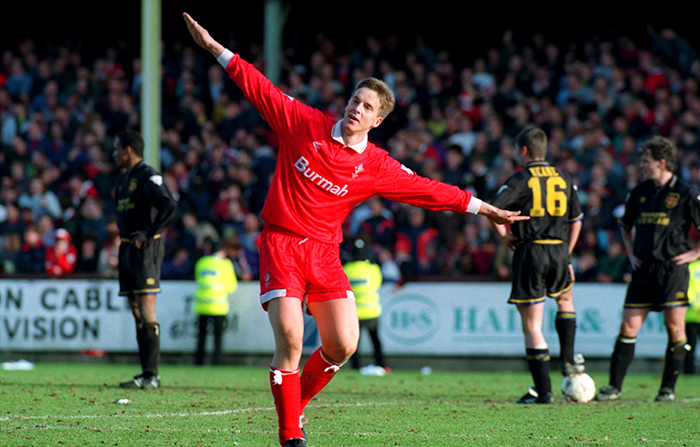
As was the case for much of the 1993-94 season, Swindon would follow impressive results with earth-shattering defeats. After drawing with Manchester United, the Robins would then lose 3-1 to the Red Devils’ title rivals Blackburn one week later. Jan Åge Fjørtoft’s looping 25-yard effort (his 10th of the season) would give Swindon a shock 4th-minute lead, only for a Tim Sherwood goal and an Alan Shearer brace to settle the match in Blackburn’s favour.
For the first time since October, Swindon would end March without winning a single game. Two draws and two defeats, coupled with better results for the teams around them, meant that Swindon was now nine points adrift of Premier League safety with seven games left to play. Barring a miraculous change in fortunes, Swindon would soon succumb to Premiership relegation.
| Position | Team | Played | Wins | Draws | Losses | GF | GA | GD | Points |
|---|---|---|---|---|---|---|---|---|---|
| 19th | Manchester City | 35 | 6 | 15 | 14 | 28 | 42 | -14 | 33 |
| 20th | Southampton | 34 | 9 | 6 | 19 | 34 | 49 | -15 | 33 |
| 21st | Sheffield United | 35 | 5 | 16 | 14 | 32 | 52 | -20 | 31 |
| 22nd | Swindon | 35 | 4 | 13 | 18 | 40 | 85 | -45 | 25 |
April
Despite their increasingly tricky situation, Swindon would still begin April by nicking a point against 4th-placed Arsenal at Highbury. After losing 4-0 at home to the Gunners earlier in the campaign, earning a draw against the multiple-time champions of England on their own patch would turn out to be one of the highlights of Swindon Town’s season. In the match, Alan Smith would give the Gunners an early lead only for Paul Bodin to level the score with his fifth successful penalty of the season after 29 minutes. However, two days later, a narrow 1-0 defeat to Sheffield Wednesday would not only see Swindon lose at home for the first time in six matches, but the result would also leave John Gorman’s team 12 points from safety with just five matches remaining. Anything other than a win in their next game against 16th-placed Ipswich could lead to Swindon Town suffering Premiership relegation with four games to spare.
Needing a win at Portman Road, Jan Åge Fjørtoft’s 11th goal of the season would put Swindon ahead inside 15 minutes. However, Ipswich would equalise 15 minutes into the second half through striker Ian Marshall. Knowing a draw may not be enough, manager John Gorman would throw on Andy Mutch and Frank McAvennie for Lawrie Sanchez and Nicky Summerbee, meaning that Swindon was effectively playing a 4-2-4. However, try as they might, the Robins could not find a way past the Ipswich backline. Swindon would leave Portman Road with their 15th draw of the season. The news would soon reach them that Southampton had beaten Blackburn 3-1 at The Dell, putting a twelve-point gap between themselves and John Gorman’s men. Even at this point, Swindon Town was still mathematically in the Premiership. However, a goal difference of -46 now made any chance at Premiership survival highly unlikely. An improbable four wins and an unanswered 32-goal swing could only save Swindon now, but those events playing out would have made for the greatest moment in football history.
If the draw against Ipswich hadn’t relegated Swindon, a 4-2 defeat at home to Wimbledon would only serve to dot the i’s and cross the t’s of that particular fact. John Fashanu’s lofted 30-yard effort in the 13th minute would give the Crazy Gang a 1-0 half-time advantage, but Nicky Summerbee would equalise for Swindon in the 67th minute. Not wanting a draw, Robbie Earle’s brace would put Wimbledon 3-1 ahead with 15 minutes remaining. A Warren Barton own-goal would give Swindon faint hope of an unlikely draw, only for Dean Holdsworth to quash those hopes a minute later and confirm Swindon’s Premiership relegation with three games to spare.
With four wins from 38 matches, the Robins had always lagged behind the rest of the Premiership. This truth was confirmed in front of their own fans at the County Ground on 23rd April 1994. All the team could do now was play for pride in their final three matches against Chelsea, QPR and Leeds and hope for the best from these games.
Four days after losing their Premiership status, Swindon would travel to Stamford Bridge to face Glenn Hoddle’s Chelsea team. How different Swindon’s season may have been if Glenn Hoddle was still in charge? Goals from Dennis Wise (pen) and Darren Peacock would give Chelsea a 2-0 win, guaranteeing their Premiership safety for another season.
On 30th April, Swindon would face Queens Park Rangers at Loftus Road (now the Kiyan Prince Foundation Stadium). Back in November, Keith Scott’s goal had given Swindon their first-ever top-flight victory. With nothing left to lose, could Swindon do the double over Gerry Francis’s Hoops? Sixty-three minutes of the 90 would pass before Swindon eventually broke the deadlock. From a free-kick near the by-line, John Moncur would deliver a teasing ball across the face of goal, and Shaun Taylor would head home. QPR’s equaliser would also come from a free-kick: Ray Wilkins finding Les Ferdinand, who would need two touches to score his 16th goal of the season. However, the scores would remain tied for only five minutes, as Jan Åge Fjørtoft would put Swindon 2-1 up, scrambling the ball home after Keith Scott’s earlier effort had hit the post. Then, in the 90th minute, Nicky Summerbee would turn and fire home Swindon’s third after collecting Paul Bodin’s pass. Swindon would seal their 5th win of the season. They had done the double over Queens Park Rangers, and the victory at Loftus Road was the team’s first win to come away from the County Ground.
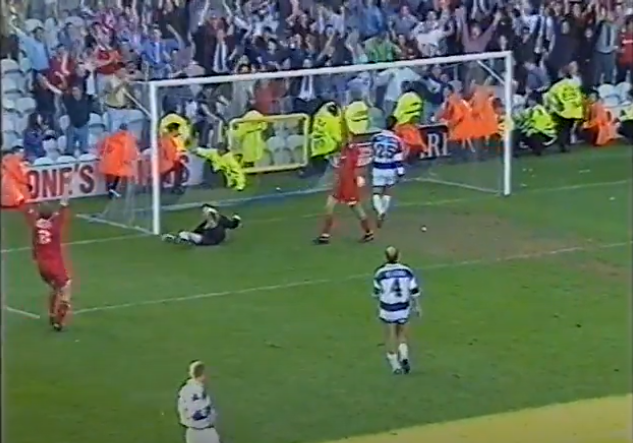
Even though Swindon ended April knowing their time in the Premier League was now over, they could use the final match of the season against Leeds to start preparing for life in the First Division.
| Position | Team | Played | Wins | Draws | Losses | GF | GA | GD | Points |
|---|---|---|---|---|---|---|---|---|---|
| 19th | Sheffield United | 40 | 8 | 17 | 15 | 39 | 56 | -17 | 41 |
| 20th | Everton | 41 | 11 | 8 | 22 | 39 | 61 | -22 | 41 |
| 21st | Oldham | 39 | 9 | 11 | 19 | 40 | 64 | -24 | 38 |
| 22nd (R) | Swindon | 41 | 5 | 15 | 21 | 47 | 95 | -48 | 30 |
May
Swindon would avoid the five-way relegation battle involving Southampton, Sheffield United, Ipswich, Everton and Oldham. However, the Robins would still have to face 5th-placed Leeds United on the final day of the Premiership season. Leeds had convincingly beaten Swindon 3-0 in late November, and unfortunately for Robins fans inside the County Ground on 1st May, the result would not get any better six months later. Manager John Gorman would hand rare starts to Andy Thomson in defence and Ty Gooden in midfield. He would even select Leyton Orient loanee Paul Heald to start in goal ahead of Fraser Digby and Nick Hammond, making Heald the fourth different keeper to start a Premiership match for Swindon during the 1993-94 season. On this day, Swindon Town’s starting line-up would be:
| Position | Number | Player |
|---|---|---|
| GK | 34 | Paul Heald |
| RB | 19 | Andy Thomson |
| CB | 6 | Shaun Taylor (capt.) |
| CB | 14 | Adrian Whitbread |
| LB | 3 | Paul Bodin |
| RM | 2 | Nicky Summerbee |
| CM | 16 | Kevin Horlock |
| CM | 7 | John Moncur |
| LM | 28 | Ty Gooden |
| FW | 27 | Keith Scott |
| FW | 9 | Jan Åge Fjørtoft |
Even with their best team, Swindon was no match for Leeds United. With three new faces in the squad for this reverse fixture, Swindon’s chances of winning would decrease drastically. In the eighth minute, Brian Deane would finish off Rod Wallace’s pull-back to open the scoring. Twenty minutes later, David White’s first-time finish inside the box would double Leeds’s advantage. After the break, Leeds’s third goal would mirror the first with the roles reversed, as Brian Deane would feed Rod Wallace to score his 17th of the season. In the 67th minute, Deane would score his second goal, finishing a quick counter-attack by volleying home Noel Whelan’s pull-back from the by-line. Finally, in the 90th minute, centre-back Chris Fairclough would get in on the act, sliding home to score Leeds’s fifth and end Swindon’s torment. Leeds would run out 5-0 winners at the County Ground, finishing 5th in the Carling Premiership standings.
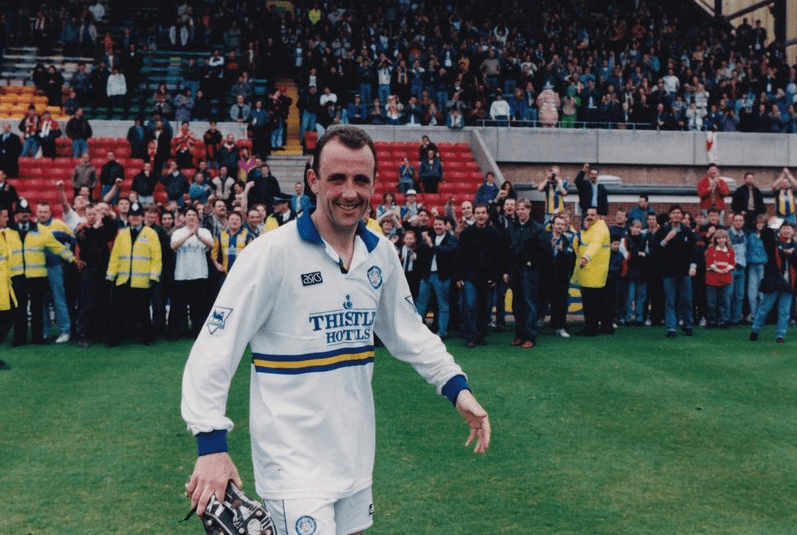
Fairclough’s goal would be the 100th goal that Swindon had conceded during the 1993-94 season, a Premier League record that no team will ever break. In addition, by putting five unanswered goals past Swindon at the County Ground, Leeds had equalled Liverpool in producing the biggest away win of the season. Paul Heald would replicate Jon Sheffield in conceding five goals on his Swindon Town league debut. The Leeds defeat would also mark the sixth time Swindon conceded five or more goals in a single Premier League match and the seventeenth time they conceded three or more. These seventeen games would produce 72 out of the 100 goals that Swindon would eventually concede over the whole season.
After a difficult season, Swindon Town’s sole Premier League campaign would end with a whimper.
| Position | Team | Played | Wins | Draws | Losses | GF | GA | GD | Points |
|---|---|---|---|---|---|---|---|---|---|
| 19th | Ipswich | 42 | 9 | 16 | 17 | 35 | 58 | -23 | 43 |
| 20th (R) | Sheffield United | 42 | 8 | 18 | 16 | 42 | 60 | -18 | 42 |
| 21st (R) | Oldham | 42 | 9 | 13 | 20 | 42 | 68 | -26 | 40 |
| 22nd (R) | Swindon | 42 | 5 | 15 | 22 | 47 | 100 | -53 | 30 |
Stats and Figures
Swindon Town 1993-94 Carling Premiership record
| Position | Matches | Wins | Draws | Losses | Goals For | Goals Against | GD | Points |
|---|---|---|---|---|---|---|---|---|
| 22nd (R) | 42 | 5 | 15 | 22 | 47 | 100 | -53 | 30 |
Swindon Town would remain remarkably consistent across both halves of the 1993-94 season. In their first 21 matches, Swindon would win two, draw eight and lose eleven. They would score 19 goals and concede 43, producing a goal difference of -24. These first 21 matches would earn Swindon 14 points. In their second 21 games, the team would win three, draw seven and lose eleven. They would score 28 goals but conceded 57 with a goal difference of -29. This second set of 21 matches would produce 16 points for Swindon. Therefore, even though Swindon were better in attack during the second half of the season, they were worse in defence. Even though the first half of the season saw the team lose 5-1 to Southampton, 5-0 to Liverpool, 4-2 to Manchester United and 4-0 to Arsenal, the second half would see Swindon lose 4-2 to Wimbledon, 5-0 to both Aston Villa and Leeds, 6-2 to Everton and 7-1 to Newcastle.
1993-94 Swindon Town Premiership season- First 21 matches
| Matches | Wins | Draws | Losses | GF | GA | GD | Points |
|---|---|---|---|---|---|---|---|
| 21 | 2 | 8 | 11 | 19 | 43 | -24 | 14 |
1993-94 Swindon Town Premiership season- Second 21 matches
| Matches | Wins | Draws | Losses | GF | GA | GD | Points |
|---|---|---|---|---|---|---|---|
| 21 | 3 | 7 | 11 | 28 | 57 | -29 | 16 |
Players would score more hat-tricks against Swindon Town than any other team during the 1993-94 Premiership season. On three separate occasions in consecutive months, Kevin Campbell (Arsenal 4 Swindon 0, 27th Dec), Tony Cottee (Everton 6 Swindon 2, 15th Jan) and Dean Saunders (Aston Villa 5 Swindon 0, 12th Feb) would all complete the feat by filling their boots against the Robins.
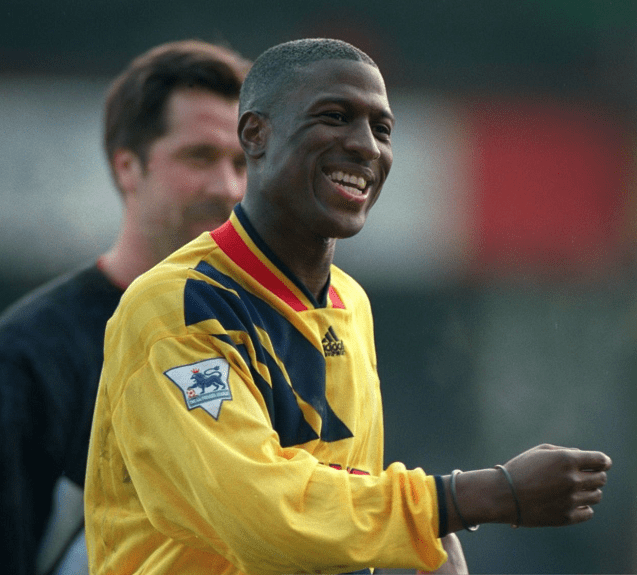
In 42 Premiership matches, Swindon Town would keep four clean sheets. Only one of these clean sheets would come in a win, the club’s 1-0 victory over QPR on 24th November, with the other three coming in goalless draws against Norwich (28th August), West Ham (11th September) and Sheffield United (4th December). After the 0-0 draw with Sheffield United, Swindon would go 24 consecutive matches without producing a shutout. Therefore, Swindon Town would not keep a single clean sheet during the second half of the 1993-94 Premiership season.
Aside from Swindon, only four other Premiership clubs- Liverpool (9), Tottenham (7), Oldham and Southampton (both 6)- would fail to reach double figures in terms of clean sheets. Of these teams, only Liverpool, who had the sometimes accident-prone pairing of Bruce Grobbelaar and David James between the sticks, would finish in the top half of the table. On the other hand, only Oldham would join Swindon in getting relegated after keeping fewer than ten clean sheets. The other relegated side, Sheffield United, would finish with twelve, while fellow strugglers Everton and Ipswich would produce eleven and fourteen, respectively.
Three of the four goalkeepers used by John Gorman throughout the 1993-94 Premiership season would fail to keep a single clean sheet. In a combined 17 matches, Nick Hammond (13), Jon Sheffield (2) and Paul Heald (2) would not post a single shutout between them. All four of Swindon Town’s Premiership shutouts would come with regular starter Fraser Digby protecting the net. It is easy to see why John Gorman was keen to invest in a new goalkeeper whenever Digby was unavailable to play.
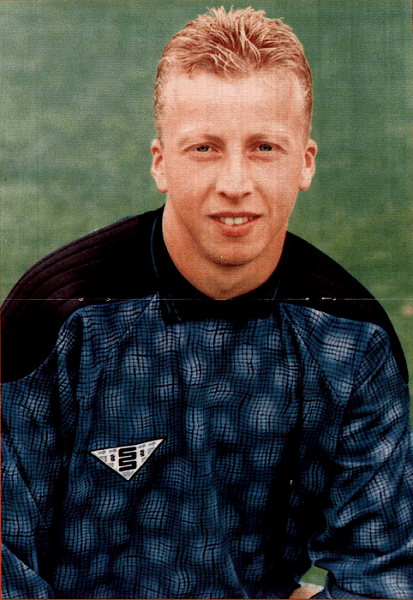
Nick Hammond (13 appearances) 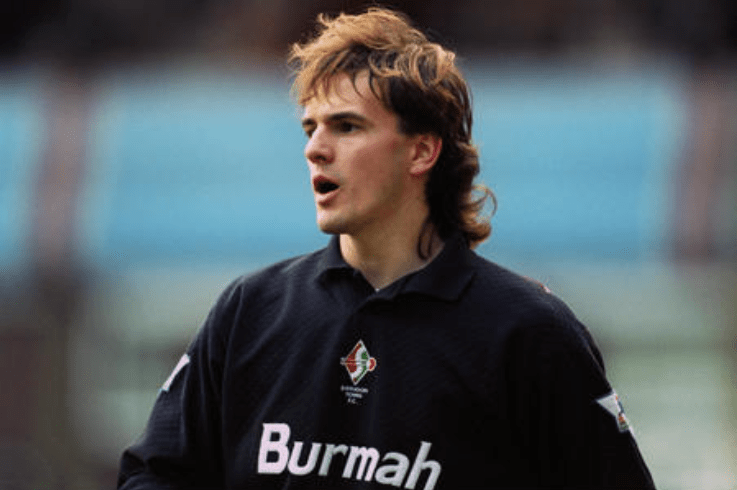
Jon Sheffield (2 appearances) 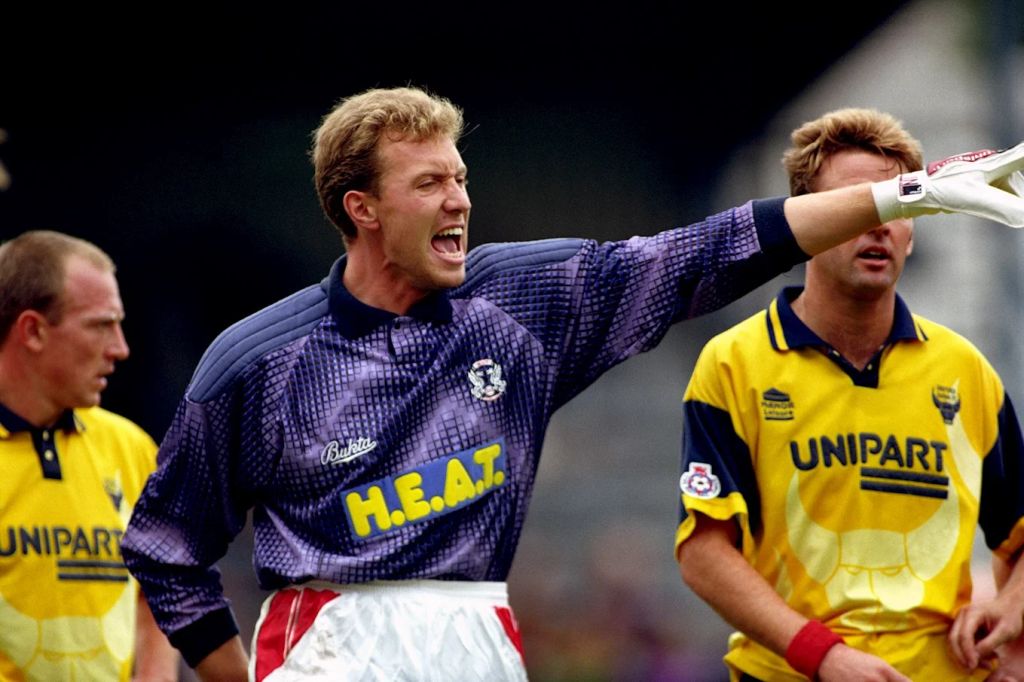
(Paul Heald (2 appearances) 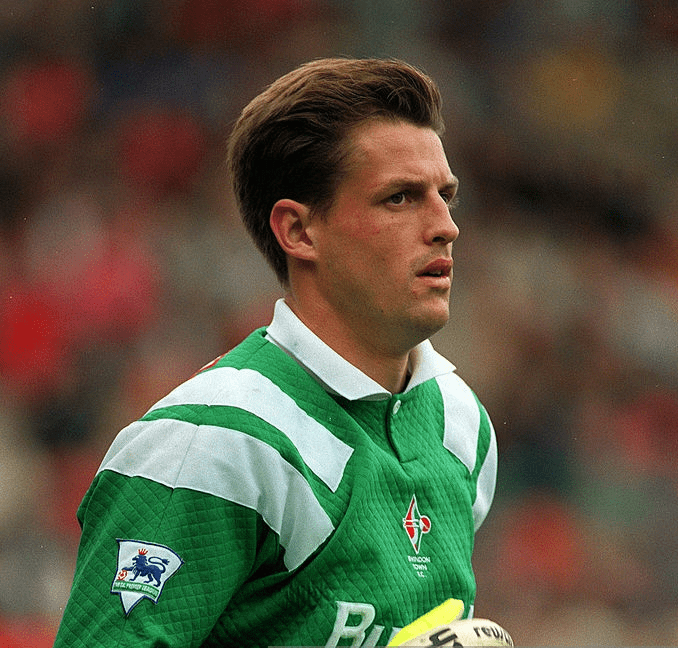
Fraser Digby (28 appearances)
While struggling to keep goals out of the net proved to be a constant problem for Swindon during the 1993-94 season, they didn’t possess too many issues when scoring them. John Gorman’s team would score 47 goals in 42 Premiership matches. This goal tally would put them equal 16th in the Premiership goal standings, level with West Ham (47, 13th) but ahead of Coventry (43, 11th), Everton (42, 17th), Sheffield United (42, 20th), Oldham (42, 21st), Manchester City (38, 16th) and Ipswich (35, 19th). In addition, Swindon would only fail to score in 12 out of 42 league matches, a stat which they would share with 4th-placed Arsenal, but would boast better numbers in than nine of the Premiership’s bottom twelve sides for 1993-94 (Aston Villa, Coventry, West Ham, Manchester City, Everton, Southampton, Ipswich, Sheffield United and Oldham).
However, while Swindon would score goals more regularly than the teams around them in the Premiership standings, Swindon would produce the third-lowest amount of goalscorers for the 1993-94 season. Only goal-shy Coventry and Matt Le Tissier-reliant Southampton would have fewer unique goalscorers than the eleven players that would score for Swindon during the 1993-94 season. Of the Swindon scorers, striker Jan Åge Fjørtoft would top score for the Robins with 12 goals, becoming the only Swindon player to hit double figures during this season. However, Fjørtoft, fellow striker Andy Mutch and left-back Paul Bodin would be the only members of John Gorman’s squad to score more than five goals in the team’s Premiership campaign. Only Everton and Ipswich (2) would have fewer players reach this mark. Taking penalties out of the equation, only Fjørtoft (10) and Mutch (6) would score five or more goals from open play.
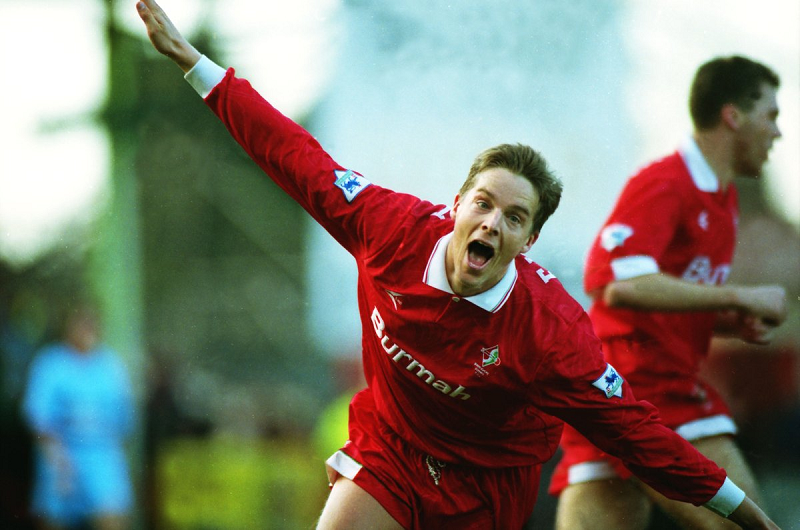
Forwards would provide 25 of Swindon’s 47 goals, with Jan Åge Fjørtoft, Andy Mutch, Keith Scott (4) and Craig Maskell (3) all finding the net. All of these men would blow hot and cold at different points through the campaign. After failing to find the net in his first 19 matches, Jan Åge Fjørtoft would finish the season by scoring 12 goals in 17 appearances. In comparison, Keith Scott would register four goals in his first seven matches after joining the club in November only to draw a blank after netting in Swindon’s 2-1 win over Southampton on 18th December. Finally, Andy Mutch would net twice in September, twice in December and twice in January before failing to score for the rest of the season.
After the forwards, Swindon’s defenders outscored the midfield, producing 13 goals. Paul Bodin’s number (7) accounts for half of these goals, but Shaun Taylor would prove an infrequent scorer (4) and Luc Nijholt and Adrian Whitbread (one each) would both score their first Swindon goals during this season. Finally, and disappointingly, the Swindon midfield would only contribute eight goals during the 1993-94 Premiership season. John Gorman would use eight different midfielders during this season. However, only John Moncur (4), Nicky Summerbee (3) and Martin Ling (1) would find the net. In fact, despite playing 38 matches during the 1993-94 season, Kevin Horlock’s only goal would come against his own team as he would score an own goal in Swindon’s 2-1 defeat to Manchester City on 25th February.
Swindon Town’s defence did contain a permanent leak during the 1993-94 Premiership season. However, they were capable of remaining competitive in a match, even in a losing effort, scoring more goals than you would expect from a team constantly threatened by the threat of relegation. Still, Swindon would need to rely on certain key players (mostly Jan Åge Fjørtoft) to provide these goals. If these players did not step up, then Swindon, not being able to rely on a watertight defence, would sometimes find themselves losing, and losing heavily, to the division’s medium-hitters.
Every Swindon Town Premiership goalscorer, 1993-94
| Position | Player | Goal Tally |
|---|---|---|
| FW | Jan Åge Fjørtoft | 12 (two pens) |
| LB | Paul Bodin | 7 (six pens) |
| FW | Andy Mutch | 6 |
| CB | Shaun Taylor | 4 |
| MF | John Moncur | 4 |
| FW | Keith Scott | 4 |
| MF | Nicky Summerbee | 3 |
| FW | Craig Maskell | 3 (1 pen) |
| DF | Adrian Whitbread | 1 |
| DF | Luc Nijholt | 1 |
| MF | Martin Ling | 1 |
| Own Goal | 1 |
| Goals from forwards | 25 |
| Goals from midfield | 8 |
| Goals from defence | 13 |
Even though Swindon would record the fewest victories of any team during the 1993-94 season with five, they would not end up with the most defeats. Swindon’s 22 losses would put them second-bottom in the defeats statistics with Everton, but ahead of Southampton’s 23 losses. Why didn’t Swindon have the most Premiership defeats despite finishing the season ten points adrift at the bottom of the table? The Robins would register 15 draws throughout the campaign, putting them 8th in the standings behind Arsenal (19, 4th), Manchester City (16th) and Sheffield United (21st) (both 18), Norwich (17, 12th), Leeds (5th), Sheffield Wednesday (7th) and Ipswich (19th) (all 16).
You can view this significant number of draws either way in regards to Swindon’s season. If the team had turned more of these draws into wins, the team might have had a better chance at survival or even successfully stayed up. However, some of these 15 draws came against Manchester United, Newcastle, Arsenal, Liverpool and Sheffield Wednesday, five of the teams that finished in the top 8. Aside from Sheffield Wednesday, these teams would record heavy defeats against Swindon in the reverse fixtures. If these higher-placed teams had managed to do the double over John Gorman’s side, then Swindon would have been relegated much earlier than 23rd April. These 15 draws can be used to show Swindon’s inability to finish a team off, but they can also show the team’s resiliency against and unwillingness to give up the cause.
John Gorman would sign thirteen players during the 1993-94 season. Ten of these would come while the season was in progress. However, despite signing at least two players in every position during Swindon’s Premiership campaign, Gorman would often select the same bunch of players to start each of the Robins’ league matches. Across the 42 games, the Swindon manager would use a total of 26 players. However, since Swindon’s starting XI rarely changed, a total of ten players would end the season with over 30 Premiership appearances to their name. These players were defenders Shaun Taylor, Adrian Whitbread, Luc Nijholt and Paul Bodin, midfielders Nicky Summerbee, John Moncur, Martin Ling and Kevin Horlock and striker Andy Mutch and Jan Åge Fjørtoft. Of these ten players, seven (Taylor, Whitbread, Nijholt, Summerbee, Moncur, Horlock and Fjørtoft) would make over 30 starts. Goalkeeper would be the only position not to see a Swindon player hit 30 appearances, as John Gorman used a total of four goalkeepers throughout the season. Despite an injury, regular first-choice Fraser Digby would come closest to the mark with 28 appearances.
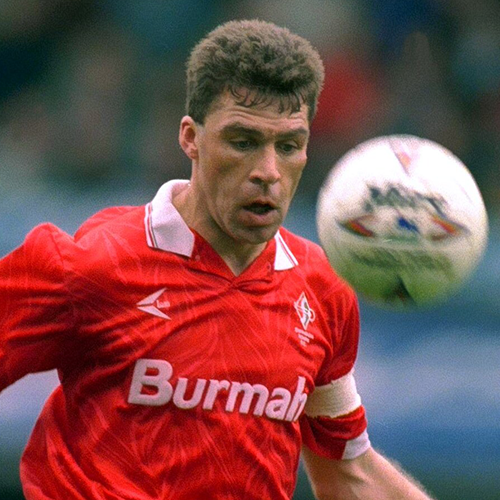
Shaun Taylor 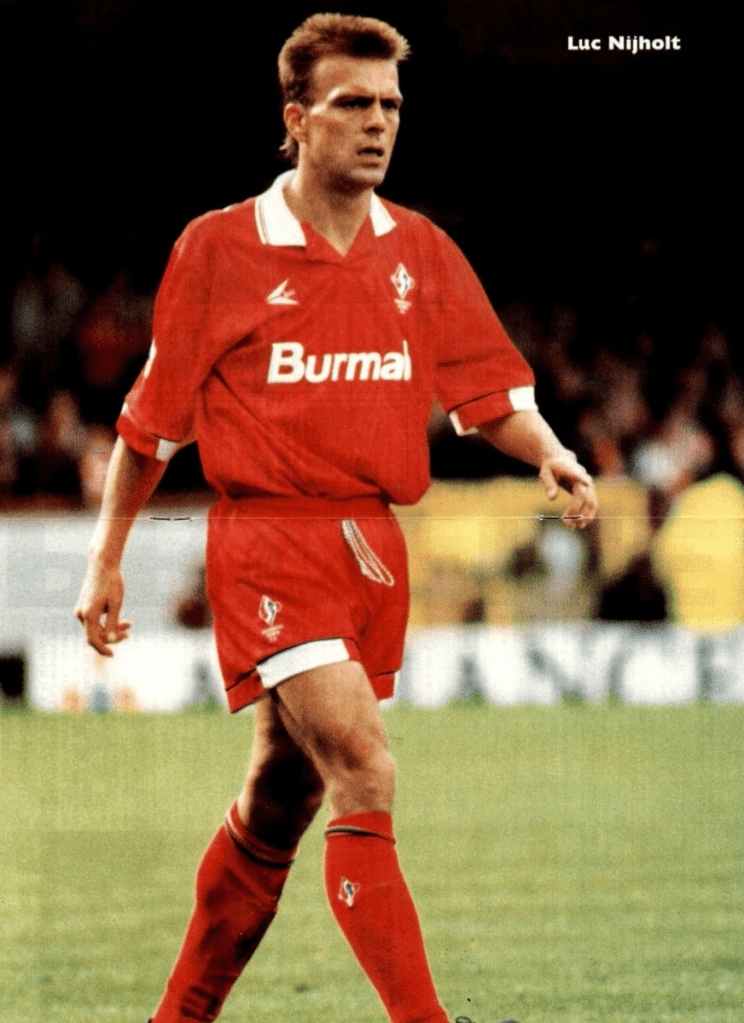
Luc Nijholt 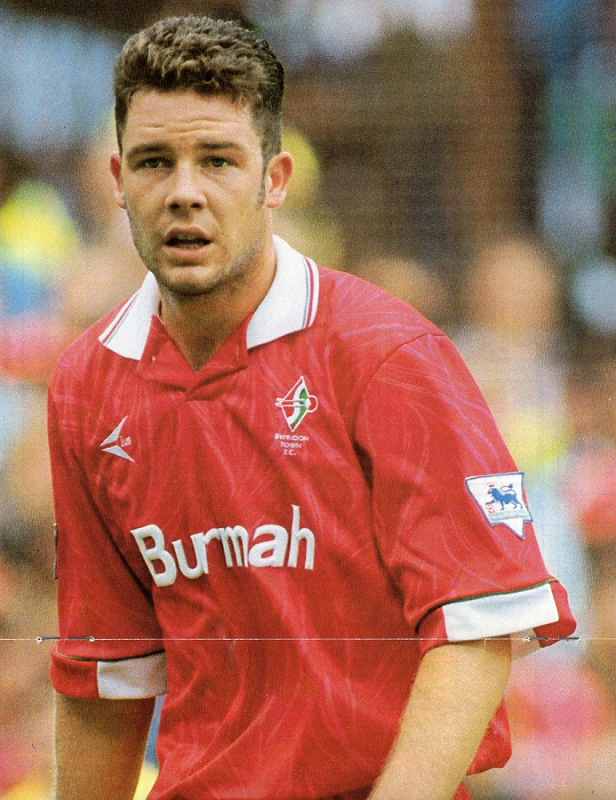
Adrian Whitbread 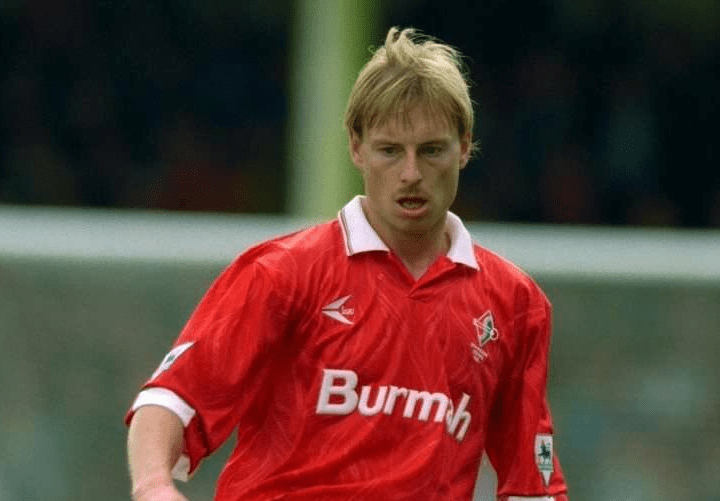
Paul Bodin 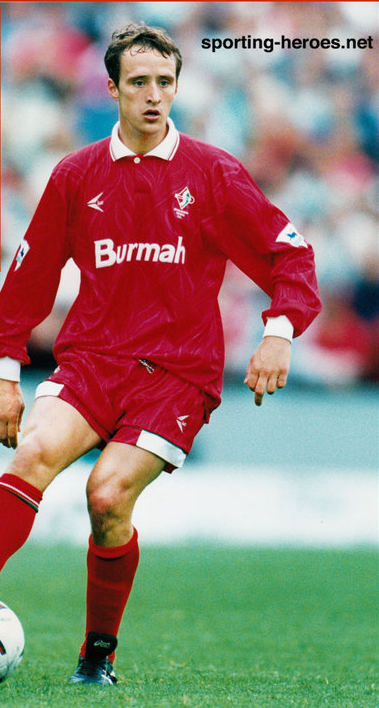
Nicky Summerbee 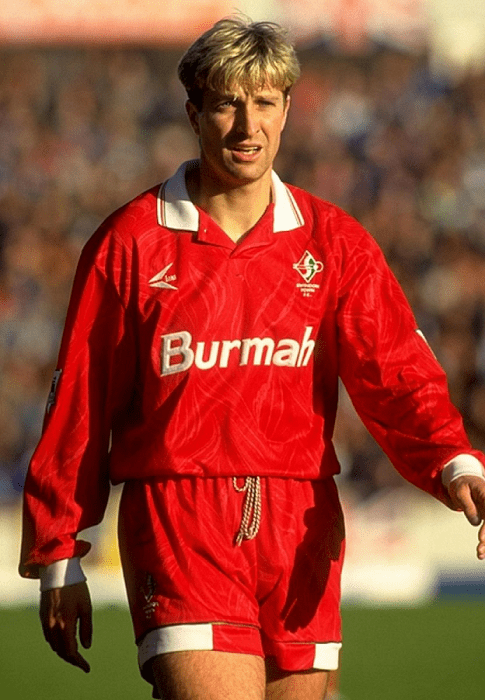
John Moncur 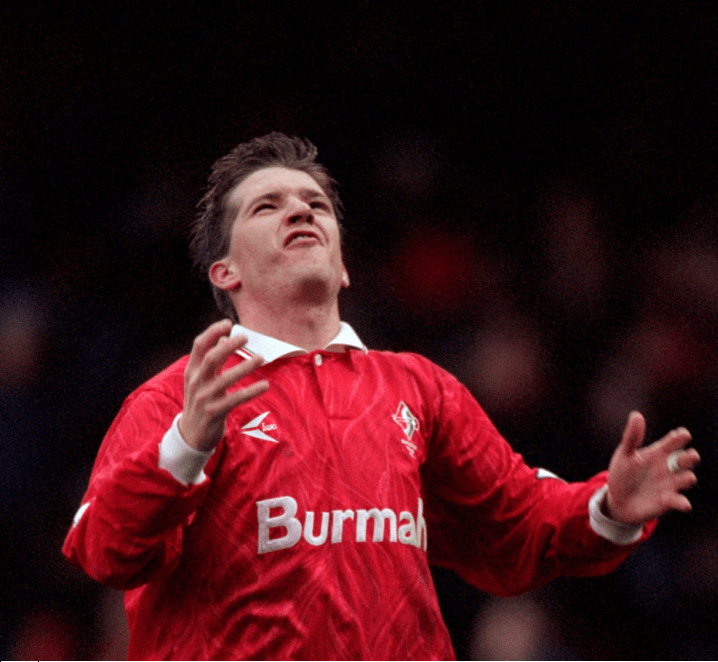
Martin Ling 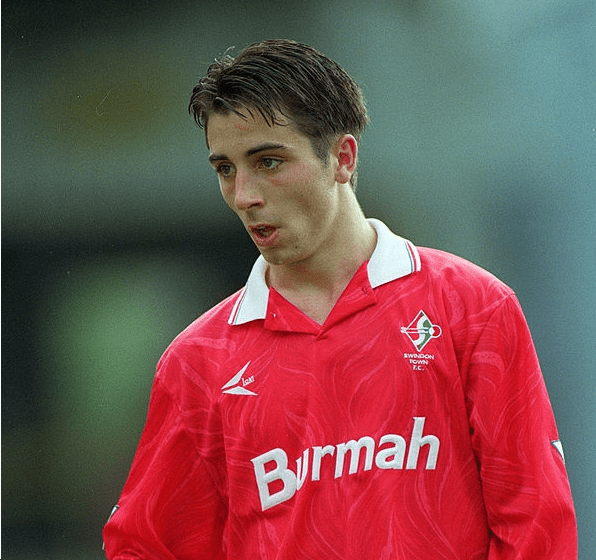
Kevin Horlock 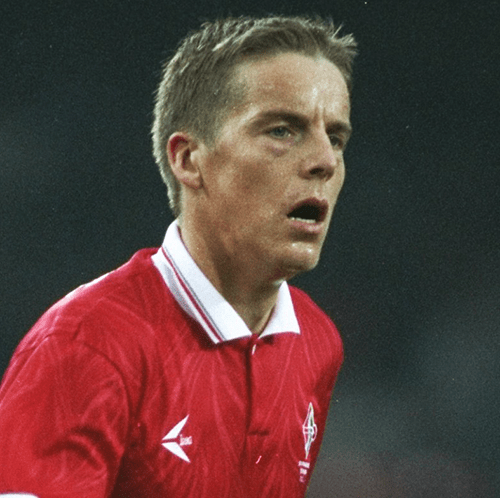
Jan Åge Fjørtoft 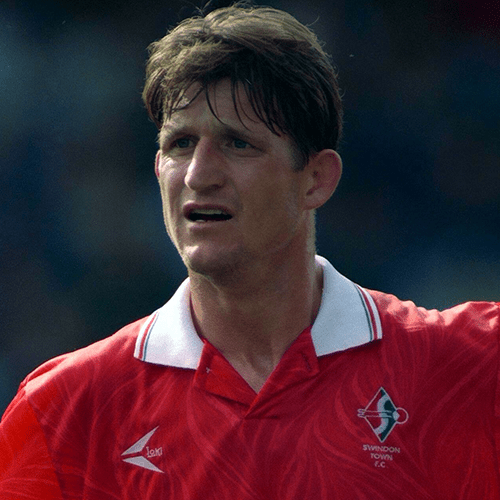
Andy Mutch
However, despite keeping a fairly settled starting line-up throughout the season, John Gorman would give each of his new signings a chance to prove themselves in the first team. Except for Stewart Kerr, a goalkeeper signed on loan from Celtic late in the campaign, all Gorman’s signings would get minutes starting in the first team. While summer signings Adrian Whitbread, Luc Nijholt, Andy Mutch and Jan Åge Fjørtoft would hold down places in the starting XI for much of the season, players signed during the season quickly became first-team regulars after signing for the club. Keith Scott would join Swindon from Wycombe Wanderers on 18th November. He would start, play the full 90 and score on his debut against Ipswich two days later. Keith Scott would miss just two matches after this point, with twenty-one of his twenty-six appearances coming from the start. After signing from Newcastle in January, Brian Kilcline would start in 10 of Swindon’s final 16 matches of the season, completing the full 90 minutes in all of them. Even though he joined the club as late as March, Lawrie Sanchez would appear in eight out of nine league games, starting important matches against Manchester United, Blackburn, Arsenal and Sheffield Wednesday. Despite not wanting to disrupt a settled team too much, John Gorman was willing to shake things up with a brand new face or two and see how they performed within the side.
However, any half-decent player who was willing to aid Swindon in their fight against Premiership relegation was probably going to be thrust straight into the starting XI to see what effect this move had on the team’s overall form.
1993-94 Swindon Town Carling Premiership Squad
| Position | No. | Player Name | PL Apps | Goals |
|---|---|---|---|---|
| GK | 1 | Fraser Digby | 28 | 0 |
| GK | 23 | Nick Hammond | 13 | 0 |
| GK | 29 | Shane Cook | 0 | 0 |
| GK | 30 | Stewart Kerr | 0 | 0 |
| GK | 34 | Paul Heald | 2 | 0 |
| GK | 40 | Jon Sheffield | 2 | 0 |
| DF | 3 | Paul Bodin | 32 | 7 |
| DF | 5 | Luc Nijholt | 32 | 1 |
| DF | 6 | Shaun Taylor | 42 | 4 |
| DF | 14 | Adrian Whitbread | 36 | 1 |
| DF | 15 | Adrian Viveash | 0 | 0 |
| DF | 19 | Andy Thomson | 1 | 0 |
| DF | 20 | Wayne O’Sullivan | 0 | 0 |
| DF | 24 | Lee Middleton | 0 | 0 |
| DF | 26 | Terry Fenwick | 26 | 0 |
| DF | 31 | Brian Kilcline | 10 | 0 |
| MF | 2 | Nicky Summerbee | 38 | 3 |
| MF | 4 | Micky Hazard | 9 | 0 |
| MF | 7 | John Moncur | 41 | 4 |
| MF | 8 | Ross MacLaren | 12 | 0 |
| MF | 10 | Martin Ling | 33 | 1 |
| MF | 16 | Kevin Horlock | 38 | 0 |
| MF | 18 | Eddie Murray | 0 | 0 |
| MF | 21 | Marcus Phillips | 0 | 0 |
| MF | 22 | Austin Berkley | 0 | 0 |
| MF | 28 | Ty Gooden | 4 | 0 |
| MF | 33 | Lawrie Sanchez | 8 | 0 |
| FW | 9 | Jan Åge Fjørtoft | 36 | 12 |
| FW | 11 | Craig Maskell | 14 | 3 |
| FW | 12 | Steve White | 7 | 0 |
| FW | 17 | Chris Hamon | 1 | 0 |
| FW | 25 | Andy Mutch | 30 | 6 |
| FW | 27 | Keith Scott | 26 | 4 |
| FW | 32 | Frank McAvennie | 7 | 0 |
Aftermath
Despite failing to keep Swindon Town in the Premier League, the club’s board would stick with John Gorman as the Robins manager for the 1994-95 season. During the summer, the Premiership vultures would come calling for Nicky Summerbee, who would join Manchester City for £2 million, and John Moncur would join West Ham on a free transfer beginning a nine-year run with the Hammers. Lawrie Sanchez would join Sligo Rovers, while squad players Steve White and Marcus Phillips would drop down the leagues. However, aside from these departures, John Gorman would manage to keep the vast majority of Swindon’s Premiership squad in his bid to return the Robins to the Premiership at the first attempt.
The team would get off to a good start, winning six, drawing two and losing three of their first matches. On 8th October, Swindon sat 4th in the First Division table, three points off early leaders Wolves. However, a 4-3 defeat to Portsmouth one week later would begin a 14-match league winless streak in which the team would pick up six out of a possible forty-two points. This barren run would see Swindon end 1994 in 20th place in the First Division standings, with only goal difference keeping them out of the relegation zone. Six matches into this run, the Swindon Town board would sack John Gorman as the club’s manager on 21st November. One week later, the club would appoint 33-year-old Manchester City midfielder and former England international Steve McMahon as player-manager, possibly hoping to replicate the success brought by Glenn Hoddle in the same role. McMahon could not immediately stop the team’s winless streak, with Swindon’s only wins coming in the League Cup. Despite their shocking league form, the Robins would end 1994 in the quarter-finals of the cup competition.
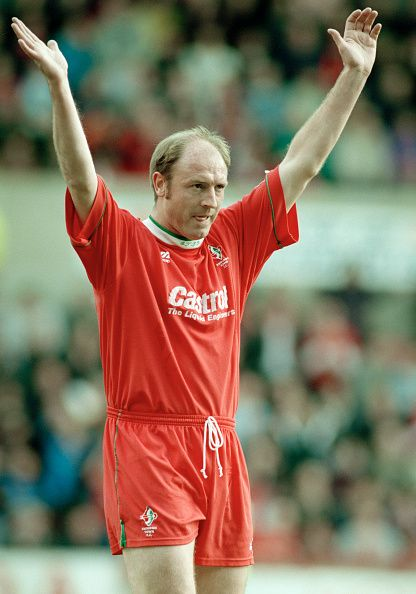
The team would begin 1995 by winning their first four matches in all competitions. First, the Robins would defeat non-league Marlow in the FA Cup third round before beating Millwall four days later to advance to the League Cup semi-finals. Then, on 15th January, Swindon would defeat Division One leaders Middlesbrough 2-1 at the County Ground to end their 14-match winless run in the league. After losing to Watford to exit the FA Cup at the fourth round, the Robins would begin February by beating relegation rivals Burnley and winning the first leg of their League Cup semi-final against Bolton. Swindon had begun 1995 with four wins in five matches in all competitions. However, after such a positive start to the year, the team’s form would again fall into decline. The Robins would fail to win six consecutive league matches and lose the second leg of their League Cup semi-final against Bolton, exiting the competition 4-3 on aggregate.
By 11th March, Swindon was in the Division One relegation zone, six points adrift of safety (albeit with three games in hand) with thirteen matches left to play. A pair of victories- 1-0 over Sunderland and a dominant 5-2 win over West Brom- would briefly lift the mood around Wiltshire. However, the sale of Jan Åge Fjørtoft to third-placed Middlesbrough for £1.62 million on 23rd March would bring spirits right back down again. Fjørtoft had scored 16 goals for Swindon by March, and selling him at this stage of the season would only help Middlesbrough’s promotion bid and harm Swindon’s relegation challenge.
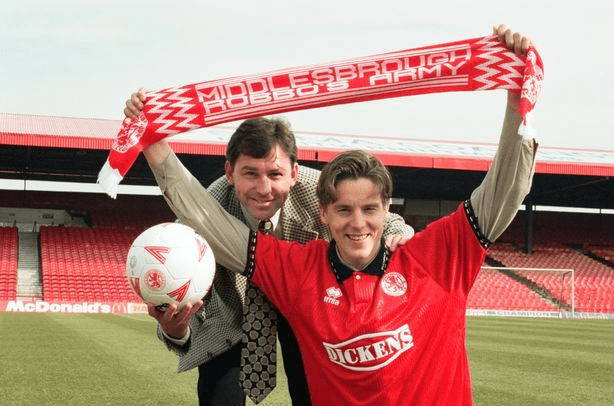
After Fjørtoft’s departure, Swindon would win just two of their final eleven matches. A 3-1 win over Oldham on 8th April would put the Robins five points from safety with six matches left, and a 2-2 draw with Sheffield United one week later would narrow this gap to four. However, three consecutive losses against Stoke, Sunderland and Portsmouth to end the month would effectively end Swindon’s Division One survival hopes. The 2-0 defeat to Portsmouth on 29th April would confirm Swindon Town’s relegation to the Second Division. with two matches to play. For the second season running, Swindon would suffer relegation in front of their own fans. However, this time, the Robins would now return to the third tier of English football for the first time since 1987. Four days after suffering relegation, a Swindon team with nothing left to play for would defeat Notts County 3-0 at home to at least give home fans something to cheer. The team would end the season with a 1-1 draw against Wolves, with Swindon ending the 1994-95 First Division season in 21st place. While his former teammates were heading down into another division, Jan Åge Fjørtoft was celebrating Premiership promotion with Middlesbrough. Fjørtoft would score in Boro’s final-day 1-1 draw against Tranmere Rovers to help Bryan Robson’s team win the First Division title.
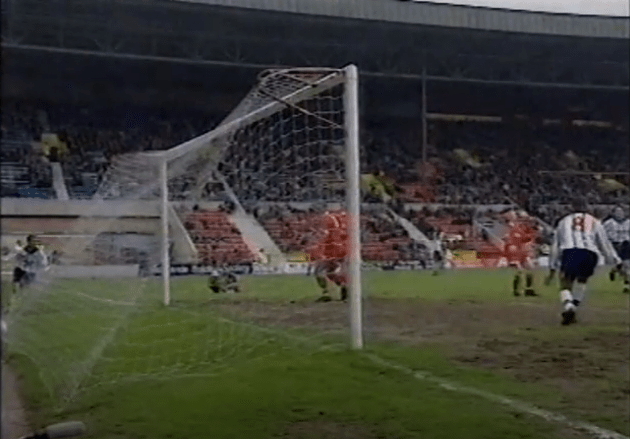
After suffering consecutive relegations, Swindon Town’s form would finally turn around, with the team winning the 1995-96 Division Two title to return to the second tier at the first attempt. The Robins would spend four seasons in the lower reaches of the First Division before returning to the third tier in 2000. Since then, Swindon Town has spent the 21st century frequently swapping between the bottom two divisions of English league football. Since 2000, the closest Swindon Town has come to a Premier League return is reaching two League One play-off finals. Danny Wilson’s Robins would lose 1-0 to Millwall in 2010, and Preston would thrash Mark Cooper’s Swindon team 4-0 at Wembley in 2015.
However, for one season in their near-150-year history, you could count Swindon Town as one of English football’s elite clubs. For one season, trips to Anfield, Highbury, Elland Road and Old Trafford were part of the weekly routine, instead of some one-off occasion in a domestic cup competition. Inversely, Premiership football treated Swindon fans to seeing Ian Wright, Alan Shearer, Andy Cole, and Eric Cantona strut their stuff on the County Ground pitch. Despite the team’s failure to avoid relegation, Swindon’s top-flight adventure would make stars out of Nicky Summerbee, John Moncur and Jan Åge Fjørtoft. After Swindon’s demotion, these three players would make a further 333 combined Premier League appearances. This season would also see Swindon claim famous results against Manchester United, Tottenham, Southampton and QPR that Robins fans may talk about to this day.
Was Swindon Town ready for top-flight football at that time? No. Most of Swindon’s playing squad were experiencing Premiership football for the very first time. The team’s early transfers also found themselves in this same position, with these players either coming up from the lower leagues or from abroad. Once Swindon had been taught a harsh lesson in top-flight football, manager John Gorman started to bring in players with top-flight experience. However, by the time these players arrived, it was too late, and Swindon never really recovered from a poor start to the campaign. However, despite their deficiencies in defence and lack of Premiership knowhow, Swindon would make for an entertaining watch during their singular top-flight season. They would often show resiliency against teams they were not expected to defeat and end up on the scoresheet even as part of a heavy loss. Due to their overall record, Swindon would be a team to keep an eye on. Any victory for the Robins would be greeted warmly by fans outside of Wiltshire. Things may have gone differently if Glenn Hoddle had remained as the team’s manager, but his subsequent record at Chelsea shows that things may not have gone much better. Swindon was perhaps always tipped for relegation, but the Robins certainly made a good show of themselves even in failure.
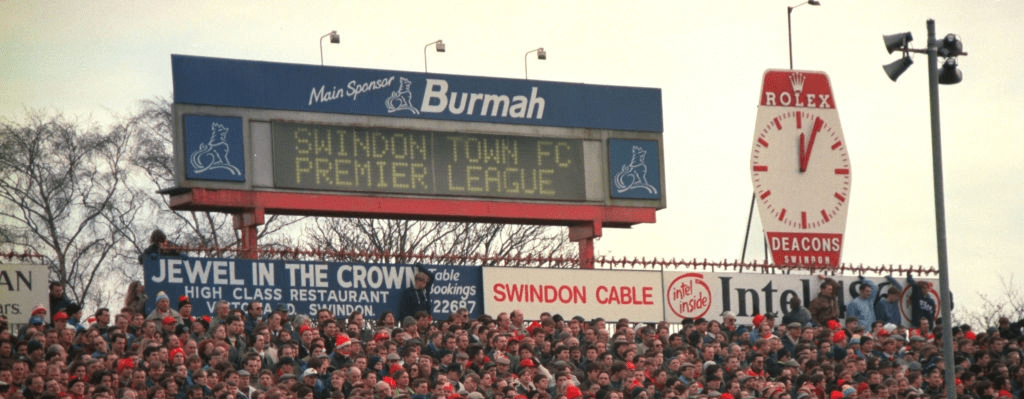
 the-score-board.co.uk
One thought on “The 100-Goal Season: Swindon Town in the Premiership”