
This Republic of Ireland defender had a habit of scoring into the wrong goal…
To preface the following article, Richard Dunne was a great defender during his playing days. You have to possess a certain level of talent to make 431 Premier League appearances (29th-highest overall) for Everton, Manchester City, Aston Villa and Queens Park Rangers across 19 different seasons. To be selected in the PFA Team of the Year alongside Branislav Ivanovic, Patrice Evra and Thomas Vermaelen, and winning Manchester City’s Player of the Year award for four consecutive seasons (2004-05 to 2007-08) is some achievement. In addition, earning eighty caps for the Republic of Ireland, including appearing for the national team at Euro 2012, cannot be ignored. However, despite his many positive career achievements, it would be remiss of me to write about the career of Richard Dunne without mentioning his two outstanding career records, both of which fall on the negative side of Premier League statistics. One of these records he shares merits a brief mention, while the other in which he stands alone will require further analysis in the following article.
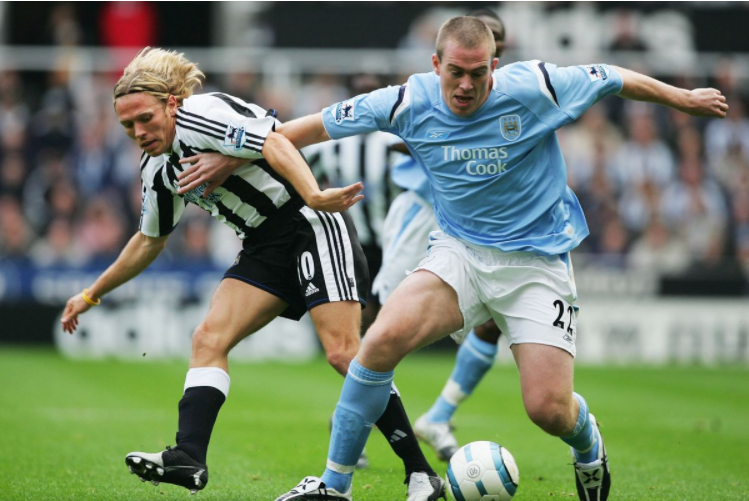
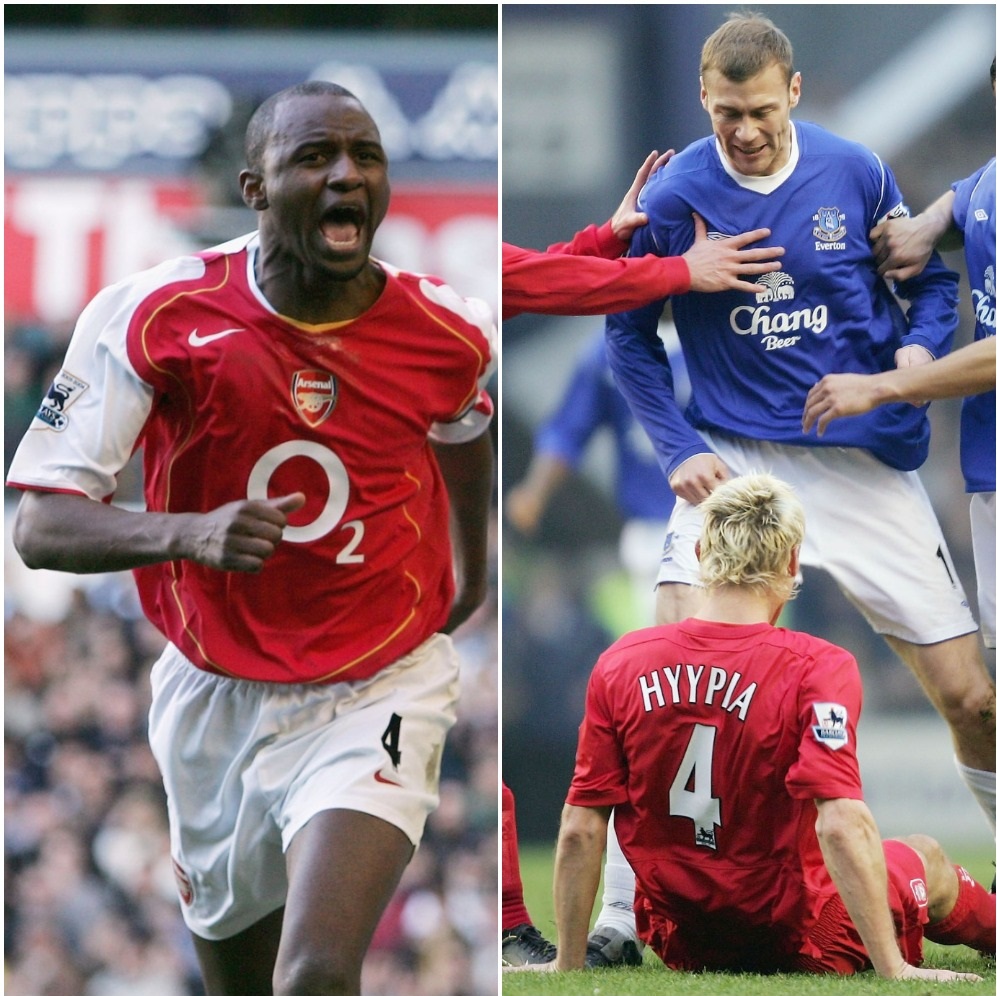
Across his lengthy Premier League career, Richard Dunne picked up eight red cards, a league record. However, Dunne is not alone in receiving the most dismissals. Midfielder Patrick Vieira (307 PL appearances) and striker Duncan Ferguson (269 PL appearances would finish their top-flight careers with the same record. However, holding the record for the most ‘red cards’ in Premier League history is not something to be entirely looked down on. While the record shows that this trio may have lost their temper once too often and mistimed one too many tackles, no one’s mind immediately jumps to this statistic when thinking about the careers of Richard Dunne, Patrick Vieira and Duncan Ferguson. Despite his less-than-stellar disciplinary record, Vieira ranks among the Premier League’s all-time greats, while Everton fans still hold Ducan Ferguson’s name in high regard. The latter claim is valid for Richard Dunne. The number of red cards that these three players accrued during their careers only serve to embellish their statuses as ‘hardmen’ who often played on the limits of what was allowed by Premier League referees. Therefore, while topping the stats for the most Premier League dismissals is not a proud record to own, it is not the worst record that a player could achieve during a long and storied career at the highest level.
While Richard Dunne can point out that he shares one Premier League record low with two unique and celebrated competitors, there is another league record where the Irish centre-back stands alone. In his 431 top-flight appearances made between 11th January 1997 and 24th May 2015, Dunne would score 10 Premier League goals (6 for Manchester City and 4 for Aston Villa). On two occasions during his career, he would score three league goals in a single campaign, a personal record that Dunne would achieve during the 2005-06 and 2009-10 seasons. In that same period, Richard Dunne would also score ten own goals, a Premier League record. Once during his career, he would score three in a single calendar year, achieving the feat in 2008. Unfortunately for Richard Dunne’s fans, his unfortunate knack for putting the ball in the wrong net is the focus of the following article. Looking at each OG in turn, The Scoreboard will investigate when, where and how Dunne scored these goals, how these own goals affected each particular match result and potentially the season beyond and how one specific stat has unfortunately come to define the career of one Richard Dunne.
1. vs West Brom, 28th December 2004
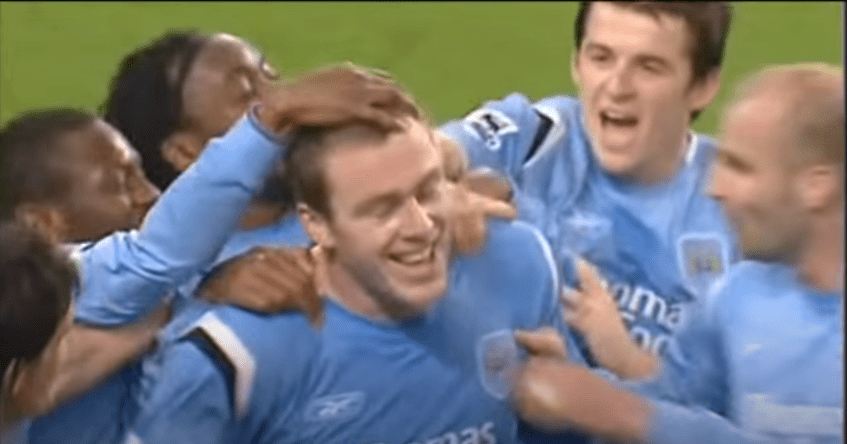
On 20th April 2005, Richard Dunne would score his first Premier League goal in the 80th minute of Manchester City’s 3-0 win over Birmingham City. It had taken 172 matches at two different clubs for the man from Tallaght to feel the satisfaction of firing the ball past a top-level opposition goalkeeper (Maik Taylor) into the rectangular goal. The resultant celebration would see Dunne’s teammates, including Shaun Wright-Phillips, Antoine Sibierski, and Robbie Fowler, congratulating Dunne outside the Birmingham penalty area. City’s 3-0 victory would form part of a season-ending eight-match unbeaten run that saw Stuart Pearce’s side pushing for UEFA Cup football. However, after breaking his Premier League scoring duck on that particular day, the joy, jubilation and relief that Richard Dunne may have been feeling might also have been tinged with a slight sense of disappointment. Dunne would forever remember that his first Premier League goal had arrived almost four months after his first own goal in the same competition.
On 28th December 2004, Manchester City invited bottom-of-the-table West Bromwich Albion to the City of Manchester Stadium. The Citizens entered the match with three defeats in four games during December, most recently losing 2-1 to Everton on Boxing Day. West Brom, meanwhile, entered the match-up with an 11-match winless run, having accrued just 10 points from 19 Premier League matches. The Baggies sole league win of this season had come in a 2-1 win over Bolton on 2nd October. In their Boxing Day clash, Liverpool put West Brom to the sword in a 5-0 thrashing. Heading into this match, it would not take a smart man to place Manchester City as the favourites to win the game. Just 17 minutes into the action and the host’s job would become a lot easier as a red card for Danish defender Thomas Gaardsoe would see West Brom reduced to 10 men. Fifteen minutes later, Manchester City would capitalise when Nicolas Anelka’s free-kick hit the target.
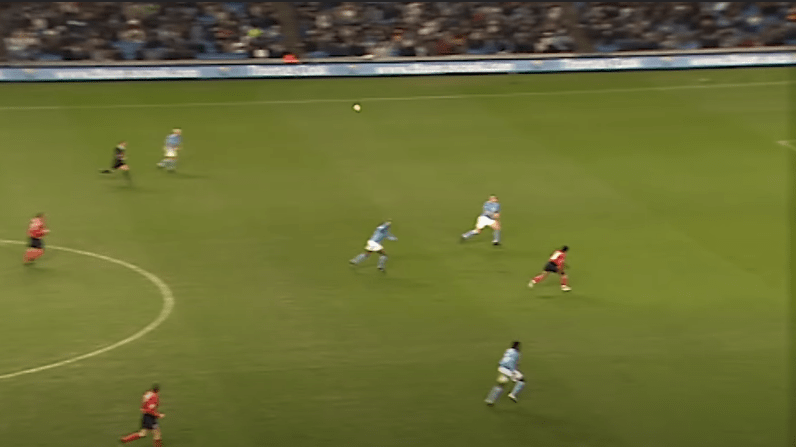
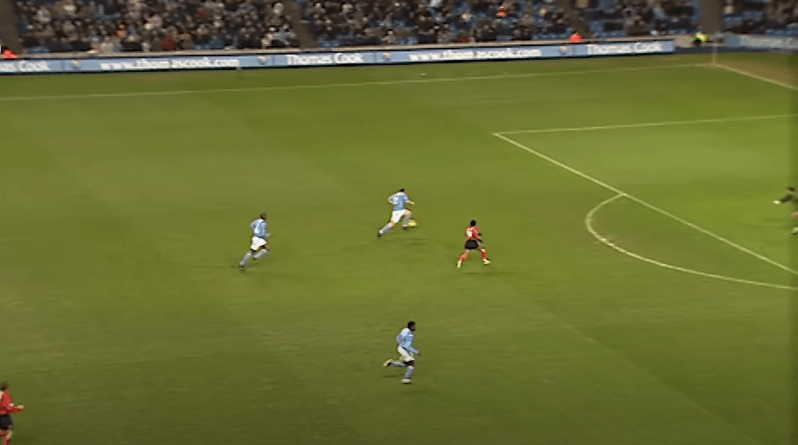
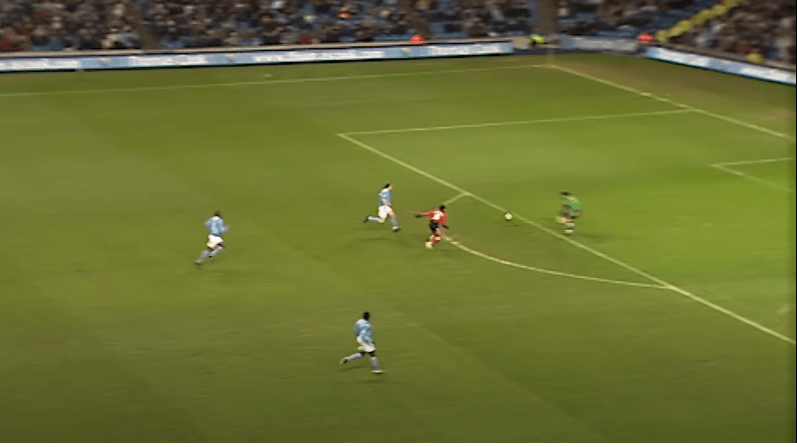
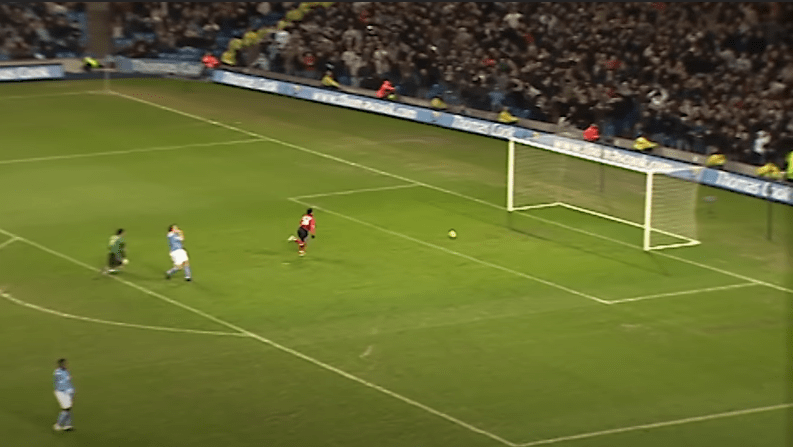
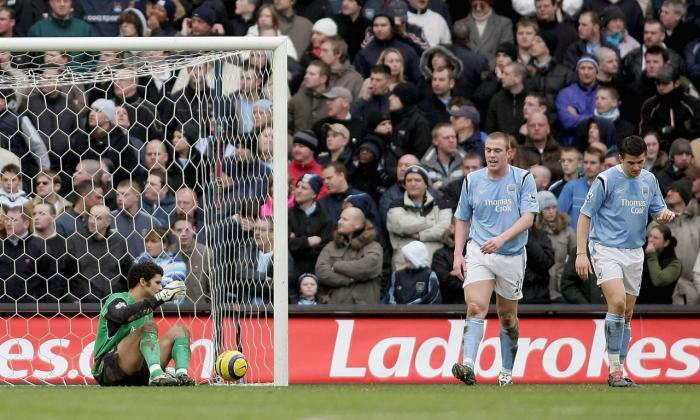
With Albion manager Bryan Robson receiving abuse from the away fans, City remained in control for the rest of the match and seemed to be heading for a commanding 1-0 victory. In the 85th minute, West Brom full-back Paul Robinson would lift a long ball over the Manchester City defence for striker Robert Earnshaw to chase. At first glance, it seemed that Richard Dunne would reach the ball first and clear away the danger. However, in a moment of comedy, the long ball forward would bounce up and hit Dunne’s knee. Instead, the knee would stop the ball’s bounce, causing it to roll past the on-rushing David James and into the Manchester City net for an unlikely equaliser. After one of the most unfortunate own goals you are ever likely to see, Dunne’s defensive partner Sylvain Distin could only hold his head in his hands as the likes of Shaun Wright-Phillips, Antoine Sibierski, and Robbie Fowler looked on. From a dominant position, City had surrendered a one-goal lead to the league’s bottom side in comical fashion. The match would end 1-1 with City left feeling embarrassed while West Brom could not believe their luck.
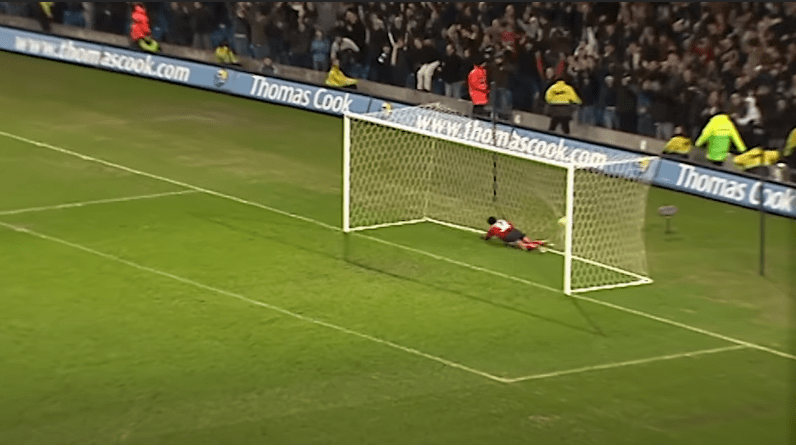
Manchester City and Richard Dunne would respond well to this freak setback, beating Southampton and Crystal Palace and drawing with title contenders Arsenal in their next three matches.
2. vs Manchester United, 13th February 2005
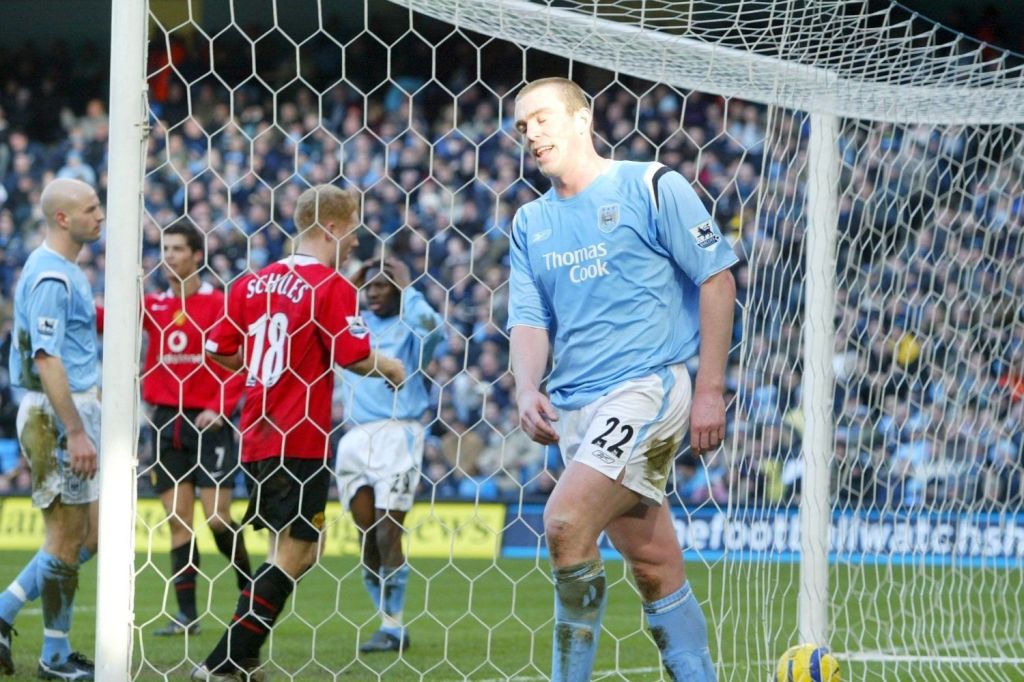
In between the freak incident against West Brom in December and heading home his debut Premier League goal against Birmingham in April, Richard Dunne would manage to squeeze in his second own goal of the 2004-05 season on 13th February. However, this second ‘own goal’ would come in City’s biggest match of the season, the Manchester derby.
The six matches that Manchester City had played between the West Brom draw and the Manchester derby had resulted in two wins over Southampton and Crystal Palace, three draws with Arsenal, Chelsea and Newcastle and a 2-0 defeat at the hands of West Brom on 22nd January. Their cross-city rivals entered the Manchester derby on the back of a 15-match unbeaten streak dating back to November that had moved them into 2nd place behind leaders Chelsea. This run had included a 4-2 victory over champions Arsenal that later became known for the infamous bust-up between Roy Keane and Patrick Vieira in the player’s tunnel before the match.
After an uninspiring first half, the Manchester derby would kick into gear thanks to the league’s hottest young prospect. In the 68th minute, 18-year-old Wayne Rooney would sidefoot home Phil Neville’s cross. If the youngster had troubled the Irish defender with his first goal, further distress would soon follow seven minutes later. Out-witting Sylvain Distin along the byline of the Manchester City penalty area, Rooney would swing in a cross to David James’ near post. Richard Dunne would reach the ball first. Dunne would attempt to clear the ball out for a Manchester United corner. However, his volleyed clearance would only find its way into the Manchester City goal, securing United’s victory. With the resulting 2-0 score, Manchester City would move within 9 points of Chelsea.
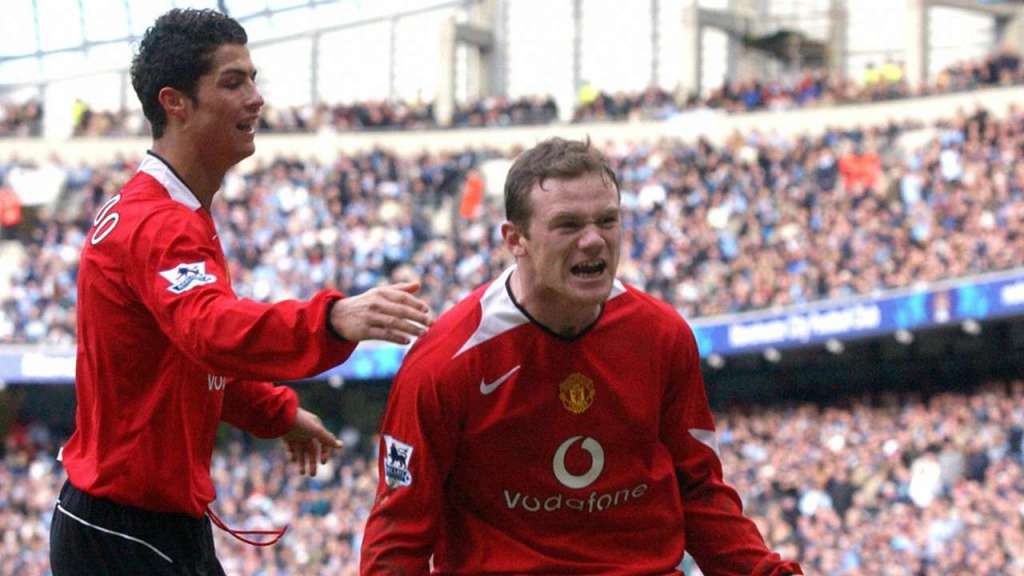
In their next match, Manchester would edge a five-goal thriller against Norwich City away at Carrow Road. However, a 1-0 home defeat to Bolton on 7th March would result in manager Kevin Keegan departing the club and retiring from football, with assistant Stuart Pearce taking charge until the end of the season.
3. vs Wigan, 21st October 2006
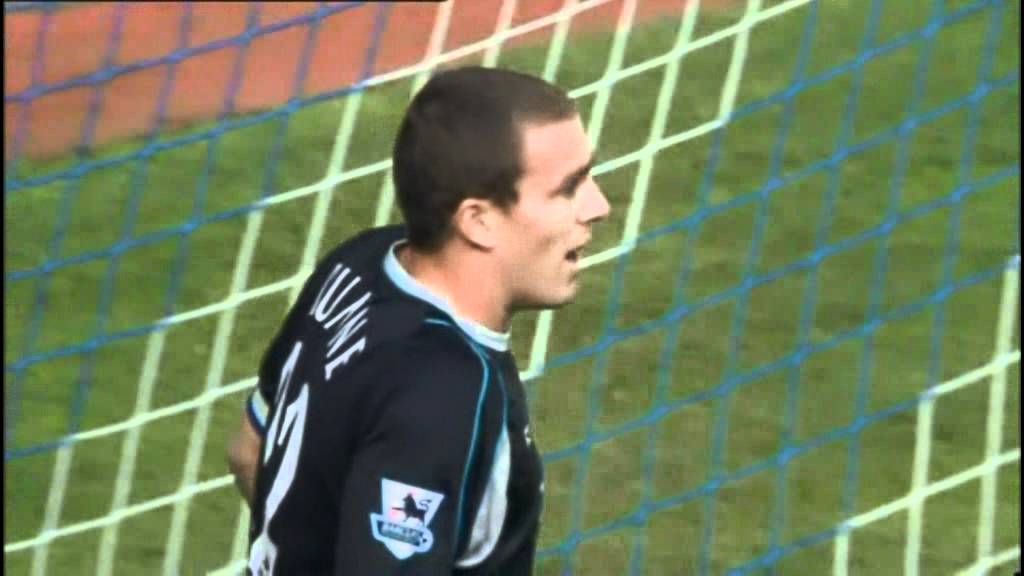
After his first two own goals came within two months of one another, Richard Dunne would spend the next 20 months making sure he scored in the right net. Four of Dunne’s 10 Premier League goals would come between his second and third own goals in the same league. Unlike his efforts against West Brom and Machester United, own goal number three would not ultimately decide the result of a match. Instead, this goal would compound a terrible start for Manchester City in a game that would eventually end in a heavy defeat for Stuart Pearce’s side.
On 21st October 2006, Manchester City would travel to Wigan for their ninth match of the 2006-07 season. The visitors would begin the season mixing impressive home wins over Arsenal (1-0) and West Ham (2-0) with convincing away defeats to Chelsea (3-0) and Blackburn Rovers (4-2). These results, plus draws with Portsmouth, Everton and Sheffield United, had left City with 9 points from their first eight matches. Meanwhile, goal difference alone kept Wigan out of the relegation zone as the Latics would head into the Manchester City match with one win on the board. However, the form book would be thrown out of the window when the men in light blue travelled to the JJB Stadium.
The afternoon’s theme would be set into motion after just 67 seconds of play as Emile Heskey would fire home first-time from Emmerson Boyce’s cross to put the home side ahead. Despite taking an early lead, Wigan would not give City a chance to settle into the match, and their score would double two minutes later. On this particular day, 20-year-old Matthew Mills would start alongside Richard Dunne at the heart of Man City’s defence. Mills was making his first league start for City after joining from Southampton the previous January, and the Wigan game would also serve as the first Premier League start of his professional career.
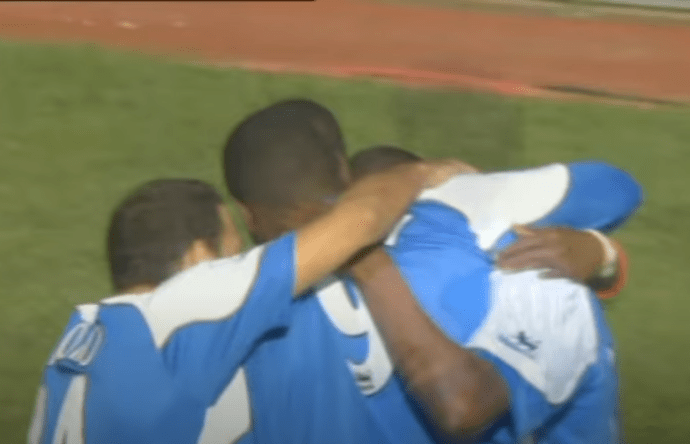
However, despite Mills’s relative inexperience, it would be the 27-year-old Dunne who would head Josep Skoko’s in-swinging free-kick past Nicky Weaver with just 4 minutes on the clock. Following these early blows, the Latics would control the rest of the match. Another pair of goals after the hour mark from Henri Camara and Antonio Valencia would guarantee an emphatic victory for Wigan. The win would move Paul Jewell’s team within one point of Manchester City, with the two teams lying 14th and 15th in the Premier League table after nine matches.
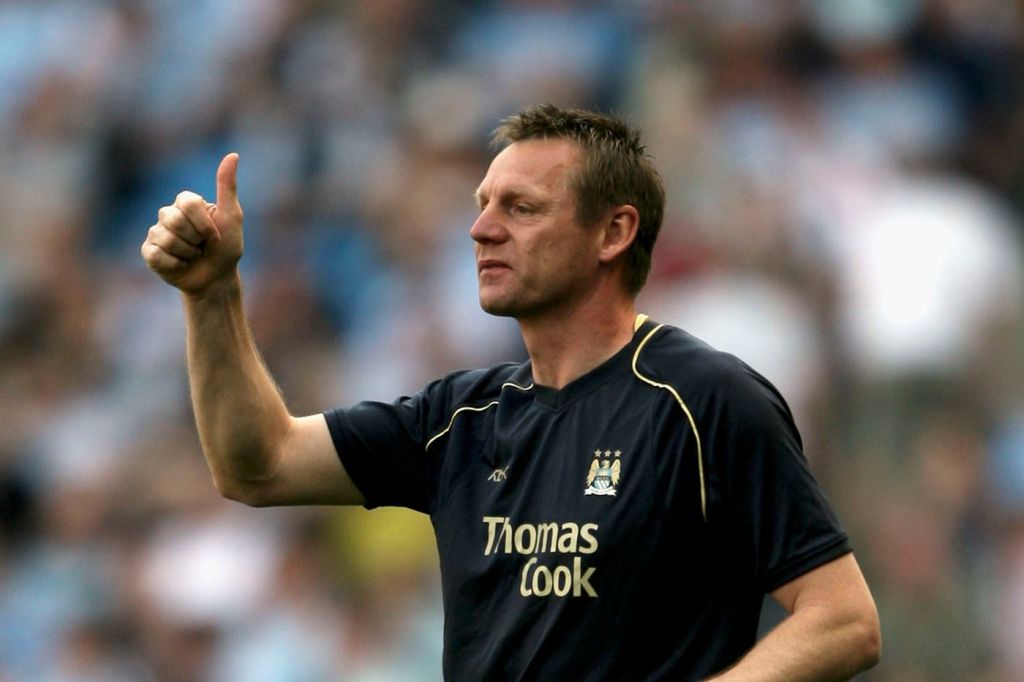
After another embarrassing own goal, Richard Dunne would have the perfect response, scoring in the right net in City’s 1-0 victory over Middlesbrough the following week. However, the rest of the season would see City involved in a relegation battle. The team would finish the 2006-07 season in 14th place. The close season would see Thai businessman Thaksin Shinawatra buy the club for £81.6 million, with the new owner quickly replacing Stuart Pearce with former England manager Sven-Goran Eriksson.
(c) Bitter and Blue 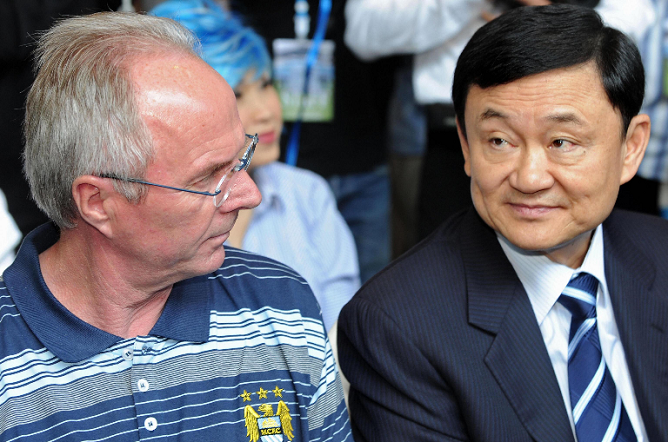
(c) Bleacher Report
4. vs Chelsea, 5th April 2008
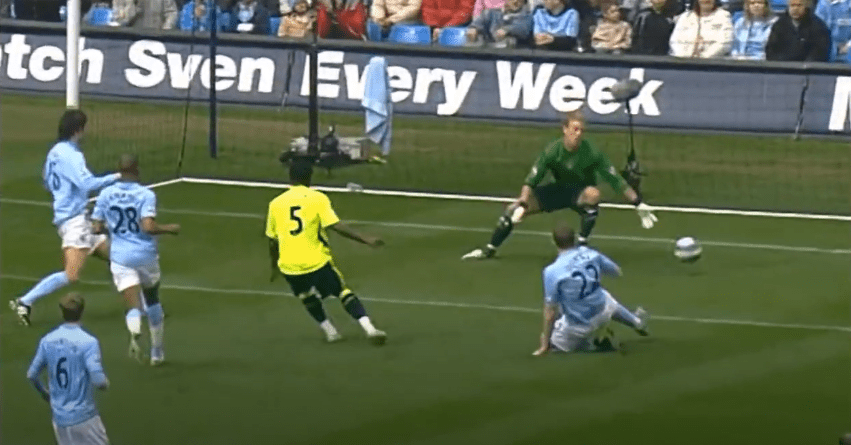
The fourth ‘own goal’ of Richard Dunne’s Premier League career would serve to epitomise the back end of the 2007/08 season for Manchester City. In a season of two halves for the blue half of Manchester, Dunne’s newest ‘own goal’ would come in one of nine defeats that City would suffer in the 18 league matches that the team would play in the second half of the league season. After starting the New Year with a 2-0 win over Newcastle, the nine defeats suffered by the club in the months that followed would result in City dropping out of the Premier League’s top four to finish the season in 9th place, with the team qualifying for the UEFA Cup through their excellent disciplinary record.
By the time that Manchester City invited Chelsea to the City of Manchester Stadium on 5th April 2008, the cracks started to appear in the Sven-Goran Eriksson experiment. The summer of 2007 saw club stalwarts Sylvain Distin, Joey Barton and Nicky Weaver leave Eastlands for pastures new. In their place, the former England manager would bring in eight new players: defenders Vedran Corluka (Dinamo Zagreb) and Javier Garrido (Real Sociedad), midfielders Gelson Fernandes (FC Sion), Geovanni (Cruzeiro) and Elano (Shakhtar Donetsk) and forwards Rolando Bianchi (Reggina) and Valeri Bojinov (Fiorentina).
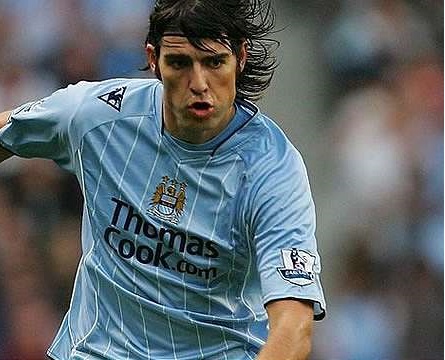
Vedran Corluka 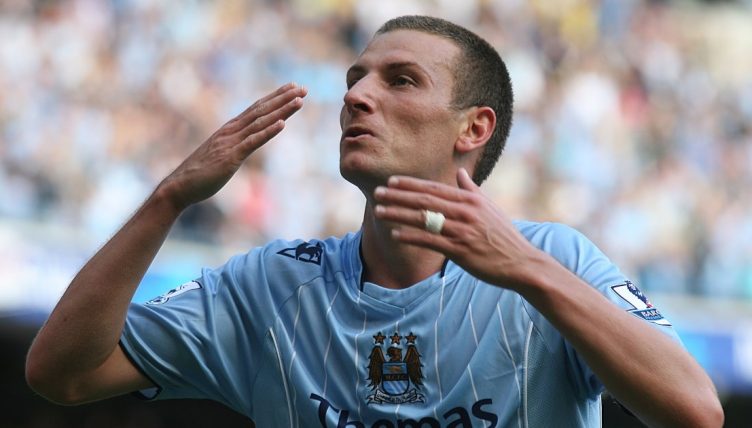
Elano 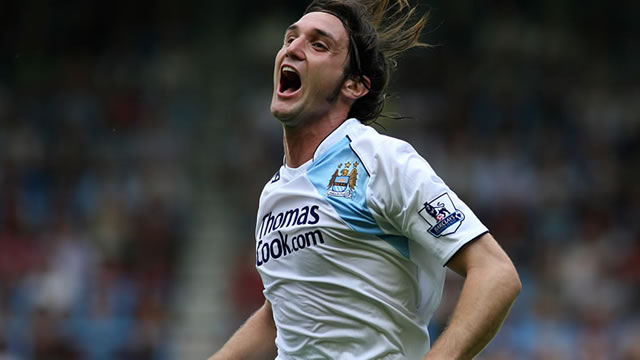
Rolando Bianchi 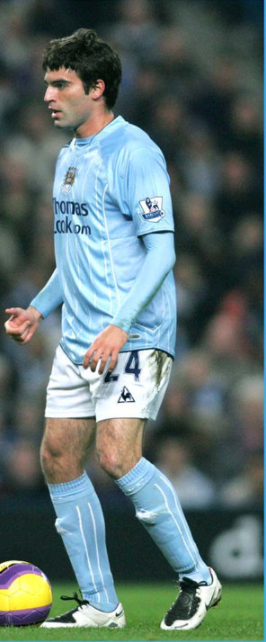
Javier Garrido 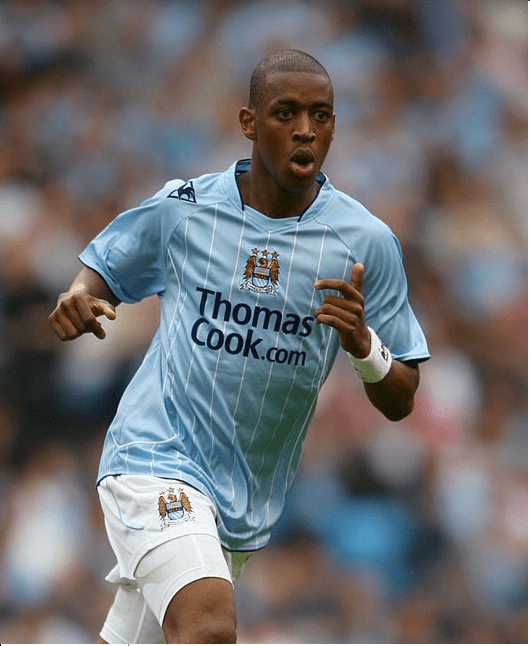
Gelson Fernandes 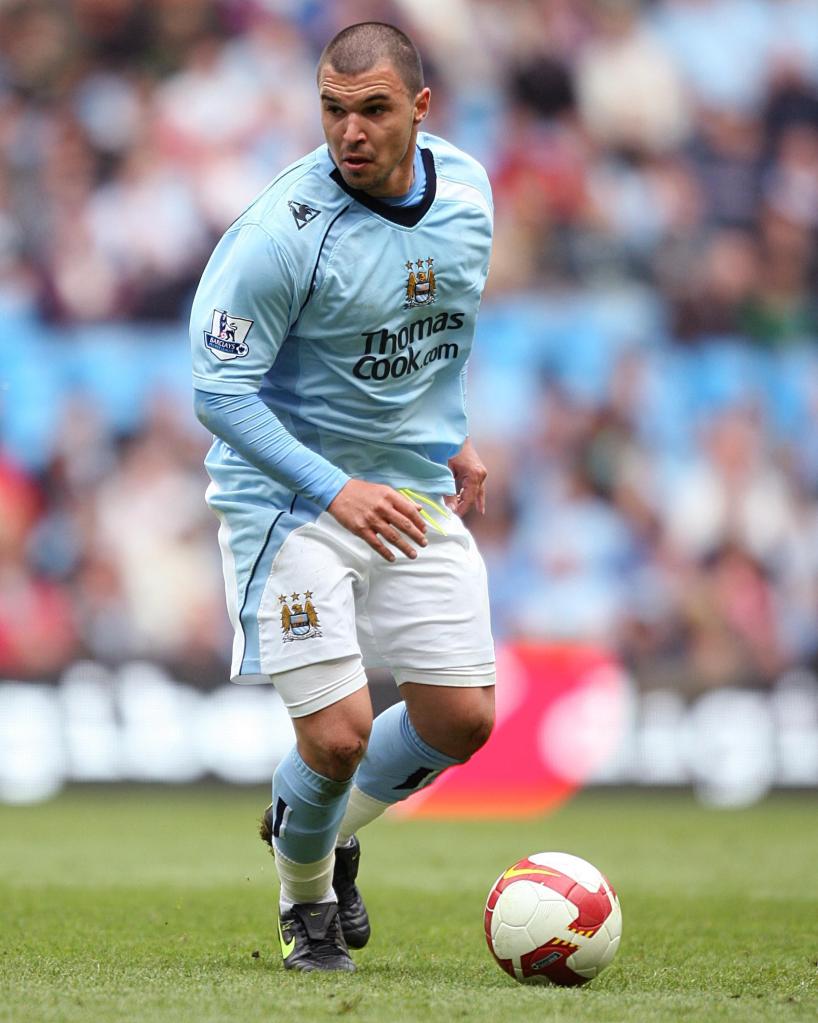
Valeri Bojinov 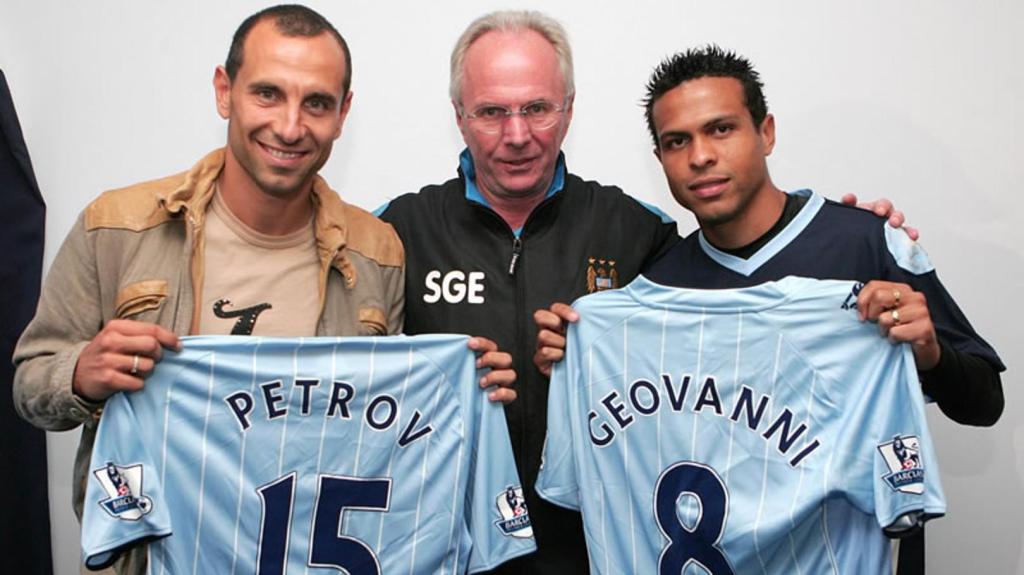
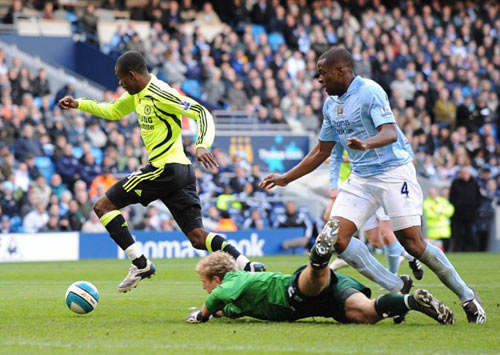
Manager Sven-Goran Eriksson with Martin Petrov (left) and Geovanni (right)
With these new signings, Manchester City would begin as one of the season’s early pacesetters, winning 7 of their first ten matches and finishing the month of October lying 3rd in the Premier League table. The team would win their first nine home matches and would remain unbeaten in Manchester until February. Manchester City would even win both Manchester derbies to claim a first league double over Manchester United for the first time since 1970. However, the decline in form that followed the second derby win meant that City resided 9th in the league table when Avram Grant’s Chelsea travelled up north. The team had won just one of their previous six matches, most recently losing 3-1 at the hands of ten-man Birmingham City. Meanwhile, Chelsea, who had seen director of football Avram Grant take charge following the resignation of inspirational manager Jose Mourinho earlier in the season, entered the match 2nd in the league, five points behind Manchester United. Under Grant’s stewardship, Chelsea had suffered just two league defeats, with the most recent coming the previous December.
As had been the case with his previous Premier League own goal, Chelsea fans would not have to wait long for the Manchester City captain to knock the ball past his own goalkeeper. The stadium clock read six minutes as Nicolas Anelka attempted a low cross into the Manchester City penalty area. After missing the first City defender, the ball found the boot of Dunne, whose attempt to clear the ball for a corner backfired with the ball going the wrong side of the posts of Joe Hart’s goal. Compared to Dunne’s previous efforts, this particular own goal was more of the textbook variety. The failed clearance is probably one of the more common own goals scored throughout Premier League history. However, for all observers, Richard Dunne’s attempt had gifted Chelsea an early lead that they would never relinquish. Salomon Kalou’s goal after 53 minutes would give Chelsea a 2-0 victory, a victory that would briefly move the Blues within two points of the Premier League summit. For City, the defeat left the team six points adrift of 5th-placed Everton and UEFA Cup qualification.
As is quickly becoming the theme during this article, Manchester City’s players would respond to a game featuring a Richard Dunne howler by winning the very next match. After the Chelsea defeat, City’s next two games would produce back-to-back victories over Sunderland (1-2) and Portsmouth (3-1), the team achieving the feat for the first time since October. These victories would move City up to 8th and give the team hope of finishing the season on a positive note. However, three consecutive defeats to relegation-threatened Fulham (2-3), Champions-league qualifiers Liverpool (1-0) and an embarrassing final-day 8-1 thrashing by Gareth Southgate’s Middlesbrough saw Manchester City scrape into the first qualifying round of the UEFA Cup by the skin of their teeth. Sven would receive his marching orders just weeks later. By the time Richard Dunne would score his next top-flight own goal, City would have a new owner, a new manager and a host of new players signed for big money.
5. vs Newcastle, 20th October 2008
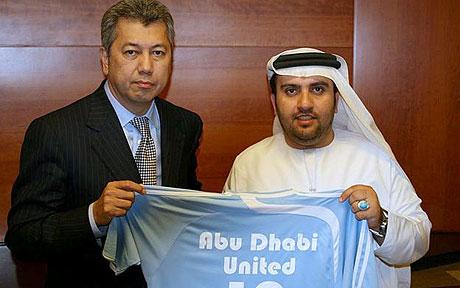
In between Richard Dunne’s fourth and fifth Premier League own goals for Manchester City, the club would move from a team with short-term aspirations of reaching the UEFA Cup to being one of the wealthiest clubs in the world with long-term prospects of winning the Champions League. The summer of 2008 would see Thai businessman Thaksin Shinawatra sell Manchester City to the Abu Dhabi-based Abu Dhabi United Group Investment and Development Limited for £200 million, ending a year of ownership making a £119 million profit.
The break between the two seasons would see 15 players leave the club and eight players enter for a combined fee of £76.45 million. The summer transfer window would see the Brazilian trio of Jô (£18m), Gláuber and, most famously, Robinho arrive at the City of Manchester Stadium, with City signing Robinho for a British record £32.5 million. In addition, Shaun Wright-Phillips (£8.5m) would return to the club after three years at Chelsea with journeyman defender Tal Ben Haim (£5m) also leaving Stamford Bridge to move up north. Argentine right-back Pablo Zabaleta (£6.45m) and Belgian defensive midfielder Vincent Kompany (£6m) would round out the club’s transfer business. Following Sven’s sacking at the close of the previous campaign, Blackburn manager Mark Hughes would become the new Manchester City manager. In his three seasons in charge at Ewood Park, Hughes had turned Blackburn Rovers into top-10 regulars, even leading the team into the UEFA Cup during the 2005-06 season.
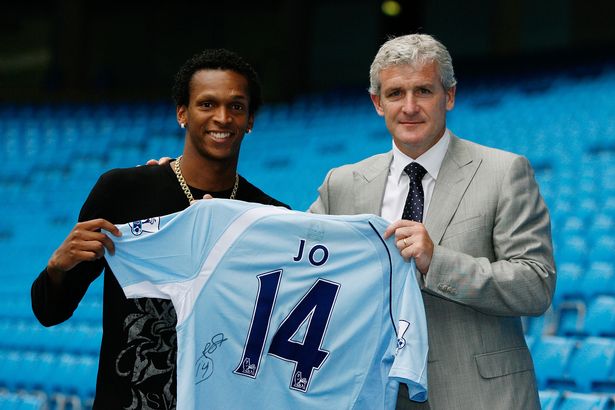
Jo (CSKA Moscow): £18m 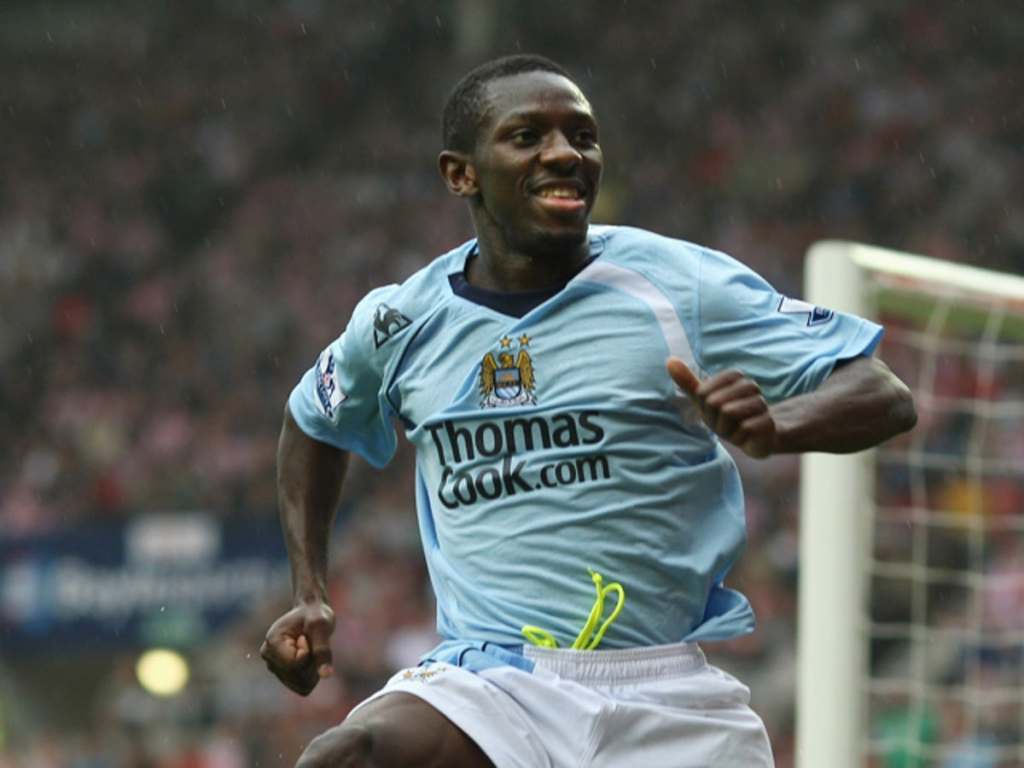
Shaun Wright-Phillips (Chelsea): £8.5m 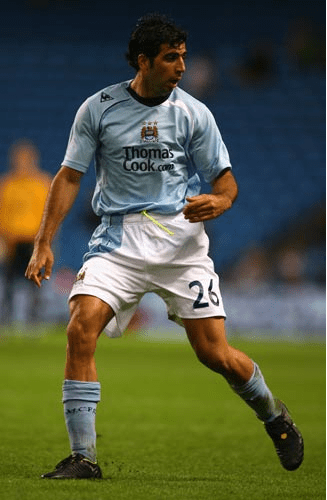
Tal Ben Haim (Chelsea): £5m 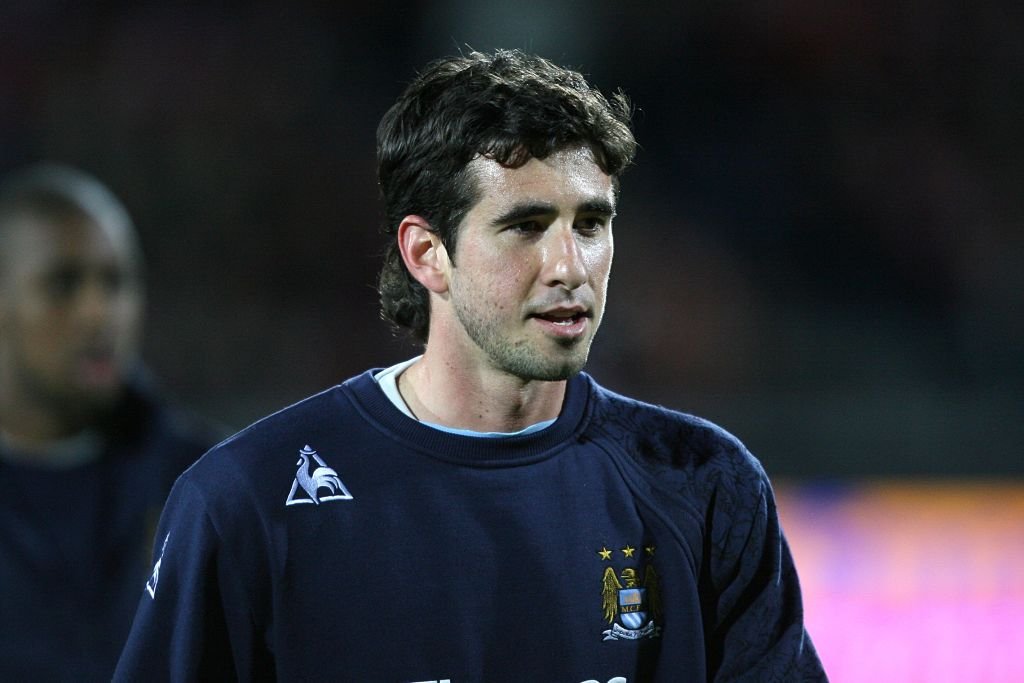
Glauber Berti (Nuremberg): Undisclosed 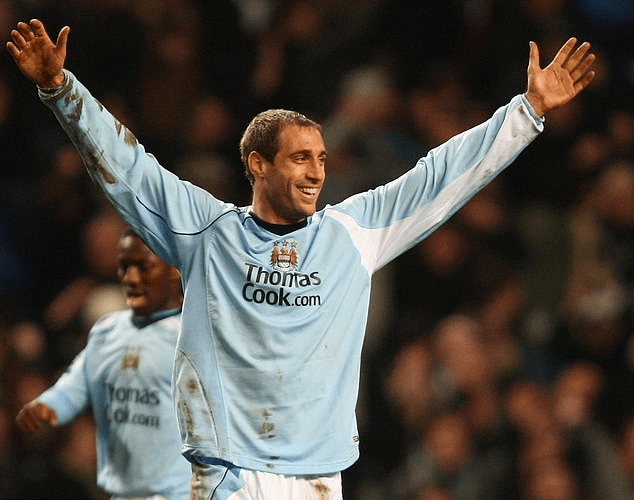
Pablo Zabaleta (Espanyol): £6.45m 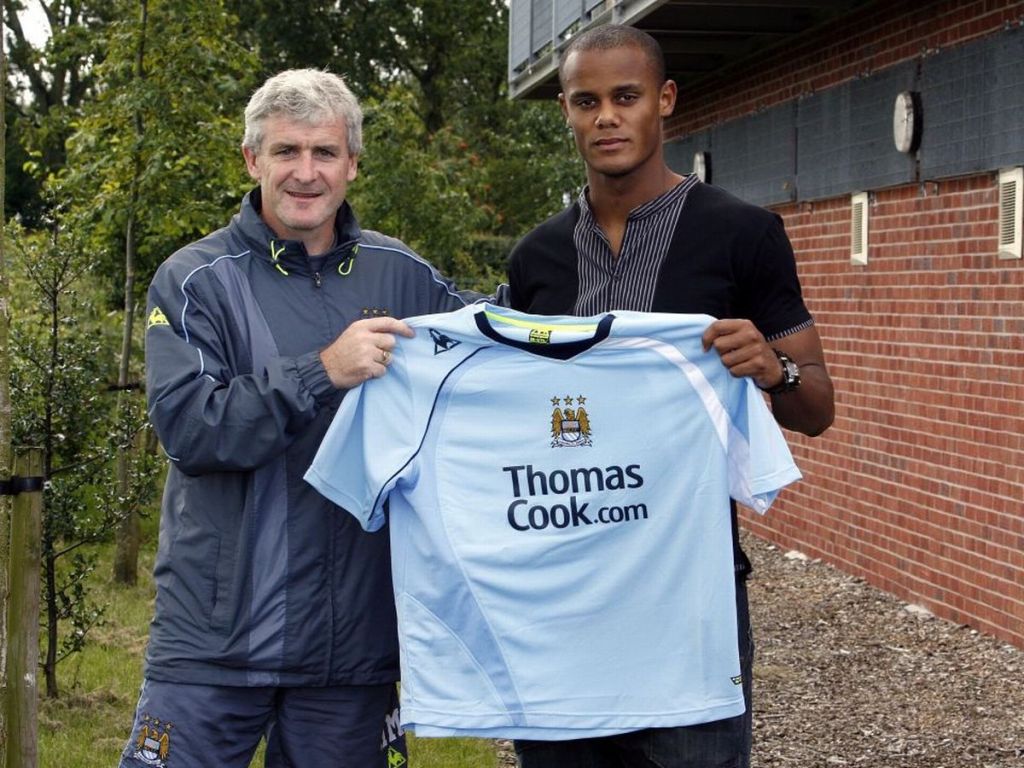
Vincent Kompany (Hamburg): £8m 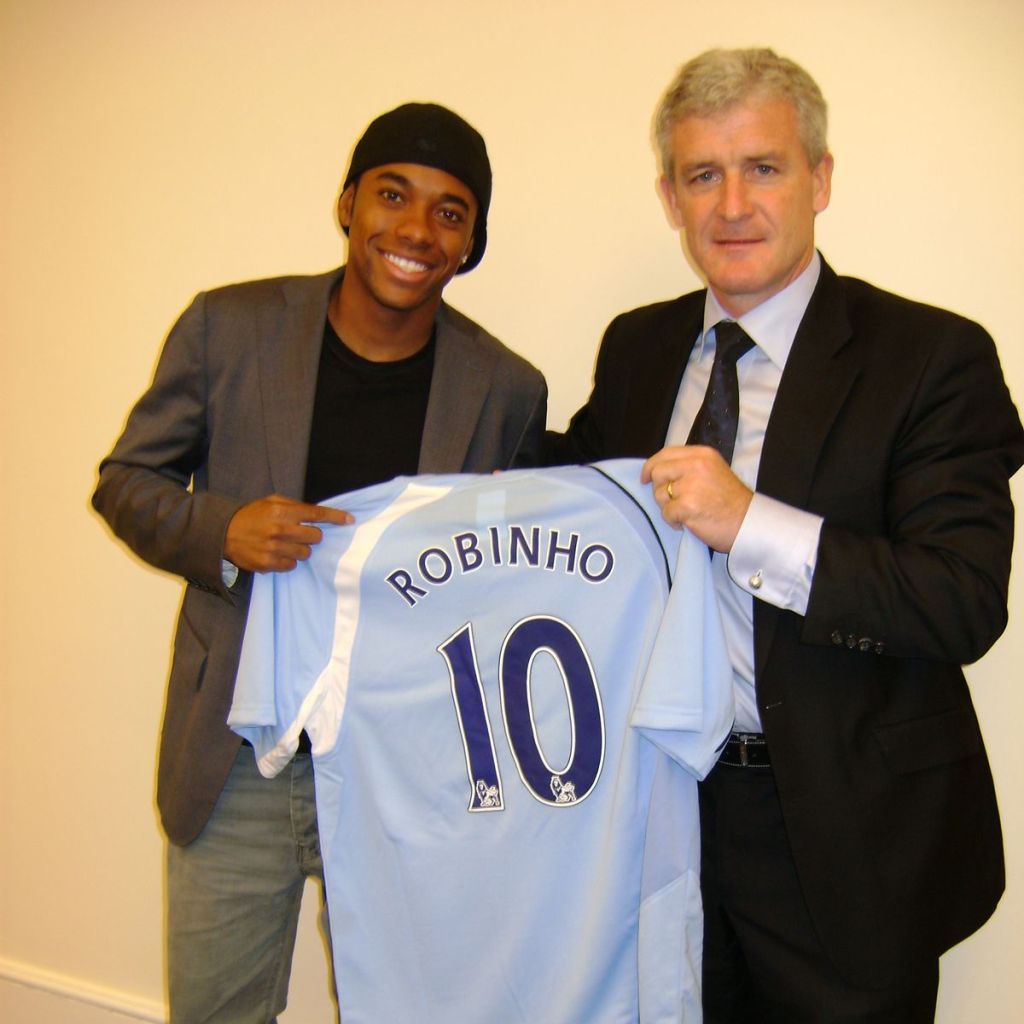
Robinho (Real Madrid): £32.5m
Throughout all these significant changes, Richard Dunne would remain as Manchester City’s club captain, and the 2008-09 season would see the Irishman begin his ninth season with the side. However, with all the changes made to Manchester City both on and off the field, it was clear that the new-look side would take time to gel. By the time City travelled to Tyneside to face struggling Newcastle in the third week of October, Mark Hughes’ team would sit 11th in the Premier League table after three wins and four defeats from their first seven matches.
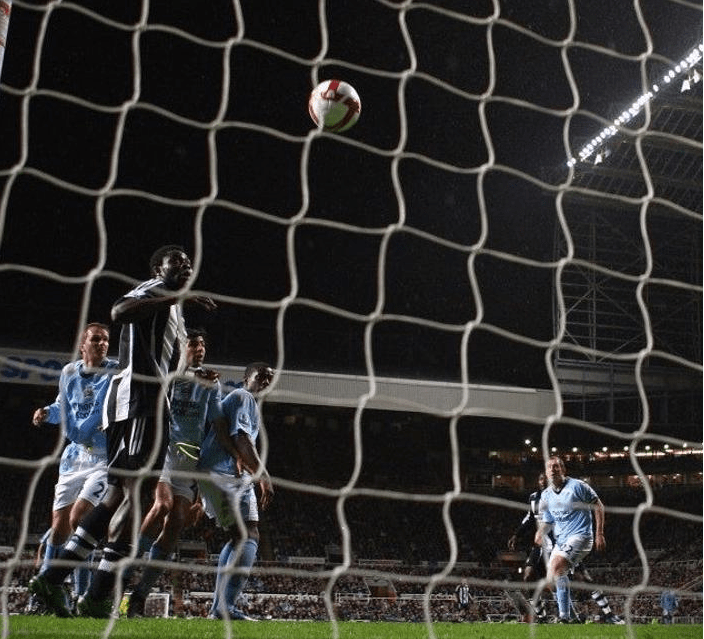
With a combined £50m starting up front, the more expensive of the two City forwards would open the scoring after a controversial referee decision. With 12 minutes on the clock, Newcastle defender Habib Beye would appear to bring down Robinho in the penalty area despite making contact with the ball. Seeing the challenge, the referee would award a penalty to Manchester City and issue Beye with a straight red card. Despite the protests of the St James’s Park faithful and the 11 men in black-and-white, the Brazilian superstar would convert the penalty to score his third goal in English football. Manchester City would control the rest of the half, but the Magpies would respond a minute before half-time. A mix-up at the back between Vincent Kompany and Tal Ben Haim would allow Shola Ameobi to score his first Newcastle goal in two years.
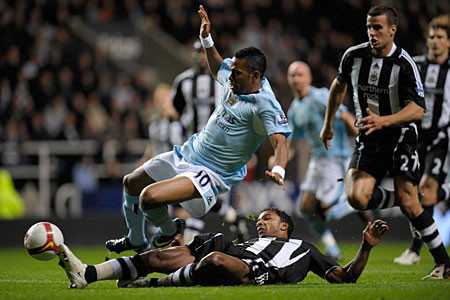
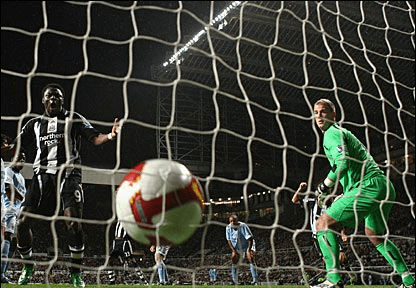
The Citizens had been the better of the two teams but would remain tied with Joe Kinnear’s team until Richard Dunne would gift them the lead just after the hour mark. In another moment that the defender would not want as part of his highlight reel, Dunne would sidefoot Geremi’s corner high past Joe Hart. Luckily for him and Manchester City, Stephen Ireland would spare his captain’s blushes with an 86th-minute equaliser that would ensure the match ended all square. The draw would move the Sky Blues into 10th, but very few at Eastlands were celebrating snatching victory from the jaws of defeat against an opponent that had picked up one win all season.
Customarily, a convincing Man City victory would follow from a ‘Richard-Dunne-own-goal’ game as a Robinho hat-trick would dispatch a newly-promoted Stoke one week later. Unfortunately, however, very little time would pass before the Manchester City skipper would find himself on the scoresheet for all the wrong reasons once again.
6. vs Bolton, 2nd November 2008
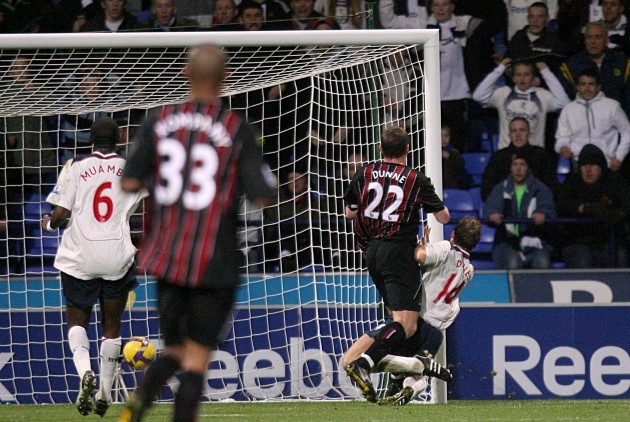
Following the Newcastle game, Richard Dunne would have been hoping that the rest of the season would pass without him scoring past Joe Hart. However, just two weeks would pass before he racked up an unintentional half-dozen of Premier League own goals. After the draw with Newcastle and the win over Stoke, City’s inconsistent early-season form had continued with a 2-0 loss at Middlesbrough. In their next league match, Man City would host Bolton Wanderers, who found themselves in the relegation zone after a poor start to the season. Murmurings of discontent were beginning to surround Bolton manager Gary Megson, and a defeat in Manchester would make those murmurings a little more audible.
In a match of wayward shooting, neither side would manage to break the deadlock until the 77th minute. A ball fired across the box would find the foot of Ricardo Gardner, who would tap home to register his Premier League goal since Boxing Day 2002 and put Bolton ahead. Manchester City would start to push forward, searching for an equaliser, but this tactic would only lead to a second Bolton goal with three minutes of standard time remaining. After finishing the first, Ricardo Gardner would turn provider for the second. His cutback would evade the dive of Joe Hart but would bounce up and flick off Richard Dunne’s right shin. This little flick would be enough to carry the ball over the line from two yards out. In another unfortunate moment, Richard Dunne confirmed Bolton’s third win of the season. The result lifted Bolton from the bottom of the Premier League standings, while Man City would drop to 10th. Luckily for Dunne, the own goal against Bolton would be the final one he would score in Manchester City colours.
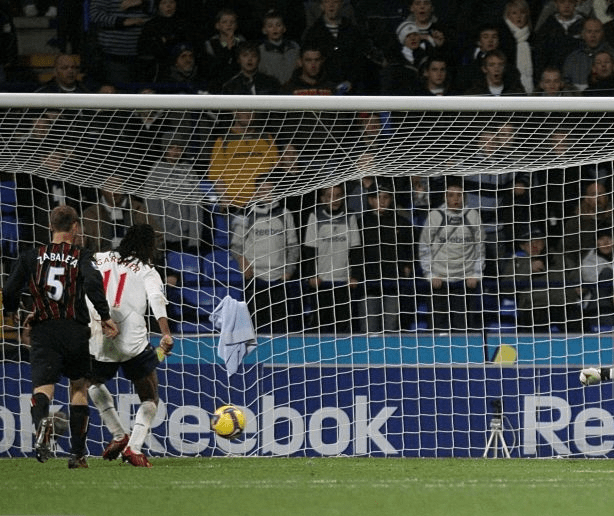
While Bolton would use their win over Manchester City to win four of their next seven matches leading up to reside in 9th place on Christmas Day 2008. Meanwhile, City would spend Christmas in the relegation zone after one win in seven. However, a 5-1 thrashing of Hull City on Boxing Day would spark an upturn in form over the New Year, rocketing the Sky Blues into 10th by mid-January. However, inconsistent results would keep City in the lower reaches of the top half for the rest of the season. As a result, the team would finish the season in 10th outside the European placings.
7. vs Blackburn, 9th May 2010
In a summer that would see defenders Kolo Toure and Joleon Lescott sign for Manchester City, Richard Dunne would leave the club he had represented and captained for 352 appearances over nine seasons and head down south towards the Midlands. Two days after transfer deadline day, he would sign with Martin O’Neill’s Aston Villa for £6 million. He would line alongside James Collins, Carlos Cuellar and Stephen Warnock in a Villa defence that would eventually concede 39 goals across the whole season, a record only bettered by champions Chelsea (32), 2nd-placed Manchester United (28) and 7th-placed Liverpool (35). During this campaign, Richard Dunne would play the best football of his career. Dunne’s performances would later earn him a place in the PFA Team of the Year.
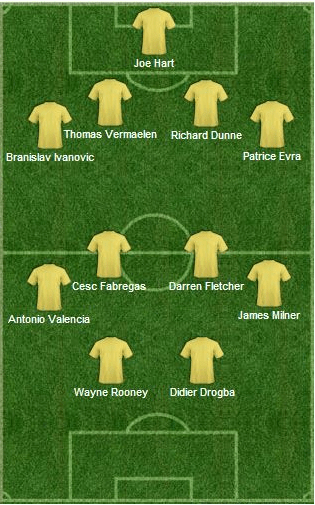
Heading into the final day of the season, Aston Villa sat in 6th place in the Premier League table, with Manchester United’s League Cup victory putting the team in contention for Europa League qualification. However, to confirm their position ahead of Liverpool, Villa had to avoid defeat at Blackburn Rovers or hope that the Reds failed to beat already-relegated Hull City. Aston Villa entered the match off a 3-1 loss to fellow Europa League chasers Manchester City. The defeat had ended Villa’s five-match unbeaten streak dating back to early April. Meanwhile, Blackburn’s 2-1 win over Arsenal the previous week had ceased a run of four matches without one. Rovers knew that a win at Villa Park could lead to a top-10 finish, provided that results for Stoke and Fulham went their way.
Aston Villa would dominate the match against Blackburn but would find scant reward for their efforts where it mattered most: on the scoresheet. Villa would control Blackburn in possession (65% to 35%), total shots (18 to 11) and shots on target (8 to 1), but the team in claret-and-blue would find their scoring efforts either force saves out of Rovers goalkeeper Paul Robinson or head wide of the goalposts. With an excellent performance by Robinson keeping Villa at bay at one end of the field while Blackburn’s shooting at the other end was proving wasteful, it was little surprise that this end-of-season tie would remain a stalemate until the final stages of the game. It would require a moment of magic, luck, or stupidity to decide this contest.
With six minutes of regulation time (and the season) remaining, Rovers full-back Martin Olsson would deliver a teasing cross into the Villa box. Midfielder Junior Hoilett would make a run towards the near post, but Richard Dunne would get ahead of his man trying to prevent a late goal. However, his attempted header would instead cause the ball to nestle in the left-hand corner of Brad Friedel’s net. As Hoilett’s teammates rushed to celebrate his efforts in this own goal, Friedel could only turn and hang his head in dismay. For Richard Dunne, even the best season of his Premier League career would end with a thud. By scoring an unfortunate winner for Blackburn Rovers on the final day of the 2009-10 season, Dunne had overtaken former Chelsea and Leicester City defender Frank Sinclair to claim the record for the most ‘own goals’ in Premier League history with seven. Dunne would add more goals to this record before his career was over.
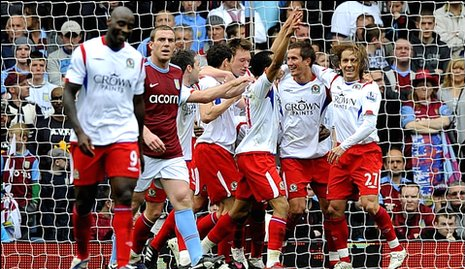
While Blackburn would savour their victory at Villa Park and a top-10 league finish, Liverpool’s goalless draw with Hull ensured that Aston Villa would finish the Premier League season in 6th position for the 3rd season running. As a result, the team would enter the following season’s Europa League at the play-off stage rather than at the first qualifying round. However, by the start of the next Premier League season, things would start to change dramatically at Villa Park, leading to the slow decline of the club over the next few seasons.
8. vs Sunderland, 23rd October 2010
Heading into their ninth match of the 2010-11 Premier League season away at Sunderland on 23rd October 2010, Richard Dunne and Aston Villa would find themselves residing in a regular position in the league standings. Thus far, a mixed bag of results, including three wins, two draws and three defeats, had left the Villans sitting 8th, having gained 11 points. However, it wasn’t the nature of how Villa had earned these results, or even the wins or losses themselves, but rather who had been managing Villa during these eight league matches that turned the most heads.
The world of English football was shocked on 9th August 2010 when Martin O’Neill resigned as Aston Villa manager five days before the new Premier League season. After leading Villa to a 6th-placed finish the previous season, O’Neill would ask owner Randy Lerner for money to invest in the squad to push for the top four and Champions League football. However, following Lerner’s choice to refuse this demand, the Northern Irish manager would choose to leave the club after four seasons in charge. During this period, he had led the team from potential relegation candidates into challengers for European football.
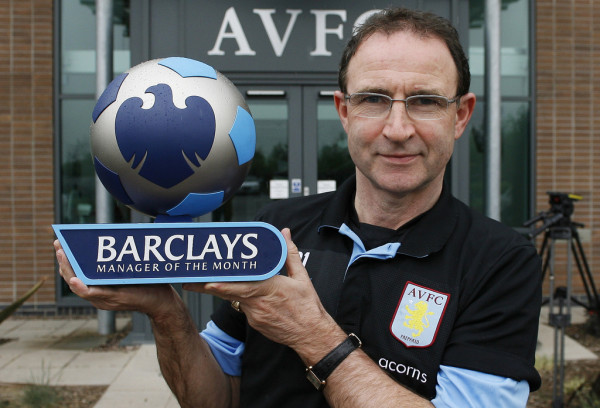
Following O’Neill’s departure, his assistant manager Kevin McDonald would take temporary charge of the first team for the first three matches of the season, producing wins over West Ham (3-0) and Everton (1-0) either side of a heavy defeat from newly-promoted Newcastle (0-6). Then, on 8th September, former Liverpool manager Gerard Houllier. Houllier had been out of management for three years, resigning from his role as Lyon manager in 2007 after leading the team to back-to-back Ligue 1 titles. Thus far, Houllier’s five matches in charge had produced one win, two draws and two defeats. In their most recent fixture before facing Sunderland on 23rd October, Aston Villa had played out a goalless draw with Chelsea. Sunderland, meanwhile, had begun the season by drawing six of their first eight matches and came into the Villa match on the back of five consecutive draws. This run would include three successive draws against Arsenal (1-1), Liverpool (2-2) and Manchester United (0-0). Therefore, the Black Cats would invite Aston Villa to the Stadium of Light, not having won a match since a 1-0 home win over Manchester City on 29th August.
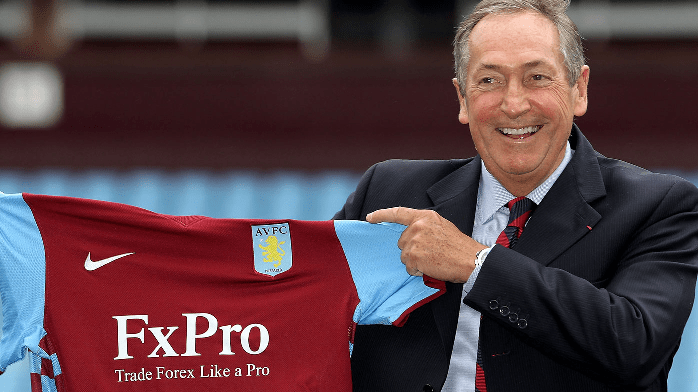
There would be no shortage of attacking intent in the league encounter between Sunderland and Aston Villa, but both sides would waste their opportunities in front of the goal. The two teams would combine for 26 total shots (Sunderland 14-Aston Villa 12), but just 4 of these shots would hit the target (Sunderland 1-Aston Villa 3). However, in a similar fashion to the Blackburn defeat that had ended the previous league campaign, Villa would again fail to capitalise despite creating better goalscoring chances. Stewart Downing would hit the post while the Villa winger’s crosses into the area would lead to missed opportunities for Ashley Young and Emile Heskey. In another similarity to the Blackburn match, Sunderland would ultimately punish the Villans for their sub-standard shooting through an unforced error from Richard Dunne. In the 25th minute of the game, Dunne would accidentally volley a Steed Malbranque cross into his net. For the second time in his career, a Richard Dunne own goal would lead to a 1-0 defeat for his club. The match would see Sunderland rise to 7th in the league standings while Aston Villa would drop down to 10th.
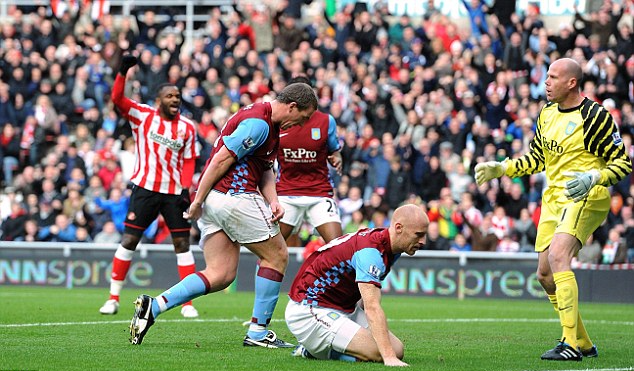
Aston Villa would respond to this defeat by drawing their next two matches against Birmingham City (0-0) and Fulham (1-1), continuing Gerard Houllier’s difficult start to life in the West Midlands. After this, the team would win just two more matches before the end of 2010, ending the year in the relegation zone. However, the team would recover to finish 9th at the end of the season.
9. vs QPR, 25th September 2011
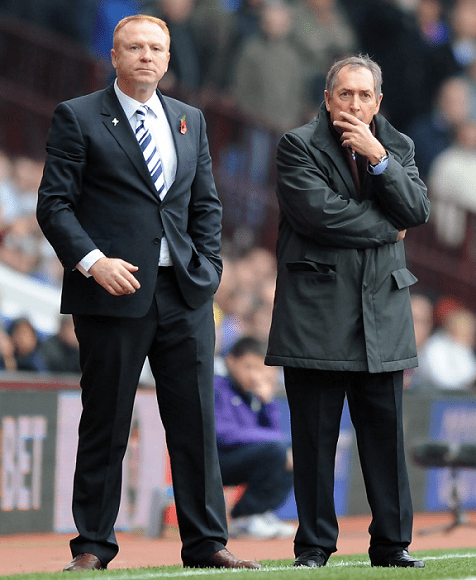
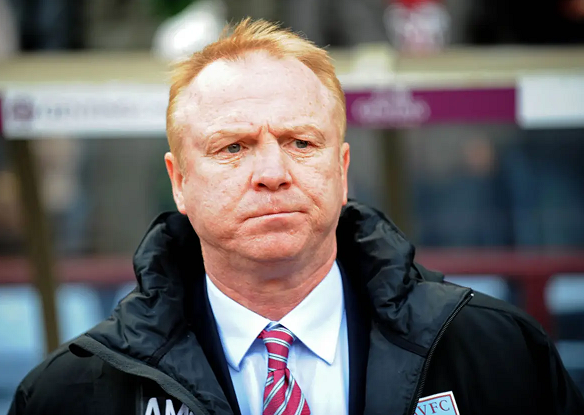
Fast forward 11 months on from the Sunderland defeat, and Dunne would start a match away at Queen Park Rangers playing under another new Aston Villa manager. After the previous season had seen Gerard Houllier dust off his managerial coat for seven months in charge either side of caretaker periods under Kevin McDonald and Gary McAllister, the summer of 2011 would see another new manager take up the reins at Villa Park: Birmingham City manager Alex McLeish. McLeish had overseen a shock triumph for Birmingham over Arsenal in the League Cup final the previous season. However, the team fail to retain their Premier League status during the very same season. To put it lightly, Aston Villa were not happy to find that their new manager had arrived directly from their cross-city rivals.
McLeish would struggle to win over his critics as Villa would win one and draw four of their first five matches of the 2011-12 season. Although Aston Villa would head into their match with QPR on 25th September as one of four unbeaten teams in the Premier League, the team’s failure to win their past three games meant that they sat 6th in the league standings before the match at Loftus Road. Meanwhile, newly-promoted Queens Park Rangers would have a mixed start to their top-flight return, swapping victories over Everton and Wolves with defeats to Bolton and Wigan. Nevertheless, the Hoops went into the Villa match level on points with their opponents, knowing that a victory could catapult the team into the top six.
In another match characterised by both teams failing to convert numerous goalscoring chances, it was no surprise that the two goals scored came from a penalty kick and a fluke own goal. However, in this spirited draw, the top-flight newcomers would take the game to the more established side. Across 90 minutes, QPR would have 19 shots to Villa’s 11, but only two of these shots would trouble goalkeeper Shay Given. Adel Taarabt would hit the post for Rangers, while Hoops goalkeeper Paddy Kenny would save Barry Bannan’s free-kick. Both sides would have penalty appeals. QPR felt aggrieved that Alan Hutton’s alleged handball from Shaun Derry’s header but referee Michael Oliver would point to the spot after Armand Traore pulled back Gabriel Agbonlahor. Bannan would make no mistake with the penalty, firing home to give Villa the lead.
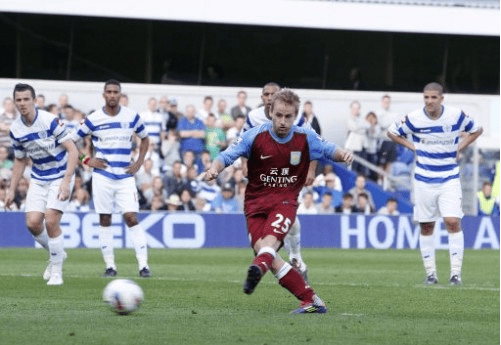
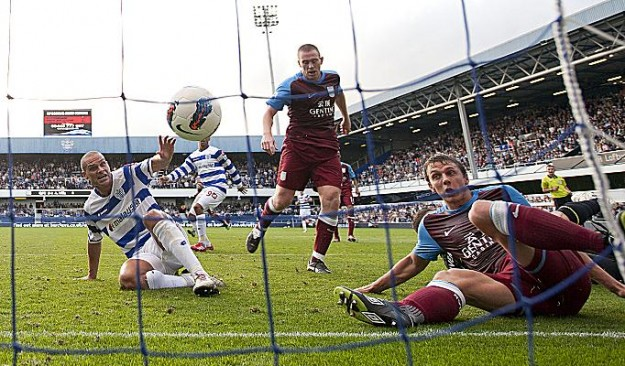
After going behind, Rangers would continue to push for a goal, and the team would earn their just rewards three minutes into stoppage time. Former Villa full-back Luke Young would attempt to get on the end of Heidar Helguson’s ball into the area, but Stephen Warnock would get back to clear the ball. However, in a freak accident, Warnock’s attempted clearance would only rebound off another Villa defender into the back of the net, giving Richard Dunne the most unfortunate of all his Premier League own goals. Anyone watching the match would agree that a draw was a fair result, but manager Neil Warnock would not be happy that the first top-flight goal scored for Queens Park Rangers at Loftus Road since 1997 came from an opposition player.
Despite leaving London with egg on their face, the draw would maintain Aston Villa’s unbeaten start to their league campaign, even if the team had now failed to win their last four Premier League matches. However, the team would right this wrong with a 2-0 win over Wigan Athletic the following week.
The draw with QPR would perfectly sum up Aston Villa’s 2011-12 season. A total of 17 draws would lead to the team finishing down in 16th place, leading to another managerial change the following summer.
10. vs Liverpool, 19th October 2014
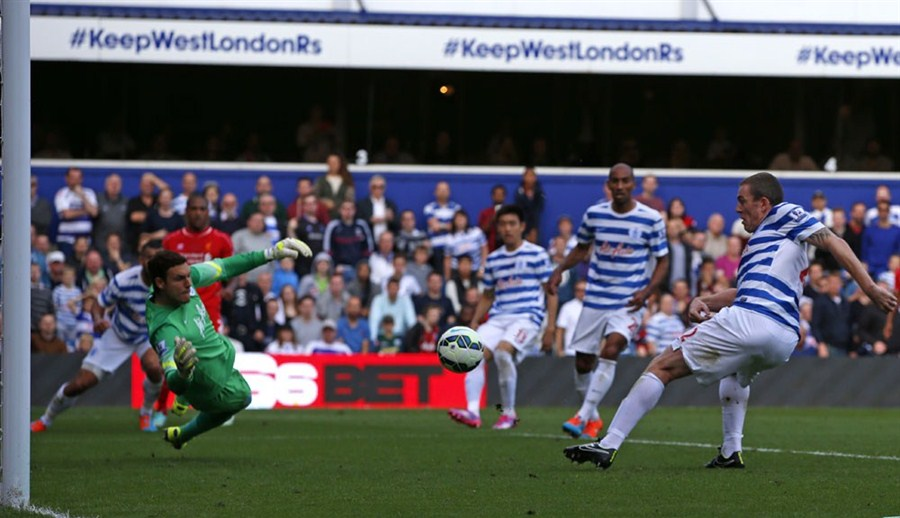
The final own goal that Richard Dunne would score in the Premier League would come during his last Premier League campaign and the final season of his 18-year professional career. Luckily, in the match that Dunne would score his final own goal, he would not be the only player, or even the most high-profile player, to divert the football past their own goalkeeper. In July 2013, Dunne would leave Aston Villa and join Queens Park Rangers on a free transfer. He had missed the entirety of the 2012-13 season due to a persistent groin injury, and Villa would release Dunne from his contract at the season’s conclusion. The Irish centre-back would join QPR, who had suffered Premier League relegation the previous season but would attempt a swift return to English football’s top division under the management of Harry Redknapp.
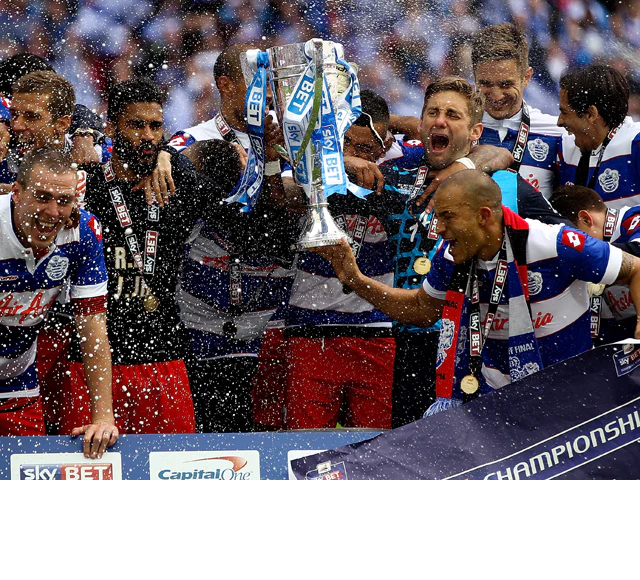
Playing in the Championship for the first time since the 2001-02 season, Dunne would form a mean back five with Rob Green, Danny Simpson, Clint Hill and Benoit Assou-Ekotto as part of a team that would have the 3rd-best defensive record in the division (44 goals in 46 matches). As a result, QPR would finish 4th in the regular-season standings, qualifying for the play-offs. After besting Wigan Athletic in a two-legged semi-final, Rangers would meet Derby County at Wembley with Premier League promotion on the line. After 90 minutes of action, Bobby Zamora’s goal would win the play-off final for QPR with practically the last kick of the game. Thus, QPR would join Leicester City and Burnley in achieving Premier League promotion. Thus, Richard Dunne had achieved top-flight promotion for the second time in his career, first accomplishing the feat with Manchester City in 2002, and now would have the chance to play Premier League football once more.
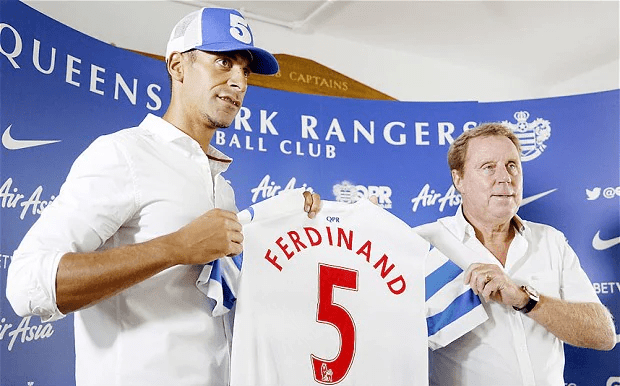
Despite signing Steven Caulker, Sandro, Leroy Fer and (most notably) Rio Ferdinand, QPR would find the Premier League just as tricky as they had two seasons previously. Before their match with Liverpool on 19th October, Queens Park Rangers sat bottom of the table, having won just one of their first seven matches. Aside from a 1-0 win over Sunderland at the end of August and a 2-2- draw with Stoke in mid-September, life was miserable in northwest London as they prepared to invite the previous season’s runners-up to Loftus Road. Their opponents Liverpool, fresh from selling Luis Suarez to Barcelona, had also started the season in less-than-stellar form. For a team that lost six matches the previous season, Brendan Rodgers’ side had already lost three before facing Queens Park Rangers (including defeats to West Ham and Aston Villa). As a result, the Reds sat in 9th place going into this particular match.
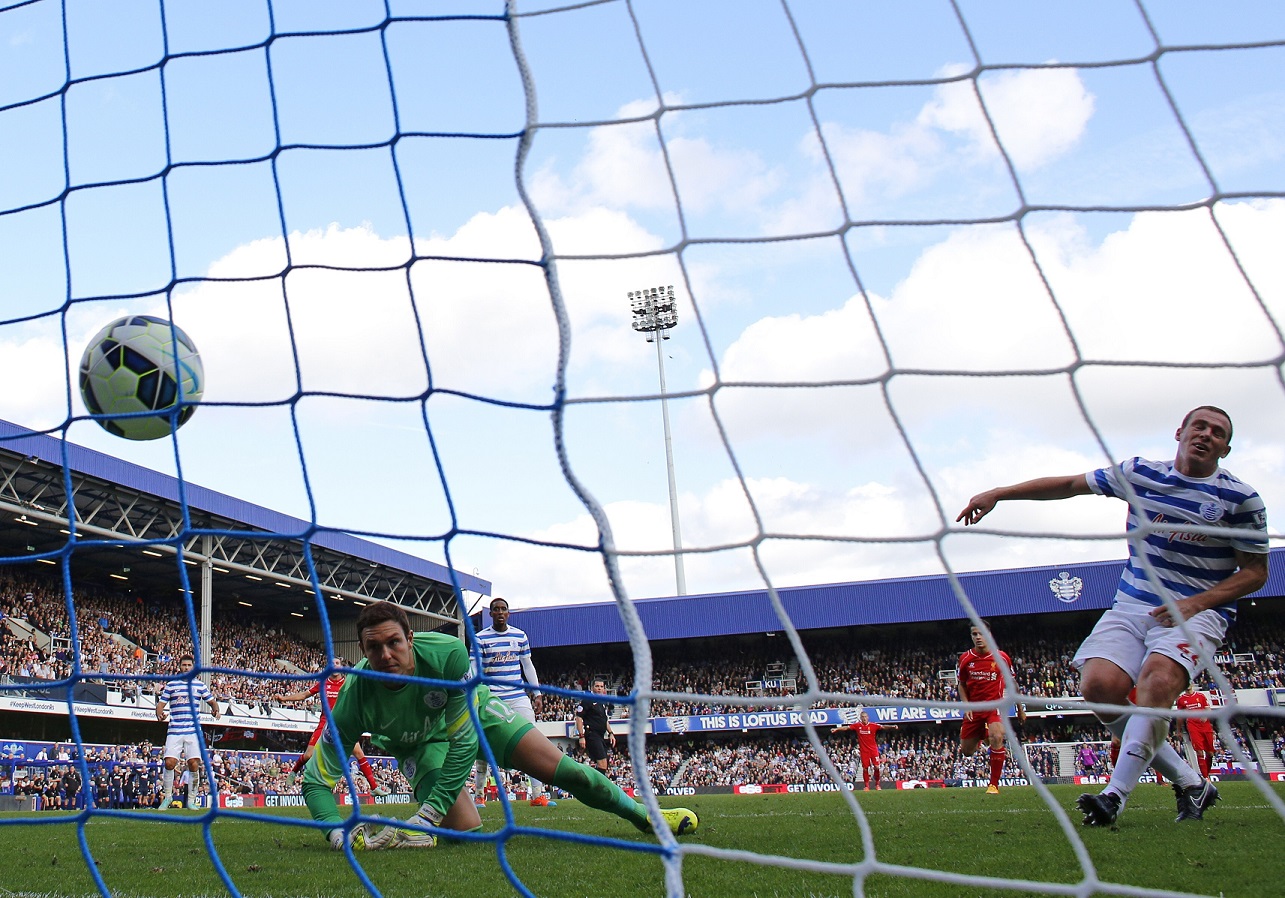
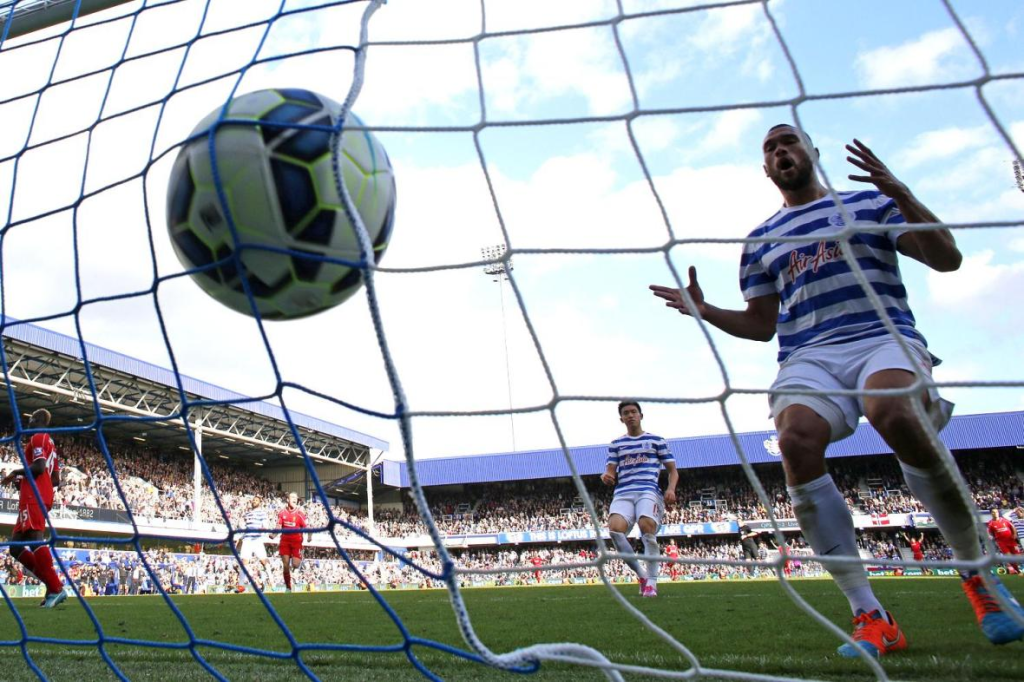
The match between QPR and Liverpool would see five goals scored in the final 30 minutes. In a game that saw both sides combine for 30 shots (9 on target), three of the five goals scored would be ‘own goals’. In the first half, QPR would have the best chances, but Charlie Austin and Leroy Fer would fail to convert. The scoring would begin in the wrong way, with Richard Dunne’s 10th Premier League own goal. Dunne would accidentally prod home from Glen Johnson’s ball across the box. Despite becoming the first man to hit double figures for scoring in the wrong goal, the QPR defender would quickly lighten the mood, cracking a smile with his teammates as he walked away. Dunne’s mistake would separate the two teams for a further twenty minutes until both QPR and Liverpool would combine for four goals in the final eight minutes of the match. In the 87th minute, Eduardo Vargas would atone for Dunne’s error, heading past Simon Mignolet from close range to equalise for the Hoops. However, with 20 seconds remaining, Philippe Coutinho would cut inside and beat Alex McCarthy at his near post to re-establish Liverpool’s lead.
The second own goal of the match would come from the most famous player on the field. Steven Gerrard, who had seen an earlier effort flash past the post of Alex McCarthy’s goal, would find the target at the same end of the field one minute into stoppage time. Leroy Fer would swing a corner close to Mignolet. Vargas would glance a header towards the near post. However, the ball would deflect off of Steven Gerrard’s body, wrongfooting Liverpool’s Belgian goalkeeper as he struggled to keep the ball out. Even though Vargas would celebrate scoring the second equaliser of the match, Liverpool’s captain had scored the second own goal of his illustrious top-flight career to give Rangers a lifeline deep into added time.
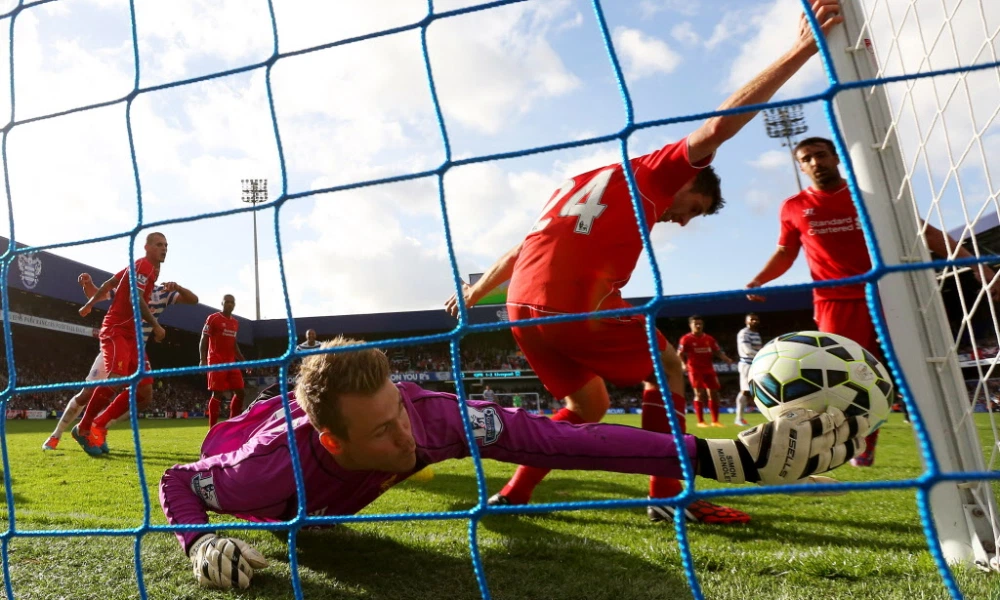
Set to claim a deserved point against the Reds, QPR would shoot themselves in the foot. In the fifth minute of added time, Philippe Coutinho would play Raheem Sterling through the Hoops defence. However, Sterling’s attempt to square the ball to Mario Balotelli would instead hit the foot of the backtracking Steven Caulker to finish the third own goal of the match. With no time for the hosts to respond, Liverpool would win this most unique of five-goal thrillers, a win that would move the Reds into 5th, while QPR would remain rooted to the bottom of the league table, having claimed just 4 points from 8 matches.
After sustaining their 6th loss of the campaign, Queens Park Rangers would finally win their second match of the season, defeating Aston Villa 2-0 at Loftus Road. However, QPR would spend the rest of the season in relegation trouble. In February 2015, Harry Redknapp would resign as manager, and his replacement, academy manager Chris Ramsey, could not halt the team’s slide towards the Premier League trapdoor. A 6-0 defeat to Manchester City on 10th May would confirm QPR’s relegation to the Championship with two matches left. On 31st May, the club would release Richard Dunne after the expiration of his contract. After considering offers from the USA, India and his native Ireland, Dunne would announce his retirement in November 2015 at 36 years old.
Conclusion
According to official Premier League statistics, Richard Dunne is in a class of his own in scoring own goals. He is the only player in the league’s history to hit double figures for this particular act, while his ten efforts on the incorrect target are three more than any player has ever produced. Looking down this unfortunate list, fellow centre-backs Jamie Carragher, Phil Jagielka and Martin Skrtel tie for second place, each having scored seven times during their top-flight career.
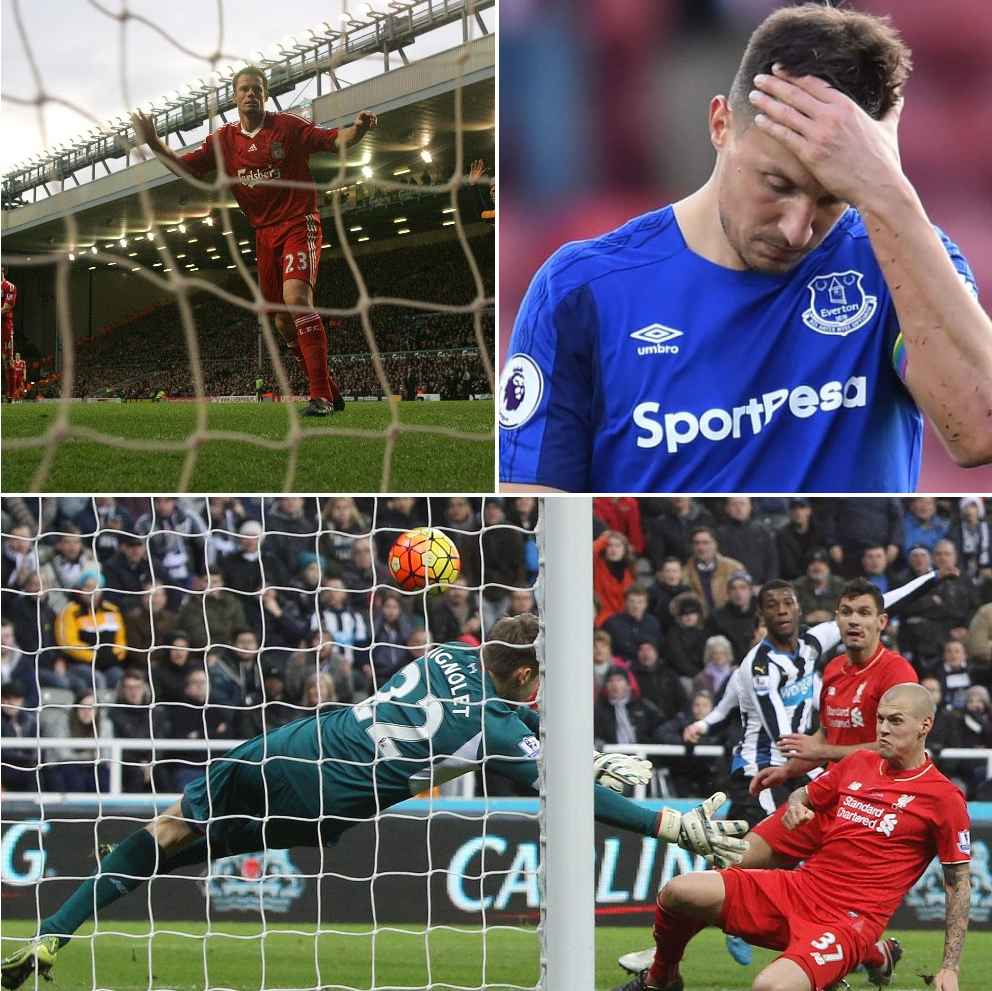
However, despite Richard Dunne being the league’s record holder for the most own goals in total, he does not hold the record for most own goals in a single Premier League season. The current holders of this particular record are Martin Skrtel and Brighton’s Lewis Dunk. Both players would suffer the ignominy of scoring a record four own goals in a single campaign, making history during the 2013-14 and 2017-18 seasons, respectively. At the time of writing, the active Premier League with the most own goals to his name is Jonny Evans, who has scored six in fourteen seasons for Manchester United, West Brom and Leicester City. Following Evans on the active list are Dunk, Crystal Palace’s Scott Dann and Newcastle’s Federico Fernandez, with five to their names. I guess that ‘own goals’ are just part of the perils of being a Premier League centre-back, as this list certainly demonstrates.
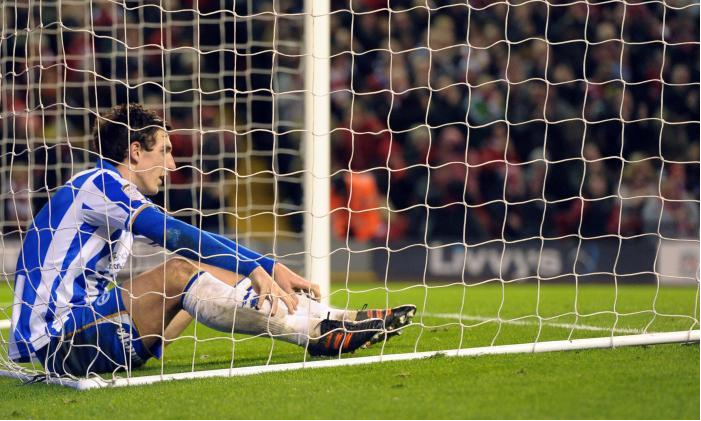
On average, Richard Dunne would score an own goal in the Premier League once every 1.5 seasons. However, the first time he would accidentally put the ball past his own keeper would not occur until 2004, during his eighth of seventeen Premier League seasons. Taking this into account, Dunne would score an average of one own goal a season for the rest of his career. After scoring his first against West Brom in December 2004, he would continue to convert opposition chances for seven of the subsequent nine league campaigns (not including 2004-05). Only in 2005-06 and 2012-13 (where he missed the entire season through injury) would Dunne manage to avoid his common fate.
To reiterate the point made at the beginning of this article, Richard Dunne was not a bad defender and this particular Premier League record does not make him one. On the contrary, for a man to play top-flight football in three different decades, earn several individual achievements at club and international level and captain a Premier League team for multiple seasons makes for a great career. It’s just that he had a bad habit of putting the ball in the wrong goal, that’s all.
 the-score-board.co.uk