
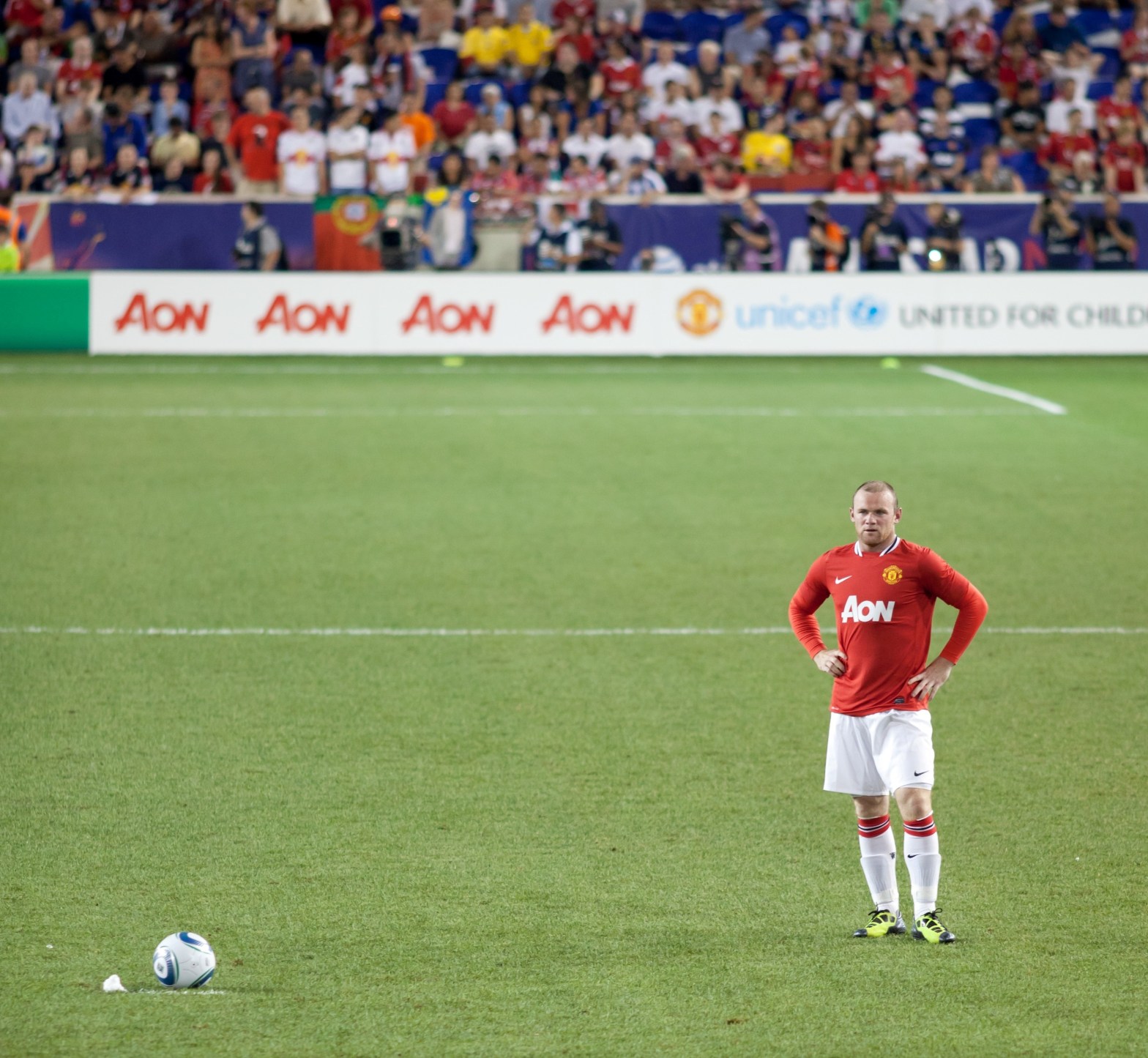
In his 19-year footballing career, the boy from Croxteth sure broke a fair few records along the way…
On 15th January 2021, multiple news sources reported that Derby County had announced Wayne Rooney as their new full-time manager. Rooney had moved from Major League Soccer outfit Toronto FC to join Derby as a player-coach in January 2020. He was also made the team captain by manager Philip Cocu. Rooney would make 28 appearances for Derby before Cocu’s departure on 14th November 2020. Rooney would make two more appearances for the club before taking temporary charge of the team on 26th November until further notice. Less than two months later, Rooney’s job became permanent. With this club announcement on 15th January 2021 came one of the most low-key retirements in recent football history.
By accepting the offer to become Derby’s full-time manager, Rooney retired from active duty, with his last game being a 3-0 defeat to Middlesbrough on 24th November 2020. This match would be the final one in an 18-year professional career that included 763 appearances, 313 goals, 16 major trophies and a large collection of football records set at club, league, national and international level. These records will be the subject of this long-form article, as these records can themselves tell a timeline of Wayne Rooney’s legendary career. Some of these records are well-known, others more obscure. Some of these records still belong to Rooney, others now belong to other players (which will be specified in each case). If there is one way that a legendary football career can be defined, it is through the personal records that an individual player set throughout their career that sets them apart from all other players. The following article will present a wide selection of records, both current and former, set by one Wayne Rooney between his debut on 17th August 2002 to his final match on 24th November 2020.
Youngest goal-scorer in Premier League history: vs Arsenal, 19th October 2002
After being discovered by a local scout at the age of 11 and top-scoring during the team’s run to the 2002 FA Youth Cup Final, Wayne Rooney would be given his senior professional football debut by Everton manager David Moyes in the club’s opening match of the 2002-03 Premier League season against Tottenham. Rooney would start the game but would be substituted for Niclas Alexandersson after 67 minutes in a game that would end in a 2-2 draw, not managing to score on his debut. Over the next couple of months, the 16-year-old would become a regular part of Everton’s Premier League matchday squads, with starts and substitute appearances coming in equal measure. On 1st October, Rooney would break his Everton duck by scoring twice in a 3-0 League Cup win over Wrexham. It would take Rooney a further two matches to score his first league goal for Everton.
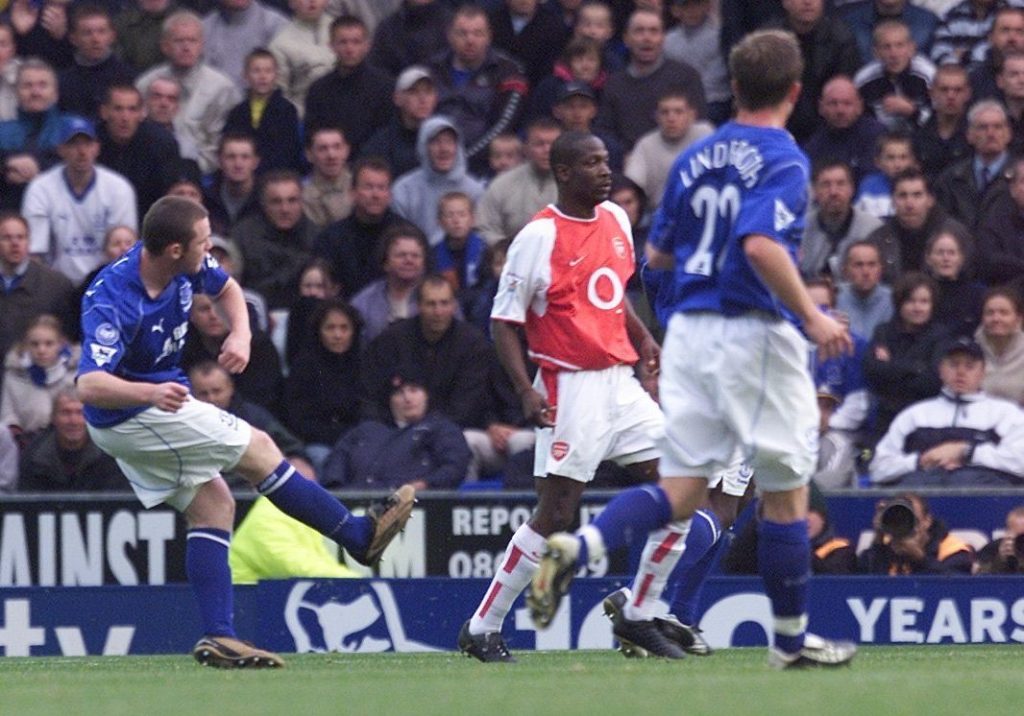
On 19th October, Everton would invite the defending Premier League champions Arsenal to Goodison Park. Arsenal would head into the match at the top of the league and on a 30-match unbeaten streak. Wayne Rooney would start the match on the bench as David Moyes would begin the game with Tomasz Radzinski and Kevin Campbell as his two strikers. Freddie Ljungberg would give the champions an early lead, but Radzinski would score Everton’s equaliser in the 22nd minute. With the match still level after 80 minutes and seemingly heading towards a draw, Moyes would turn to his bench for a winner, bringing Rooney on to replace Radzinski. In stoppage time, the 16-year-old would make his mark, not just on the game but on the Premier League as a whole.
Rooney would pick up the ball on the inside left channel before turning and curling a shot over the ailing David Seaman into the Arsenal net. As Wayne Rooney ran away to celebrate in front of the Everton faithful, fact-checkers discovered that scoring this goal made Wayne Rooney, aged just 16 years and 360 days, the youngest scorer in Premier League history. The previous holder of this record was Michael Owen, who had taken the world by storm after scoring his first Premier League five years earlier aged 17 years and 144 days. Rooney would hold the record of being the youngest-ever Premier League goal-scorer for just two months before James Milner scored for Leeds on Boxing Day aged 16 years and 356 days.
With Rooney’s goal, Everton would beat Arsenal 2-1, ending their 30-match unbeaten streak. As Clive Tyldesley noted for ITV that day ‘Remember the name Wayne Rooney’. He would be correct in this prediction.
Youngest England cap: aged 17 years and 111 days vs Australia, 12th February 2003
Following his headline-grabbing goal against Arsenal, Wayne Rooney would score a further two Premier League goals before the end of 2002, in Everton wins over Leeds (1-0, 3rd Nov) and Blackburn (2-1, 14th Dec). However, despite his record-breaking goal, 10 of Rooney’s following 13 league appearances would also come from the bench, replacing Tomasz Radzinski in 30+ minute offerings. Despite his lack of Premier League starts, international recognition would soon arrive on Wayne Rooney’s radar. However, the call would not come from the U-17’s, U-19’s, U-20’s or even from England U-21 manager David Platt, but from Senior team head coach Sven-Goran Eriksson.
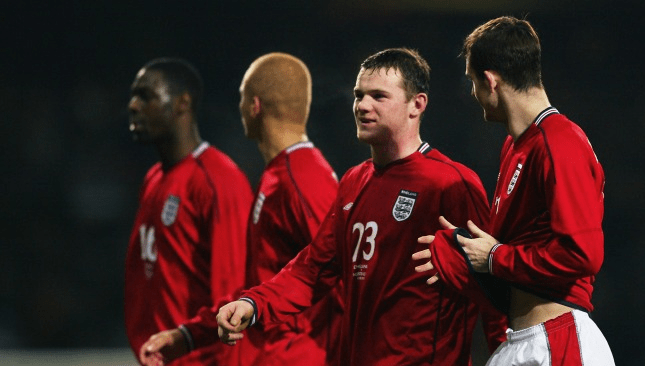
In March 2003, Rooney would receive his first senior England call-up for a one-off friendly against Australia. In a match that would also see the international debuts of John Terry, Jermaine Jenas, Paul Robinson and Paul Konchesky, Wayne Rooney would, again, make history when coming off the bench at half-time (in a match where the entire starting XI was substituted at half-time). By making his England debut that day, Wayne Rooney became the youngest England cap in history aged 17 years and 111 days. He took this record from James Prinsep, who had set the previous mark in 1879 aged 17 years and 252 days.
However, Rooney’s England debut would not be an altogether happy one, as the two England XI’s would be shocked by Australia’s finest. Goals from Tony Popovic, Harry Kewell and Brett Emerton would give the Socceroo’s ‘golden generation’ an upset 3-1 victory over England’s ‘golden generation’. England’s goal that day would come from a debutant, not from Wayne Rooney but instead Arsenal’s Francis Jeffers, who would make the score 2-1 in the game’s 70th minute. Let’s just say that the former’s England career would last considerably longer than the latter’s England career. Three years after this match, the record of England’s youngest-ever player would be passed on to Theo Walcott, who would take the record from Wayne Rooney by appearing as a substitute in a 2006 World Cup warm-up match against Hungary aged 17 years and 75 days.
Youngest England goal-scorer: aged 17 years and 317 days vs Macedonia, 6th September 2003
Following his England debut in March 2003, Wayne Rooney would appear in four of England’s next six matches, starting in matches against Liechtenstein and Serbia and Montenegro. On 6th September, Rooney would receive his sixth England cap in a Euro 2004 qualifying match against FYR Macedonia. On this day, he would make England history for the second time in six months.
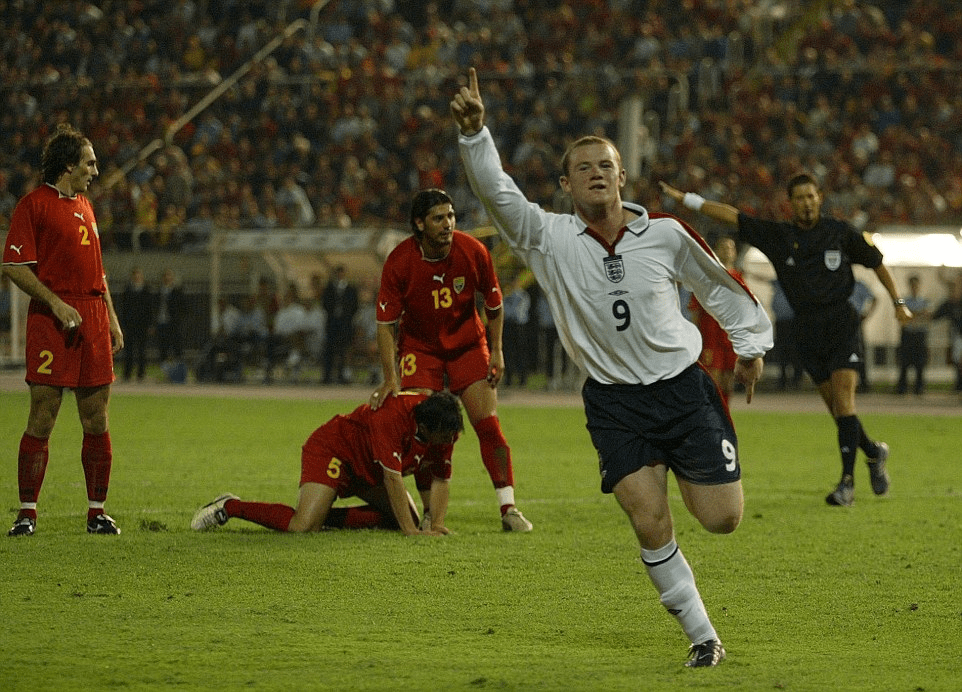
Rooney would start the Macedonia match alongside Michael Owen, forming a partnership that would last for the next three years at an international level. A classic ‘golden generation’ line-up also featuring rare starts for the underrated pairing of Nicky Butt and Owen Hargreaves surprisingly fell behind to a 27th-minute Macedonian opener scored by midfielder Georgi Hristov. As a further surprise, the team ranked 91st in the Elo rankings would head into half-time still leading the former world champions. In the 53rd minute, Wayne Rooney would finally end Macedonia’s lead at 26 minutes by breaking his England scoring duck and making history in the process. A long pass forward from David Beckham would be headed down by Emile Heskey, to which Wayne Rooney would run onto, lashing home a first-time shot from 18 yards.
Aged 17 years and 317 days, Rooney became England’s youngest-ever goalscorer, beating Michael Owen’s record by around 200 days. Following Rooney’s goal, a David Beckham penalty would spare England’s blushes as the Three Lions just managed to avoid stepping on a banana skin. Despite scoring his first goal in 2003, Wayne Rooney still holds this England record to this day.
Youngest to 50 Premier League appearances: 18 years and 65 days vs Birmingham City, 28th December 2003
After a stellar record-breaking 12 months in senior football, Wayne Rooney would cap off 2003 with one more Premier League record. In Everton’s final match of the year, Rooney would become the youngest player to make 50 Premier League appearances, aged just 18 years and 65 days. Rooney would celebrate this milestone by scoring the only goal in a 1-0 win over Birmingham City at Goodison. The milestone and the resulting goal was a sign of how quickly Wayne Rooney had settled into the ‘fast-paced nature of Premier League football, and the faith that Everton manager David Moyes had in his young teenage prodigy. Since making his debut a year earlier, Rooney had become a regular part of the Toffees’ matchday squads, starting 26 league matches along the way. However, with Rooney’s potential beginning to show on the pitch week in and week out, David Moyes was not the only person impressed with the young Liverpudlian.
Youngest goal-scorer in UEFA European Championship history: 18 years and 237 days vs Switzerland, 17th June 2004
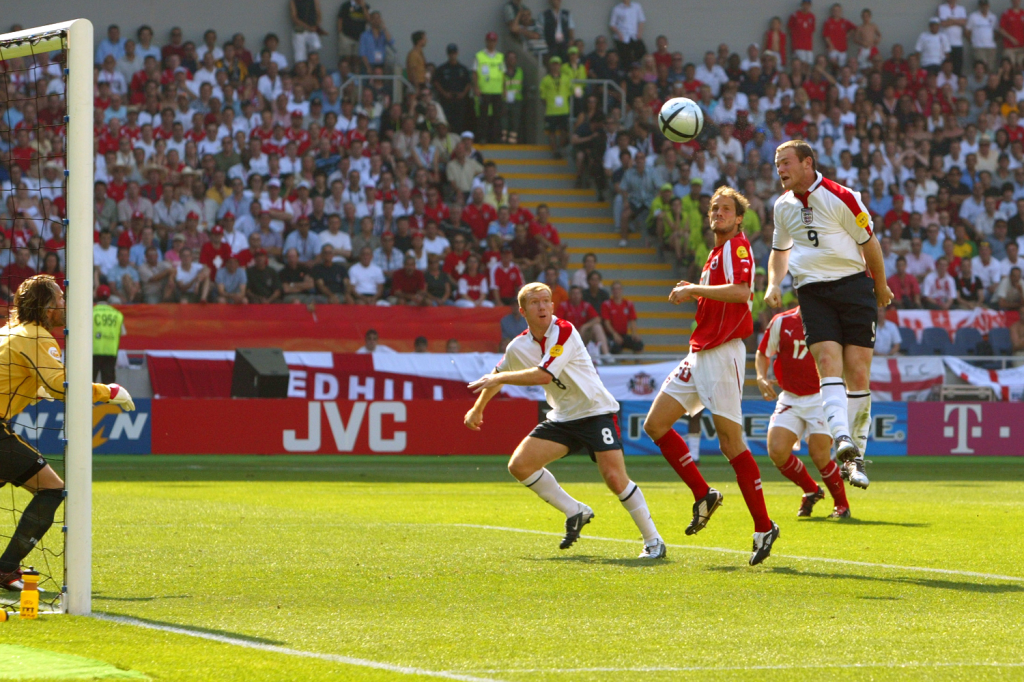
Following a season which saw Rooney finish as top scorer for a relegation-battling Everton with 9 goals in 34 Premier League appearances and feature in every England match following his Macedonia goal, it was no surprise to see Wayne Rooney’s name appear as part of Sven-Goran Eriksson’s 23-man squad for UEFA Euro 2004 alongside fellow strikers Michael Owen, Emile Heskey and Darius Vassell. Rooney would start England’s first match of the tournament against reigning European champions France and grab the headlines despite not getting on the scoreboard. Faced with a back four featuring Lilian Thuram, William Gallas, Mikael Silvestre and Bixente Lizerazu, Rooney would run this experienced defence ragged, winning England a second-half penalty that David Beckham would fail to convert. Despite England ultimately losing the match, commentators and journalists had nothing but praise for the 18-year-old striker.
In England’s next match against Switzerland, Rooney would announce himself to the rest of Europe. The Everton striker would score twice in a 3-0 England win in another acclaimed performance. First, Michael Owen would cross the ball across the 18-yard box for Rooney to head past a stranded Jorg Stiel in the Switzerland goal. Scored after 23 minutes, this goal made Rooney, at 18 years and 237 days, the youngest goalscorer in European Championship history. For his second goal, Rooney would collect a pass from substitute Darius Vassell before manoeuvring the ball onto his right foot and sliding the ball past Stiel at his near post. A third goal scored by Steven Gerrard would seal England’s win, and the team and Wayne Rooney were off and running in the championship.
Similar to his Premier League goalscoring record, Rooney’s Euros goal record would be short-lived. At the same time that another Rooney brace would lead England to a 4-2 victory over Croatia, young striker Johan Volanthen would score a 26th-minute equaliser for Switzerland against France, in a match that would eventually see the defending champions prevail 3-1. Volanthen was 18 years and 141 days old at the time of his goal, becoming the youngest goalscorer in European Championship history, ending Rooney’s record after four days.
Record transfer fee for a player aged under 21: £25.6 million, 31st August 2004
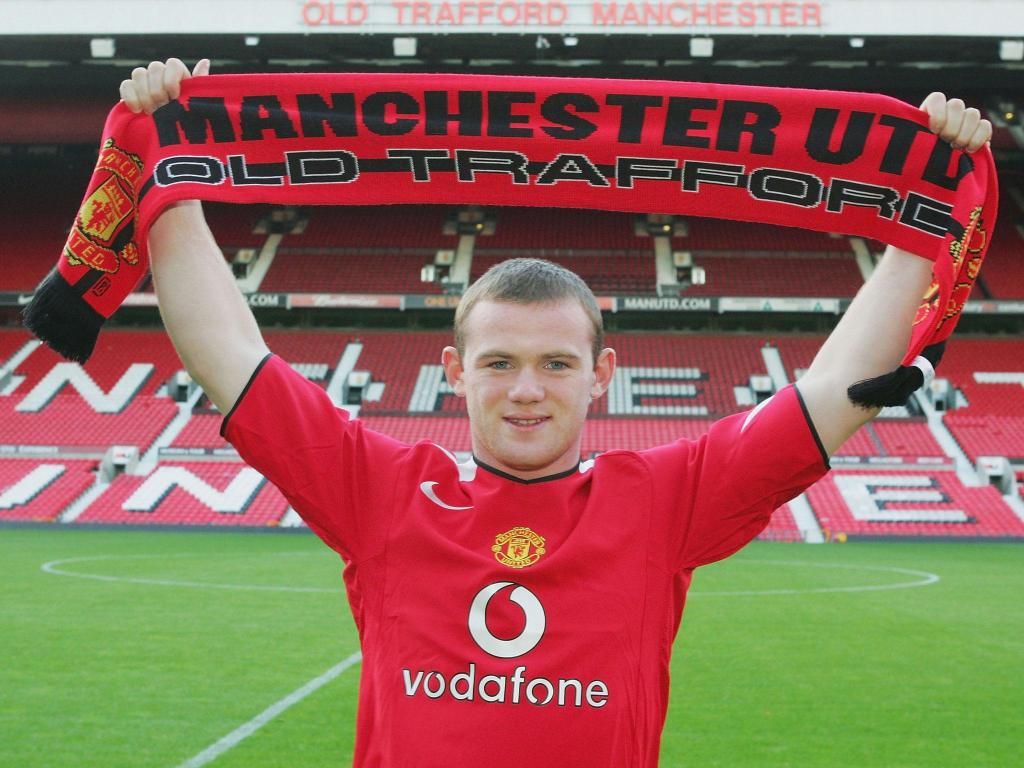
Following his international star-making performance in Portugal and two impressive seasons at Everton, it was no surprise that Wayne Rooney was being courted by multiple suitors come the summer of 2004. In August, Rooney would refuse a new contract from Everton, and submit a transfer request. This act would perk up Newcastle and Manchester United’s ears, who would both move to sign the 18-year-old that month. After rejecting a reported £20million bid from the Magpies on 24th August, the Red Devils would get their man on transfer deadline day one week later. The fee of £25.6 million, was at the time a world record for a teenage player. This record would last until Lucas Moura signed for PSG for £38 million in 2012. With a fee this large for a player of Rooney’s age, Sir Alex Ferguson was taking an expensive risk. However, based on what he had witnessed over the last two years, he thought that it was a risk worth taking. Now it was up to the 18-year-old to repay the confidence shown in him by England’s biggest club.
Youngest hat-trick in Champions League history: aged 18 years and 335 days vs Fenerbahce, 28th September 2004
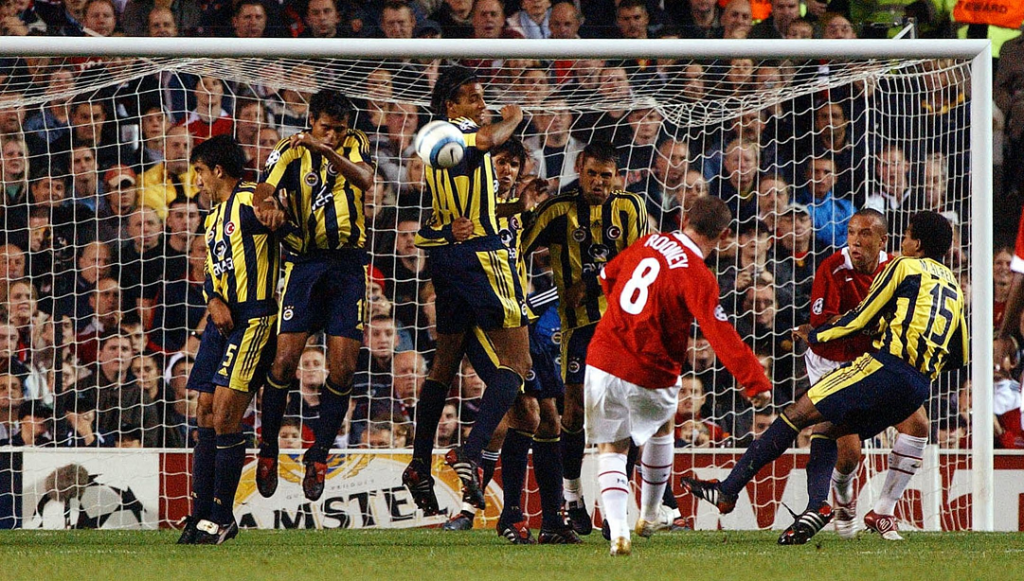
How about starting your career at Manchester United by setting another record just one month shy of your 19th birthday? After his record-breaking transfer from Everton to Manchester United, Wayne Rooney would spend four weeks watching on from the sidelines before making his debut. On 28th September 2004, Rooney would make his United debut in a Champions League group stage match against Fenerbahce. Manchester United would sweep aside the Turkish Superliga champions with relative ease in a 6-2 victory with Ryan Giggs, Ruud van Nistelrooy and David Bellion among the goals. However, the match and the occasion would be stolen by the man wearing the No.8 shirt. In a fairytale debut, Wayne Rooney would score a 37-minute hat-trick (17′, 28′, 54′) either side of half-time. Not only did Rooney score the first hat-trick of his senior career, but he also became the youngest player to ever score a hat-trick in the Champions League. A feat which Rooney had accomplished on his Manchester United and Champions League debut. Not a bad way to start your Manchester United career all things considered.
Youngest to 100 Premier League appearances: 19 years and 321 days vs Manchester City, 10th September 2005
Another signifier to demonstrate how quickly Wayne Rooney rose through the English football ranks was that he made his 100th Premier League appearance while still only 19. Three years and three weeks after making his senior debut, Wayne Rooney had hit triple figures in terms of top-flight appearances. This momentous appearance would arrive during a momentous occasion: the Manchester derby. Unfortunately for Rooney, the first Manchester Derby of the 2004-05 season would end in a 1-1 draw as Ruud van Nistelrooy’s goal on the verge of half-time would be cancelled by a Joey Barton equaliser in the 76th minute.
Youngest to 200 Premier League appearances: 22 years and 345 days vs Blackburn, 4th October 2008
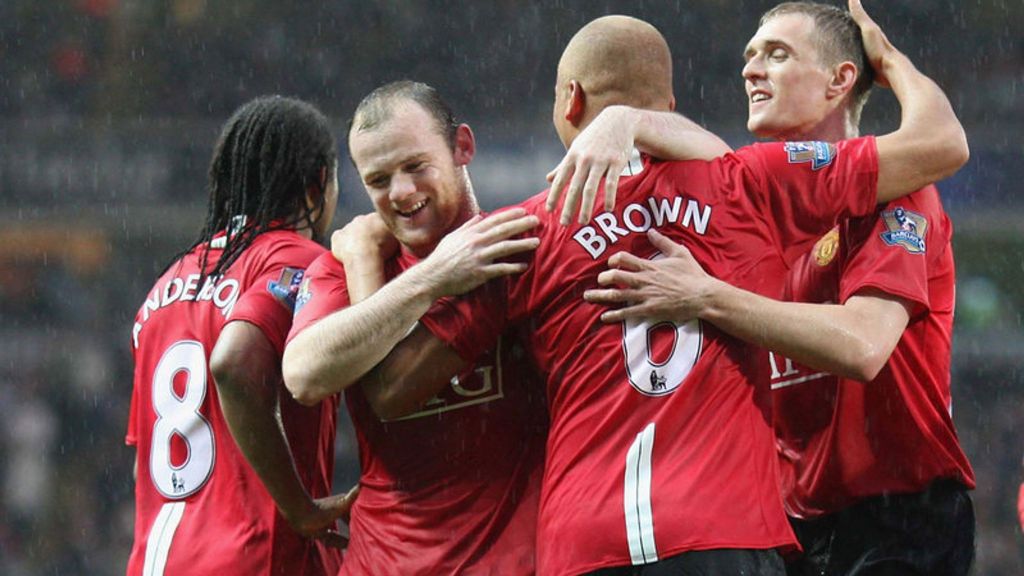
Three years later. Another appearance milestone for Wayne Rooney, another record set, another birthday just weeks away. On 4th October 2008, Rooney would make his 200th Premier League appearance just under three weeks (20 days) before his 23rd birthday, once again becoming the youngest-ever player to reach said milestone. Considering that most 22-year-old footballers are still seen as ‘developing’ players, and can either find themselves sent out on loan or find their minutes limited, it was a testament to Rooney’s talent that he managed to reach 200 top-flight appearances while still practically in the early stages of his professional career. Rooney would celebrate this milestone by scoring in a 2-0 away victory over Blackburn Rovers. After Wes Brown opened the scoring after 31 minutes, Rooney would double United’s lead just past the hour mark, resulting in a routine victory for the Red Devils.
Youngest to 50 England caps (male): aged 23 and 5 months vs Ukraine, 1st April 2009
Six months later, Wayne Rooney would set another record by reaching yet another appearance milestone, this time at the international level. On April Fool’s Day 2009, he would receive his 50th cap for England, starting in 2010 World Cup qualifier against Ukraine. In racking up a half-century of caps, Rooney would beat Michael Owen’s record by 20 days in being the youngest to reach this particular landmark at 23 years and 159 days. In the match, Rooney would play the full 90 minutes. However, unlike Owen, who would celebrate his 50th cap by scoring a brace in a 2-1 Euro 2004 qualifier against Slovenia in June 2003, Rooney would fail to get the scoresheet at Wembley in April 2009, as goals from John Terry and strike partner Peter Crouch would seal a 2-1 win for Fabio Capello’s side.
Youngest to 300 Premier League appearances: 26 years and 58 days vs Fulham, 21st December 2011
In 2011, Wayne Rooney would be gifted with a trio of Christmas presents. On 2011’s shortest day, Rooney would join the Premier League 300 appearance club, setting another record along the way. Aged 26 years and 58 days, Rooney would celebrate the occasion with a goal in a comfortable Manchester United victory. In the 88th minute of a match with Fulham away at Craven Cottage, Rooney would score the 4th goal in a 5-0 United win, in a match that also featured goals from Danny Welbeck, Nani, Ryan Giggs and Dimitar Berbatov.
Youngest to 100 England caps (male): aged 29 years and 22 days vs Slovenia, 15th November 2014
By late 2014, Wayne Rooney was the most experienced player that the England team could call upon every international break. Following the retirements of Ashley Cole, Steven Gerrard and Frank Lampard following the World Cup in Brazil. With a new international tournament to qualify for (Euro 2016), England manager announced that Wayne Rooney would be the new England captain going forward. Rooney’s reign as captain would have the perfect start as he would score the only goal in 1-0 friendly win over Norway on 3rd September.
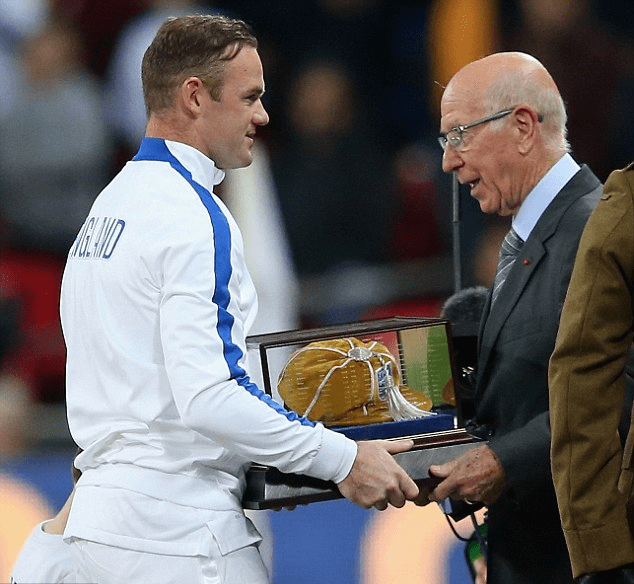
England would remain unbeaten for Rooney’s next three matches in charge, with Euro 2016 qualifying wins over Switzerland (2-0), San Marino (5-0) and Estonia (1-0). England’s 4th qualifying match against Slovenia would be a special occasion for Rooney, as the game would signal Rooney’s 100th England cap. He would become the 9th player to achieve the feat, following Billy Wright, Bobby Charlton, Bobby Moore, Peter Shilton, David Beckham, Steven Gerrard, Ashley Cole and Frank Lampard. Once again, due mostly to the age he was on his England debut, Rooney became the youngest England player to ever reach 100 caps. Of the nine players who have received 100 England caps, Rooney is the only player to accomplish this feat before turning 30. When Rooney led out England against Slovenia at Wembley Stadium on 15th November 2014, he was 29 years and 22 days old. Once on the field, Rooney would be presented with a golden cap encased in a glass case by Sir Bobby Charlton, a ceremony previously afforded to all England centurions of the modern era.
On Rooney’s special night, the England captain would have to respond quickly to his side going behind. The visiting Slovenia side would be gifted a 57th-minute lead following a Jordan Henderson own goal. Two minutes later, Rooney would be fouled in the Slovenia penalty area before stepping up to convert the follow-up penalty kick. From then on, it would be all England as two goals from Danny Welbeck would give England the 3-1 victory. A comfortable, but unconvincing victory for England on the field. In the future, the night would be remembered just for Rooney’s sake.
Youngest to 400 Premier League appearances: 29 years and 162 days vs Aston Villa, 4th April 2015
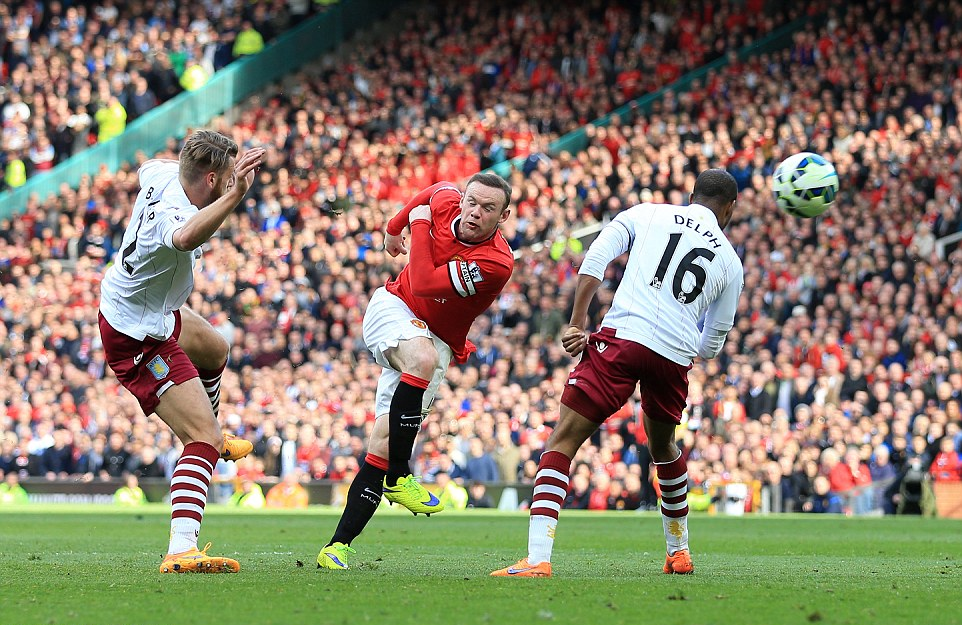
Wayne Rooney would achieve his last Premier League appearance milestone, and therefore his last Premier League appearance record would arrive on 4th April 2015. In a late-season match at Old Trafford between a Manchester United side in the Champions League places and an Aston Villa side facing a relegation battle, Rooney would make his 400th Premier League appearance. In another statistic that proves Rooney’s talent, his level of consistency to perform at the highest level, and his exemplary injury record, Rooney achieved his 400th top-flight appearance before turning 30. Aged 29 and 162 days, Rooney would become the youngest player to ever make 400 Premier League appearances, a feat that only 37 other players have achieved in the Premier League’s entire history.
To celebrate this final appearance milestone, Rooney would score in a 3-1 Manchester United victory. His 79th-minute finish would bridge the gap between an Ander Herrera brace. After making this landmark appearance, he would make a further 91 appearances in the Premier League for Manchester United and Everton before departing for North America in 2018. He currently sits 17th in the Premier League appearance standings, placed between John Terry on 492 and Michael Carrick on 481.
Most consecutive seasons to score at least 10 Premier League goals: 11 (2004–2015)
A less-remembered record from Wayne Rooney’s Premier League career that firmly attests to his ability as a prolific goalscorer comes from the fact that he holds the Premier League record for the most consecutive seasons hitting double figures in the top division of English football. For 11 straight seasons beginning in the 2004-05 season and ending in the 2014-15 season, Rooney would never have a truly awful season in front of goal. His record during this 11-season streak reads as follows: 11, 16, 14, 12, 12, 26, 11, 27, 12, 17, 12. That is one way of showing consistency over the years.
Most goals scored by an England international (all): vs Switzerland, 8th September 2015
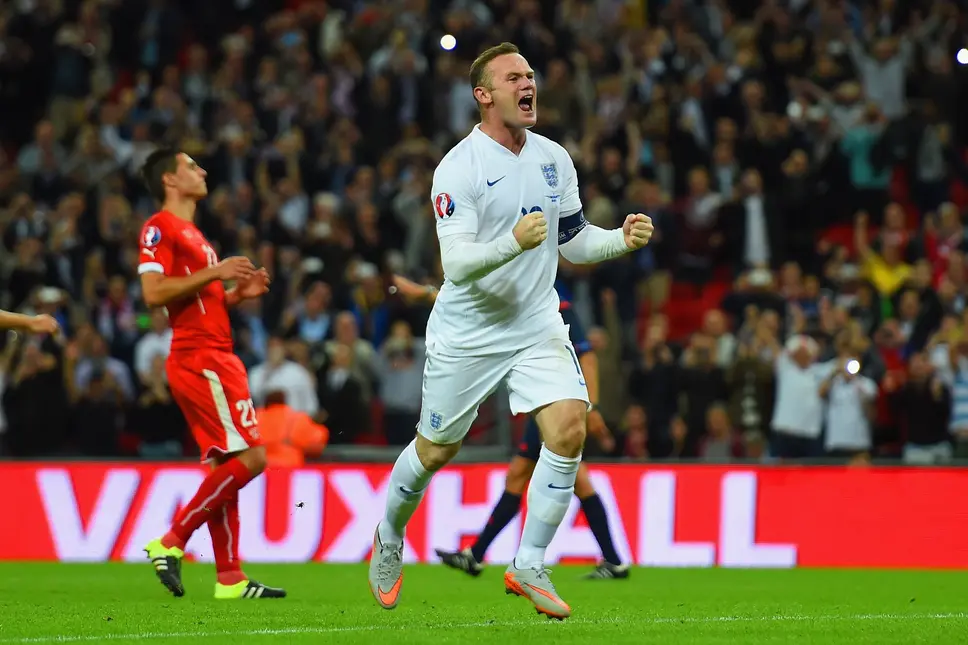
An England vs Switzerland match in 2004 would be the sight of one Wayne Rooney goal record. Another England vs Switzerland eleven years later would be the sight of another, altogether more important Wayne Rooney goal record. On 8th September 2015 during the 84th minute of an important Euro 2016 qualifier against Switzerland with England leading 1-0, Raheem Sterling would be brought down in the Swiss penalty area. Italian referee Gianluca Rocchi would point to the spot. Only one man would be expected to take this penalty kick.
In England’s previous international, a Wayne Rooney penalty kick would not only be the first of six England goals scored against minnows San Marino, but the successful penalty would also draw Rooney level on 49 goals with the long-standing goals record that had been held by Sir Bobby Charlton since 1970. Another successful penalty kick against Switzerland on this particular night would take Rooney one step beyond, establishing a new record that would most likely remain unrivalled for many years to come. First, he would have to get the ball past goalkeeper Yann Sommer in Switzerland’s goal.
Striding purposefully towards the ball, the 29-year-old would strike the ball high to Sommer’s left. Despite getting a hand to the ball, the Swiss keeper could not stop the ball hitting the top corner. Rooney would be joined in his celebration by the rest of England’s outfield players as the crowd inside Wembley joined together in a standing ovation. Both actions were a real show of respect for a player who had represented his country with pride for the previous 12 years. Becoming England’s record goalscorer was another string to Rooney’s already impressive bow and another record that was unlikely to be broken for a while.
Most Premier League goals for a single club: vs Liverpool, 17th Jan 2016
Another lesser-known Wayne Rooney Premier League record is that he holds the record for the most Premier League goals scored while at a particular club. Of the 208 goals that Rooney scored during his Premier League tenure, 183 would be scored for Manchester United. Rooney currently lies three goals ahead of Sergio Aguero (180) in the all-time standings, and eight goals ahead of the previous record-holder Thierry Henry (175). Rooney would take ownership of this particular record from Henry on 17th January 2016, in a manner that would prove satisfying for both Manchester United and Wayne Rooney himself.
On this particular date, Manchester United would travel to Anfield to face Liverpool. In a close-fought North-West derby, the deadlock would finally be broken in the 78th minute by the subject of this long-form article. Juan Mata would cross the ball into the Liverpool penalty area, where a Marouane Fellaini header would hit the post. After bouncing back off the woodwork, the ball would then be powerfully volleyed high into Simon Mignolet’s goal by Wayne Rooney. This goal would prove to be the winner as Manchester United managed to scrape a 1-0 victory over their greatest rivals.
As a Manchester United player, this particular match-winning goal would have meant something to Rooney in terms of scoring a winning goal against his team’s most hated rivals. However, as a born and bred Evertonian who had grown up hating Liverpool and all they stood for, this record-breaking goal would have meant even more to Rooney on a purely personal level. Rooney had never scored in a Merseyside derby during his two seasons at Everton. However, since scoring his first goal against the Reds in January 2005, Rooney didn’t have the best goalscoring record for Manchester United against Liverpool, scoring 4 goals in 17 appearances. Therefore, scoring a winning goal against Liverpool that simultaneously broke a Premier League record would be sweet for a player like Wayne Rooney. Following breaking the record, Rooney would score 7 more goals for Manchester United until leaving for Everton in 2017.
Most England caps by an outfield player (male): vs Slovakia, 4th September 2016
Almost a year after breaking the England goal record against Slovakia, Wayne Rooney would break another England international record against another Slavic country in another qualifying match.
Occurring in the aftermath of England’s disastrous Euro 2016 exit at the hands of Iceland, there may have been a portion of England fans who didn’t show much interest in a 2018 World Cup qualifying match against Slovenia. On this night, Wayne Rooney would earn his 116th cap for England, overtaking David Beckham to become the most-capped England (male) outfield player of all time. (He would also become England’s 2nd most-capped male player behind Peter Shilton’s 125 appearances and 8th most-capped player (male or female).)
However, the spotlight would not be on Wayne Rooney or even any of the England players on the field that night. Instead, all media attention would be on the new England manager Sam Allardyce, who had accepted the job after 25 years in club management. The Allardyce era would begin with a one-sided 1-0 victory, but England would make this match hard for themselves. Registering 7 shots to Slovakia’s 0 and aided by a 57th-minute red card for Martin Skrtel, England would finally secure the victory in the 95th minute of play thanks to Adam Lallana’s first goal for his country.
Rooney would receive just four more caps for England after this match, not that anyone would have known at the time. For Sam Allardyce’s run as England manager, you already know the rest of the story.
Record goalscorer in Manchester derbies (7th November 2004-10th September 2016): 11 (26 appearances)

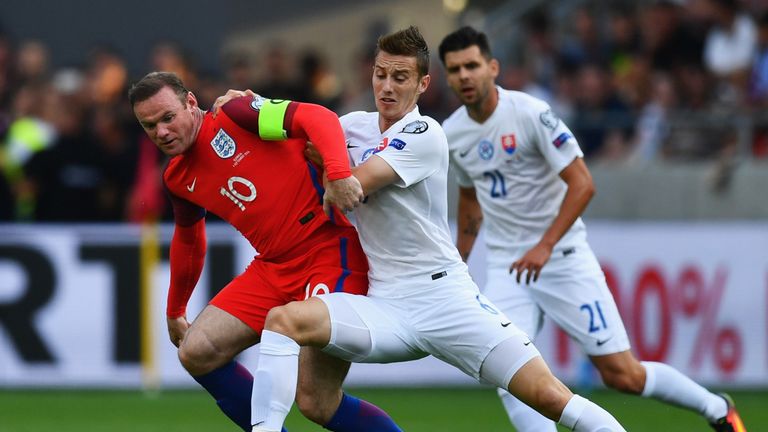
While his goalscoring record in Manchester United-Liverpool matches may not have been the best, Wayne Rooney always seemed to turn up for the other marquee match of Manchester United’s season: the Manchester derby. At the time of writing, Wayne Rooney is the all-time top scorer in the Manchester derby. Across his 13 seasons at Old Trafford, Rooney would score 11 goals in all competitions against United’s ‘noisy neighbours’.
Rooney would make his Manchester derby debut on 7th November 2004, appearing as a 77th-minute substitute in a goalless between the city rivals. Two months later, Rooney would start and score for United in a 2-0 win at the City of Manchester Stadium. His next goal would also open the scoring in a 3-1 United home win on 9th December 2006. In the 2007-08 season, Rooney would be absent for both league matches as Benjani-led Manchester City did the double over Manchester United. One season later, he would score the only goal in a United away win on 30th November 2008, in a match that also saw Cristiano Ronaldo being sent off. Rooney would open the scoring in the famous 4-3 ‘Fergie Time’ derby win in September 2009, now regarded as the greatest Manchester derby of all time. In the same season, he would score the goal that took Manchester United to the 2010 League Cup final, scoring an injury-time winner in a 3-1 win over City that saw the Red Devils win the tie 4-3 on aggregate.
The Manchester derby on 12th February 2011 would be home to Wayne Rooney’s most famous goal. 78 minutes into a Manchester derby that stood at 1-1 following opposing goals from Nani and David Silva, the aforementioned Portuguese winger would swing a ball into the penalty area, the cross taking a significant deflection off the back of Pablo Zabaleta. Standing in between Micah Richards and Vincent Kompany but standing ahead of the inswinging ball, Rooney would deliver an acrobatic overhead kick, powering the ball past a motionless Joe Hart. This goal was overwhelmingly voted goal of the season for the 2010-11 Premier League season, and is probably the most replayed goal of Wayne Rooney’s career, aside from his first.
Rooney would score his first derby brace in a 3-2 Manchester United win in the 3rd Round of the 2012 FA Cup. He would repeat this feat in the league at the end of 2012 in another 3-2 United win. One season later, he would score the consolation in 4-1 derby defeat as Sergio Aguero and Manchester City would run riot at the Etihad. This consolation goal would be Rooney’s 11th and final Manchester derby goal. At the time of writing, the only current player who could take the Manchester United goal record is Sergio Aguero with 9. It remains to be seen where the prolific Argentinian can beat this record. In addition to owning the goal record, Rooney has made the 3rd-most appearances in the Manchester derby, his 26 appearances equalled by Paul Scholes and bettered by Bobby Charlton (27) and Ryan Giggs (36).
Most appearances in competitive international matches/Most goals in competitive international matches for England (29th March 2003-11th November 2016): 74/37
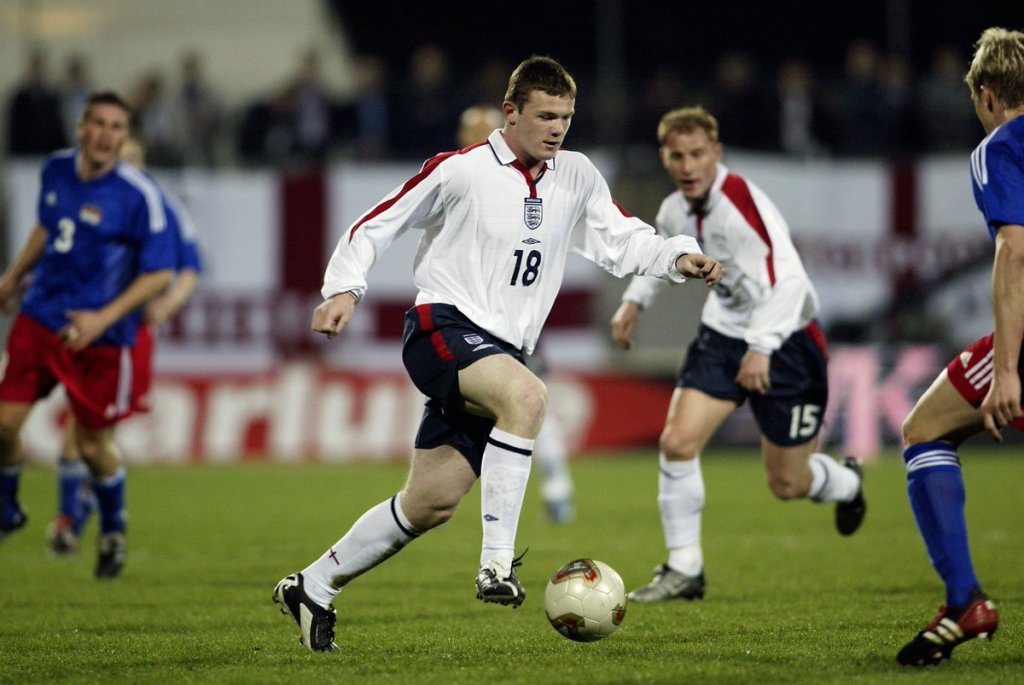
Among the more notable records achieved during his 13-year England career (youngest player, youngest goalscorer, most goals), Wayne Rooney’s international career would produce two more obscure international records. Along with being England’s record goalscorer and 2nd most-capped player (male), Rooney also holds records for the most England appearances and goals in competitive matches.
Between his first competitive England appearance in a Euro 2004 qualifier against Liechtenstein on 29th March 2003 and his last in a 2018 World Cup qualifier against Scotland on 11th November 2016, Rooney would appear in 74 competitive international matches. Of these 74 matches, 21 would occur in major tournaments including the European Championships (2004, 2012 and 2016) and three World Cups (2006, 2010, 2014). In Rooney’s 74 competitive England matches, 49 would end in victory (66%). Rooney would also captain England in 14 matches between 2014 and 2016. However, Rooney’s best performance in a major tournament would be three quarter-final appearances at Euros 2004 and 2012, and the 2006 World Cup.
Being England’s record goal-scorer, it is probably little surprise that Wayne Rooney has also scored the most England goals in competitive matches. After his record-breaking first goal against Macedonia in September 2003, 74 competitive matches would produce 37 international goals for Wayne Rooney. However, Rooney would be a case study in filling his boots during the qualifying campaigns, but failing to deliver at multiple major international tournaments. After becoming England’s central striker under Fabio Capello, Rooney would come alive during the 2010 World Cup qualifiers, scoring 9 goals in 9 matches. He would achieve similar statistics in later campaigns, scoring 7 goals in 6 matches during the 2014 World Cup qualifiers, and 7 in 8 during the Euro 2016 qualifiers.
However, Rooney would never convert his exceptional qualifying performances into excellent performances in major tournaments. In 21 tournament appearances for England, Rooney would score 7 goals. Four of these goals would come during his breakout performance at Euro 2004. He would then draw a blank in successive World Cups in 2006 and 2010, with injuries occurring during the final months of a Premier League season blighting his fitness ahead of getting on the plane. A red card attained during England’s final Euro 2012 qualifier against Montenegro and a subsequent three-match ban meant that Rooney’s England return wouldn’t occur until their final group match against Ukraine. Rooney would score in a 1-0 England win that would see them top the group before being eliminated by Italy in the quarter-finals.
Rooney would score his first and only World Cup goal in a 2-1 defeat to Uruguay, a result that would knock England out of the 2014 tournament after just two matches. His final tournament goal and final competitive England goal would come at a low point for the team. A 3rd-minute Wayne Rooney penalty would put England 1-0 ahead in their Second Round match against Iceland. However, as people reading this would know, England would not finish that match on the winning side. Therefore, this particular national record is one that is tarnished by Rooney’s major championship performances.
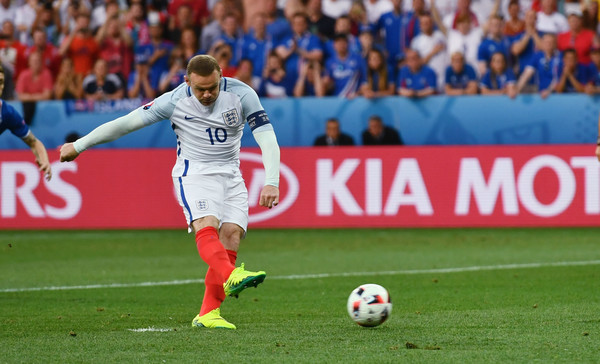
Manchester United all-time goals record: vs Stoke, 21st January 2017
By January 2017, Wayne Rooney was now a veteran of the Premier League and a veteran of Manchester United, despite only being 31 years old. Now in his 15th Premier League season (13th with Manchester United), Rooney was now well truly part of the Old Trafford furniture. He had won every possible trophy with the club, won every possible award in the English game and broken a career’s worth of records, except one. While he was never likely to get close to Ryan Giggs in terms of appearances for United, there was one record that Rooney could conceivably break.
For 44 years, Bobby Charlton’s club record of 249 goals in all competitions had stood and remained unchallenged. Heading into the 2016/17 season, Rooney’s total stood at 245, four goals adrift of the club record. After goals against Bournemouth, Fenerbahce and Feyenoord brought him closer, Rooney would draw level by scoring the opening goal in 4-0 win over Reading in the FA Cup 3rd Round on 7th January 2017. His opportunity to break the record would arrive three days later in the first leg of a League Cup semi-final tie with Hull City. Manchester United would win the match 2-0, but Rooney would fail to score. He would also fail to achieve the feat in United’s 1-1 draw with Liverpool on 15th January. However, as with many great things, the third time proved to be the charm.
Wayne Rooney wouldn’t start the match in which he would become Manchester United’s record goal-scorer. Unlike previous seasons, Wayne Rooney would increasingly find himself starting on the bench as Jose Mourinho favoured younger Anthony Martial and Marcus Rashford and new signing Zlatan Ibrahimovic, who had been in electric form all season. On 21st January 2017, in the 67th minute of a match where Manchester United found themselves losing 1-0 to Stoke City after a Juan Mata own goal, Rooney would be called from the bench to make his 8th substitute appearance of the season. However, as the minutes ticked down and Manchester United found themselves facing a defeat of their own making, the club captain would step up to change their fortunes.
In the 4th minute of stoppage time, Manchester United would be awarded a free-kick on the left-hand side of the Stoke penalty area. At an angle for which it was easier for Rooney to cross rather than shoot, the 31-year-old would hit the ball with such power that it sailed over Lee Grant into the top corner of the Stoke net. It was a worthy goal for a fantastic player. The United end of the bet365 Stadium became jubilant, not just for the goal that earned their club a last-minute point but also for the record they were witnessing live.
Every member of the United team would take their chance to individually congratulate their captain on his remarkable achievement as commentators registered and contemplated this unique moment in footballing history. The result on the day didn’t matter, as a 1-1 draw would do nothing for the Red Devils’ season. Still, forevermore, the date of 21st January 2017 would be remembered as the day that Wayne Rooney broke Sir Bobby Charlton’s record to become Manchester United’s all-time leading goal-scorer.
After this record-breaking occasion, Rooney would score three more goals for Manchester before returning home to Everton in the summer of 2017, thereby setting his United goals record at 253.
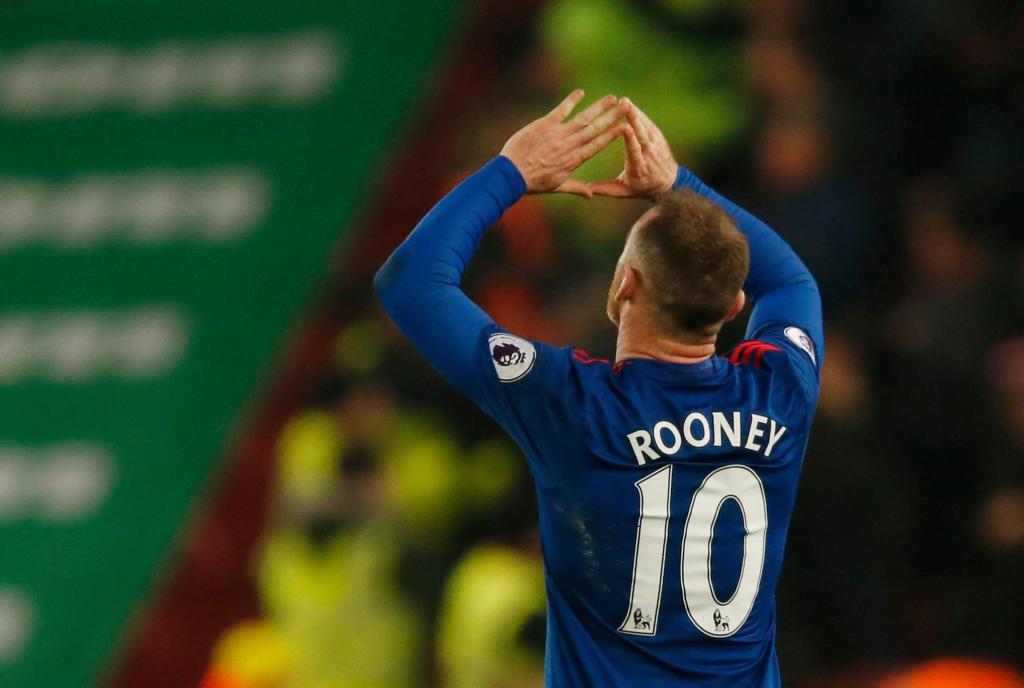
Most goals scored by an English player in the UEFA Champions League/Most goals for Manchester United in European competitions (28th September 2004-24th May 2017): 34/39
As well as holding multiple records for Manchester United and England throughout his career, Rooney also has records in European competitions. During his time at Old Trafford, Rooney would become the highest-scoring English player in Champions League history and Manchester United’s record goalscorer in European competitions, with 34 and 39 goals respectively.
Besides his debut hat-trick against Fenerbahce, Wayne Rooney would have many highlights in European football’s top-tier club competition. In the 2006-07 season, Rooney would score the 3rd Manchester United goal in a 7-1 last-16 second-leg demolition of AS-Roma. Following this, Rooney would go head-to-head with Kaka in the semi-finals, scoring a brace in a 3-2 first-leg against AC Milan. Manchester United would lose the 2nd leg 3-0. Rooney and United would exorcise these demons during the 2009-10 knockout stages. He would again score a brace in a 3-2 United first-leg victory in the first leg but would score again in a 4-0 second-leg win that saw United progress to the last eight with a 7-2 aggregate victory.
Even though he would score more European goals after this, Rooney’s last great European highlights would arrive in the 2010-11 season. In this Champions League campaign, Rooney would score in three straight knockout rounds. First, he would score the only goal in a 1-0 first-leg victory over Chelsea away at Stamford Bridge. Next, Rooney would score the second goal in Manchester United’s 2-0 quarter-final first-leg victory over Schalke. Finally, Rooney would score 34 minutes into the 2011 Champions League Final. Following Pedro scoring the opener for Pep Guardiola’s Barcelona, Rooney would play a one-two with Ryan Giggs before firing a shot into the top-left corner of Victor Valdes’ goal. It was now game on at Wembley Stadium until further goals from Lionel Messia and David Villa delivered Barcelona’s 2nd Champions League trophy in three years.
For the sake of completion, Wayne Rooney’s last Champions League goal would occur in a 1-0 win over CSKA Moscow in the 2015/16 group stages. His last goal for Manchester United in European competition would occur one season later in the Europa League, scoring in a 4-0 group victory over Feyenoord on 24th November 2016.

And now for two rather more unique records held by Wayne Rooney…
Most Premier League goals without winning the Golden Boot: 208
*goals scored by player at time of writing
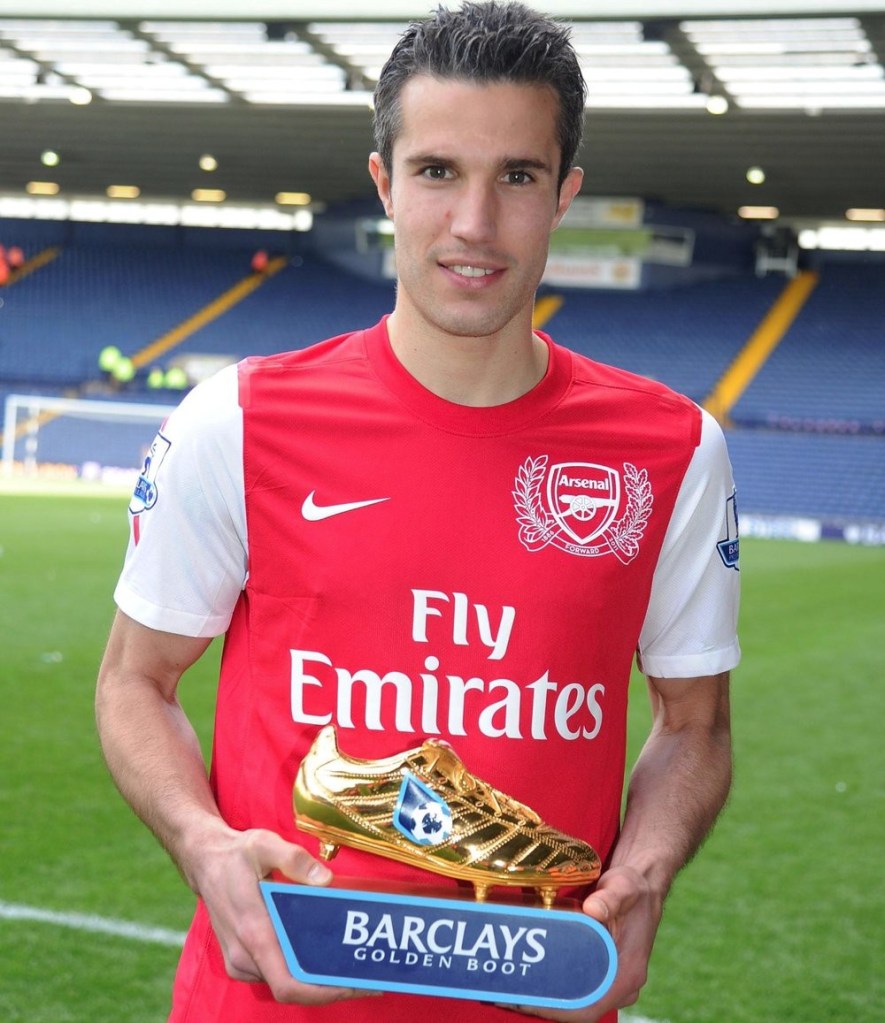
Look at the top of the Premier League’s all-time goals standings. You will see the names of Alan Shearer (260), Andy Cole (187), Sergio Aguero (180*) and Thierry Henry (175). All of these guys share one thing in common: they have each won the Premier League Golden Boot at some point during their careers. Of this select few, Henry (4 times) and Shearer (3 times), would win the golden boot on multiple occasions. At the same time, Jimmy Floyd Hasselbaink (127 goals), Michael Owen (150), Didier Drogba (104), Robin van Persie (144), Harry Kane (155*) and Mohamed Salah (88*), have all finished a Premier League season as top scorer on more than one occasion.
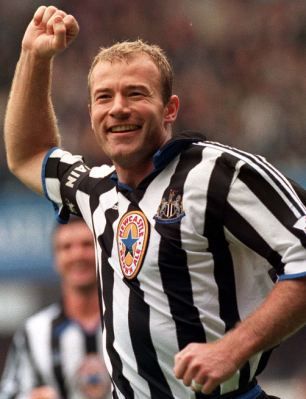
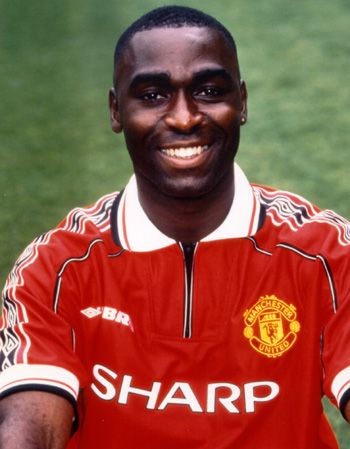
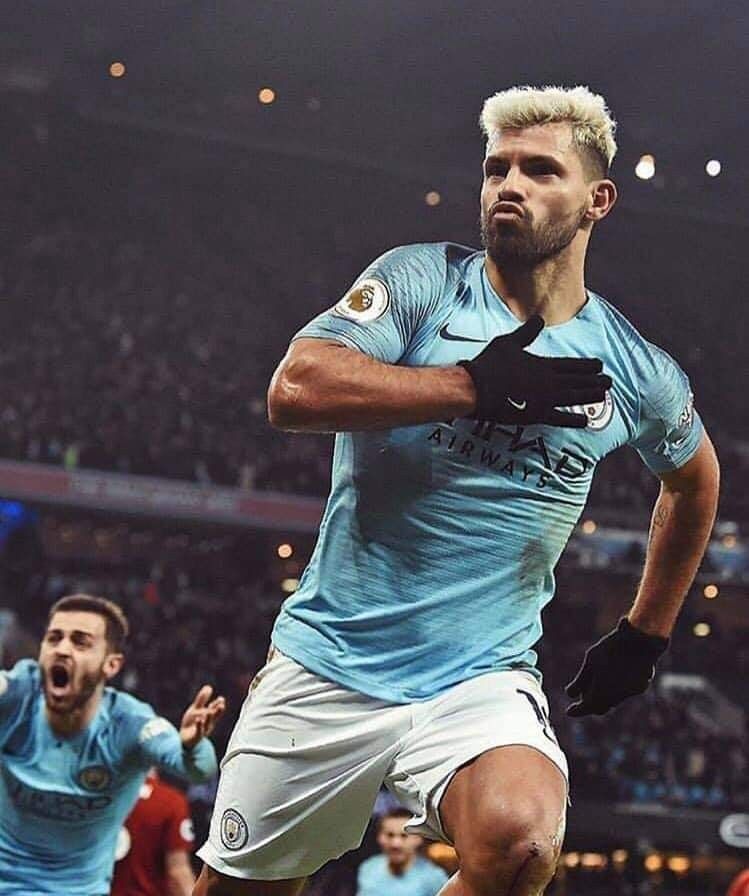
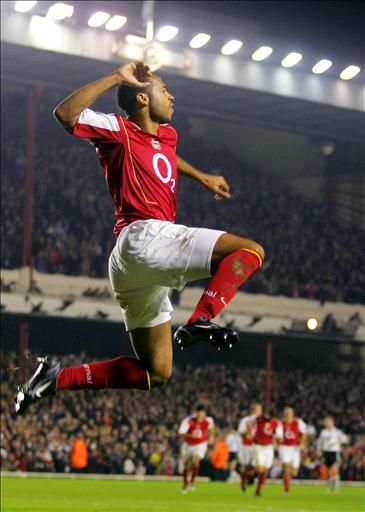
You will notice that Wayne Rooney’s name is absent from this list of multiple-time Golden Boot winners. His name doesn’t even make the complete list of Golden Boot winners, which features the previously-unmentioned Teddy Sheringham, Chris Sutton, Dion Dublin, Dwight Yorke, Kevin Phillips, Ruud van Nistelrooy, Cristiano Ronaldo, Nicolas Anelka, Dimitar Berbatov, Luis Suarez, Pierre-Emerick Aubameyang, Sadio Mane and Jamie Vardy. What does this mean? Despite being the second-highest goal-scorer in Premier League history with 208 goals, Wayne Rooney holds the near-unbeatable record of scoring the most Premier League goals without ending a single season as top goal-scorer and Golden Boot winner.
He has come close on two occasions, however. For much of the 2009-10 season, it seemed that Rooney would, in his 8th Premier League season, finally claim his first Golden Boot. Winning one would not only confirm Rooney’s position as one of the Premier League’s leading strikers, but it would also secure his place as Manchester United’s primary goal-scorer, following the world-record departure of Cristiano Ronaldo the previous summer. While Manchester United was fighting tooth and nail with Carlo Ancelotti’s Chelsea side for an unprecedented 4th consecutive Premier League title, Rooney would spend the season putting together his most impressive goalscoring season to date.
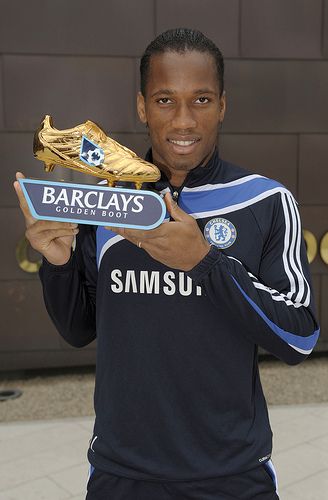
By March 2010, Rooney had scored 26 goals in 29 matches, putting Rooney within touching distance of the Golden Boot. However, an injury and a subsequent lack of fitness meant Rooney did not score in his last three Premier League matches. His problems allowed Didier Drogba to score seven goals in his final seven games to overtake Rooney’s total and claim his 2nd Premier League Golden Boot in three years, top-scoring with a total of 29 goals.
Two seasons later, Rooney would be part of a Manchester United side fighting to the wire to defend their Premier League title. This time, United’s main rival would be their ‘noisy neighbours’ Manchester City. In a title race that would eventually be decided by goal difference, Rooney would better his tally of two seasons previously, scoring 27 goals in 34 matches. His final goal of the season would come in a 1-0 win over Sunderland, a victory which would have given United their 20th league title if only Sergio Aguero hadn’t scored for City just seconds after United had finished playing. However, despite a personal best goal tally, Rooney would still find himself in 2nd place in the goal standings, three goals behind the 30 scored by Robin van Persie that would deliver the first of consecutive Golden Boots.
Most England goals without scoring a hat-trick: 53
As previously mentioned, Wayne Rooney wrote his name into the international record books in 2015, overtaking Bobby Charlton’s long-standing record to become England’s record goal-scorer. He would eventually score 53 goals before retiring from international football in 2018. However, Rooney’s record comes with an interesting caveat. While holding the record for the most England goals, Rooney also holds the record for scoring the most England goals without scoring a hat-trick, also 53.
The rest of England’s highest goal scorers including Bobby Charlton (49), Gary Lineker (48), Jimmy Greaves (44), Michael Owen (40), Harry Kane (32*), Alan Shearer and Tom Finney (both 30) all scored at least one hat-trick during their England careers. Of the England players who scored over 30 goals during their career, only Nat Lofthouse (30 goals in 33 caps) joins Rooney in progressing through his international career without scoring three goals in a single match. Rooney would score a total of 10 braces for England, but could never quite manage to add the extra goal to his personal tally on the night.
Conclusion
So there is a detailed, but not an extensive list of Wayne Rooney’s list of records. These records are things to admire, as they make you truly realise, with the power of hindsight, how great Wayne Rooney actually was during his career. However, if you mention any of these records to the man himself, he will probably not know or care that he holds a particular record. Some records, however, such as becoming England’s youngest goalscorer, or the goal records of England and Manchester United, will bring him pleasure when he thinks about or is reminded about them. He may still even have the memorabilia to prove it.
 the-score-board.co.uk