
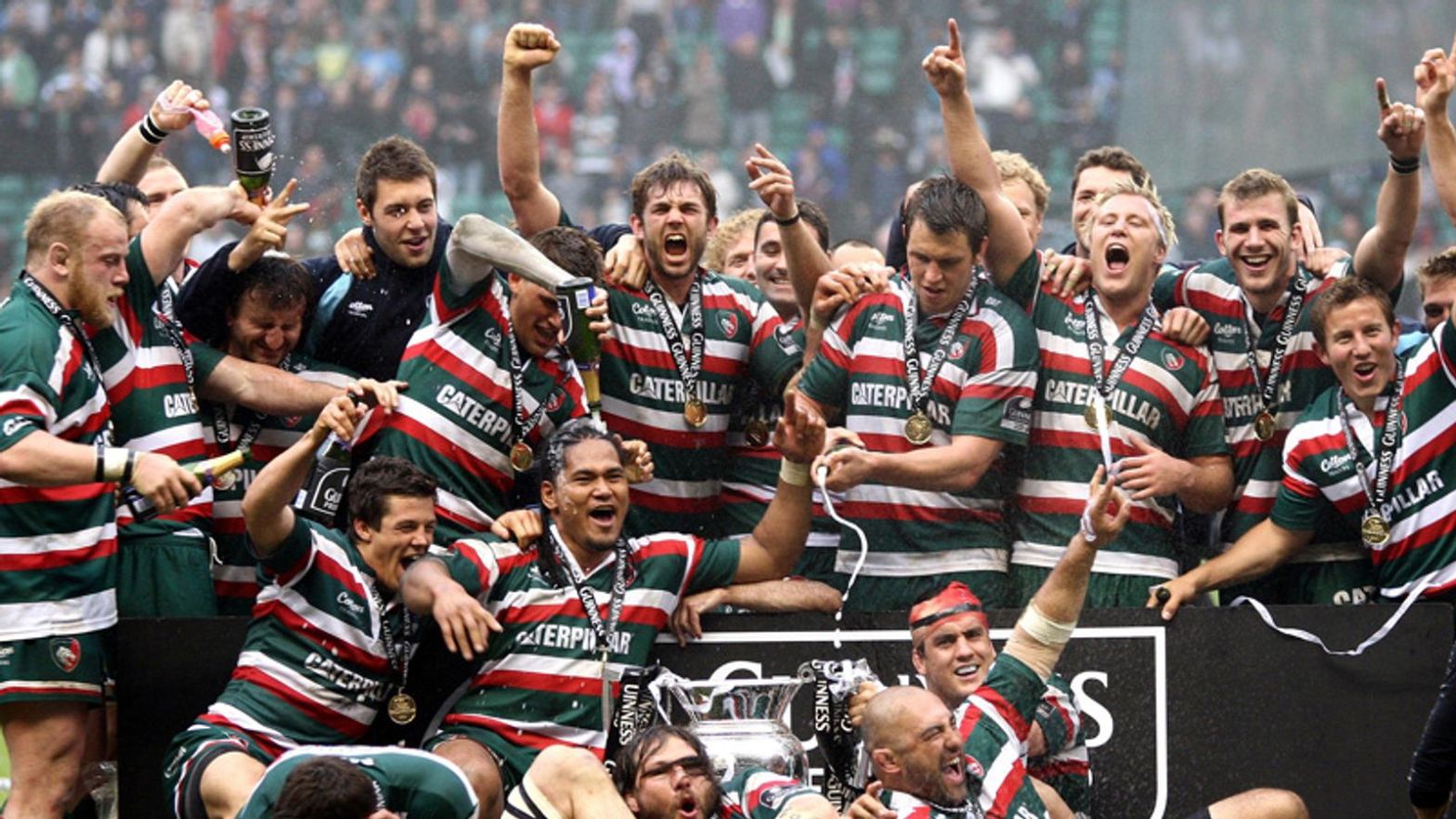
Tigers and Sarries combine for 60 points in a thrilling Premiership season finale…
At the end of the delayed 2019-20 club rugby season, the bottom two places in the Gallagher English Premiership table were occupied by Leicester Tigers and Saracens. Saracens finished bottom of the table and suffered relegation as punishment for paying their star players outside of the salary cap, breaking RFU rules. Due to Saracens’ plight, Leicester were spared what would have been an embarrassing relegation for the most successful team in the competition’s history and a far cry from the club that had once competed in nine consecutive Premiership play-off finals between 2005 and 2013. To think that 10 years earlier, in front of 81,600 spectators at Twickenham Stadium, these same two teams faced off for the Premiership title in one of the best club rugby matches of the 21st century.
The positions of Leicester Tigers and Saracens heading into the Premiership play-off final on 29th May 2010 were much different compared to the performances exhibited by both teams in the resulting decade that followed. Leicester entered the 2010 final as defending Premiership champions, having defeated London Irish 10-9 the previous year to claim their 8th English title. As alluded to earlier, Tigers were set to compete in their 6th consecutive final, having served as English rugby’s final boss since 2005. Saracens, meanwhile, were competing in their first end-of-season final. Aside from an impressive run in the late 1990’s and a 50-9 play-off semi-final loss to Gloucester in 2007, Saracens had spent most of their time in English rugby’s top division bouncing between 6th and 10th in the Premiership table on an inconsistent basis. While one year earlier, Leicester had topped the league table and won the end-of-season play-offs to claim the Premiership crown, Saracens had finished the league season in 9th place, winning 9 and losing 13 of their 22 Premiership matches. The question to be asked in this situation is: how did Saracens manage to bridge a 24-point gap between themselves and Leicester over the course of one year to get within touching distance of taking English rugby’s top prize from the Tigers’ claws?
On 13th March 2009, Eddie Jones resigned as Saracens head coach after just 9 months in charge. Jones had first taken charge of the team in the summer of 2008, having served as a part-time consultant for the club since 2006. However, after 15 wins from 25 matches in all competitions, Jones left the club with immediate effect, just two days before a Premiership fixture against Newcastle Falcons. Jones had already been planning to leave Saracens at the end of the 2008-09 season to become the coach of Japanese side Suntory Sungoliath. South African Brendan Venter was already set to take charge at the beginning of the 2009-10 season. A centre in his playing days, Venter was capped 17 times by the Springboks, representing the team at the 1995 and 1999 Rugby World Cups. In 1998, Venter joined London Irish. He spent five years at the club across two spells, later serving as a player-coach under Conor O’Shea, helping the team win the 2002 Powergen Cup. After retiring in 2003, Venter quit rugby to work as a GP back in South Africa. In 2008, Venter returned to rugby, joining Saracens as an unspecified ‘specialist coach’. In February 2009, when Eddie Jones announced he would be leaving Saracens at the end of the season, Venter was named as Saracens new Director of Rugby as part of a coaching restructure by the club’s ownership.
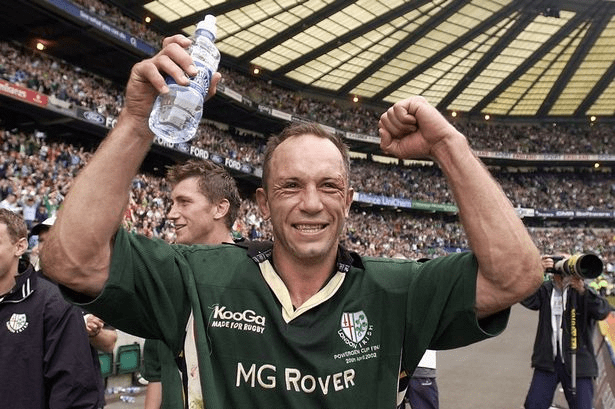
After Eddie Jones’s sudden departure in March, club coach Richard Graham took over first-team duties for the rest of the season. During this time, Brendan Venter held private meetings at the club’s HQ, telling 15 first-team players that their services would not be required the following season. As Saracens were now partially owned by South African investors who also held stakes in Super Rugby sides the Sharks and the Stormers, it was believed that the majority of Saracens’ signings for the upcoming season would come from these two clubs. These decisions led to uproar from certain areas of the club’s fanbase.
After Saracens ended the 2008-09 season with a 9th-place league finish and a semi-final exit in the European Challenge Cup, Venter set about rebuilding his squad. 16 players left Vicarage Road during the summer of 2009 after being released from their contracts. High-profile exits included the retirement of Andy Farrell, who would join the club’s coaching staff, former New Zealand lock Chris Jack, former Scotland fly-half Gordon Ross, Tongan prop Census Johnston and club stalwarts Ben Skirving, Matt Cairns and Kris Chesney. According to a Daily Mail article from the time, starting scrum-half Neil de Kock just escaped the axe. Long-time starting fly-half Glen Jackson was even rumoured to be among the released before being kept for his last season as an active player. In the place of these released 16 would arrive 14 new players, 7 of whom were South African. However, despite earlier fears that the majority of Saracens’ new signings would be bought from South African Super Rugby franchises, only 4 players arrived via this route: Ethienne Reynecke and Ernst Joubert from the Lions, Schalk Brits from the Stormers and Namibian Jacques Burger from the Bulls. The full list of Saracens signings and departures can be seen below:
Saracens player arrivals and departures, 2009/10 season
| Position | Name | Club | Position | Name | Club |
|---|---|---|---|---|---|
| In | Out | ||||
| Prop | Petrus du Plessis | Nottingham | Prop | Census Johnston | Toulouse |
| Prop | Rhys Gill | Glamorgan | Prop | Nick Lloyd | Released |
| Prop | Kas Lealamanua | Dax | Prop | Cobus Visagie | Retired |
| Prop | Carlos Nieto | Gloucester | Hooker | Matt Cairns | Harlequins |
| Prop | Richard Skuse | London Irish | Hooker | Andy Kyriacou | Ulster |
| Hooker | Schalk Brits | Stormers | Hooker | Alex Walker | Newcastle |
| Hooker | Ethienne Reynecke | Lions | Lock | Kris Chesney | Toulon |
| Lock | Mouritz Botha | Bedford | Lock | Chris Jack | Crusaders |
| Flanker | Jacques Burger | Bulls | Flanker | David Seymour | Sale |
| Number 8 | Ernst Joubert | Lions | Number 8 | Ben Skirving | Bath |
| Scrum-half | Kevin Barrett | Exeter | Scrum-half | Michael Wilson | Viadana |
| Fly-half | Derick Hougaard | Leicester | Fly-half | Gordon Ross | London Welsh |
| Wing | Michael Tagicakibau | London Welsh | Centre | Andy Farrell | Retired |
| Fullback | Michael Horak | Treviso | Centre | Ben Jacobs | London Wasps |
| Wing | Edd Thrower | Parma | |||
| Fullback | Francisco Leonelli | Released | |||
Leicester Tigers entered the 2009-10 season under a more stable structure. After taking over from Heyneke Meyer in February 2009 and consequently leading the team to the Premiership title, Tigers player-turned-coach Richard Cockerill was now beginning his first full season as Head Coach of the champions. Compared to the wholesale changes made by Brendan Venter at Saracens, Leicester’s transfer business was comparatively modest. Incoming were hooker Joe Duffey and prop Robbie Harris from Nottingham, lock Geoff Parling from Newcastle, fly-half Jeremy Staunton from London Wasps, centre Anthony Allen from Gloucester and the returns of centre Billy Twelvetrees and scrum-half James Grindal to the club after periods away at Bedford and Newcastle. The main outgoings saw the retirement of former captain Martin Corry and the major sales of wing Tom Varndell to London Wasps, hooker Benjamin Kayser and scrum-half Julien Dupuy to Stade Francais, and centres Ayoola Erinle to Biarritz and Seru Rabeni to Leeds respectively.

Geoff Parling 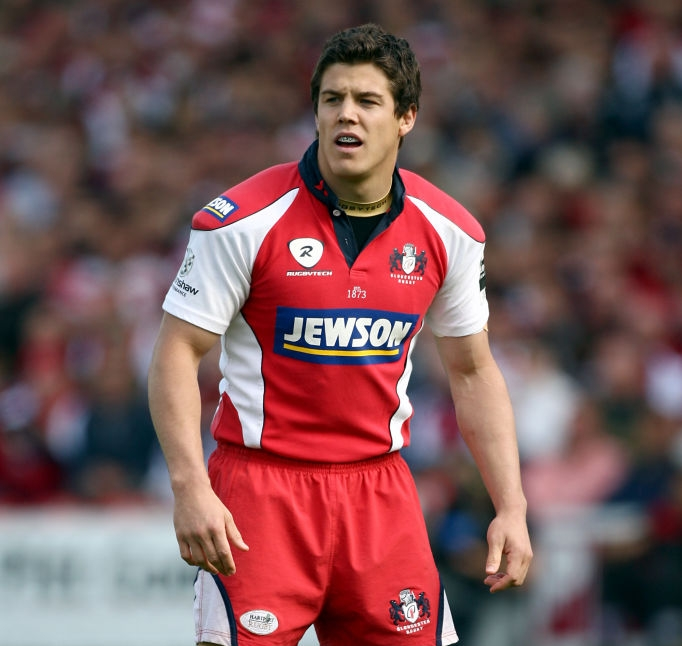
Anthony Allen 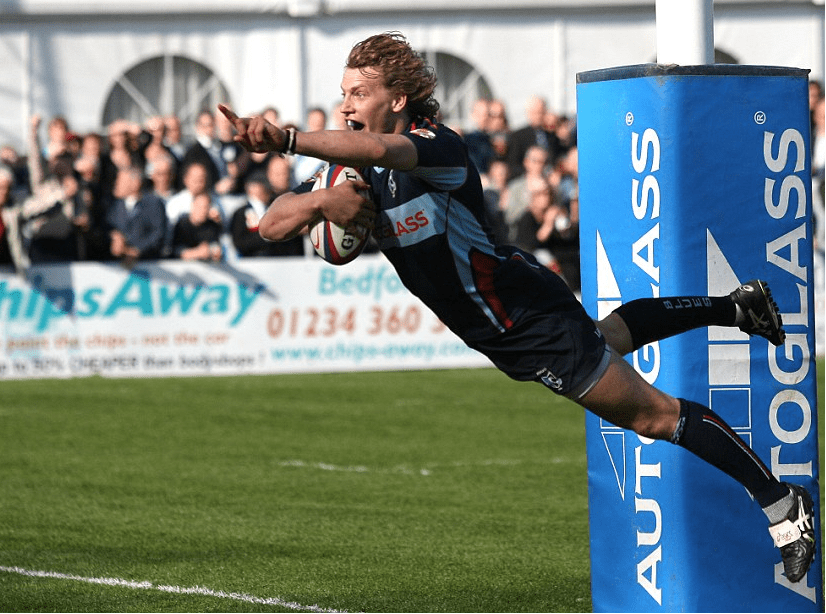
Billy Twelvetrees 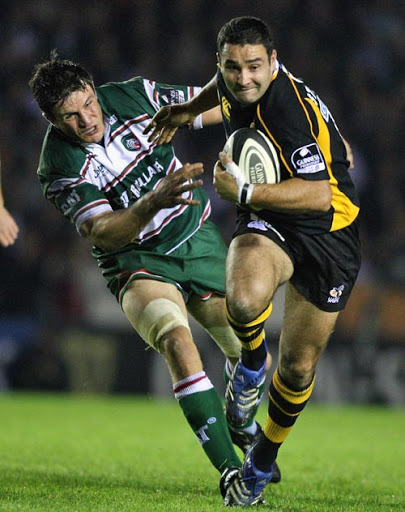
Martin Corry (left) and Jeremy Staunton (right) 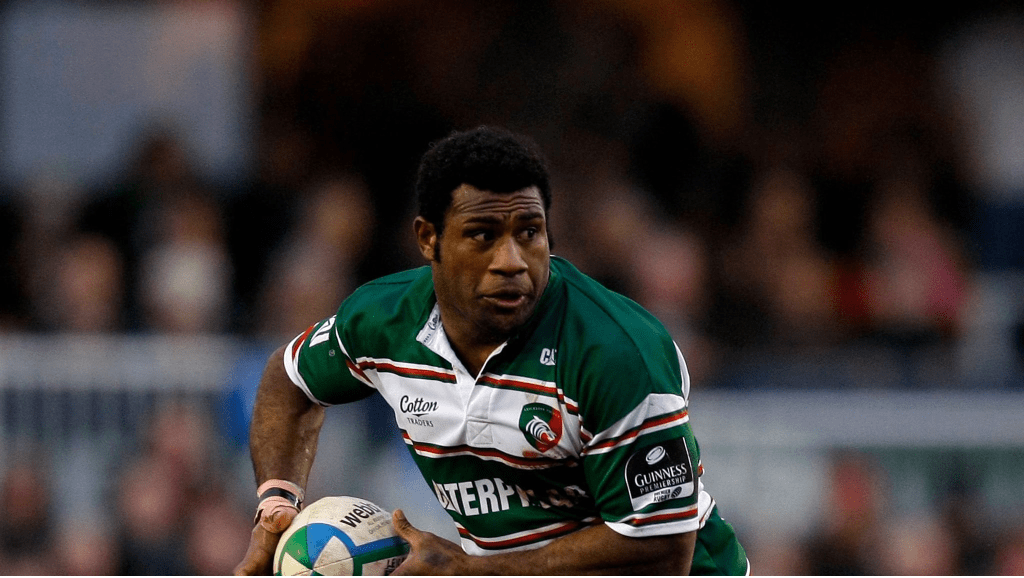
Seru Rabeni 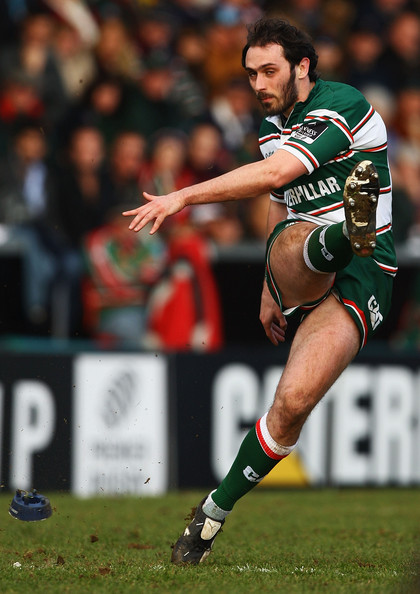
Julien Dupuy 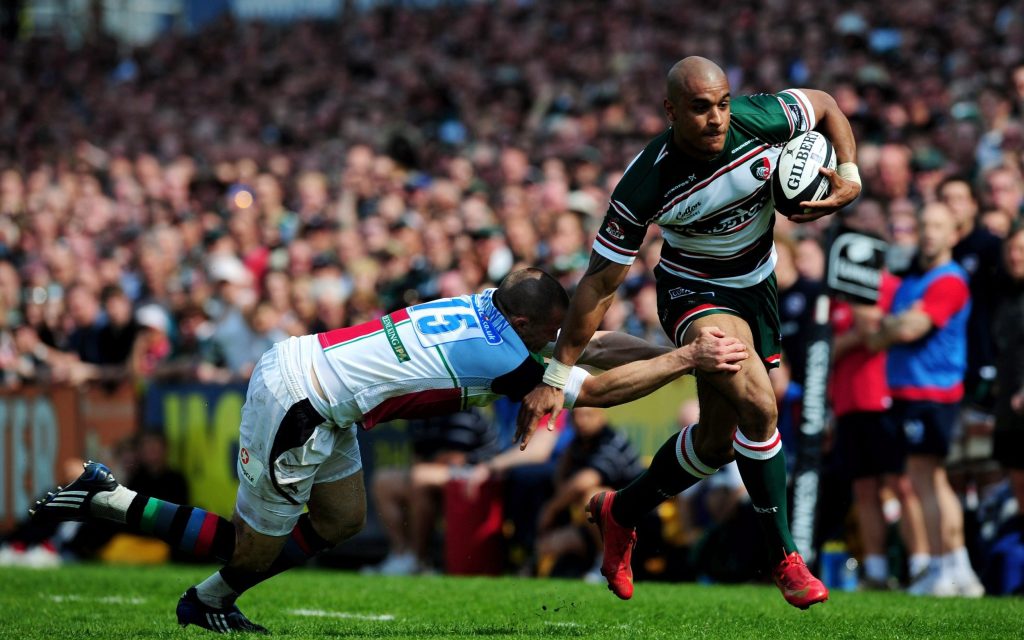
Tom Varndell
After a headline-grabbing dismantling and rebuilding of the squad by new coach Brendan Venter, the end result proved positive for Saracens during the 2009-10 season. Compared with their record of 9 wins and 13 defeats the previous season, Sarries ended this season with 15 wins, 6 defeats and 1 draw. This record saw the team finish the Premiership season in 3rd place, qualifying the team for the end-of-season play-offs. For Leicester Tigers, it was business as usual. Despite a season which saw them lose experienced internationals Aaron Mauger and Harry Ellis to early retirements aged 29 and 28 respectively, Leicester were still the dominant force in English rugby this season. With a matching record of 15 wins, 6 defeats and 1 draw (but with 11 bonus points compared to Saracens 7), Leicester topped the Premiership table for the second successive season, qualifying for the play-offs for the sixth successive season and guaranteeing home advantage for their play-off semi-final. In those semi-finals, Saracens would travel to 2nd-placed Northampton Saints, while Leicester would host 4th-placed Bath.
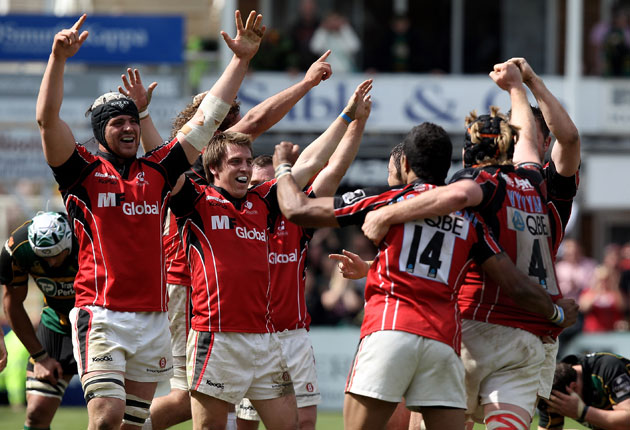
Both play-off semi-finals were played on 16th May 2010. Northampton vs Saracens would be played first kicking off at 1:30pm before Leicester played Bath at 4pm. Both semi-finals would turn out to be tight affairs. First, only a two-point margin could separate Northampton and Saracens at Franklin’s Gardens. After a Stephen Myler penalty put the hosts in front after 7 minutes, Sarries responded after 15 minutes with a try from young full-back Alex Goode. The last action of a close-scoring first-half would see Northampton take the lead once again with prop Soane Tonga’uiha going over the line on the stroke of half-time. However, Myler missed the resulting conversion, giving the Saints an 8-7 lead at the break. Within the first minute of the second half, another Stephen Myler penalty extended Northampton’s lead to 4 points. However, a try from winger Chris Wyles converted by fly-half Glen Jackson after 47 minutes put Saracens 3 points ahead. Myler would soon bring his side level with another penalty before Northampton’s other starting prop Brian Mujati drove over the try-line after 56 minutes to give the Saints the lead for the third time. However, another missed conversion attempt from Myler kept Saracens within touching distance at 19-14. Myler’s missed conversions would prove costly for Northampton as this tit-for-tat encounter would have one last sting in the tail. With 76 minutes on the clock, a lineout drive from Saracens saw them cross the whitewash for the third time, with hooker Schalk Brits claiming the touchdown. After confirmation from the video referee, Glen Jackson slotted home the conversion to send Saracens to Twickenham as 21-19 winners.
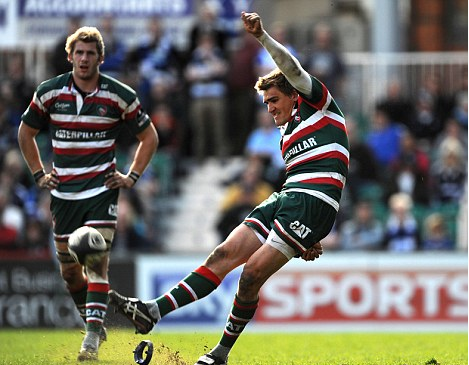
Later that afternoon, in a less thrilling encounter, Leicester confirmed their place in yet another Premiership final with a 15-6 victory over Bath at Welford Road. In a battle of the kickers, England starter Toby Flood and a dominant Tigers pack outmatched Bath and their kicker Olly Barkley. Bath had the early advantage, and only a tap tackle from Geoff Parling stopped Luke Watson from bursting clear before Matt Banahan knocked the ball on as he stretched towards the try-line. Two early penalties from Barkley equalled by two from Flood saw the sides enter half-time all-square. In the second half, however, it was all Leicester as Flood kicked three more penalties to send Tigers to Twickenham once again. Two weeks later, Leicester and Saracens would meet in the Guinness Premiership Final for a chance at glory.
During the 2008-09 season, Leicester Tigers had done the double over Saracens, with a 46-16 win at Welford Road followed by a 16-13 win at Vicarage Road. This season, the head-to head record was 1-1. First, Leicester won 22-15 at Vicarage Road on 2nd January 2010 after a winning try from centre Dan Hipkiss. However, the most recent encounter had gone the way of Saracens. Just three weeks earlier, in the last match of the domestic season, Sarries defeated Leicester 32-23 at Welford Road. A 45-metre penalty from Derick Hougaard, who Saracens had signed from Leicester the previous summer, saw the visitors win at Welford Road for the first time in 32 attempts and inflict Leicester’s first home defeat of the season. The deciding rubber in this series would see the winner be crowned champions of England at the country’s national stadium.
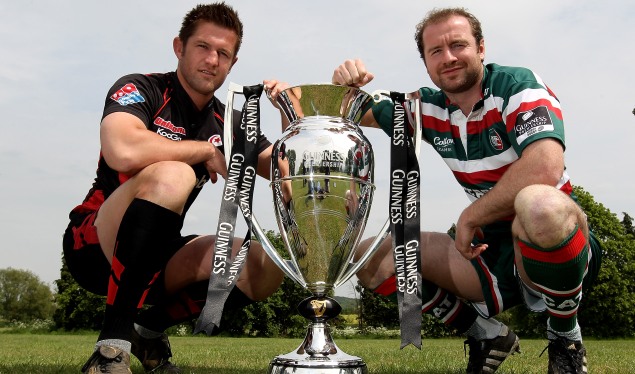
For the 2010 Guinness Premiership Final, the two teams lined up as follows:
| Geordan Murphy (captain) | 15 | Alex Goode |
| Scott Hamilton | 14 | Michael Tagicakibau |
| Matt Smith | 13 | Adam Powell |
| Anthony Allen | 12 | Brad Barritt |
| Alesana Tuilagi | 11 | Chris Wyles |
| Toby Flood | 10 | Glen Jackson |
| Ben Youngs | 9 | Neil de Kock |
| Marcos Ayerza | 1 | Matias Aguero |
| George Chuter | 2 | Schalk Brits |
| Martin Castrogiovanni | 3 | Petrus du Plessis |
| Louis Deacon | 4 | Steve Borthwick (captain) |
| Geoff Parling | 5 | Hugo Vyvyan |
| Tom Croft | 6 | Jacques Burger |
| Lewis Moody | 7 | Andy Saull |
| Jordan Crane | 8 | Ernst Joubert |
| Joe Duffey | 16 | Fabio Ongaro |
| Boris Stankovich | 17 | Rhys Gill |
| Dan Cole | 18 | Richard Skuse |
| Craig Newby | 19 | Mouritz Botha |
| Ben Woods | 20 | Justin Melck |
| James Grindal | 21 | Justin Marshall |
| Jeremy Staunton | 22 | Derick Hougaard |
| Dan Hipkiss | 23 | Kameli Ratuvou |
Six members of Leicester Tigers’ starting XV (Marcos Ayerza, George Chuter, Tom Croft, Jordan Crane, Scott Hamilton, Geordan Murphy) had started in their victory over London Irish one year earlier. However, while a large amount of press attention had been paid to the wholesale changes made to the Saracens squad by Brendan Venter in the summer of 2009, and the fear that the club would be overrun with South African players, only five members of Saracens’ starting XV at Twickenham (Schalk Brits, Petrus du Plessis, Jacques Burger, Ernst Joubert, Michael Tagicakibau) were new signings and five members (Brits, du Plessis, Joubert, Neil de Kock and Brad Barritt) were South African.
The final saw many notable appearances on both sides. For the defending champions, the match would mark the 223rd and final league appearance of openside flanker Lewis Moody in Leicester Tigers colours. The 31-year-old England captain was set to move to Bath in the summer after 14 years at Welford Road, a period that had resulted in six Premiership titles and two Heineken Cups. On the other side of the pitch, Saracens fly-half Glen Jackson was playing the final match of his career. The 34-year-old had joined Saracens from Super Rugby side the Chiefs in 2004 and had since made 129 league appearances for The Men in Black, scoring 1,488 points in that time. Prospectively, the match could also see the final appearance of Justin Marshall’s career. Starting on the substitutes bench, the 36-year-old scrum-half had the chance to end a 17-year playing career that had seen him represent 6 different clubs and gain 81 international caps for New Zealand in style.
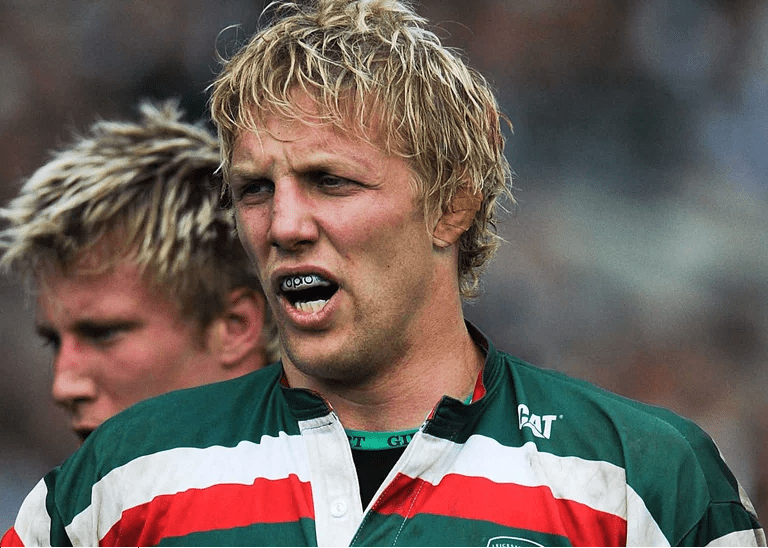
Lewis Moody 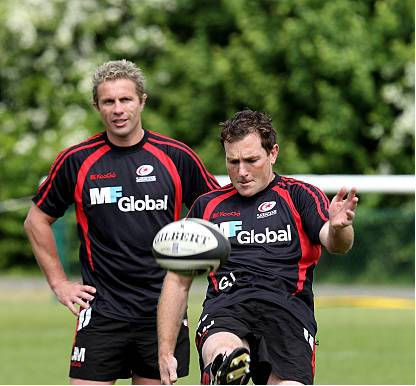
Justin Marshall (left) & Glen Jackson (right)
Less than two minutes after kick-off and the first points of the final had already been scored. After a Leicester Tigers infringement, Glen Jackson landed his penalty to give Saracens the lead. Less than a minute later, Leicester were level through the boot of Toby Flood. Before the first 10 minutes of the match were even up, Jackson had converted a second penalty to push Sarries ahead once again. However, Leicester Tigers would make the first major move in this final. In the 13th minute, quick ball at the breakdown created a man overlap for Leicester on the left wing and quick passes from Anthony Allen and Scott Hamilton sent in centre Matt Smith to score from 20 metres. Evading a trio of despairing tackles, Smith touched the ball in line with the posts, giving Toby Flood the easiest of conversions. 13 minutes played and Leicester had drawn first blood to go ahead 10-6, but not for long.
Four minutes later and Saracens had a try of their own. Just inside the Leicester half, clever disruption by Saracens Hugo Vyvyan caused a Tigers lineout to go loose and into the hands of Jacques Burger. Three phases later, a quick switch of passing and a dummy by fly-half Glen Jackson allowed Burger to burst through the Leicester defence before offloading to No.8 Ernst Joubert, who timed his angle right to finish in the corner and score his 7th try of the season. Despite Jackson missing the conversion, Saracens were back in front. However, in this topsy-turvy encounter of a final, Leicester was back in front just two minutes later after another Toby Flood penalty put the Tigers ahead 13-11. After just twenty minutes of play, Tigers and Sarries together had managed to score 24 points, more than had been scored in the first quarters of both play-off semi-finals combined (16 points).
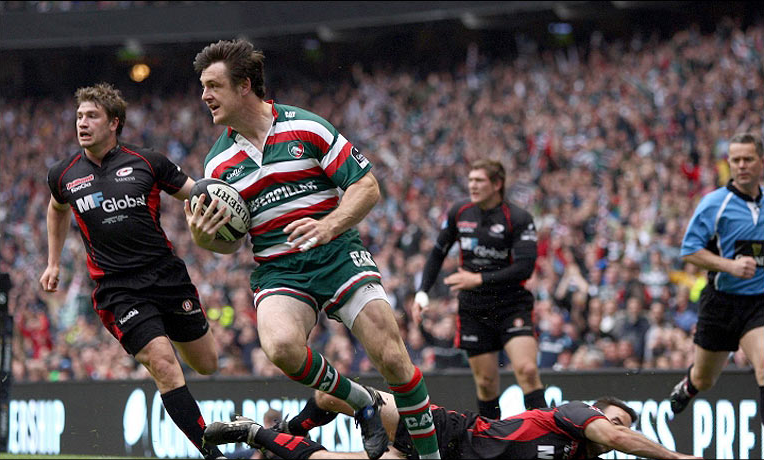
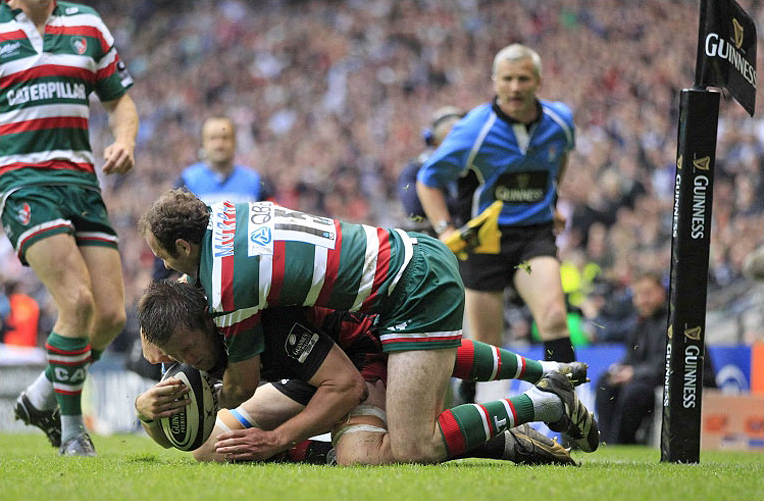
After 25 minutes, Jackson would convert his third penalty of the day, putting Saracens back in front by a point. Once again, Leicester’s response would be swift. Less than two minutes after Jackson’s penalty, a Tigers line-out 5 metres inside the Sarries half was taken quickly off the top by Louis Deacon, allowing Ben Youngs to find winger Alesana Tuilagi on the crash ball, who two tacklers with him. An intuitive pick up from Jordan Crane from the ruck allowed Anthony Allen and Martin Castrogiovanni to make 15 metres, stopping two metres short of the 22. Quick ball and a retreating pack allowed scrum-half Ben Youngs to feed half-back partner Toby Flood for a few more yards. With Sarries still trying to form a defensive line, quick thinking saw Youngs pick the ball out of the ruck and show a clean pair of heels to Hugo Vyvyan, diving under the posts for Leicester’s second try of the afternoon. Flood added the extras as Leicester ended a breath-taking first half with a 20-14 lead.
After scoring the last points of the first half, Leicester scored the first points of the second half as a 47th-minute Toby Flood penalty extended Tigers’ lead to 9 points. However, it was now Saracens’ turn to respond quickly. Two minutes after Flood’s penalty, a pass from Glen Jackson and great angles from centre Adam Powell and flanker Andy Saull sent Ernst Joubert down the wing to score his second try of the day. A Jackson conversion and Sarries were back within 2 at 23-21. On 57 minutes, Flood’s 4th penalty of the day, extended Leicester’s lead to 5. On 64 minutes, Justin Marshall would replace Neil de Kock to play the last 16 minutes of his rugby career. Three minutes afterwards, Lewis Moody would be replaced on the openside flank by Craig Newby, ending his Leicester Tigers career with the fate of his final match still unknown.
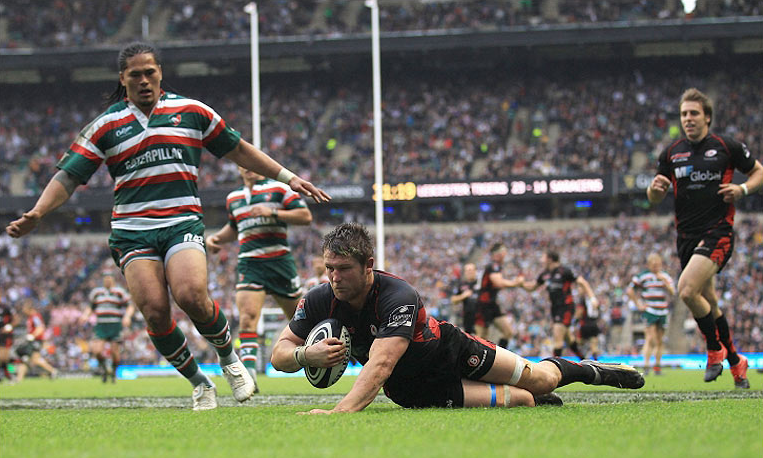
With 10 minutes left to play, Saracens received a kickable penalty and Jackson duly converted to draw Saracens back within 2 points of the champions. Two minutes later, Leicester put on their final two substitutes with fly-half Jeremy Staunton replacing Alesana Tuilagi and Dan Hipkiss replacing Matt Smith. Hipkiss was playing his first Tigers game since a 33-11 win over Gloucester on 20th February. With 75 minutes on the clock, Saracens received another penalty 30m out directly in front of the posts, a penalty that if converted would put them into the lead and within touching distance of the championship. With the pressure on him, the 34-year-old Jackson slotted the ball dead centre, running back to receive the kick-off pumping his fist to jubilant Saracens supporters. Saracens were now in the lead 26-27 with less than four minutes remaining.
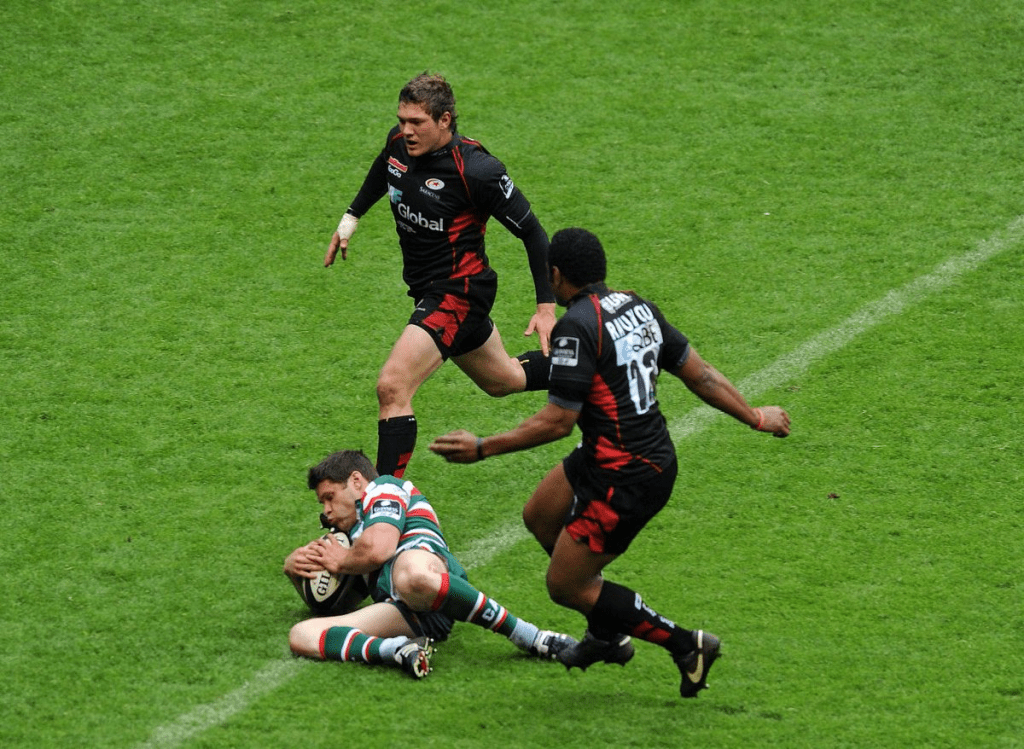
All Saracens had to do was receive the kick-off and run down the clock without allowing Leicester to score even a single point. Jackson’s opposite number Toby Flood kicked off knowing that Leicester Tigers needed to find a way to score points and fast. He angled his kick to the left, landing just past Saracens’ 10-metre line. Despite the attempts of Saracens’ players to secure the ball, it only sailed over their heads and into the hands of Leicester’s Scott Hamilton. Running towards the 22, the New Zealand winger slightly curved his run to the right before passing the ball behind him to Dan Hipkiss. Hipkiss ran onto the ball like a high-speed train, before being tackled high by Glen Jackson and Justin Marshall. Referee Dave Pearson played the penalty advantage for Leicester Tigers. Acting on this advantage, flanker Tom Croft quickly formed a maul behind Hipkiss, pushing the two New Zealanders back, being joined by fellow forwards George Chuter and Louis Deacon. The extra forward power saw the two-man Saracens tackle buckle under pressure, allowing Hipkiss to break free and run clear over the try line from 20 metres out to score Leicester’s 3rd try. Leicester Tigers players celebrated while a shell-shocked Saracens tried to comprehend what had just happened. In a matter of two minutes, Sarries had taken the lead through a Glen Jackson penalty that would settle many other matches before Leicester immediately scored from the resulting kick-off to take the lead 31-27. Toby Flood added the extras to give Leicester a 6-point lead with 3 minutes remaining.
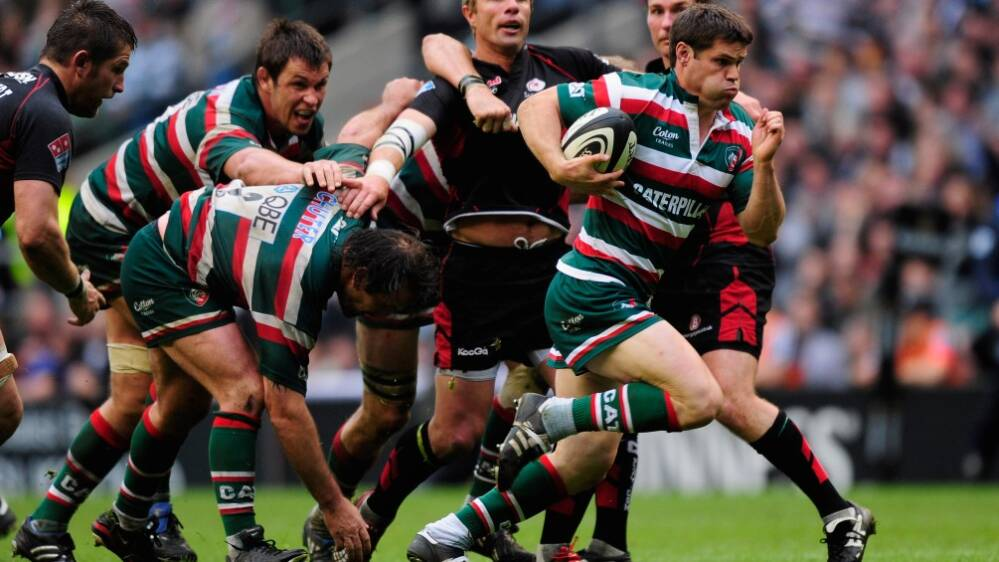
It wasn’t over yet, however. Not long after the kick-off, Saracens earned a penalty which Jackson kicked deep into the Leicester half, earning his team a line-out 5 metres from the Leicester Tigers try-line with seconds remaining. Only a converted try would do for Saracens now. Prepared to catch and drive the ball over the line, Sarries were not expecting that Leicester lock Geoff Parling would leap highest of all to intercept Schalk Brits’ line-out throw. Not wanting to waste any more time, Ben Youngs kicked the ball high into the stands to end the match, cueing wild Leicester Tigers celebrations. Leicester were champions once more, successfully defending their crown to earn a 9th English title despite having to withstand a terrific Saracens onslaught. 7 league titles apiece now for full-back Geordan Murphy and flanker Lewis Moody in his final match for the club. Saracens would have to wait another year to once again pivot for a Premiership title challenge.
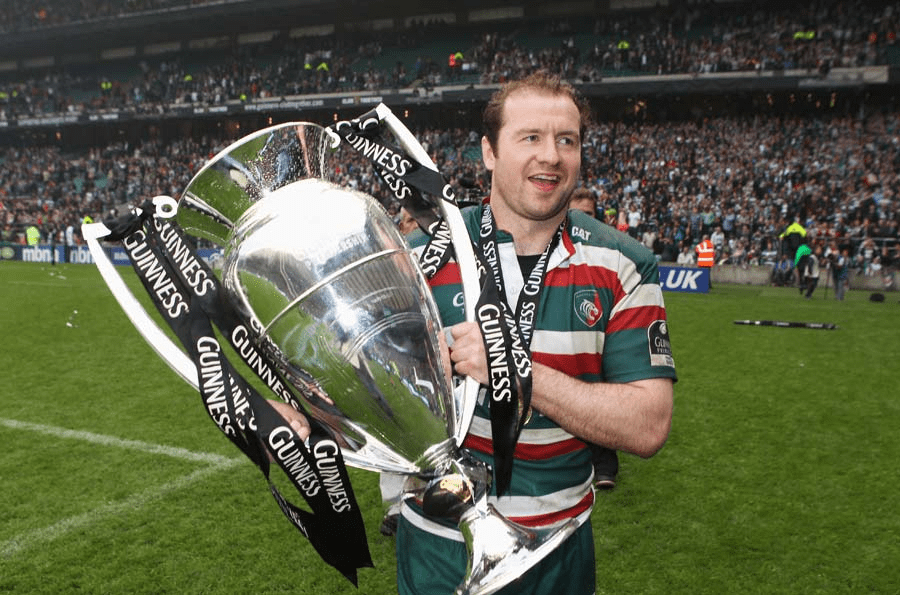
The 2010 Guinness Premiership Play-Off Final was a breathless 80 minutes of rugby union. Leicester Tigers and Saracens had managed to rack up a combined 60 points from opening kick-off to full-time whistle, a points tally only bettered by Saracens and Exeter Chiefs in 2019, in a final that ended 37-34 to the Men In Black. Points were scored on average every 4.5 minutes (with the longest scoreless drought lasting 20 minutes), in a momentum-shifting, tit-for-tat encounter where fans both partisan and neutral couldn’t ever predict what was going to happen next or which team would end on the winning side come minute 80. The matching league records of these two teams was on show at Twickenham, with inventive, fast-flowing rugby from both the champions and the challengers creating an outstanding rugby match where every try was praised for its attacking brilliance rather than searching for defensive frailties. These were the two best sides in the country putting their best foot forward in the biggest match of the year.
Leicester Tigers may have had the last laugh on 29th May 2010, but Saracens would have their revenge one year later. In the Premiership final rematch 364 days later (28th May 2011), another closely-fought final was this time won by the challengers. A try from winger James Short and 17 points from the boot of Glen Jackson’s replacement, 19-year-old fly-half Owen Farrell, would be enough to beat the Tigers 22-18 to win their first Premiership title. Little did Farrell and his teammates know that this title win in May 2011 would be the beginning in an era of dominance for the team in black and red, an era that would produce 4 more Premiership titles and three European Cups. It should not be forgotten however, that this era of dominance, and the subsequent fall from grace that followed, all began when a shell-shocked team in black and red saw their newly-won lead in the Premiership final evaporate within seconds as a 28-year-old centre clad in green, red and white slid over their try-line to deny them an historic victory.
 the-score-board.co.uk