
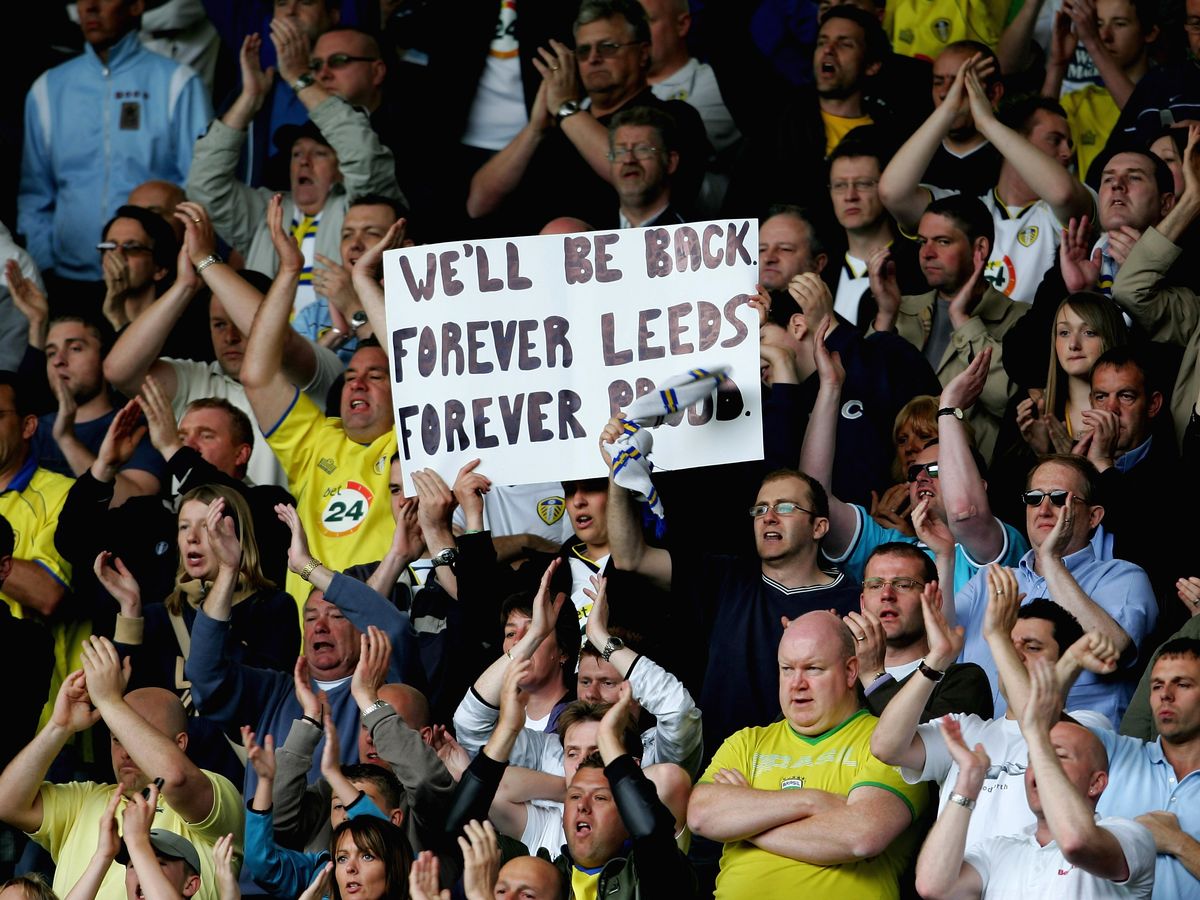
The Fall Is Complete, 2006/07
Manager(s): Kevin Blackwell, John Carver, David Geddis (caretaker managers), Dennis Wise
Top Scorer: David Healy (10)
Championship: 24th (relegated)
FA Cup: 3rd Round
League Cup: 3rd Round
League record: 13 wins, 7 draws, 26 defeats, 46 goals scored, 72 goals conceded
Transfers: £+2.8 million
Transfers in: £950,000
Sebastien Carole, Brighton, 5 July, free
Kevin Nicholls, Luton Town, 26 July, £750,000
Geoff Horsfield, Sheffield United, 3 August, 4-month loan
Tony Warner, Fulham, 4 August, 4-month loan
Ian Westlake, Ipswich Town, 4 August, swap deal
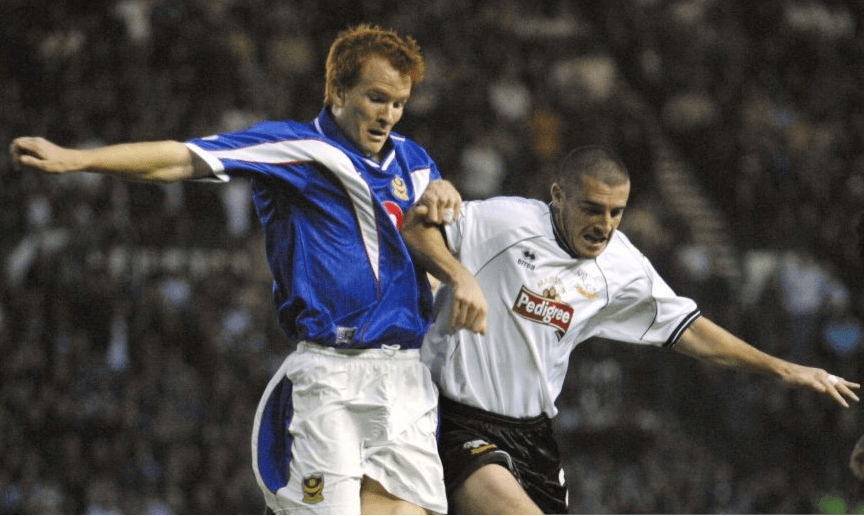
Hayden Foxe, Portsmouth, 11 August, free
Jonathan Douglas, Blackburn, 31 August, undisclosed
Alan Wright, Sheffield United, 10 October, 1-month loan
Adam Johnson, Middlesbrough, 16 October, 1-month loan
Graham Stack, Reading, 22 October, season-long loan
Ugo Ehiogu, Middlesbrough, 23 November, 2-month loan
Robbie Elliott, Sunderland, 1 January, free
Matt Heath, Coventry, 2 January, free (after 2-month loan from 10 November)
Armando Sa, Espanyol, 3 January, 6-month loan
Tore Andre Flo, Valerenga, 3 January, free
Tresor Kandol, Barnet, 3 January, £200,000 (after 2-month loan from 23 November)
Alan Thompson, Celtic, 12 January, 6-month loan
Casper Ankergren, Brondby, 31 January, 6-month loan
Jemal Johnson, Wolves, 19 February, 3-month loan
Radostin Kishishev, Charlton Athletic, 3 March, 2-month loan
Lubomir Michalik, Bolton, 9 March, 1-month loan
Michael Gray, Blackburn Rovers, 22 March, 2-month loan
Transfers out: £3.7 million
Joel Griffiths, Newcastle Jets, 31 May, free
Danny Pugh, Preston, 26 June, £250,000
Michael Ricketts, Southend United, 30 June, undisclosed
Simon Walton, Charlton, 7 July, £500,000
Jermaine Wright, Southampton, 10 July, free
Rob Hulse, Sheffield United, 26 July, £2.2 million
Dan Harding, Ipswich Town, 4 August, swap deal
Ian Bennett, Sheffield United, 20 August, free
Ian Morris, Scunthorpe, 30 August, undisclosed
Eirik Bakke, SK Brann, 31 August, free
Paul Butler, MK Dons, 4 January, free (after previous 2-month loan from 22 November)
Matthew Kilgallon, Sheffield United, 8 January, £1.75 million
Sean Gregan, Oldham, 9 January, free (after previous 2-month loan from 8 November)
Following their Premier League near-miss the previous May, Kevin Blackwell and Leeds United were heading into their third Championship season with Premier League promotion on their minds once again. First, the summer transfer window. Leeds’s transfer business would begin with departures. The first to leave would be striker Joel Griffiths on 31st May. The 26-year-old had arrived at Elland Road from Neuchatel Xamax the previous January with the hope that first-team football in a major football market would help him to make the Australia squad for the 2006 World Cup. Griffiths would make 2 appearances for Leeds during his 4 months at the club, as a substitute against Stoke on 25th March (0-0) and Preston on 30th April (0-2). Griffiths later blamed perceived animosity from Kevin Blackwell for his lack of football, although this could also have been due to the impressive form of David Healy, Robbie Blake and Rob Hulse the previous season. At the end of June, Danny Pugh would leave Leeds after only two seasons at the club. Pugh had arrived at Leeds in the summer of 2004 as the other half of the swap deal that had taken Alan Smith to Manchester United. He had been a first-teamer during the 2004/05 season, starting 36 matches on the left-hand side of midfield. However, the signing of Eddie Lewis the following summer had restricted Danny Pugh to 15 appearances during his sophomore season in Yorkshire, with 11 appearances coming off the bench. He would be sold to Preston on 26th June for £250,000. Four days later, Michael Ricketts would leave for Southend United. Another summer 2004 signing, Ricketts had only managed to score once in 24 appearances during his debut season at the club. He had later spent time on loan at Stoke City (0 in 11), Cardiff City (5 in 17) and Burnley (2 in 13) and now left the club having been unable to recapture the goalscoring form of his earlier years.
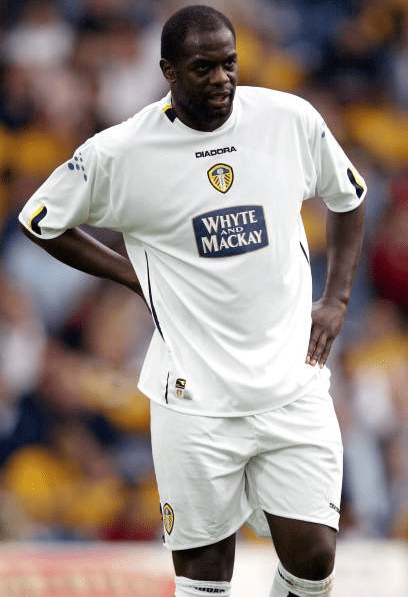

After these three departures, Leeds would make their first summer signing on 5th July, winger Sebastien Carole from Brighton. The 23-year-old Frenchman had began his career as part of the prestigious AS Monaco academy that had previously produced Thierry Henry, but had only managed to make 8 first-team appearances, spending most of his time in the B team. He would have unsuccessful loan spells at West Ham and Chateauroux before leaving the Principality in 2005 for the south coast of England. The previous season, Carole had been a constant starter for Brighton, making 40 appearances in a season that saw the team relegated to League One. Following relegation, Carole activated the release clause in his contract to join Leeds on a free transfer. The days after Carole’s arrival would see two more former first-teamers leave the club. Midfielders Simon Walton and Jermaine Wright had both been regular starters for Leeds during the 2004-05 season, making 33 and 37 appearances, respectively. Teenage midfielder Walton, a Leeds academy graduate had seemed like a future star for the team, but he and Wright would find themselves victims of Leeds’s transfer policy, finding themselves restricted to 5 and 3 appearances the following year as midfield loan signings Jonathan Douglas and Liam Miller took their place in midfield. Walton would leave for Premier League Charlton Athletic and Wright for Championship Southampton.
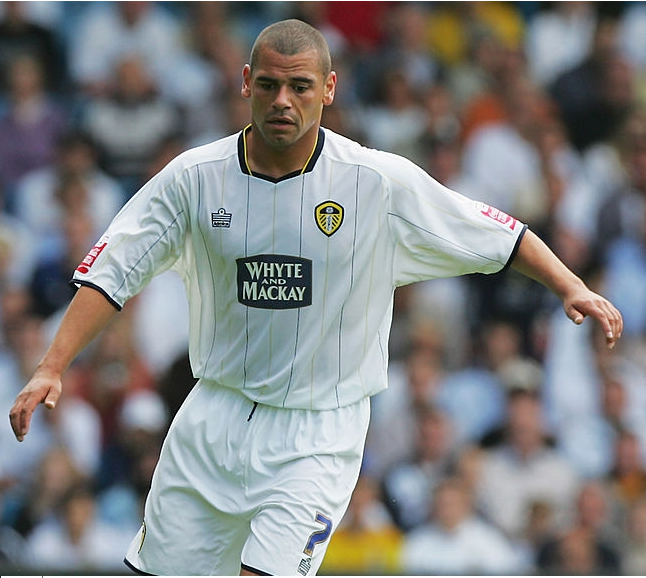
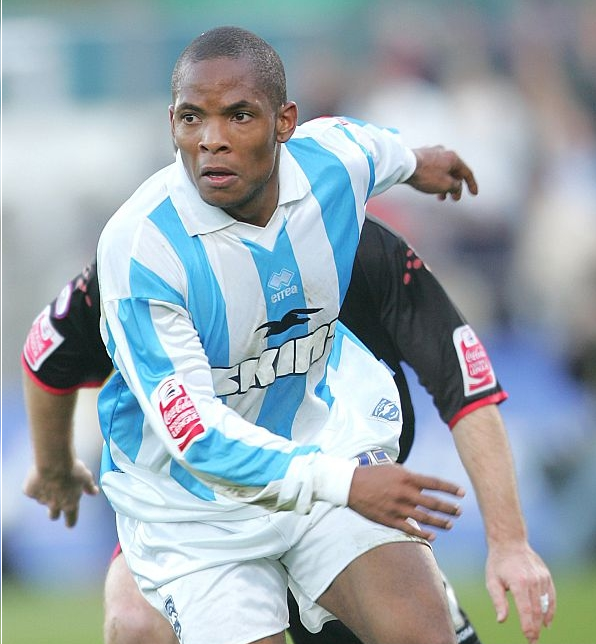
26th July would simultaneously see Leeds’s second arrival of the transfer window and their sixth departure. First, Luton Town captain Kevin Nicholls would be signed for £750,000. In five seasons at Kenilworth Road, Nicholls had managed to overcome injury problems that had dogged his career. Becoming the club captain in his debut season, he was crucial in Luton’s promotion from League Two in 2002 and League One in 2005, eventually helping the team finish 10th in the club’s first season in the second division since 1996. Nicholls would leave Kenilworth Road following 187 appearances and 33 goals from midfield. Going the other way would be Leeds’s top scorer from the previous season, Rob Hulse. Hulse had been excellent for Leeds during his two seasons at the club, scoring 20 in 59 total appearances. However, Premier League clubs had started monitoring the progress of the 26-year-old. Newly promoted Premier League side Sheffield United made a £2.2 million offer and Leeds could not refuse. To replace the departing Hulse, Geoff Horsfield would be signed from the Blades on a 4-month loan one week later. Horsfield had previous Championship experience, scoring a total of 39 goals across spells with Birmingham City, Wigan Athletic and West Brom between 2000 and 2004.
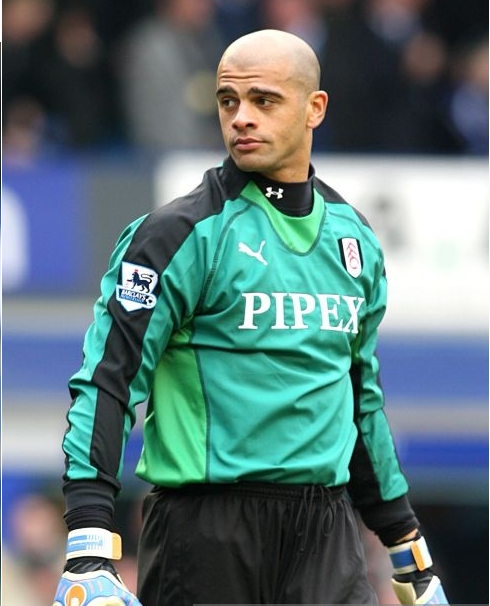
4th August would see two more arrivals. Experienced goalkeeper Tony Warner would join on a 4-month loan from Premier League Fulham while a swap deal with Ipswich would see midfielder Ian Westlake come to Elland Road, while Dan Harding headed in the other direction. Westlake was leaving his boyhood club, a club he had been at since joining at the age of 16. After progressing through the youth academy, he would make his first-team debut for the Tractor Boys as a 19-year-old in October 2002. Since then, he made a total of 125 appearances in the Ipswich midfield, scoring 17 goals. He had even received a call-up to the England U-21’s in 2004, but didn’t receive a cap. Going the other way, Dan Harding had made 21 appearances at left-back during his sole season at Leeds, competing for the spot with Stephen Crainey. However, Crainey had been chosen when it came down to the play-off campaign and now Harding found himself at another new club for the second summer in a row. One week later, Australian centre-back Hayden Foxe would be signed from Portsmouth. Foxe had been a key part of the Portsmouth defence when the team won the First Division title in 2003 to earn promotion to the Premier League under manager Harry Redknapp. He would continue as a starter until a fractured bone in his foot put him out for the rest of 2003-04 season. He would not play another match for the club before being released from his contract.
On 20th August, goalkeeper Ian Bennett would be Leeds’s eight departure of the transfer window. After signing from Birmingham City the previous season, Bennett had started four matches in the early months of the season in place of the inured Neil Sullivan. However once Sullivan returned to full fitness, Bennett would see his chances extinguish. He would follow Rob Hulse to Premier League Sheffield United to provide cover for Paddy Kenny. Academy graduate Ian Morris would follow him out the door heading to Scunthorpe United.



On transfer deadline day, Leeds would finally secure a permanent deal for Jonathan Douglas from Blackburn Rovers following the midfielder’s 47 appearances the previous year. The same day, a club stalwart would finally leave the club. After seven seasons at Elland Road, Eirik Bakke would make his last bow for the club. Signed from Sogndal in May 1999, Bakke had a great start to his Leeds career, making 44 and 43 appearances during the 1999/00 and 2000/01 seasons. He was a prominent figure in the Leeds midfield alongside Lee Bowyer during the team’s peak period, scoring Leeds’s equaliser in the UEFA Cup semi-final against Galatasaray in April 2000, a night which saw the club eliminated on away goals. He would also score in Leeds’s 6-0 Champions League victory over Besiktas in later 2000 and a 3-0 victory over Maritimo in the UEFA Cup in September 2001. He would remain a prominent player over the next two seasons, making a further 35 appearances during the 2001/02 season, and only goalkeeper Paul Robinson would make more appearances than Bakke’s 45 during the 2002/03 season. However, injuries would soon start to limit his appearances for Leeds. He would make only 11 appearances during the relegation season of 2003/04, before patella tendinitis kept him out for the start of the 2004/05 season. In January 2005, he would suffer a torn cruciate ligament that would keep him out for the rest of the season, making one appearance during the season. After regaining fitness, Bakke was loaned to Aston Villa for the first half of the 2005-06 season. He would make 14 appearances in the Premier League before finishing the season at Leeds, helping the team to reach the play-offs. He would leave Leeds for SK Brann after 196 total appearances and 21 goals from midfield.
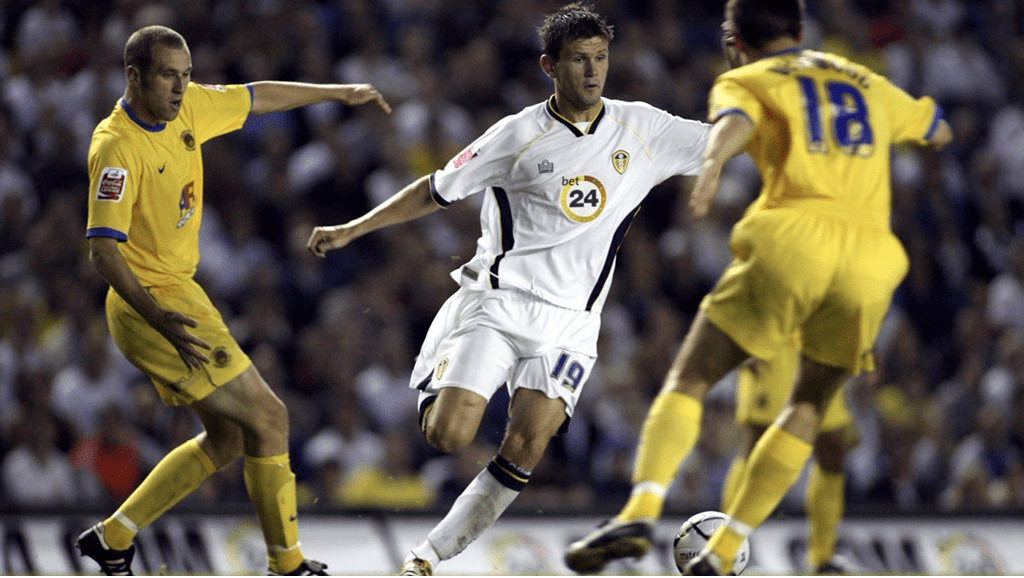
Leeds would have a mixed start to their Championship season. A David Healy penalty would give the team a 1-0 opening-day victory over Norwich City. This would be followed by a 2-2 draw with Queens Park Rangers and successive 1-0 defeats to Crystal Palace and Cardiff before another Healy penalty ended the month with a 1-0 win against Preston. This would be mixed in with a League Cup victory over League Two Chester on 22nd August, which saw Eirik Bakke score his final Leeds United goal. Following this mixed start, Leeds’s form would take a sizeable downward shift. Three consecutive defeats to Wolves (0-1), Sunderland (0-3) and Coventry City (0-1) on 16th September meant that Leeds had won just 2 of their first 8 league matches. The day after a 3-1 League Cup 2nd Round victory over Barnet, which included 2 goals from young striker Ian Thomas-Moore on 19th September, manager Kevin Blackwell was sacked as Leeds United manager. In 114 matches in charge at Elland Road, Blackwell had overseen 44 wins, 37 draws and 33 defeats for a win percentage of 38%. At the time of this departure, Leeds were lying second-bottom of the Championship having attained 7 points from a possible 24.
Following the sacking of Blackwell, first-team coach John Carver was placed in temporary charge until further notice. Carver’s first match in charge saw Leeds’s 3rd league victory of the season, a 3-2 win over Birmingham City, in which David Healy scored twice. However, this positive result would be followed by four more losses to West Brom (2-4), Stoke (0-4), Leicester (1-2) and a 5-1 defeat to Luton on 21st October. At this point, Leeds had now played 13, won 3, drawn 1 and lost 9 and had gained 10 points from a possible 39. Carver’s temporary charge had also seen 1-month loan spells for Sheffield United midfielder Alan Wright and Middlesbrough’s Adam Johnson and the signing of Reading goalkeeper Graham Stack on a season-long loan. The boardroom felt more change was needed at a managerial level.
On 24th October, Swindon Town boss Dennis Wise would be installed as Leeds’s new permanent manager, as Carver left the club. Following a notable and controversial career that saw him make 738 appearances and score 120 goals as hardman midfielder for Wimbledon, Chelsea, Leicester City, Millwall, Southampton and Coventry between 1985 and 2006 and earn 21 caps for England, Dennis Wise started his managerial career in 2003. As player-manager of Millwall, Wise led the team to the 2004 FA Cup Final, becoming the first team from outside the top-flight to reach the final since 1992. He also led Millwall to three top-10 finishes in the Championship before resigning his post in the summer of 2005. In May 2006, Wise had been appointed manager of Swindon Town. He would win six of his first seven league matches, and the team topped the League Two table at the beginning of September. Now with Swindon lying 3rd in League Two with 31 points from the first 15 matches, Wise and his assistant Gustavo Poyet would choose to leave the Robins just 3 months into a 3-year contract to take the Leeds United job.
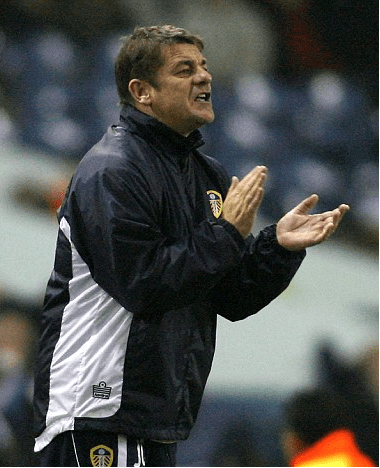
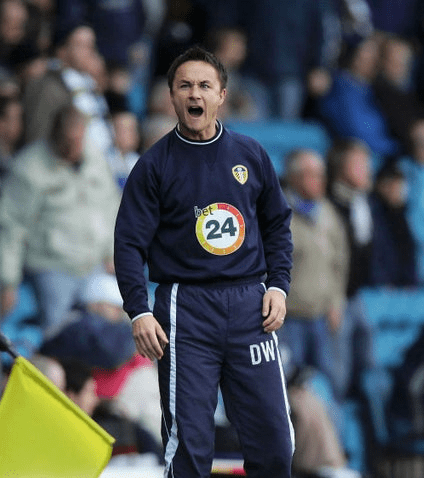
Following a 3-1 League Cup 3rd-round exit to Southend United on 24th October, Dennis Wise’s first league match in charge would see a rematch between the two clubs just 4 days later. Leeds would get their revenge, as goals from Ian Thomas-Moore and Robbie Blake would secure a 2-0 victory over the Shrimpers at Elland Road. On 28th October, Leeds had secured just their 4th league victory of the season from 14 matches, a far cry from play-off form. Wise’s next five matches in charge would produce 2 wins and 3 defeats. The Southend win was followed by two away defeats, a heavy 4-1 defeat to Preston on Halloween and a close 3-2 defeat to Barnsley 4 days later.
The team’s next home match on 11th November would result in another win as a brace from Blake and another from Richard Cresswell would complete a 3-0 win against Colchester. One week later, Elland Road would see the same result reversed as Southampton would be 3-0 victors. Another week later, Plymouth Argyle would be dispatched 2-1 thanks to Eddie Lewis and Robbie Blake’s 4th goal of the season, all of which had come under Dennis Wise. During this time, experienced centre-back Ugo Ehiogu would join the club on a 2-month loan from Middlesbrough, as would defender Matt Heath from Coventry City and striker Tresor Kandol from Barnet. At the same time, play-off final centre-backs Paul Butler and Sean Gregan would be loaned out to lower-league MK Dons and Oldham Athletic during a time of much activity and change at the club.
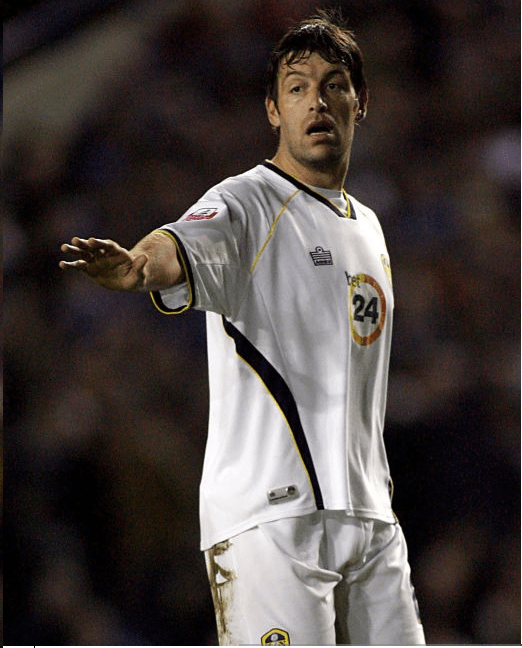
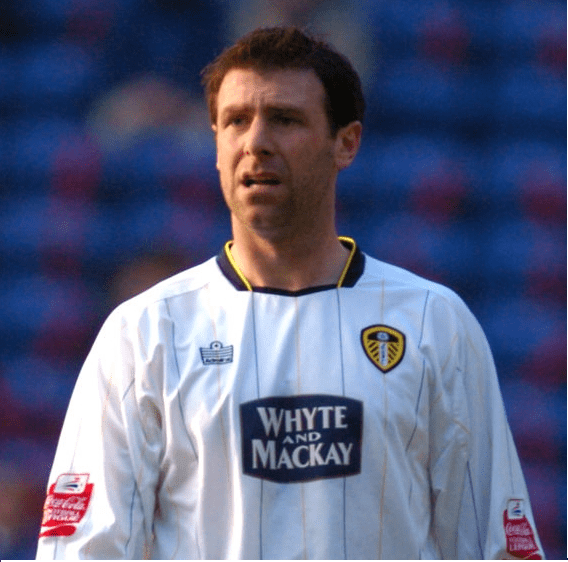

The Plymouth victory on 25th November would be the last positive result Leeds would receive for a while as the team would fail to win the final seven league matches of 2006. Five defeats to Burnley (1-2), Derby (0-1), Ipswich (0-1), Sunderland (0-2) and Stoke (1-3) mixed with two draws with Barnsley (2-2) and Hull (0-0) would see the team end the year firmly entrenched in the relegation zone. By the end of 2006, Leeds had played 26 matches, winning 6, drawing 3 and losing 17 for a return of 21 points from a possible 78.
The first match of 2007 would see Leeds end their recent slump with a 2-1 win over Coventry with goals from David Healy and Jonathan Douglas. The same day, Leeds would make their first signing of the January transfer window, defender Robbie Elliott. The 33-year-old left-back had left Sunderland after appearing only 7 times after signing from rivals Newcastle in August. Elliott had previously spent time at Newcastle during the 1990’s, making 79 appearances under Kevin Keegan’s Magpies that finished 2nd to Manchester United in 1996 and 1997. He had also been part of a Bolton squad that had achieved promotion to the Premiership via the play-offs in 2001 under the stewardship of Sam Allardyce. The following two days would see four more Leeds signings. Matt Heath and Tresor Kandol would see their loan spells made permanent, with £250,000 being paid to Barnet for Kandol’s services.
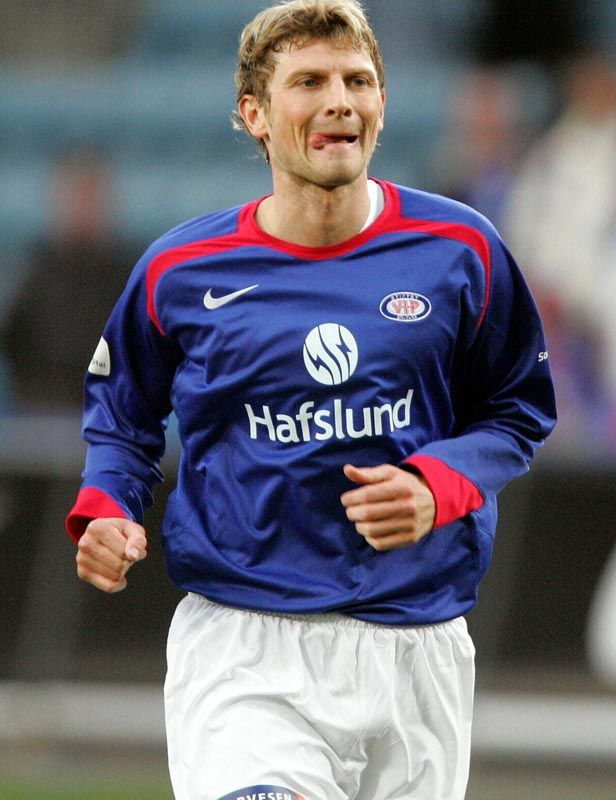
On 3rd January, 32-year-old Mozambique right-back Armando Sa would join from La Liga side Espanyol on loan for the rest of the season. Sa had previously spent time at Braga, Benfica and Villareal, helping the team to 3rd in the 2004-05 La Liga. The same day, 33-year-old former Chelsea and Rangers striker Tore Andre Flo would join from Norwegian side Valerenga. Prior to joining Leeds, Flo spent four seasons at Chelsea between 1997 and 2000, scoring 34 goals in 112 appearances before heading across the border to Rangers, scoring 29 in 53 appearances. An unsuccessful one-season spell at Sunderland would follow before two seasons at Siena in Serie A and a return to Norway with Valerenga. One day later, Paul Butler’s loan to MK Dons would be made permanent as the Leeds captain from the previous two seasons would leave the club just months after leading the side within one match of Premier League promotion.


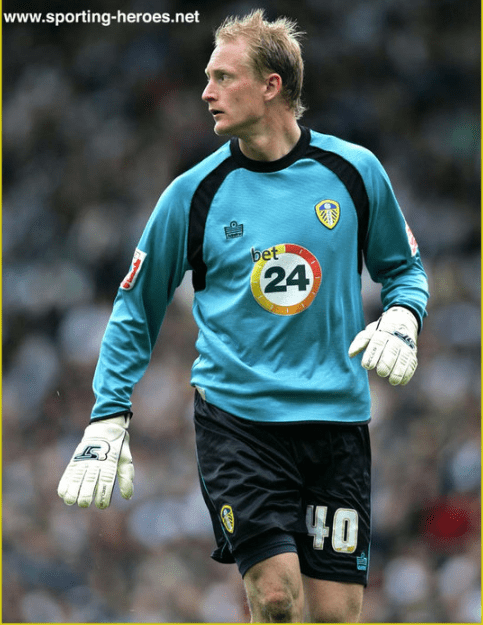
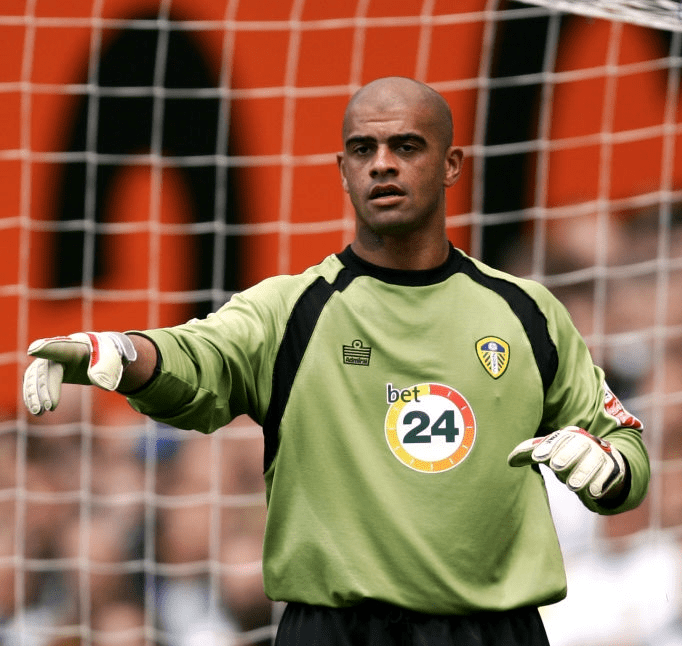
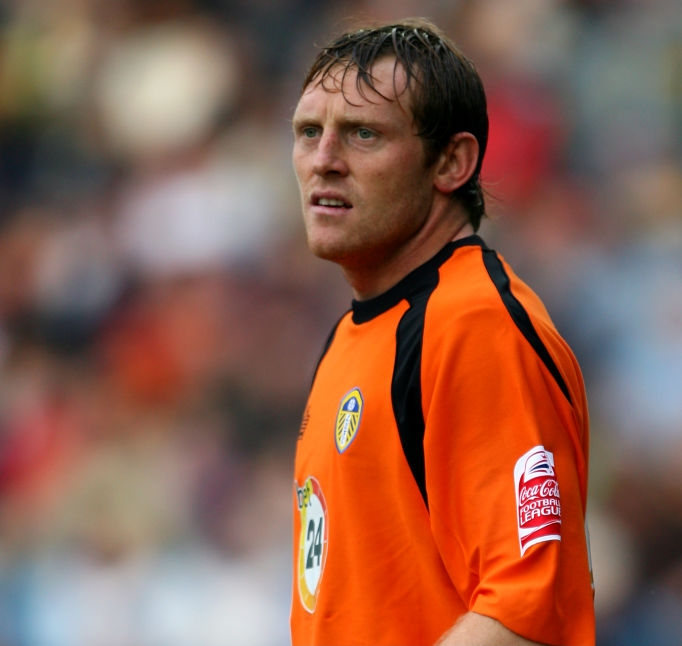
On 6th January, Leeds would exit the FA Cup at the earliest opportunity, losing 3-1 to West Brom. In the days after this exit, two more starting defenders would leave Elland Road for pastures new. On 8th January, Matthew Kilgallon would follow Rob Hulse and Ian Bennett to Sheffield United for a fee of £1.75 million. After graduating from Leeds’s academy and making his debut in a UEFA Cup win against Hapoel Tel Aviv in November 2002, Kilgallon had become a regular following Leeds’s Premier League relegation and his departure was major blow to Leeds’s creaky defence. He would move from West to South Yorkshire after 126 appearances and 4 goals at the centre of the Leeds defence. One day later, Sean Gregan’s loan to Oldham was made permanent, meaning that 3 of Leeds’s’ first-choice defenders from the play-off final campaign of a year earlier were now gone 8 months later. On 12th January, another veteran would join Leeds as 33-year-old former Bolton and Aston Villa defender Alan Thompson would join on loan from Celtic until the end of the season. For the previous seven seasons, Thompson had been at the heart of Celtic’s midfield, winning four Scottish Premier Leagues and was part of the team that was beaten by Jose Mourinho’s FC Porto in the 2003 UEFA Cup Final. Leeds’s January transfer business would end with another loan signing, that of goalkeeper Casper Ankergren from Brondby on loan until the end of the season.
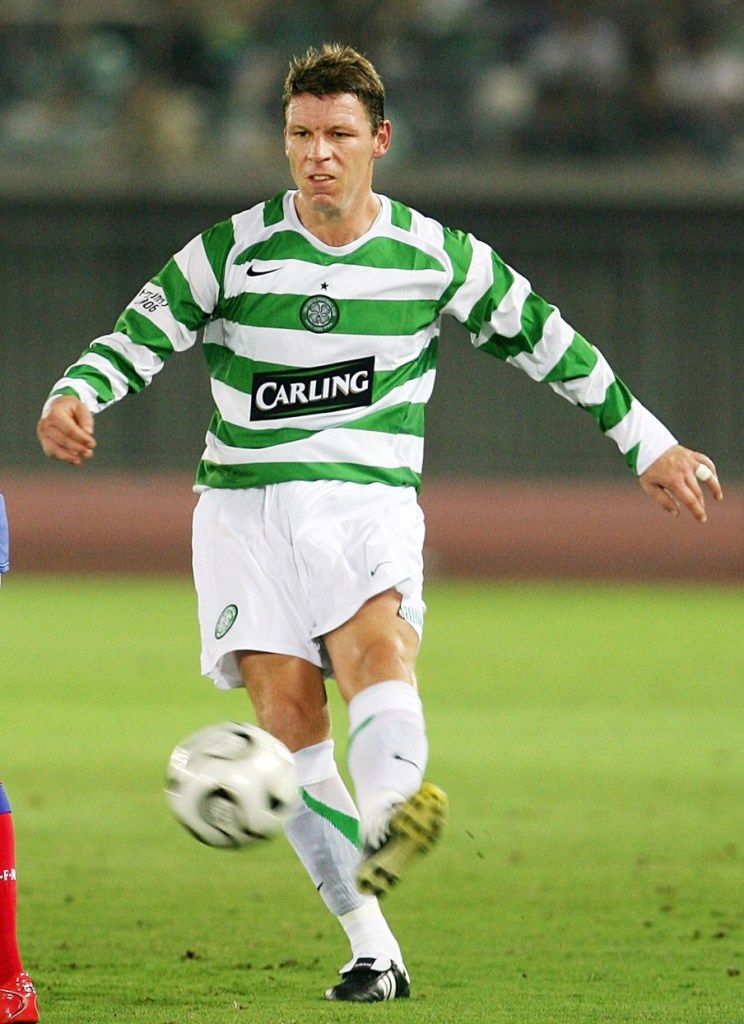
(Photo by Koichi Kamoshida/Getty Images) 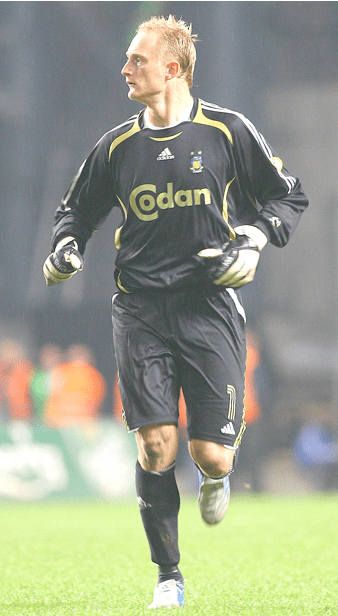
(c) Brondby IF-Galleri 
(c) Leeds United
Leeds would return to league action on 20th January, where Tore Andre Flo and Alan Thompson would score in a 3-2 defeat to West Brom at Elland Road. 10 days later, Thompson and Matt Heath would score in a 2-1 win over Hull. This pattern would repeat again as a 2-1 defeat to Norwich on 3rd February (which featured the first Leeds goal scored by Jonny Howson) was followed the next week by a 2-1 win over Crystal Palace. After this pattern of loss-win-loss-win, the pattern would be broken by a five-match winless streak lasting from 17th February to 3rd March. Three 1-0 defeats to Cardiff, Wolves, Birmingham and a 3-2 reverse to Sheffield Wednesday would sink Leeds further into relegation trouble, leaving them 5 points from safety.
Two more loan signings would enter Elland Road during the slump. First, American forward Jemal Johnson would join from Wolves until the end of the season. After signing from Blackburn in the summer, Johnson had scored two match-winning goals in his first two matches at Molineux. However, the early form had not been replicated, with one further goal returned from 18 appearances. On 3rd March (the day of the Sheffield Wednesday defeat), Charlton right-back Radostin Kishishev would come through the doors. During seven seasons at The Valley, Kishishev had been a regular at right-back and as a defensive midfielder, making 200 appearances for the Addicks but had recently found himself behind new signing Amdy Faye and captain Matt Holland. 6 days later, centre-back Lubomir Michalik would join on a 1-month loan from Bolton to ease Leeds’s injury troubles.

(c) Premier League 
(c) Read International Football 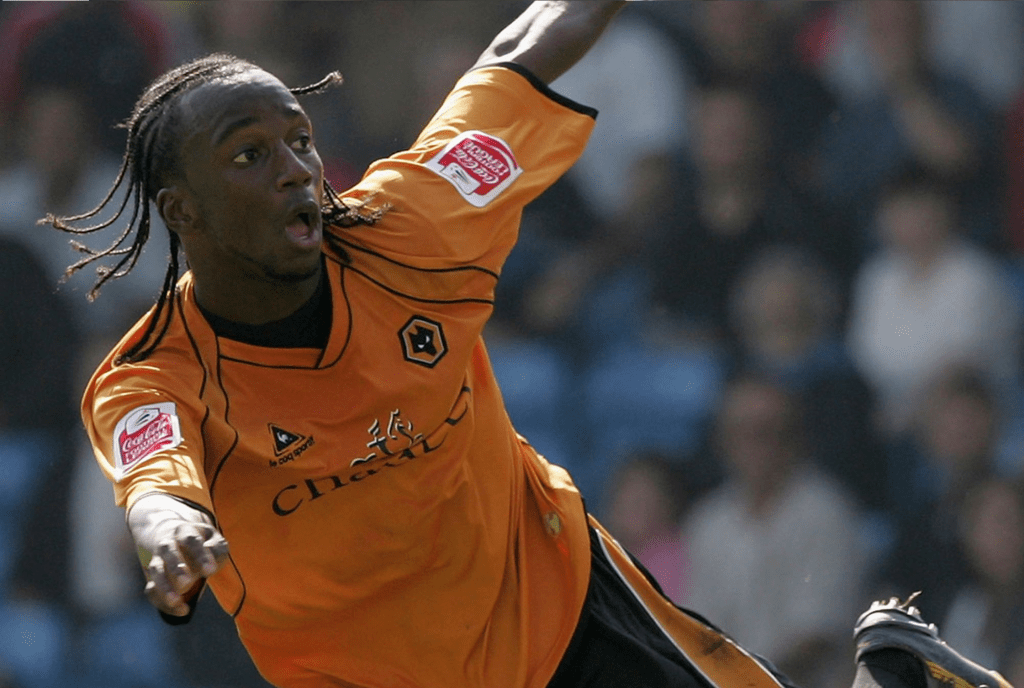
(c) Wolves
Now with their Championship future in serious doubt, Leeds needed to find form, and quickly. They would. Three wins and two draws from their next five matches (10th March-7th April) gave Leeds hope of survival. It began with a 1-0 home victory against Luton Town on 10th March, with Richard Cresswell scoring the winner. The next two matches would produce successive 1-1 draws against Leicester and Southend United. Five days after the Southend match, Michael Gray would join Leeds on loan from Blackburn Rovers for a second time, following his earlier spell at the club during the 2004-05 season. The two matches following these draws would also produce the same result: 2-1. On 31st March, Robbie Blake and David Healy would score to help Leeds defeat Preston. The following week, Healy and loan signing Lubomir Michalik would defeat Plymouth Argyle, the only team Leeds would do the double over during this particular season. The latter victory would lift Leeds out of the relegation zone, 1 point ahead of Barnsley. With five matches remaining, Leeds United had played 41, winning 12, drawing 6 and losing 23, accumulating a total of 42 points from a possible 123.
Leeds could not afford to slip up, or risk relegation to the third tier for the first time in their history. First up, an away fixture to 10th-placed Colchester United on 9th April, who Leeds had comfortably beaten 3-0 earlier in the campaign. After a goalless first half, Leeds would take the lead after 53 minutes through Eddie Lewis’s left-footed drive. Leeds looked on course for a third consecutive win for the first time all season until Colchester responded with 8 minutes remaining, as Chris Iwelumo headed home from a Karl Duguid free-kick. With relegation rivals Barnsley winning elsewhere, Leeds could ill-afford to lose this match. However, the inevitable happened as the clock hit 90 minutes. Hogan Ephraim crossed into the Leeds area and Jamie Cureton volleyed home to knock Leeds back down into the relegation zone. Five days later, Matt Heath’s 21st-minute goal was enough to give Leeds a 1-0 victory over Burnley at Elland Road, a result that only kept them in the bottom three on goal difference behind Hull City on 45 points. Positive results from the final three matches with Southampton, Ipswich and Derby would give Leeds a chance of survival. The trip to St Mary’s on 21st April would see Leeds reduced to 10 men after half an hour as Alan Thompson saw red after a clash with The Saints’ John Viafara. The match would remain goalless at half-time and would remain so until late in the match. However, with 4 minutes remaining, substitute Bradley Wright-Phillips converted a cross from fellow sub Djamel Belmadi to give Southampton the lead, a lead that Leeds would not claw back. Leeds had failed to take advantage of Hull City’s draw with Stoke City but remained within touch. A win against either Ipswich or Derby might have been enough to keep Leeds up, with the hope that Hull failed to win either of their last two matches.
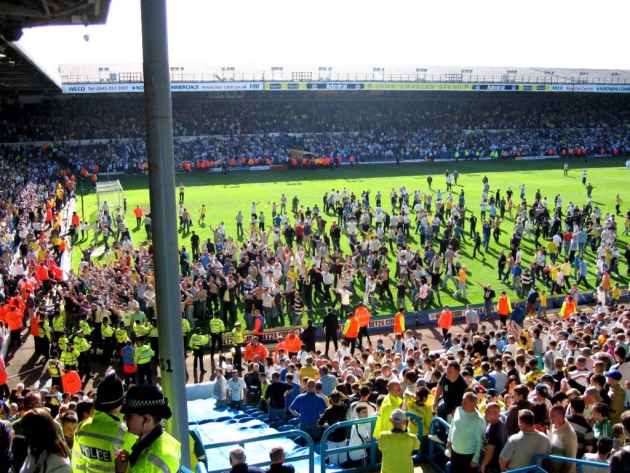
On 28th April, Leeds hosted Ipswich Town while Hull travelled to South Wales to face Cardiff. At Elland Road, Leeds would take the lead after 12 minutes through Richard Cresswell. Leeds would remain in the lead at half-time, while Hull-Cardiff remained goalless. However, seven minutes into the second half, veteran striker Dean Windass would give the Tigers the advantage both on the scoreboard and on the league table. A Hull City win would not be the worst result for Leeds if the Whites themselves could hold on for a victory against the Tractor Boys. Following the story of previous weeks, Leeds looked like they would hold on for the victory, a victory they desperately needed. However, in the 88th minute, Alan Lee would equalise for Ipswich. The match would soon be stopped by a pitch invasion by hundreds of Leeds supporters. The match would be delayed by 30 minutes, with the players from both teams being led off the filed until the invasion could be dealt with. The majority of Leeds fans chanted “You’re the scum of Elland Road at the pitch invaders while the PA appealed for calm and decorum. Once play resumed, the full time whistle would be blown a minute later. The match would end in a draw, not the result Leeds were looking for. This coupled with Hull’s victory over Cardiff, effectively relegated Leeds with one match remaining. An article in The Guardian written the following day stated that “The ugly invasion that followed Ipswich’s equaliser reminded neutrals exactly why they are so delighted that Leeds United will be playing lower division football for the first time in their history next season” (Arindam Rej, ‘Leeds set to leave stage in disgrace’, The Guardian, 29th April 2007). The only way Leeds could hope to stay up now was to beat play-off hopefuls Derby County by an 8-goal margin.
This near-impossible task of survival was taken out of their hands two days before the final match of the season. On 4th May 2007, Leeds United were effectively relegated from the Championship to League One after being handed a 10-point deduction. The reason for this deduction? Leeds had entered administration. Still incurring debts of £35m, the club was the subject of a winding-up petition from HM Revenue and Customs (HMRC). Unable to pay off the debts immediately, the club was forced to take the administration route. The club were set to be sold to a new company, named Leeds United Football Club Limited, led by incumbent chairman Ken Bates. The 10-point deduction had been the result of a Company Voluntary Agreement (CVA) in which the sale of the club to Bates had to receive approval from the club’s creditors. To exit administration, all debts had to be paid off. For a football fan however, the fall into administration meant that Leeds had succumbed to relegation and would plying their trade in the third tier for the first time in their history. The league season would end at Pride Park, with Leeds losing 2-0 to 3rd-placed Derby County. Goals from Darren Currie and Tyrone Mears would result in Leeds suffering their 26th defeat of the season. With the points deduction, Leeds would finish 24th and bottom of the Championship with 36 points, 13 points adrift of 21st-place Hull City with 49 points. The final line-up for Leeds in the Championship: GK-Casper Ankergren DF: Michael Gray, Hayden Foxe, Rui Marques, Robbie Elliott MF: Robert Bayly, Alan Thompson, Sebastien Carole, Jemal Johnson FW: Richard Cresswell, Robbie Blake
Leeds would play 46 league matches in the Football League Championship during the 2006-07 season. They would win 13 matches, draw 7 and lose 26. In these 46 matches, Leeds would score 46 goals (an average of 1.00 goal per game), the worst goalscoring record in the league, and would concede 72 goals (an average of 1.57 per game), constituting the 3rd-worst defence in the league ahead of fellow relegated teams Southend and Luton (80 and 81 goals respectively). A look at the appearance figures for the 2006-07 season suggests a season of uncertainty regarding team selection like that seen during the Premier League relegation season of 2003-04. This can be seen in the fact that the team that started the final match of the season shares no similarities with the team that started the opening day victory against Norwich. Of the 44 players who made a league appearance for the Whites during the league campaign, only three players were proven regular starters. Eddie Lewis (40), David Healy (31) and Jonathan Douglas (34) were the only Leeds players to make over 30 league appearances over the course of the season. This compares negatively to the eight players (Paul Butler, Gary Kelly, Lewis, Douglas, Neil Sullivan, Shaun Derry, Rob Hulse, Robbie Blake) who made the same amount of appearances one year earlier during the team’s play-off season. In fact, only six Leeds players (the above three + Robbie Blake, Matt Heath and Shaun Derry) started more than half of Leeds’s Championship matches. That means that no goalkeeper and one defender used by Leeds this season was deemed good enough to be a regular shot-stopper at the heart of a Leeds defence that would concede 72 league goals in 46 matches, compared to the 42 goals conceded with a settled defence one year earlier.
17 defenders were used by Leeds across the course of the season, and 7 would start fewer than 10 league matches. Previous full-back stalwarts Gary Kelly and Stephen Crainey started 16 and 18 matches respectively, compared to 44 and 24 one year earlier. In addition to Gary Kelly, Matt Heath and Stephen Crainey, the players who would start in the Leeds United defence were: Frazer Richardson, Matthew Kilgallon, Paul Butler, Rui Marques, Hayden Foxe, Radostin Kishishev (also midfield), Lubomir Michalik, Ugo Ehiogu, Michael Gray, Armando Sa, Robbie Elliott, Sean Gregan and Alan Wright. In addition to this unsettled defence, four different goalkeepers were put between the sticks for Leeds during the season as Casper Ankergren (14), Tony Warner (13), Graham Stack (12) and Neil Sullivan (7) were seemingly chopped and changed throughout the season, once again not allowing the back five to settle and work together to prevent goals from occurring.

18 players would combine to score Leeds 46 league goals. Of these, only David Healy would hit double figures with 10 for the season. Behind Healy would be fellow strikers Robbie Blake with 8 and Richard Cresswell with 4, defender Matt Heath would be Leeds 4th-highest scorer with 3 goals from defence. 28 of Leeds’s 46 league goals would come from centre forwards (Healy, Blake, Cresswell, Geoff Horsfield, Ian Thomas-Moore, Tresor Kandol, Tore Andre Flo), while only 10 goals would come from the midfield, as Eddie Lewis, Alan Thompson and Jonny Howson would score 2. The lack of a genuine goalscoring midfielder hurt Leeds, as the team lacked another option to go to if the centre-forwards were not firing or were being defended well. For example, champions Sunderland had Grant Leadbitter (7), Ross Wallace (6) and winger Carlos Edwards (5) to call upon. In addition, the lack of a 20-goal striker didn’t help Leeds in the slightest, considering that Healy’s best tally for Leeds in his three seasons at Elland Road had been 12 during the 2005-06 season. On a sidenote, Jermaine Beckford would make 5 appearances for Leeds during the season, starting only once, before being sent out on loan to Carlisle United and Scunthorpe United during the season. He would score 8 in 18 for Scunthorpe as the team achieved promotion from League One to replace Leeds in the Championship.
Another issue with Leeds’s selection-wise were the amount of loan signings made by the club throughout the season. 14 players were signed on some form of loan deal through the season. From these, Matt Heath and Tresor Kandol’s short-term loans were converted into permanent deals, while Graham Stack’s deal was the only loan to last more than half a season. Of the 14 loan deals, half lasted 3 months or fewer, with players being brought either to cover for injured players or to seemingly provide a quick fix for ongoing problems within the team. These loan signings only added to the muddled team selections made throughout the season. For example, Adam Johnson was signed on a 1-month loan deal from Middlesbrough on 16th October. Johnson would play five matches between 17th October and 4th November, starting 4 before returning to Middlesbrough. Five matches is not enough time to make an impact. Similarly, Alan Wright had been signed on a similar loan deal from Ipswich 6 days before Johnson. Wright would start 1 match before leaving. Leeds always seemed to be looking for the quick fix instead of planning for the long-term.

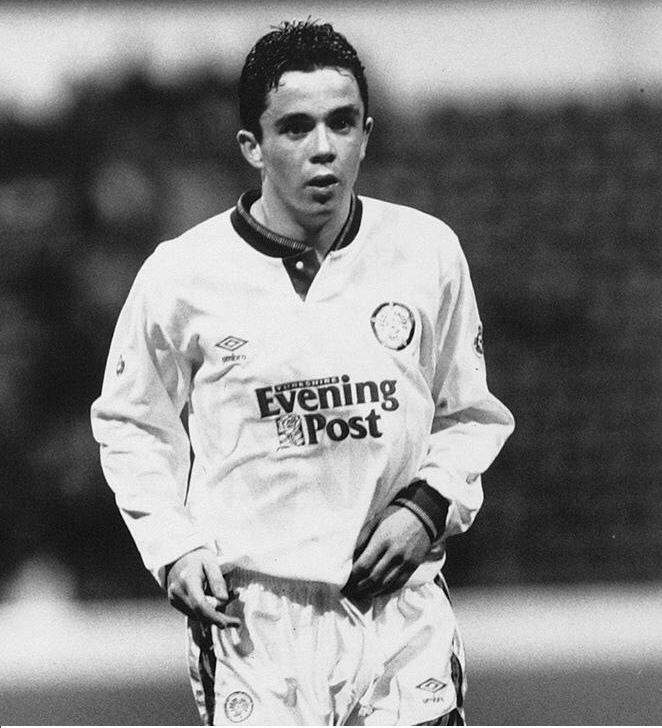
The 2006-07 season would be the last for the club’s longest-serving player Gary Kelly, who would complete his 16th and final season on Elland Road before retiring at the age of 32. Kelly had been a one-club man, making a total of 531 appearances at right-back and the right wing. Kelly joined Leeds as a 17-year-old from Irish club Home Farm having been noticed by Howard Wilkinson. He would make his Leeds United debut on 8th October 1991 in a League Cup match against Scunthorpe United and would make 2 appearances during the team’s First Division title-winning campaign of 1991-1992 behind incumbent right-back Mel Sterland. After the retirement of Sterland in 1993, Wilkinson would make Kelly the team’s first-choice right-back and he would play every league match of the 1993-94 and 1994-95 Premier League seasons, being selected in the PFA team of the season for the former. The 19-year-old Kelly would find himself selected for the Republic of Ireland squad for the 1994 World Cup, starting the final group match against Norway and the second-round loss to the Netherlands. He would continue to be a Leeds regular from 1995 to 1998, even being installed as the team’s captain for the 1997-98 season by then-manager George Graham. His run would be ended, as he would miss the entirety of the 1998-99 season through shin splints, with Lucas Radebe taking his place as captain and Martin Hiden and Gunnar Halle alternating a right-back. Kelly would return for the 1999-00 season and would spent the next four seasons competing with Danny Mills for the starting right-back berth. He would also be selected for the 2002 World Cup, starting all four of Ireland’s matches as the team progressed to the second round. Following Mills’ loan departure in 2003, Kelly would play all but one match of Leeds’s relegation campaign of 2003-04 and would remain with the club after the team dropped into the Championship. After missing just five league matches combined over the 2004-05 and 2005-06 seasons, Kelly had started his 16th league season still as the team’s starting right-back. He would start the team’s first 16 matches of the season. However, a perceived falling out with chairman Ken Bates and new manager Dennis Wise led to Kelly being dropped. He would not play another game for the club, with his 531st and final Leeds United appearance coming in a 3-2 defeat to Barnsley on 4th November 2006. He would receive one final honour, a crystal cut vase at the last home match of the season in the company of former players including Allan Clarke and Paul Reaney.
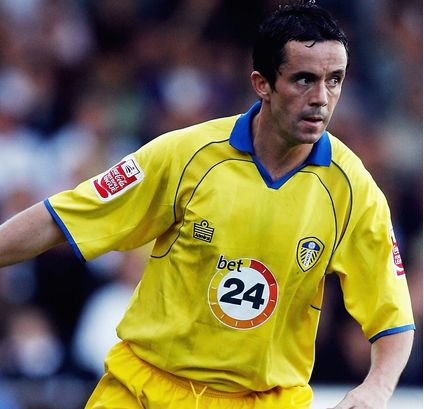
The main positive for Leeds, as it has been throughout this retrospective series, comes from youth. Young striker Ian Thomas-Moore would make an impression, playing 33 matches, starting 14 of them, and scoring 2 goals. In addition, the 2006-07 season would see the first-team debuts of midfielders Jonny Howson, Fabian Delph, Robert Bayly and forward Tom Elliott. Howson would have the biggest success, starting 6 league matches and scoring his first Leeds goal in a 2-1 defeat to Norwich on 3rd February. On the other end of the scale, Robert Bayly would make his debut on the final day of the season, only to be sent off after 72 minutes. Leeds would hope to hang onto these players as they now prepared for life in English football’s third tier, hoping to return to the Championship at the first attempt.
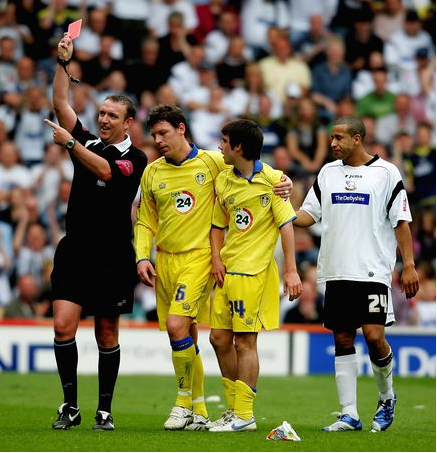
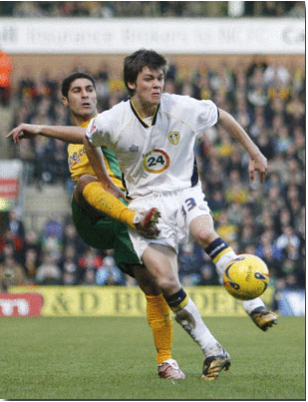
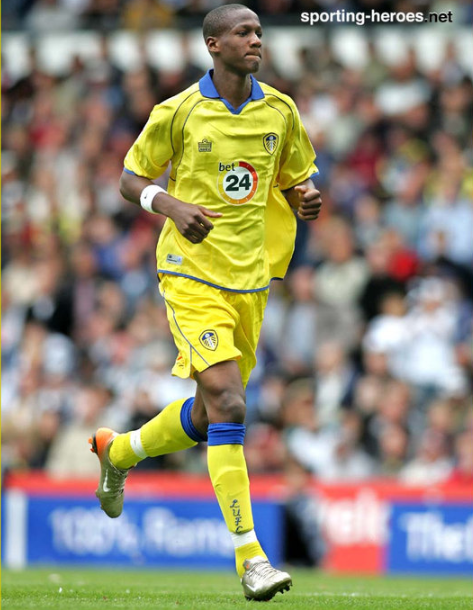
Three years earlier, Leeds had been playing in the Premier League. Five years earlier, they had finished 5th in the top division with a team containing Nigel Martyn, Paul Robinson, Gary Kelly, Jonathan Woodgate, Lucas Radebe, Danny Mills, Dominic Matteo, Rio Ferdinand, Ian Harte, Olivier Dacourt, Lee Bowyer, Eirik Bakke, Jason Wilcox, David Batty, Robbie Keane, Robbie Fowler, Harry Kewell, Mark Viduka and Alan Smith, all managed by David O’Leary. Six years earlier, Leeds had been in a Champions League semi-final, one leg away from the final. Now instead of looking forward to matches in the Premier League, UEFA Cup and Champions League, Leeds United now had the pleasure of looking forward to the Johnstone’s Paint Trophy and playing Northampton Town, Carlisle United, Cheltenham Town and Yeovil in League One with a 15-point deduction on the way. The 1992 champions of England were now further away from the top division than they had ever been in their history and it would take the club a long time to get back there.
 the-score-board.co.uk