
38 matches, 1 win, 8 draws, 29 defeats, 20 goals scored, 89 goals conceded, Goal Difference -69, Total Points 11
When talking about the history of the Premier League, the historians, pundits, and experts often like to talk about the best or the greatest. The best players past and present, the best teams past and present, the new stats and records that are set and broken every single matchday and appear in the bottom-right corner of the screen during every post-match analysis. In 2018, title-winners Manchester City became the first team in Premier League history to score 100 points, achieving the feat with a dramatic last-minute final-day winner. This statistic led to discussions of whether this Manchester City team, now christened ‘The Centurions’ was the greatest team in Premier League history. Other candidates up for discussion included the Treble-winning Manchester United team of the 1998-99 season or the Chelsea team from the 2004-05 season managed by newcomer Jose Mourinho that set new Premier League records for the most wins in a season (29), the most away wins (15), the most clean sheets kept (25) and the fewest goals conceded (15). However, the one team that this City team were compared to constantly throughout their 100-point season were ‘The Invincibles’, the Arsenal team that went unbeaten throughout the entirety of the 2003-04 season. The question posed: Would it be considered greater to win the Premier League title without losing a single match or win the Premier League title by scoring more points that any other team in history? This debate has raged on since the close of the 2017-18 season and will continue on for many years to come.
While there are many debates over who the greatest Premier League team is, there can be no question over who the worst is. A team that set at least 8 Premier League record lows and delivered a performance so bad that the end-of-season ‘Player of the Year’ award was given to the club’s fans for their long-suffering commitment to the team. 35 players were used. £14 million was spent on transfers over two windows. 38 matches played. 1 win. 8 draws. 29 defeats. You only have to mention the team name and the season for people to know what you are talking about. The following article will take a month-by-month retrospective look back at the 2007-08 Premier League season in the life of Derby County Football Club, the worst team in Premier League history.
Before 2007-08
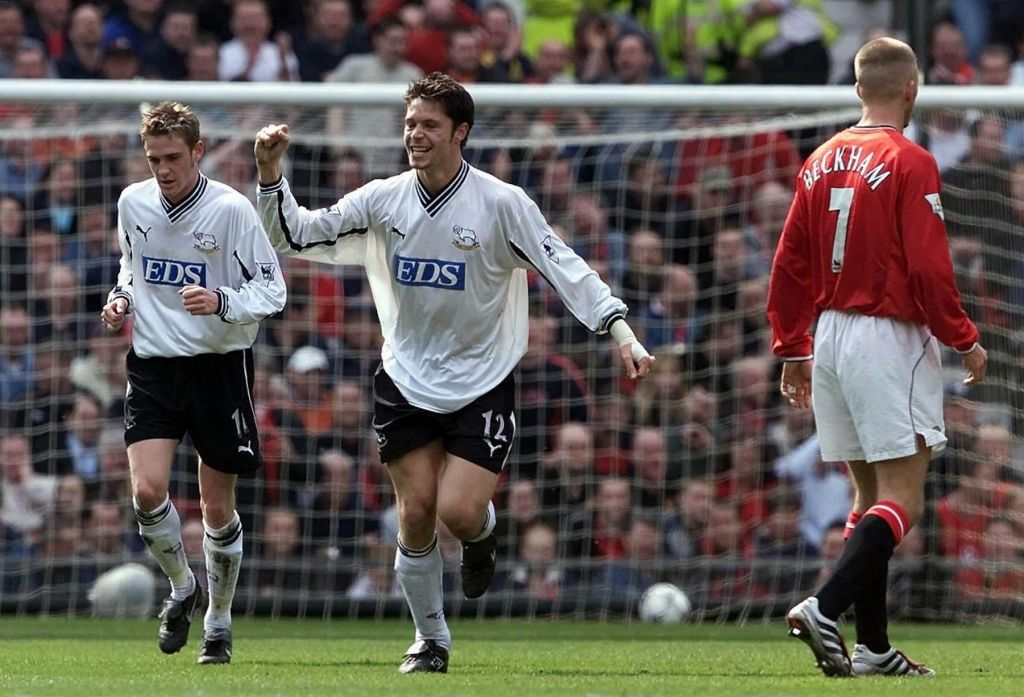
Prior to the 2007-08 season, Derby had previously spent six consecutive seasons in the Premier League between 1996 and 2002. Derby, two-time champions of England, had spent the first 4 Premier League seasons in the top half of the rechristened Football League First Division reaching the play-off final in 1994 before losing to Leicester City. However, the arrival and appointment of Jim Smith as Derby manager in the summer of 1995 led to an upturn in fortunes for The Rams. Sitting in 18th place after a 5-1 defeat to Sheffield Wednesday on 4th November 1995, the team would not lose for another 21 league matches until a 3-0 defeat to Sunderland on 9th March 1996. The 20-match unbeaten streak moved Derby County from 18th place on 4th November to top the First Division table on 23rd December. The team would finish the season in 2nd place, achieving automatic promotion to the Premier League.
In their first top-flight season since 1991, Derby finished safely in 12th place, never in danger of suffering immediate relegation back to the second tier. The next two seasons would see Derby deliver back-to-back top-10 finishes. In 1997-98, the goals of Paulo Wanchope and Dean Sturridge and an excellent defence saw Derby spend much of the season challenging for a UEFA Cup place, frequently sitting in the Premier League’s top 7, before finishing the season in 9th place. One season later, Derby would once again challenge for European football, even peaking in 2nd place after 6 matches. The team would improve from the previous season, finishing in 8th place. However, the two seasons following 1998-99 saw Derby County battle Premier League relegation, surviving in 16th in 1999-00 and in 17th place in 2000-01 despite spending 10 weeks in the relegation zone. The Rams’ Premier League run would come to an end during the 2001-02 season. Jim Smith would be sacked after 7 matches played and replaced by both Colin Todd and John Gregory, but neither man was able to rescue Derby from relegation, a fact that was confirmed on 20th April 2002 after a 2-0 home defeat to Liverpool.
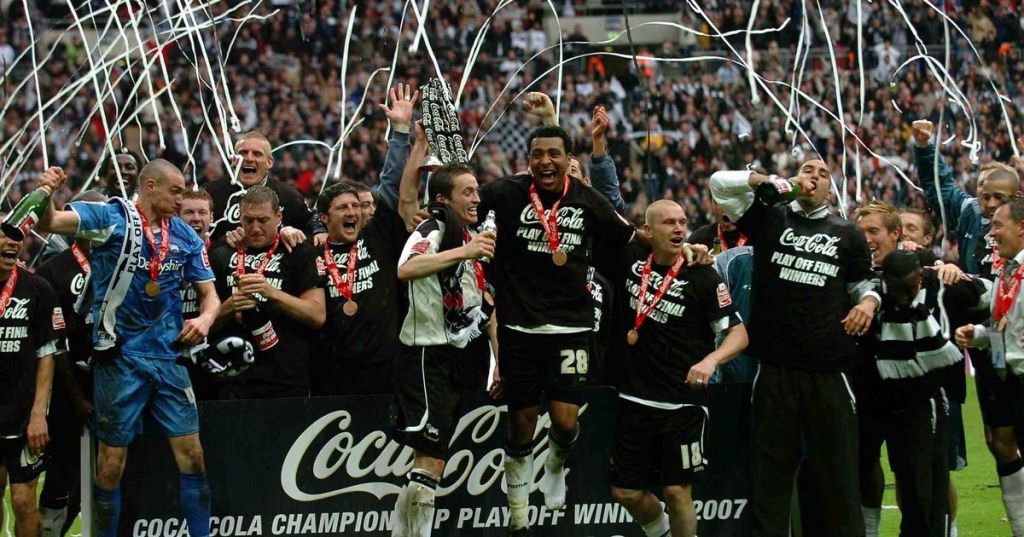
Derby would spend the next five seasons in the lower reaches of the First Division and the Championship (after 2004). In 2005, the club would finish 4th in the First Division table, reaching the play-offs before losing to Preston North End over two legs in the semi-finals. After another season battling relegation in 2005-06, the appointment of Billy Davies as manager in the summer of 2006 would lead to another complete reversal in fortunes, as Derby once again found themselves challenging at the top end of the Championship table. After 25 wins in 46 matches, Derby would finish the season in 3rd place, two points shy of automatic promotion. Derby would qualify for the end-of-season play-offs for the 2nd time in three seasons. A tightly-contested play-off semi-final with Southampton would be decided by a penalty shoot-out after two legs had resulted in a 4-4 aggregate score. Derby would win the resulting penalty shootout 4-3. In the Championship play-off final at Wembley, Derby would face West Brom for Premier League promotion. One goal would ultimately settle the tie. After 61 minutes, Derby midfielder Stephen Pearson would break the deadlock, opening the scoring with his first Derby County goal. This would be enough to deliver Derby County back to the Premier League after a five-year absence.
Pre-Season
With the opening of the summer transfer window, Derby took the opportunity to release a number of players from their contracts. Lionel Ainsworth, Morten Bisgaard, Paul Boertien, Steven Cann, Tom Cumberworth and goalkeeper Lee Grant. The post-season also saw the retirement of midfielder Seth Johnson. Johnson, aged 28, had been carrying a knee injury picked up in the Championship play-off final. Johnson made 147 appearances over two spells with Derby between 1999 and 2007 either side of a four-season spell with Leeds United.
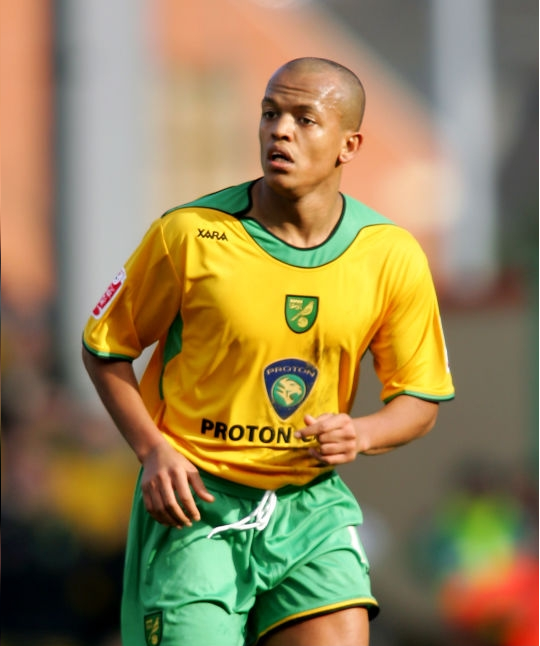
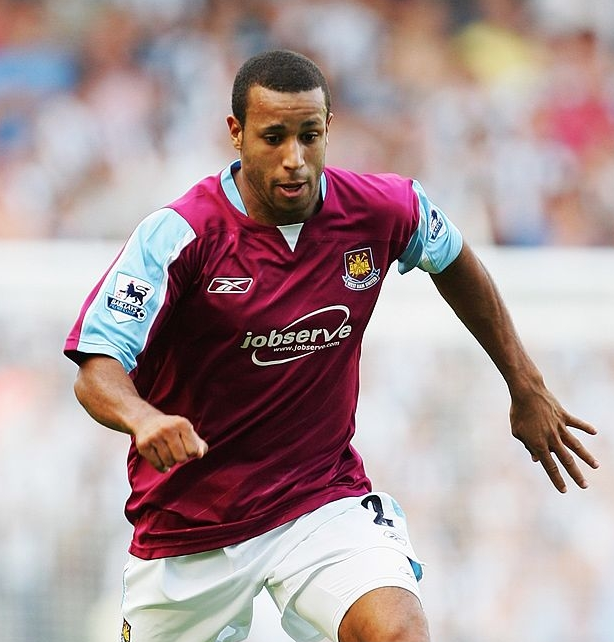
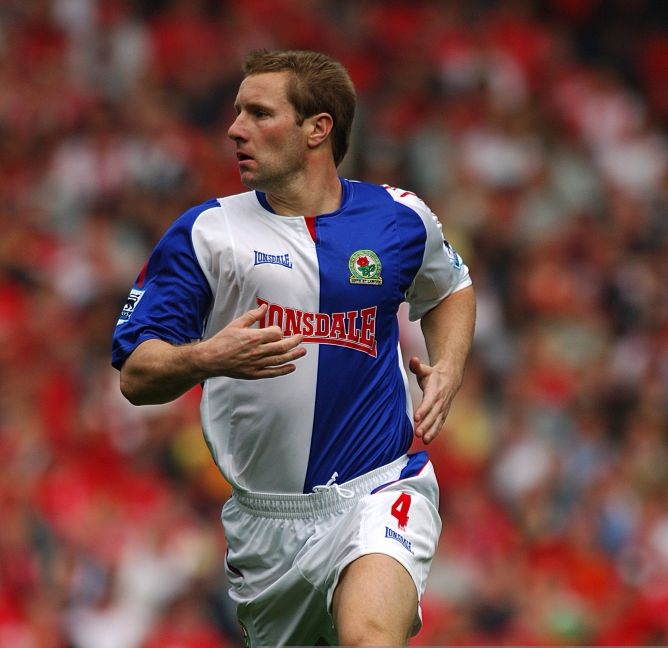
Leeds would begin their incoming transfer business by improving both in defence and attack. Leeds’s first summer signing would be a big one, as striker Robert Earnshaw would join from Norwich City for £3.5m on 29th June. Robert Earnshaw had previous Premier League experience, scoring 12 goals in 43 appearances for West Brom between 2004 and 2006. He also possessed the record of scoring a hat-trick in all four divisions of English football including the Premier League. The club’s second summer signing was Tyrone Mears, who signed from West Ham United on 4th July for £1.5m. Mears had only signed from West Ham the previous summer, but managed to make just 6 appearances for the club after signing from Preston North End. He had even spent the second half of the previous season on loan at Derby, making 13 appearances. The next day, 20-year-old midfielder Ryan Smith would be sold to League One Millwall for £150,000. On 7th July, experienced midfielder Andy Todd would join from Blackburn Rovers for £750,000. 32-year-old Todd had turned out in the Premier League on 153 occasions for Bolton, Charlton and Blackburn after making his top-flight debut in 1995. 3 days later, young goalkeeper Ben Hinchcliffe would join on a free transfer after being released by Preston.
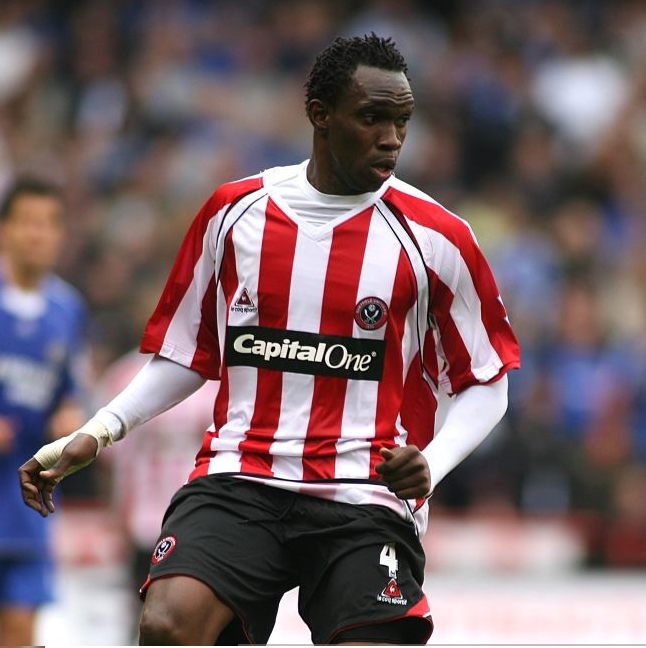
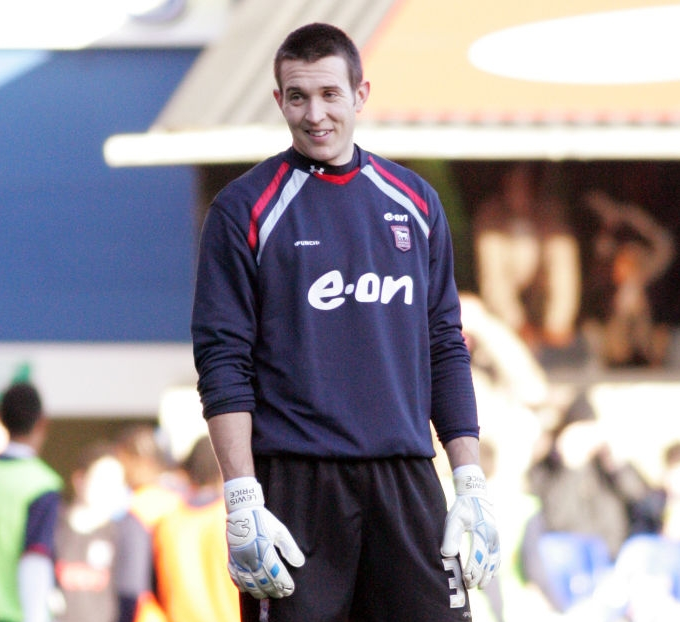
Towards the end of July, two more players would arrive and two would leave Pride Park. On 25th and 26th July, defender Claude Davis would arrive from Sheffield United for £3m and goalkeeper Lewis Price would join from Ipswich Town. County goalkeeper Lee Camp would be sold to Queens Park Rangers the very next day. Jamaica international Davis had made 21 appearances in Sheffield United’s defence the previous season as the team suffered immediate relegation back to the Championship. Lewis Price had spent his entire career at Ipswich Town, progressing through the club’s academy and made 75 first-team appearances. He had become the club’s first-choice goalkeeper during the 2005-06 season and maintained this position during the following season. However, the Tractor Boys’ recent signing of Cardiff goalkeeper Neil Alexander had given Price the impetus to move on. The club’s 10th departure of the window came with 19-year-old left-back James Meredith moving to Sligo Rovers.
August
With the new season just 10 days away, Derby made two more signings in the transfer window. On 1st August, defender Andy Griffin would sign from Portsmouth on a free transfer. The 28-year-old right-back was already a veteran of 119 Premier League matches for Newcastle and Portsmouth, but had spent the entirety of the previous season on loan at Stoke City in the Championship after Portsmouth signed Glen Johnson. To make way for Griffin, Derby right-back Richard Jackson was sold to League One Luton Town on a free transfer. Jackson had made 127 appearances for County since signing from Scarborough in 1998. A regular in defence following the club’s previous Premier League relegation, he had fallen out-of-favour the previous season. Finally, the day before Derby’s opening Premier League match, USA international Benny Feilhaber was signed from Bundesliga side Hamburg. Feilhaber had impressed in college football for the UCLA Bruins and for the USA at the 2005 FIFA World Youth Championship. He had made his Bundesliga debut for Hamburg the previous season, making 12 appearances in all competitions before travelling to Pride Park.
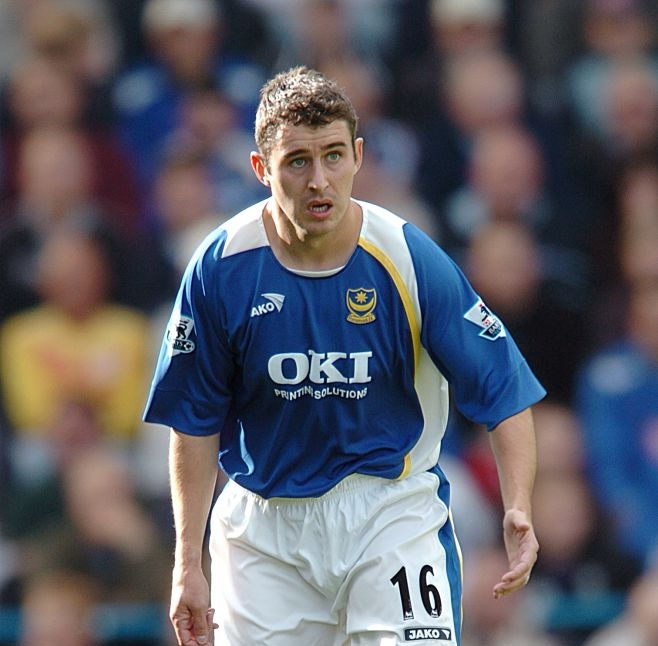
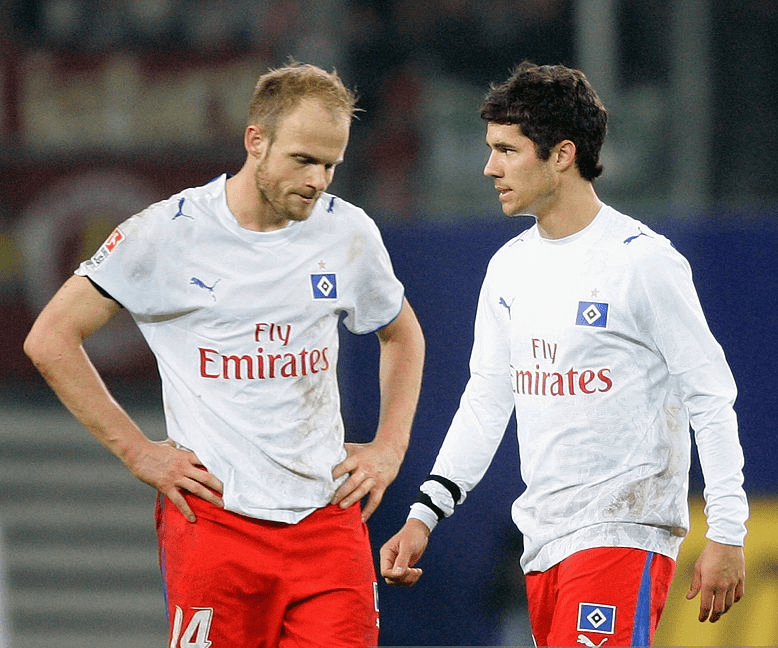
On 11th August 2007, Derby would begin their Premier League season with an impressive 2-2 draw with Portsmouth. Captain Matt Oakley would volley the promoted side ahead after 5 minutes. Portsmouth would draw level after 27 minutes through striker Benjani. The match would remained tied until the 83rd minute when new Portsmouth signing John Utaka poked Pompey back in front. However a minute later, new Derby signing Andy Todd would equalise, ending the game all square. Derby would end the weekend in 7th place, the highest they would reach all season. Four days later, Derby would suffer their first defeat away to Manchester City after a goal from City youngster Michael Johnson. The following Saturday, Derby would suffer their first heavy loss, losing 4-0 to Tottenham after a Steed Malbranque double and further goals from Jermaine Jenas and new signing Darren Bent. The defeat would drop the team into the relegation zone after 1 point from their first three Premier League matches.
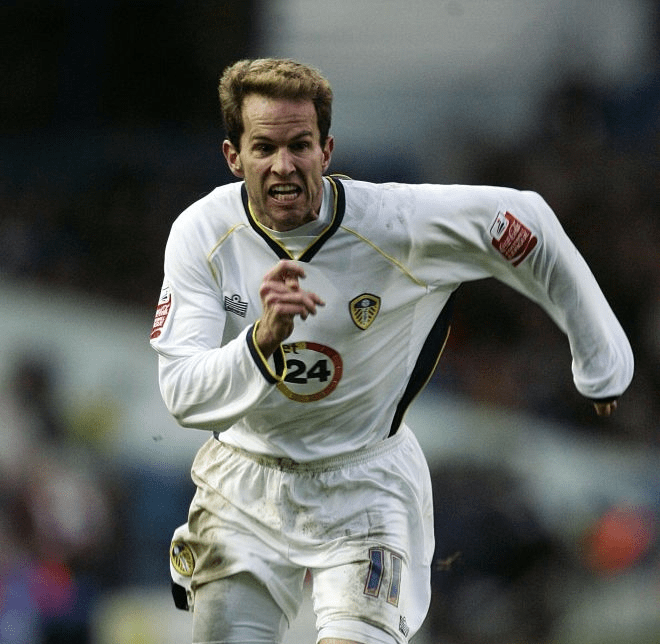
Two days after the Spurs defeat, Derby would make their 9th summer signing, bringing in left winger Eddie Lewis from Leeds United. Lewis , 32, was an American international, having performed for the USA in the 2002 and 2006 World Cup campaigns. He had spent the previous two seasons performing regularly at Leeds United, helping the team reach the 2006 Championship play-off final. The Rams would end the month with three defeats from their first four Premier League matches after suffering a 2-1 defeat at the hands of fellow promoted side Birmingham City. Birmingham would take the lead after just 32 seconds when striker Cameron Jerome finished from a narrow angle. Derby captain Matt Oakley would score his second and Derby’s third goal of the season to level after 51 minutes, but another piece of finishing from Jerome 12 minutes later would give the Blues the away victory.
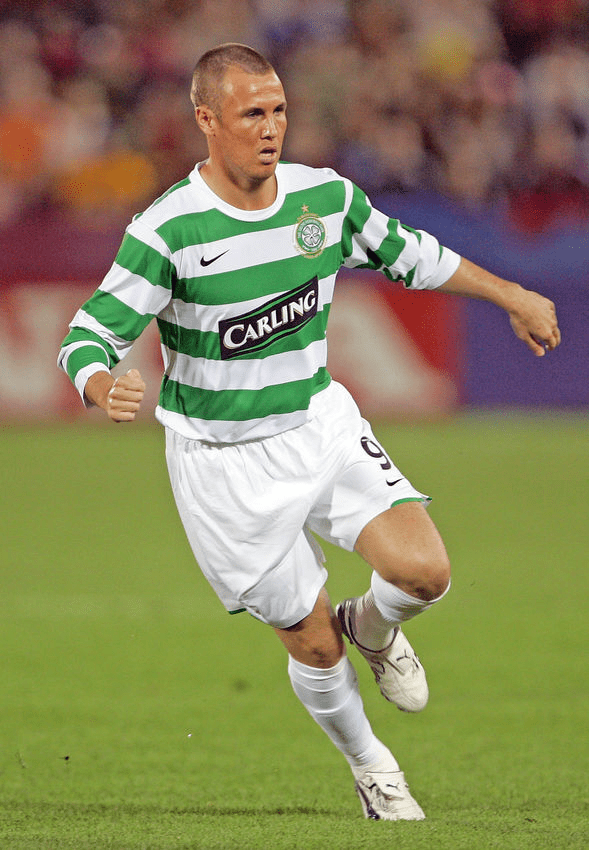
On transfer deadline day, Derby County would make their biggest signing of the window, securing a deal for Celtic striker Kenny Miller for £2.25m. Miller, who had earned over 30 caps for Scotland, had helped Celtic win their second consecutive Scottish Premier League title the previous season and had spent the majority of his career north of the border at Hibernian and Rangers. He did have one season of Premier League experience. He had played for Wolves in their unsuccessful one-season stay in the Premier League during the 2003-04 season, scoring twice in 25 appearances.
September
Derby’s difficult start to the Premier League season would continue with a 6-0 defeat at the hands of Rafa Benitez’s Liverpool on 1st September. Goals from Ryan Babel, Andriy Voronin and braces from Xabi Alonso and Fernando Torres would make for an unhappy trip home from Anfield for many County fans. The Liverpool defeat left Derby rock bottom of the Premier League table. After five matches, Derby had gained 1 point from 5 matches and were yet to win on their Premier League return. They would not have to wait for much longer.
After the season’s first international break, Derby would welcome Newcastle United United to Pride Park on Monday 17th September. 33,016 people were in attendance. Derby had early chances, but both Tyrone Mears and Kenny Miller would fail to beat Steve Harper in the Newcastle goal. However, Newcastle would have the best opportunities to take the lead. After 18 minutes played, Newcastle midfielder James Milner counter-attacked from a Derby corner. Reaching the edge of the Derby box, he would pass to Michael Owen, who tried to go around Derby goalkeeper Stephen Bywater. Failing to do so, Owen would cross the ball to David Rozehnal, whose shot from close range would go wide. Newcastle would also have a penalty appeal turned down, after Rozehnal was seemingly fouled in the Derby box by defender Dean Leacock. After missing earlier chances, Derby striker Kenny Miller would not need many more to get it right. After 38 minutes played, Stephen Bywater kicked a long ball downfield. Newcastle would fail to clear their lines and the ball fell to debutant Miller, who would fire a dipping shot into the Newcastle net, giving Derby the lead. Derby would lead at half-time but Newcastle would have another penalty claim after Dean Leacock once again appeared to foul David Rozehnal, but referee Peter Walton would wave away these claims. Derby would have later chances to extend their single-goal lead but the previous season’s top scorer Steve Howard would fail to convert. When the final whistle blew, Derby ended the night with their first win of the season, while Sam Allardyce’s Newcastle United suffered their first defeat. The win moved Derby off the foot of the table, as the team also gained their first points since the opening-day draw with Portsmouth.
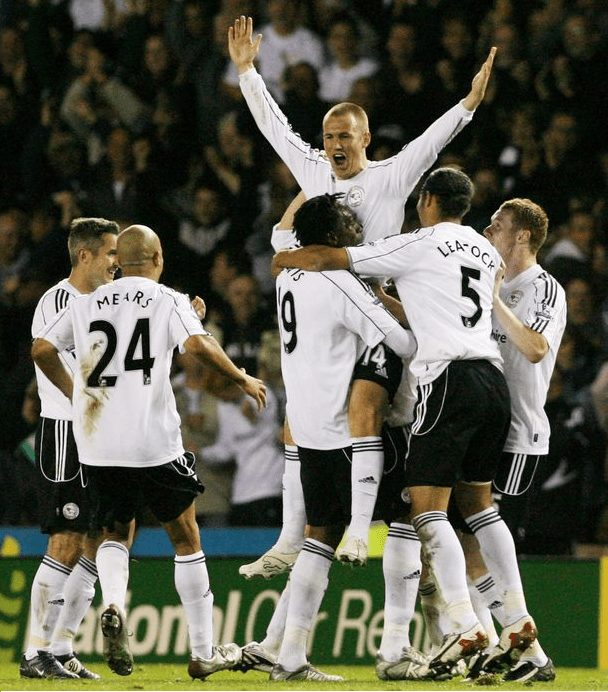
Derby would follow up this victory on Monday night by falling to a heavy defeat on Saturday afternoon. An Emmanuel Adebayor hat-trick and further goals from Abou Diaby and Cesc Fabregas finished a 5-0 rout for Arsenal at the Emirates Stadium. Derby would end September facing bottom side Bolton, who had earned 4 points from their opening 6 matches. Goals from Kenny Miller and Nicolas Anelka meant that the Premier League’s bottom two sides would play out a 1-1 draw, failing to improve either team’s position in the standings.
October
Derby would begin October with their 6th defeat in 9 Premier League matches. Travelling to the Madejski Stadium, a goal from Kevin Doyle would give Reading a 1-0 victory, dropping Derby back to the bottom of the Premier League. After another international break, Derby would play out a goalless draw with fellow strugglers Fulham on the 20th before goals from Yakubu and Mikel Arteta gave Everton a 2-0 win over the Rams on the 28th. Derby had now gained just 6 points from 11 matches. Pressure was starting to build on Billy Davies, the man who had masterminded County’s promotion campaign the previous season.
November
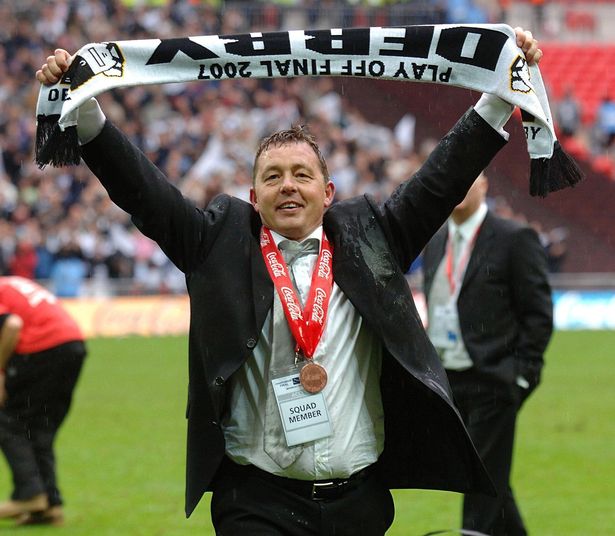
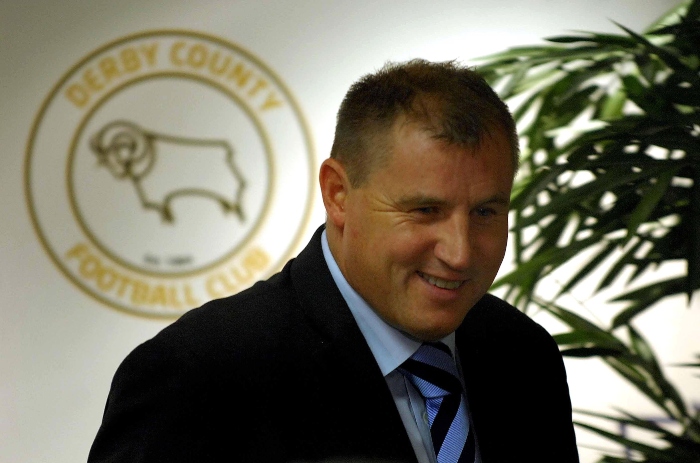
November would be a month to forget for Derby County fans. The results sheet read: 3 matches, 0 wins, 0 draws, 3 defeats. 0 goals scored, 9 goals conceded. The month would begin with a trip to Villa Park on 3rd November to face in-form Aston Villa, who had won four out of their last five home matches. This would become five in six as goals from Martin Laursen and Ashley Young would give the hosts a 2-0 victory. One week later, West Ham would put five past Stephen Bywater. After a low-quality first half in which West Ham took the lead through Lee Bowyer, the Hammers would run rampant after the break as Matthew Etherington, an Eddie Lewis own goal, a second from Bowyer and a fourth from Nolberto Solano would give the visitors an emphatic victory. After another international break, Derby’s fortunes would slightly improve, losing only 2-0 to Avram Grant’s Chelsea. Derby would end the month, with 1 win and 6 points after 14 Premier League matches played. The club would also end the month without Billy Davies. On 26th November, two days after the Chelsea defeat, Davies would be sacked by the Derby County board, joining a list of managers who helped a team to Premier League promotion only to be sacked the following season when the same team is struggling in the Premier League. Davies had overseen a record of 1 win from 14 matches, a run in which Derby had scored just 5 goals and conceded 36. Davies would leave Derby County after 18 months in charge. Two days later, Paul Jewell would be named as his replacement. Jewell had previous experience keeping teams in the Premier League. In 1999, he achieved promotion to the Premier League with Bradford City, ending a 77-year drought. The following season, Bradford would achieve Premier League survival. In 2005, Jewell helped Wigan Athletic achieve promotion to the Premier League, later leading the team to survival in consecutive seasons in 2005-06 and 2006-07 before resigning due to health reasons.
December
December is always seen as a pivotal month in the Premier League season, due to the large amount of matches played during the month. It is a month when a good or bad run of form can change define a team’s form for the rest of the season. Entering December, Derby knew that they urgently needed to get on a good run of form immediately. Getting a positive set of results from the six matches in December would help Derby’s relegation cause. These six matches would be against Sunderland, Manchester United, Middlesbrough, Newcastle, Liverpool and Blackburn. On paper, Derby would need at least four wins to at least give themselves a base to build a survival campaign from over the rest of the season. These fixtures would also give new manager Paul Jewell a full impression of his Derby side, to find out what worked and which players would be required to help the side come the January transfer window. The first match of the month against Sunderland on 1st December would be Paul Jewell’s first match in charge.
Paul Jewell’s Derby reign would begin with a defeat. A stoppage-time winner from Anthony Stokes would give Sunderland a 1-0 win, a win that they had fully deserved. One week later, Ryan Giggs, a Carlos Tevez brace and a penalty from Cristiano Ronaldo saw Manchester run out 4-1 winners at Old Trafford. The one consolation for Derby from this match would come from striker Steve Howard. Howard would score a consolation goal for Derby after 76 minutes. This goal would end a seven-match goal drought for the Rams, dating back to Kenny Miller’s goal against Bolton on 29th September. However, the team’s winless drought had now stretched to 10 matches and their losing streak had extended to 6 matches. Both streaks would extend again a week later as Tuncay Sanli’s goal would allow Middlesbrough to leave Pride Park with three points out of three.
Three days before Christmas, Derby’s fortunes would slightly improve, once again coming with a match against Newcastle United. Three months after their sole Premier League victory, Derby travelled to St James’s Park looking to do the double over Sam Allardyce’s side. They almost did. Derby would open the scoring through Giles Barnes after 6 minutes, completely against the run of play. Newcastle, who had the better of the chances before Derby’s goal, would resume their dominance. The equaliser would come after 27 minutes through Mark Viduka’s thumping low shot into the bottom corner. All square at half-time, Derby would take the lead again after 52 minutes. A long ball downfield was flicked on by Derby captain Gary Teale, falling at the feet of Kenny Miller, who would finish clinically to score just his 3rd goal of the season. As the game ran down, it seemed like Miller would be Derby’s hero and the scourge of Newcastle once again. However, Mark Viduka would be Newcastle’s saviour, converting a long clearance downfield with three minutes remaining. Despite failing to secure their second Premier League win of the season, Derby did earn their first point in 8 matches, bringing their overall total to 7 after 17 matches.
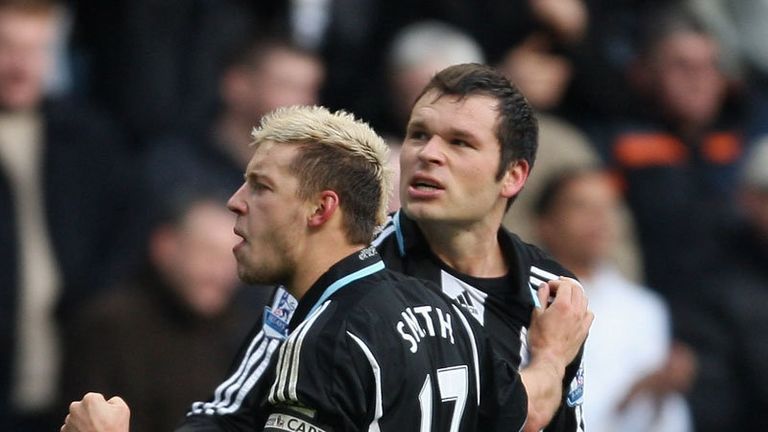
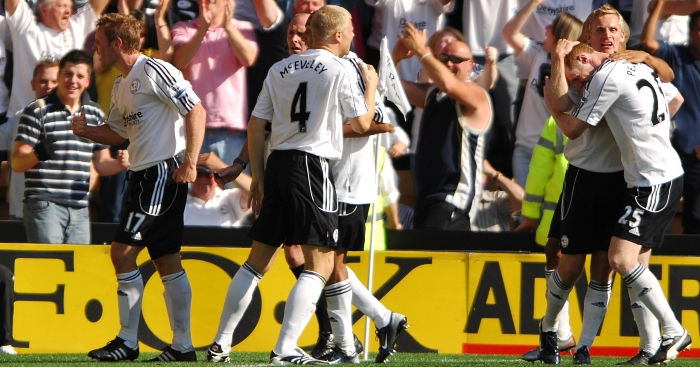
On Boxing Day, Derby did manage to give Liverpool a scare at Pride Park. Liverpool took a 12th-minute lead through top scorer Fernando Torres and Liverpool would have been kicking themselves at half-time for not extending their lead. Derby’s best chances in the first half fell to Giles Barnes but a miscued shot and a last-ditch save denied the young Englishman. Derby started the second half more positively with captain Gary Teale running the attack. His pass to Kenny Miller freed the Scottish striker but a poor first touch left the chance go begging. Derby would get their just reward after 67 minutes. An Eddie Lewis free-kick rebounded off the Liverpool wall but left-back Jay McEveley was alert to shoot past Pepe Reina to draw Derby level. Derby goalkeeper Lewis Price made two brilliant saves from Xabi Alonso and Fabio Aurelio to keep the score tied before Steven Gerrard’s shot hit the crossbar. With the game entering stoppage time, the Liverpool captain would not miss again. A Fernando Torres shot was saved at close range by Lewis Price only for the ball to fall to Gerrard who would convert to spare Liverpool’s blushes. For a fixture that Liverpool had triumphed 6-0 in 3 months earlier, a 2-1 loss was somewhat a positive result considering Derby’s circumstances.
In comparison to the late drama of the Liverpool game, Derby’s return match with Blackburn was decided within the first 45 minutes. Derby would take the lead after 27 minutes played, with captain Matt Oakley scoring his 3rd goal of the season, making him the team’s top scorer alongside striker Kenny Miller. Seven minutes later, Derby had a chance to double their lead when Rovers captain Ryan Nelsen brought down Miller, but Steve Howard’s penalty was saved by Brad Friedel. In the 39th minutes, Blackburn would equalise through in-form striker Roque Santa Cruz. Three minutes later, they would take the lead as midfielder David Bentley fired into the bottom corner. Derby would start the second half brightly but Blackburn always looked the more dangerous of the two sides. Derby ended 2007 with their 7th home loss of the season, their 15th in 20 Premier League matches and their 14th straight match with a win.
Halfway through the season, the facts for Derby County’s season read: 20 matches played, 1 win, 4 draws, 15 defeats,2 clean sheets, 10 goals scored, 48 goals conceded, 7 points gained, 8 points adrift at the foot of the Premier League. On the eve of the January transfer window opening, the team had to improve, both in form and in personnel. To show how recent results were being received by the club, all you have to do is read the post-match interview that manager Paul Jewell gave after Derby’s 2-1 defeat to Blackburn, now 6 matches without a win since taking charge of Derby (Credit: BBC Sport, 30 December 2007):
“We’re not good enough – it’s as simple as that. Some of the things that go on on the pitch among this group of players just beggars belief at times. “The sooner we can try and get some people in here to try and eradicate that, or certainly improve on what we’ve got, the better team we’ll be. “We’re bottom of the league, don’t score goals, concede unbelievably bad goals, and you get punished in this league.”
Never a truer word said.
January
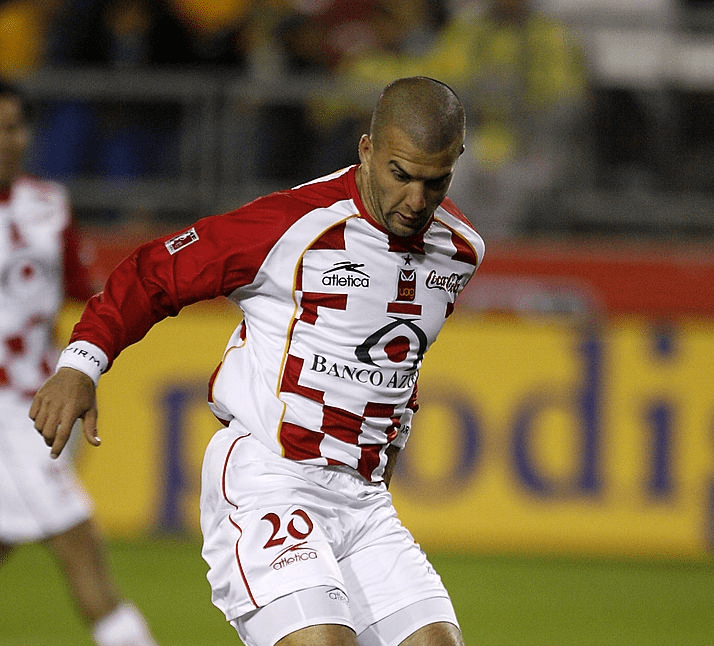
Derby would begin 2008 with another close result. On 2nd January, Derby would have plenty of chances to beat fellow strugglers Bolton, but would once again fall to a late goal, a stoppage-time winner from Stelios Giannakopoulos. Two days later, Derby would begin their January transfer business with two signings on the same day. First, experienced right-back and former England international Danny Mills would sign on loan from Manchester City for the rest of the season. At the age of 30, Mills had already racked up 216 Premier League appearances across spells at Charlton, Leeds, Middlesbrough and Manchester City in addition to 19 England caps including 5 starts at the 2002 World Cup. However, Mills had fallen out of favour at Manchester City following injuries and the emergence of Micah Richards in his position. He had spent the 2006-07 season on loan at Hull City and first half of the current season back at Charlton Athletic, who now resided in the Championship. The second signing of the day was 25-year-old Argentine striker Emanuel Villa from Mexican club Estudiantes Tecos for £2 million. Villa had spent the entirety of his career thus far plying his trade in Argentina and Mexico, but had scored 66 goals in 175 career league appearances. Villa’s signing came one day after Steve Howard, Derby’s top scorer during the Championship promotion campaign was sold to Leicester City for £1.25 million. After signing from Luton Town before the 2006-07 season, Howard had gone on to score 20 goals in 72 appearances for Derby, including 16 during the Championship promotion campaign. On 6th January, Derby faced Championship Sheffield Wednesday in the 3rd Round of the FA Cup. The two teams would play out a 2-2 draw at Pride Park, with the tie heading to a replay at Hillsborough on 22nd January.
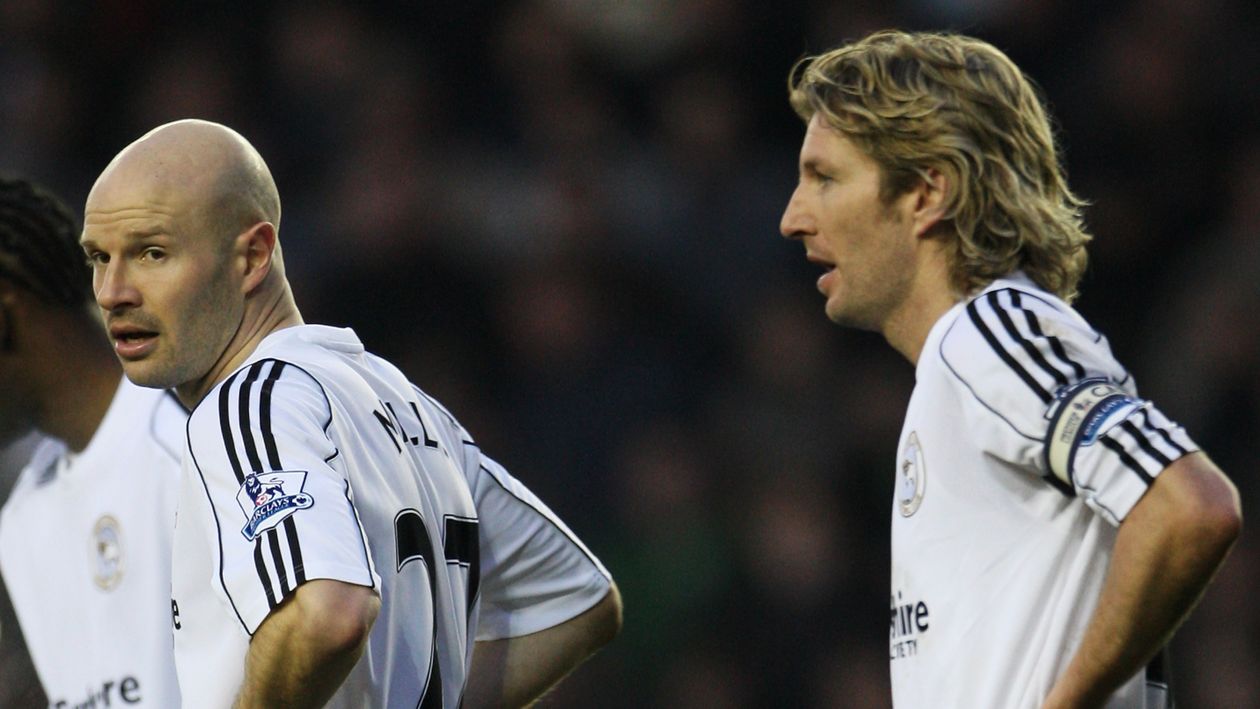
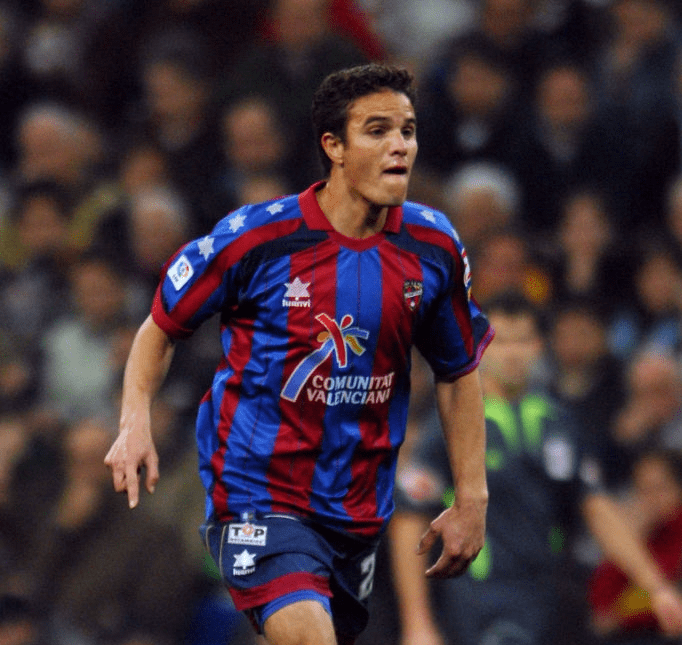
On 9th January, two more players would arrive at Derby. First, former Newcastle free-kick specialist Laurent Robert would join as a free agent, having been without a club since leaving Levante the previous summer. The second would be Robbie Savage, who would join from Blackburn Rovers for £1.5 million. The 33-year-old had a vast amount of Premier League experience, making a total of 330 appearances for Leicester City, Birmingham City and Blackburn Rovers. As a bonus for signing, Savage was immediately made Derby’s new captain, replacing Matt Oakley. Two days later, Matt Oakley would join Steve Howard at Leicester City for £500,000. Oakley had signed for Derby ahead of the 2006-07 season, leaving boyhood club Southampton after 13 years. He was immediately made the team’s captain, making 37 appearances to lead the team back to the Premier League. He was also the team’s top scorer this season with three goals, having missed just two Derby matches all season. The same day, defender Andy Griffin, who had only signed for Derby the previous transfer window, would be sold to Stoke City for £300,000. He had made 15 appearances for Derby during his 5 months at the club.
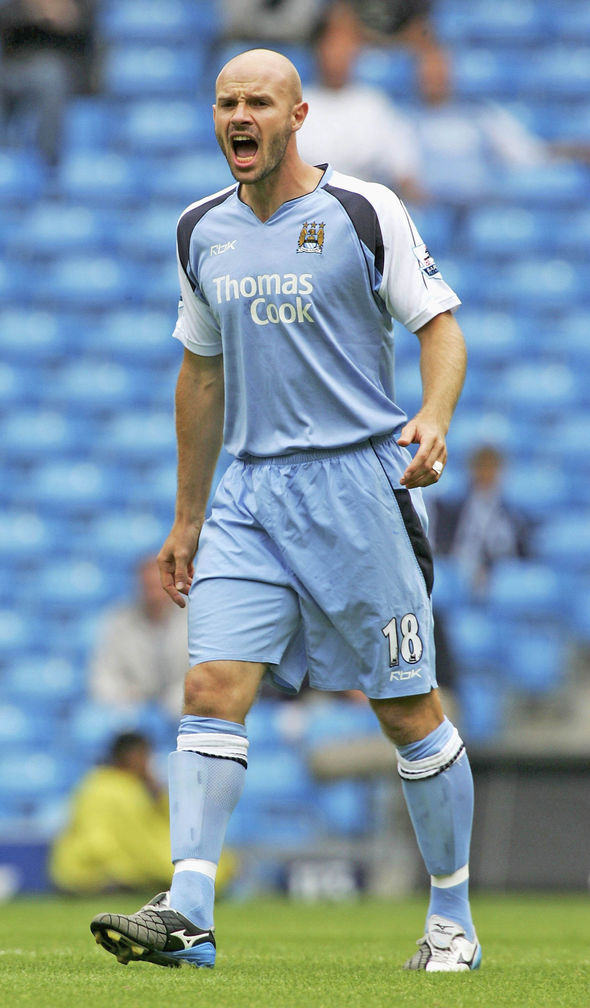
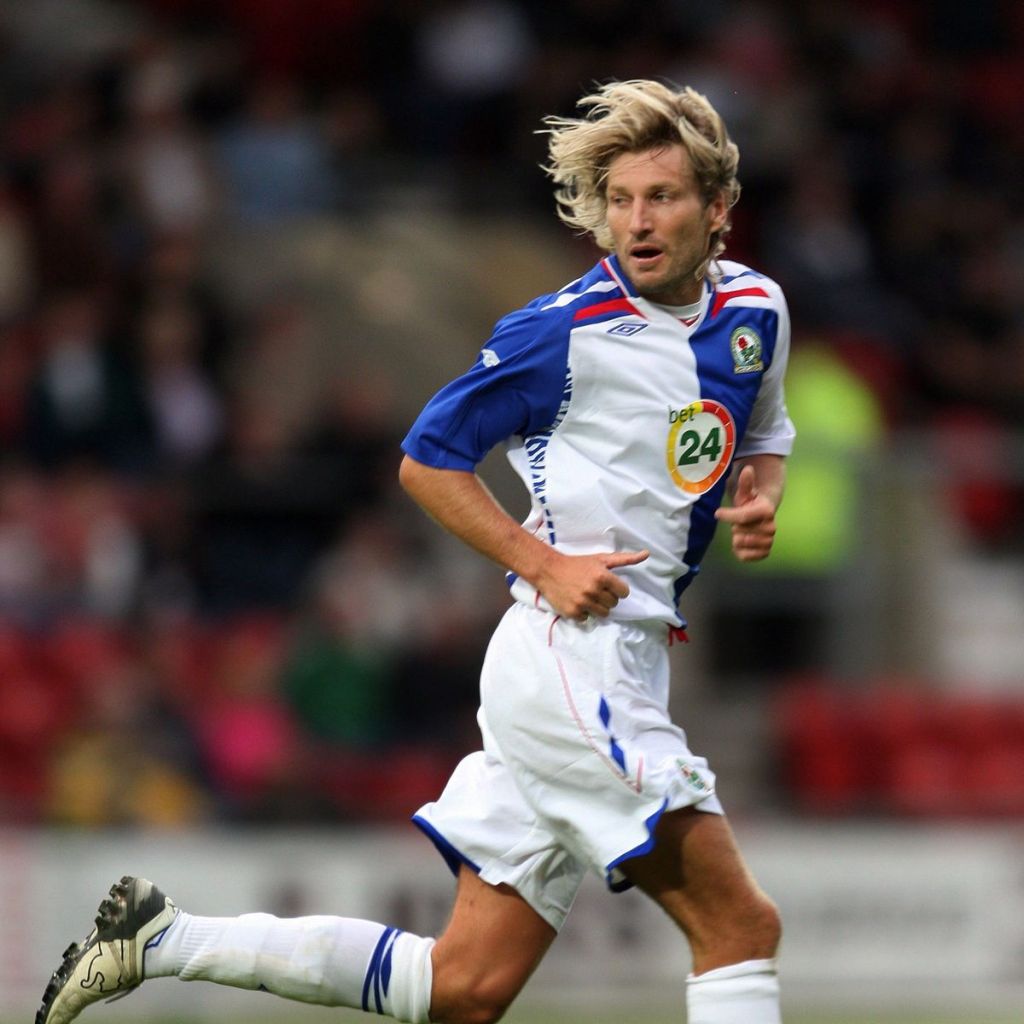
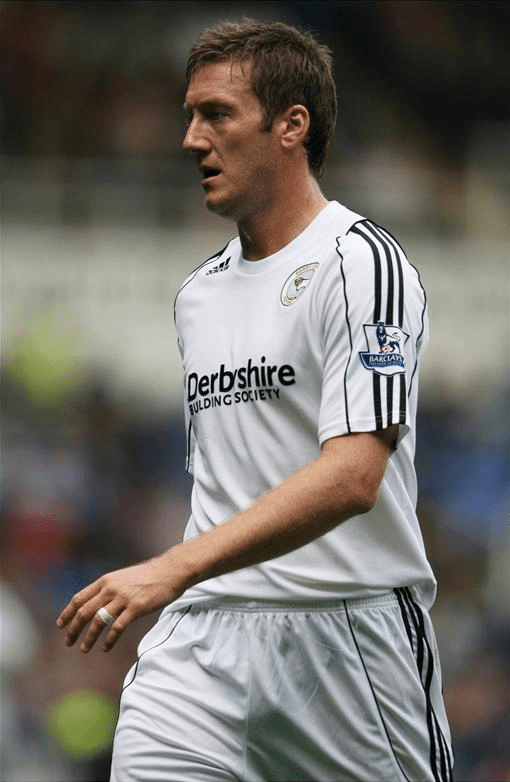
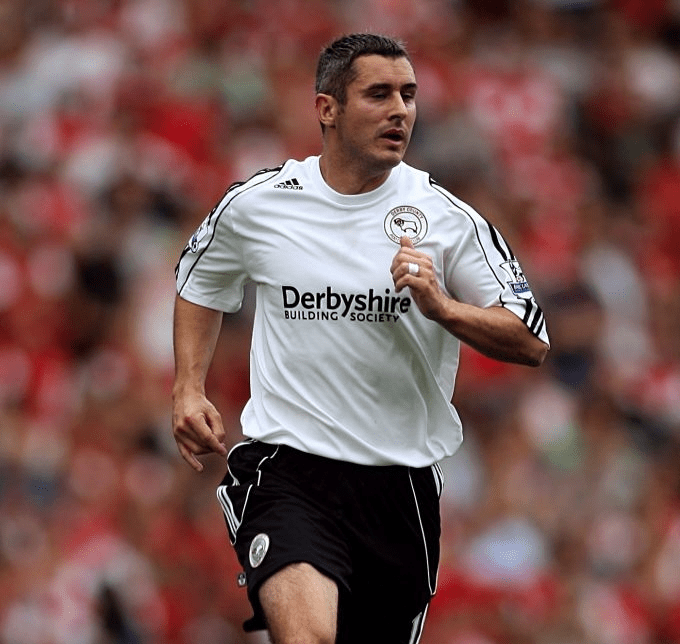
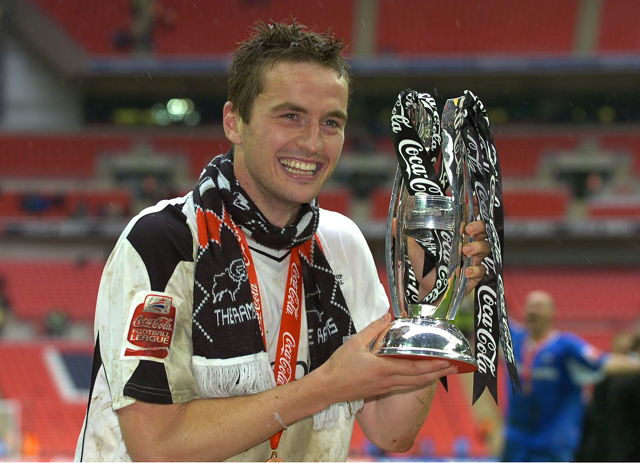
On the same day that Matt Oakley left Pride Park, Paul Jewell would add another new face to the midfield, signing Egyptian midfielder Hossam Ghaly on loan from Tottenham. Ghaly had been out of favour at Spurs since a public display of dissent on the last day of the previous season. Coming on as a first-half substitute for Steed Malbranque, Ghaly was later substituted himself in the second half by manager Martin Jol. Ghaly reacted by tearing off his shirt and throwing it to the ground, causing derision from the Spurs faithful and leaving his future in doubt. The following day, Derby would return to Premier League action with a 1-0 to Wigan Athletic. This match would see the debuts of Savage, Robert, Ghaly and Emanuel Villa. Wigan would finally break the deadlock with Antoine Sibierski’s goal after 82 minutes played, but had plenty of chances take the lead earlier on. Derby offered very little going forward and had Claude Davis sent off in the second half. A week later, the rut would continue with a 3-1 defeat to Portsmouth. Derby would take a 4th-minute lead through defender Lewin Nyatanga. However, Portsmouth would end their six-match goal drought with a hat-trick from Benjani.
On the 22nd, Derby would receive their first win since September, in the FA Cup. At Hillsborough, Kenny Miller’s strike cancelled out Steve Watson’s early opener. The tie would remain a stalemate for the rest of the 90 minutes and extra time. In the resulting penalty shootout, Derby would triumph. Goalkeeper Lewis Price would keep out the attempts of Kevin Lunt and Glenn Whelan before Craig Fagan scored to send Derby through to the 4th round. Six days later, another member of Derby’s promotion squad would leave Pride Park as striker Jon Macken departed for Championship Barnsley for £200,000. Since signing from Crystal Palace a year earlier, Macken had made just 11 appearances for Derby, never scoring for the Rams. On 26th January, the Rams would be thrashed 4-1 by Championship side Preston North End as they exited the FA Cup at the 4th round stage. Derby were 3-0 down before half-time. On the 30th, Derby would gain their first Premier League points in 6 matches, drawing 1-1 with Manchester City. After 47 minutes, Derby would take the lead as Kenny Miller’s shot was deflected into his own net by City defender Sun Jihai. City youngster Daniel Sturridge would score his first Premier League goal on his debut to level the scores as City wasted several chances to win the match.
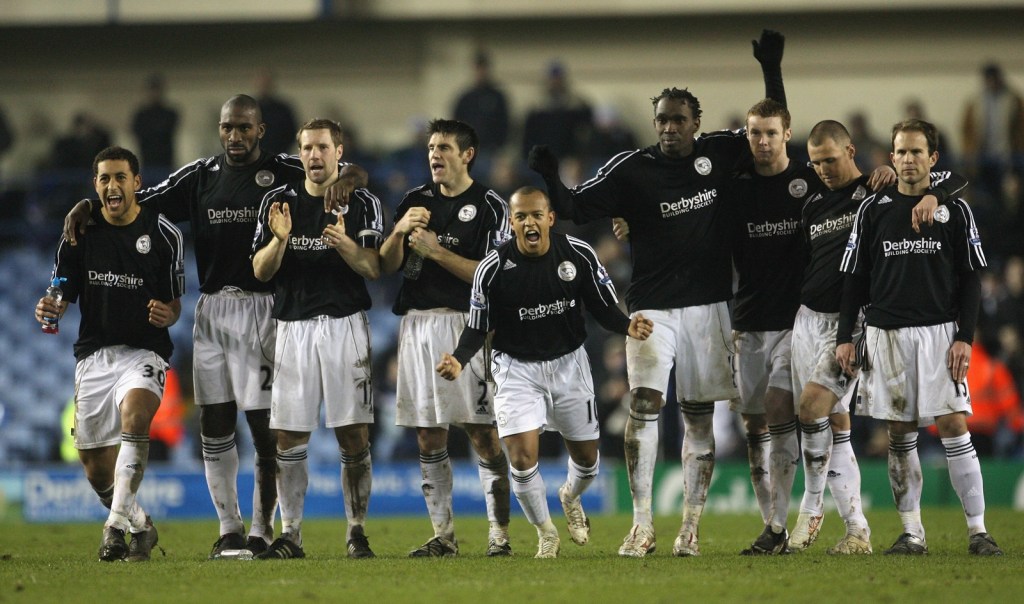
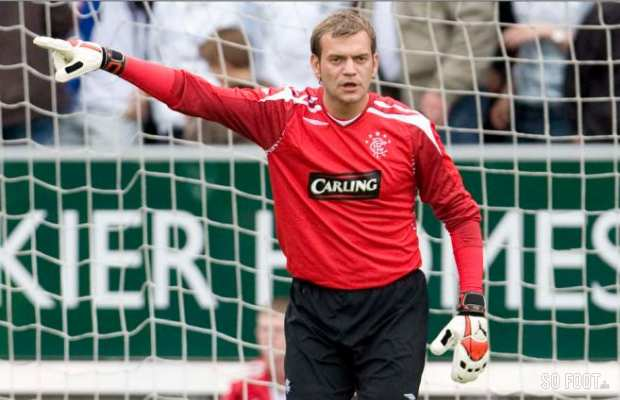
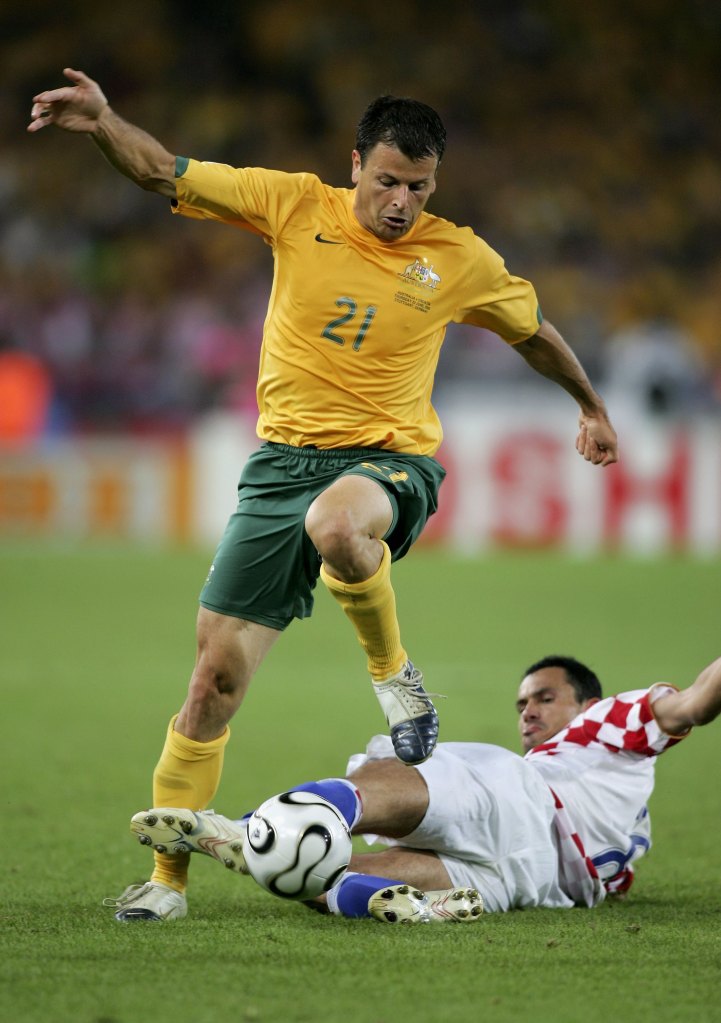
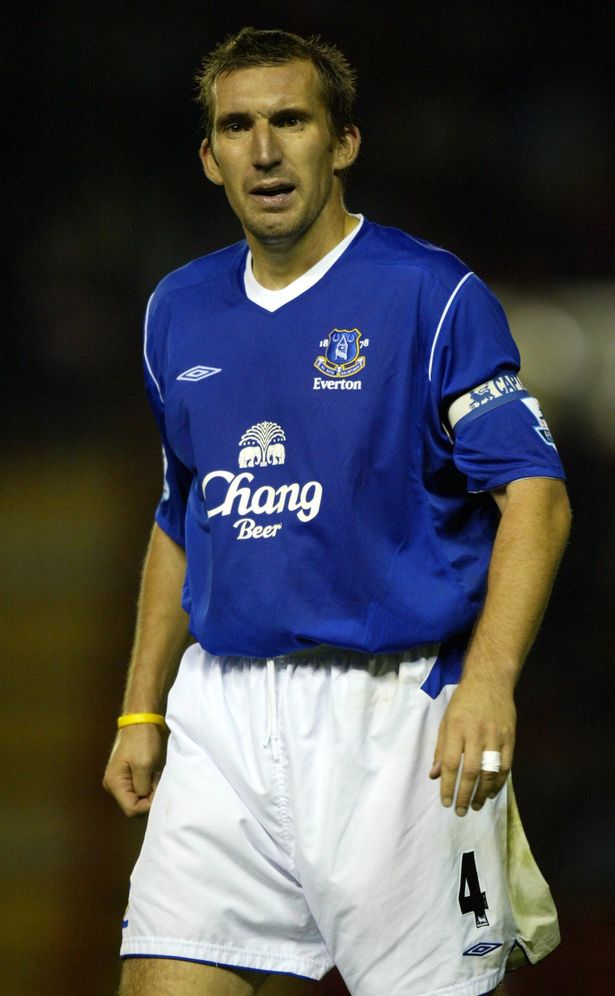
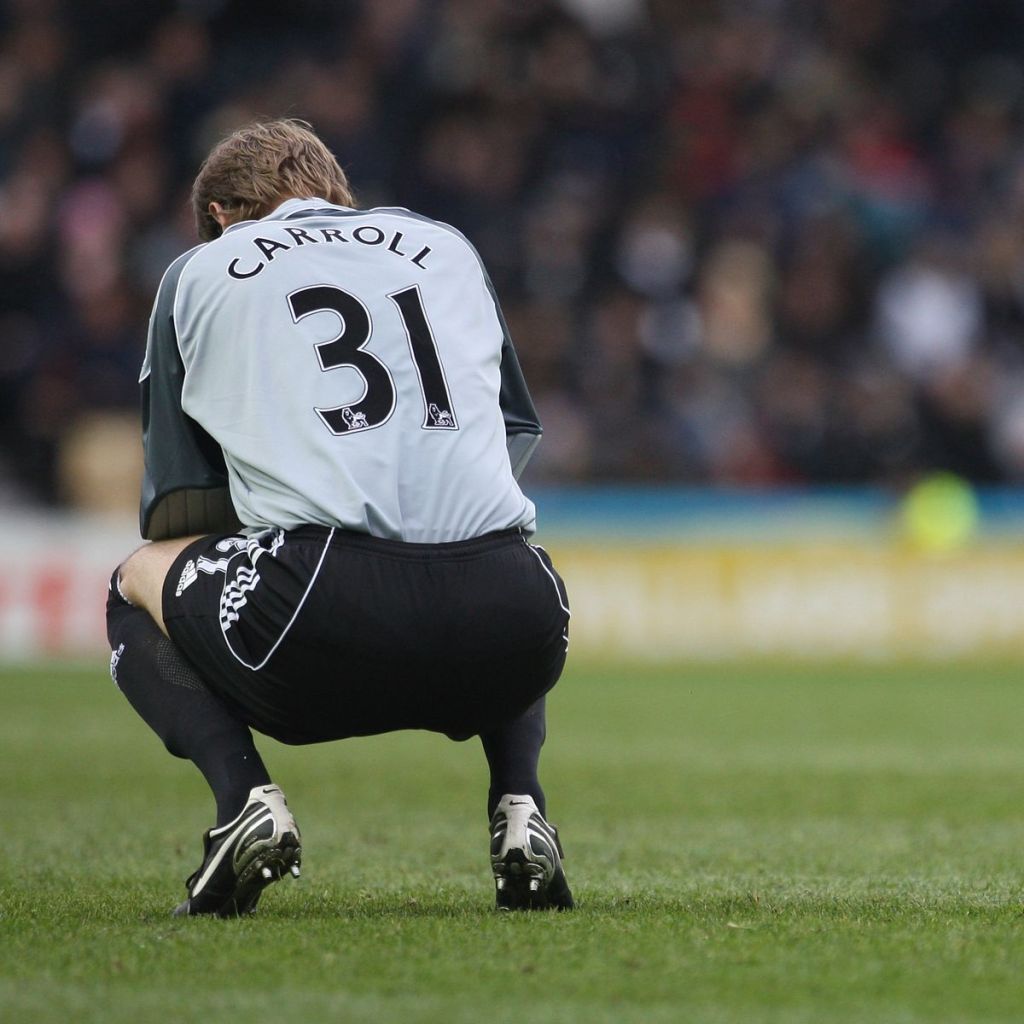
Derby would be busy on transfer deadline day as three players would arrive and two would depart. Derby would sign 30-year old goalkeeper Roy Carroll from Rangers on a free transfer. Carroll had not played a match for the Ibrox side since joining from West Ham the previous summer. He had previously served as a Premier League goalkeeper for both Manchester United and West Ham, mostly as a second-choice goalkeeper. Australian international midfielder Mile Sterjovski would join for an undisclosed amount from Turkish side Genclerbirligi. Finally, experienced centre-back Alan Stubbs would join from Everton. To make way for Stubbs, 19-year-old defender Lewin Nyatanga was loaned out to Championship club Barnsley until the end of the season and Bob Malcolm was released from his contract.
February
Derby would begin February with their best Premier League form of the season: two consecutive draws. Following their 1-1 draw with Manchester City on 30th January, Derby would draw with Birmingham City on 2nd February. This was another case of Derby getting lucky as a result of the other side not putting the game to bed when the had the chance. Birmingham had a raft of chances to take the lead but failed to execute them. 68 minutes would pass before the Blues finally took the lead through Sebastian Larsson. However, instead of being the victim of a late goal, Derby would, for once, be the scorer of a late goal. With 89 minutes on the clock, Dean Leacock crossed the ball into the area and Emanuel Villa scored his first goal for Derby to give his new club an unearned point. The draws with Man City and Birmingham City brought Derby’s points tally to 9 (out of a possible 75) from 25 matches. A week after the Birmingham draw, normal service would resume with a 3-0 defeat to Tottenham after goals from Robbie Keane, Younes Kaboul and Dimitar Berbatov. Two weeks later, a 2-0 defeat to Wigan on Paul Jewell’s return to the JJB Stadium extended Derby’s run to a club record 21 matches without a win.
March
By March, it was a case of when, not if, Derby would be relegated. If they were unlucky, they would be relegated before the month was out. However, it was still possible for Derby to embark on a 11-match winning streak from now until the end of the season, to unbelievably survive with 42 points on the board. All they had to do was win at Sunderland on 1st March. They would draw 0-0, bringing their points total into double figures after 28 matches played. 10-match winning streak still possible? Eleven days later, Derby would concede six goals for the second time in one season ,falling 6-1 to Chelsea at Stamford Bridge. Frank Lampard would score 4, with Joe Cole and Salomon Kalou adding the extras.
Three days later, Derby would almost pull off the unbelievable against league leaders Manchester United. The league leaders had their fair share of chances as Cristiano Ronaldo first hit the post and then saw another shot saved by Roy Carroll within the first half hour. The Premier League’s bottom side twice had their own chances to take the lead against the league leaders. Kenny Miller’s volley would saved to his left by United goalkeeper Ben Foster, who had to be alert to keep out another Miller shot minutes later. An increasingly frustrated Ronaldo saw a 40-yard freekick saved by Carroll and another shot find the side netting. As the minutes ticked down, it seemed that Derby would claim an unthinkable draw against Manchester United in front of the home supporters at Pride Park. However, with 25 minutes remaining, Wayne Rooney would cross into the Derby area and Ronaldo would finally convert to score his 22nd Premier League goal of the season. That would be enough to defeat Derby. Derby had shown bravery and resilience against Manchester United, but it wasn’t enough to prevent another loss.
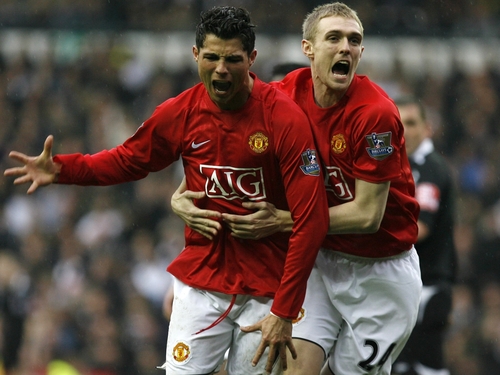
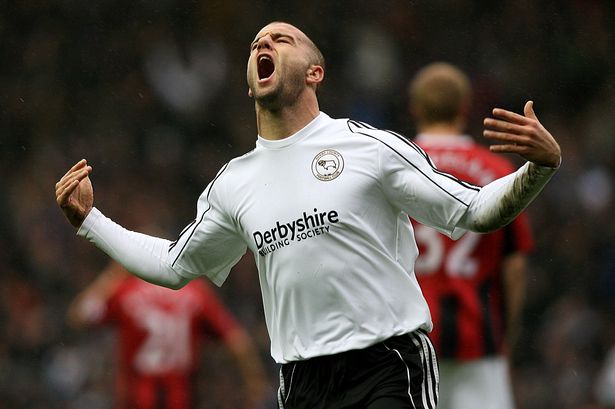
The following week, a goal from Tuncay Sanli would see Middlesbrough become the latest team to do the double over Derby. Tuncay gave Boro the lead after 32 minutes but Derby did have late chances to snatch a point through Robert Earnshaw and Kenny Miller. To end the month, Derby claimed their 8th draw of the season, drawing 2-2 with fellow strugglers Fulham. Derby took the lead after 10 minutes through Emanuel Villa’s 2nd goal for the club. 24 minutes gone and Fulham were level through Diomansy Kamara. Kenny Miller would limp off after 35 minutes. Jimmy Bullard would hit the Derby bar after 53 minutes. Fulham would take the lead with 12 minutes remaining. Dean Leacock whose shot had deflected off Emanuel Villa to give Derby the lead after 10 minutes played, would see Hameur Bouazza’s shot deflect off him into the Derby net. County would respond two minutes later as Villa would score his second of the match. However, Derby were unable to get the win they desperately needed. When the final whistle sounded, with news of Birmingham City beating Manchester City, the most humiliating relegation in Premier League history was confirmed. On 29th March 2008, with 6 matches left to play, Derby had achieved the earliest relegation in Premier League history. The club, whose points tally had risen to 11 points following the Fulham draw, now had one thing left to achieve in this miserable Premier League season. In order to avoid being mathematically confirmed as the worst team in Premier League history, Derby had to gain 6 points from their final 6 matches to overtake the lowest points tally in the league history, the 16 points scored by Sunderland two seasons earlier.
April
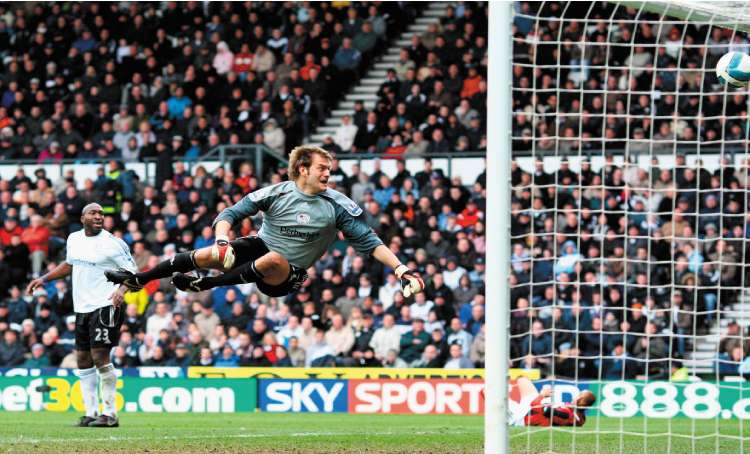
Now with relegation confirmed and Derby beginning to plan for their return to the Championship the following season, the main task now was damage limitation. Derby would begin this damage limitation by losing 1-0 to Everton on 6th April. A goal from Leon Osman after 56 minutes was enough to give the Toffees the win as Derby struggled to score against a team who had only conceded 5 goals at home all season. Six days later, Derby suffered their 3rd six-goal defeat of the season, losing 6-0 to UEFA Cup-chasing Aston Villa. Ashley Young opened the scoring after 25 minutes. One minute later, John Carew would double Villa’s lead. Stiliyan Petrov would score a third before half-time, putting the result beyond doubt. Further goals would be added by captain Gareth Barry, Gabriel Agbonlahor and replacement Marlon Harewood to further compound Derby’s misery in front of their own fans. On 19th April, Derby almost achieved their 2nd win of the season against West Ham United. Bobby Zamora gave West Ham the lead after 25 minutes but Derby would hit back through full-back Tyrone Mears halfway through the second half. As the game progressed, Derby actually looked more likely to score a second. However, Hammers replacement Carlton Cole would resume normal service on 77 minutes, scoring from Freddie Ljungberg’s cross.
Derby would end April with their 4th six-goal defeat of the season at the hands of Arsenal. Arsenal striker Nicklas Bendtner would give the visitors the lead after 25 minutes played but Derby left-back Jay McEveley would equalise 6 minutes later. Robin van Persie would restore Arsenal’s lead 6 minutes before half-time. van Persie’s second-half substitute Emmanuel Adebayor would score Arsenal’s third after 59 minutes. Derby sub Robert Earnshaw would finally score his first Derby goal to reduce the score to 3-2, but the two-goal deficit would be re-established by Theo Walcott one minute later. The six-goal rout would be completed by two further goals from Adebayor, who completed scoring a hat-trick in both matches against Derby in the same season. Derby now needed to win both of their final matches to avoid being confirmed as the worst team in Premier League history. Their final two matches were against Blackburn Rovers and relegation-threatened Reading on the final day.
May
Derby’s final embarrassment was confirmed on 3rd May as a 3-1 defeat to Blackburn assured that they would finish the season with the lowest points total in Premier League history. Kenny Miller would actually give Derby the lead in this match, scoring just his 4th goal of the season and first since December. Rovers’ top scorer Roque Santa Cruz equalised on the verge of half-time and Jason Roberts would give the hosts the lead two minutes after the break. Santa Cruz would score his second and Rovers third after 77 minutes to condemn Derby to another defeat. Derby now entered their final-day match against Reading with nothing to play for except their pride. Their opponents were looking to better Fulham’s result against Portsmouth to ensure Premier League survival.
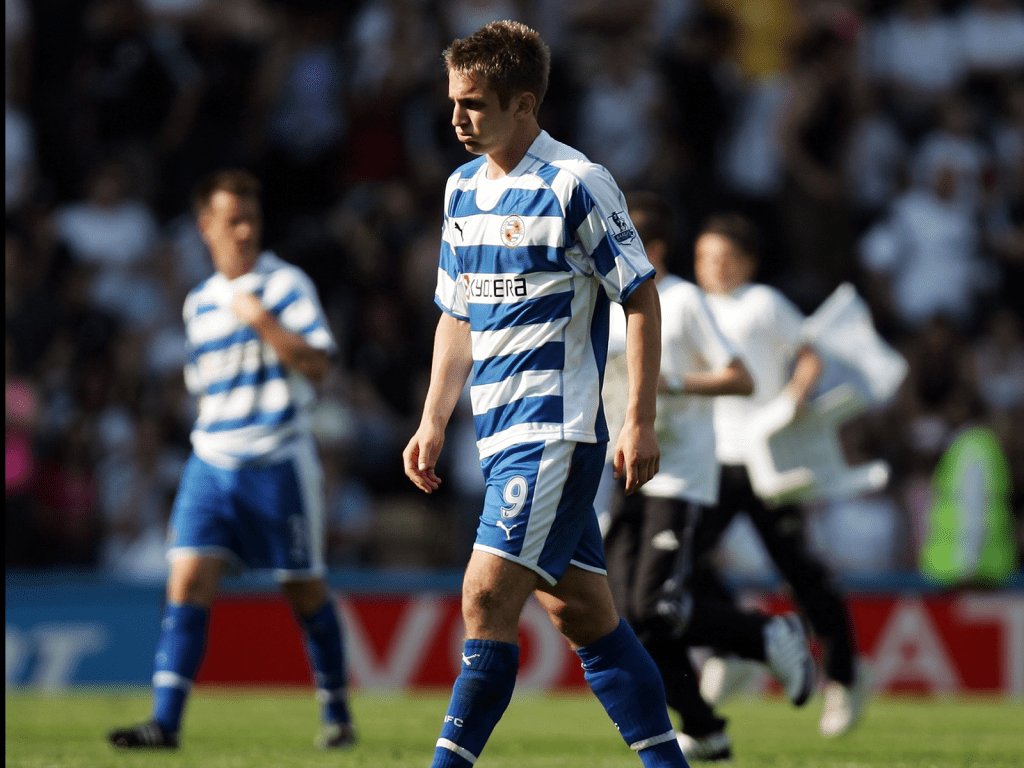
Reading would end their Premier League season with a bang on 11th May, putting four past Derby to finally end their torturous season. Derby’s home attendance of the season, 33,087, turned out to watch the trashing unfold. The Royals took the lead after 15 minutes through midfielder James Harper curling a left-footed shot into the top corner. As it stood at this early stage, Reading were safe. Just after the hour mark, Reading would double their lead. Nicky Shorey’s shot was saved by Roy Carroll only to be poked home by striker Dave Kitson. 8 minutes later, Kevin Doyle would make it 3-0. However, Reading’s relegation would be sealed if Fulham scored at Portsmouth. However, the groan from the away supporters would come after 76 minutes played as Danny Murphy gave Fulham the lead against Portsmouth at Fratton Park. Reading now knew that they would be heading down unless Pompey equalised. In stoppage-time, Leroy Lita would score a fourth for Reading, but Fulham win meant that the Royals had been relegated along with Birmingham City and their opponents Derby, whose humiliation had been confirmed 6 weeks earlier.
Epilogue
If you thought that reading through the previous paragraphs were depressing reading, what until you read the following stats. During the 2007-08 season, Derby set a new low for Premier League football setting a bunch of records in the process. Out of 38 Premier League matches, Derby won 1, drew 8 and lost 29 for a total of 11 points. Derby’s 11 points was not only a record low for the Premier League, it was a record low for the Football League since three points for a win had been introduced in 1981. With 1 paltry win, Derby became the first team in Premier League history and the second team in the 120-year history of the Football League to end a league season with a single win.
Across 38 matches, Derby scored 20 goals. The team’s top scorer was Kenny Miller, who scored 4 goals in 30 appearances. Behind Miller, two Derby players managed to score 3 Premier League goals. These players were Emanuel Villa, who made 16 appearances after joining the club in January, and Matt Oakley, the team’s captain at the beginning of the season and made 19 appearances before being sold to Leicester City in the same January window. The rest of the team’s goals came from left-back Jay McEveley (2), Giles Barnes (2), David Jones (1), Steve Howard (1), Andy Todd (1), Lewin Nyatanga (1) and Robert Earnshaw (1). Derby’s 20 goals was the fewest ever scored by a team in a single Premier League season. The 89 goals conceded by the Rams was also a record for a single Premier League season. Derby spent 32 out of 38 matchdays at the bottom of the Premier League table.
Derby used two managers during the season, and neither manager’s record looks good. Billy Davies was sacked in November 2007 after 1 win from 17 Premier League matches. His replacement Paul Jewell did even worse: failing to earn a single Premier League victory from 24 matches in charge. With the combined records of Davies and Jewell, Derby set a new club and top-flight record of 32 matches without victory between September 2007 and May 2008. As a final nail in the coffin, Derby also became the 5th team in Premier League history (following Leeds, Coventry, Wolves and Norwich) to fail to win a single away match in a Premier League season. Any way you put it; the 2007-08 Derby County team was, is and for the nearer future, the worst Premier League team in history.
Aftermath
Derby County have not played in the Premier League since. The following 12 seasons in the Championship produced the following league finishes: 18th, 14th, 19th, 12th, 10th, 3rd, 8th, 5th, 9th, 6th, 6th, 10th. Paul Jewell led Derby until 29th December 2008, resigning after a 1-0 defeat to Ipswich left Derby 18th in the Championship table. Since then, Nigel Clough, Steve McClaren, Paul Clement, Nigel Pearson, Steve McClaren, Gary Rowett, Frank Lampard and Philip Cocu have been appointed as Derby County manager, with Chris Hutchings, David Lowe, Darren Wassall (x2) and Chris Powell have served as caretaker manager. On four separate occasions, Derby have qualified for the Championship play-offs, exiting at the semi-final stage to Hull City in 2016, Fulham in 2018 and losing in the play-off final to Queens Park Rangers in 2014 and Aston Villa in 2019. It remains to be seen what happens to Derby over the next few years, whether promotion to the Premier League is on the immediate horizon or not. If they do get promoted to the Premier League in the years to come, you can bet that the team will do better than their 2008 counterparts.
 the-score-board.co.uk