
One of the strangest sponsors ever seen on a football shirt…
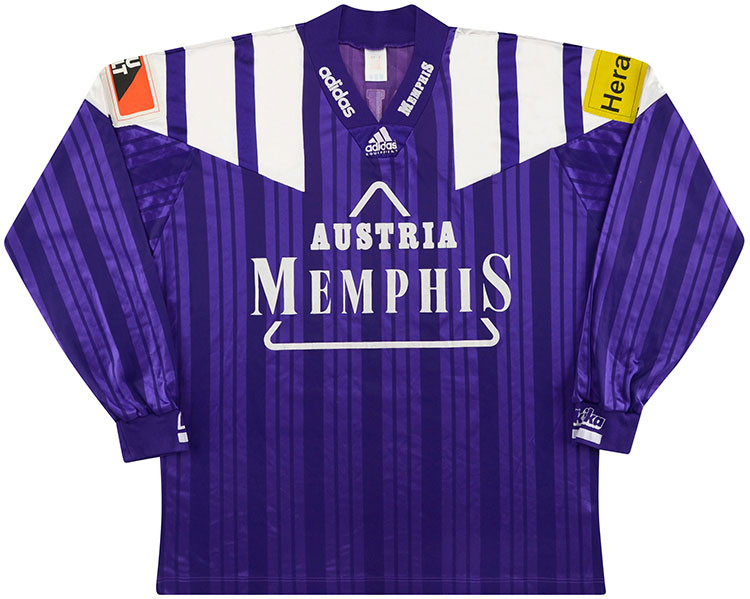
Sponsorship is always a hot topic in football. It is interesting to see how sponsorship changes over the years and what types of sponsors prove popular at particular times. In certain countries, the 1970s and 1980’s saw teams sponsored by cigarette companies, including Austria Vienna who wore the cigarette brand Memphis on their shirts from 1977 to 2004. The two brands were so tied together that Austria Vienna even changed their name to Austria Memphis for a few years. After anti-smoking campaigns took hold in the 1990’s and 2000’s, sponsorship changed to electronics and technology companies as Arsenal and Manchester United were famously sponsored by JVC and Sharp around the turn of the millennium. From around 20 years ago until fairly recently, it was clear to see that alcohol sponsorship was king. The FA Cup was sponsored by Budweiser, The League Cup was sponsored by Worthington’s and Carling. Carling also adorned the shirts of Scottish football’s two biggest clubs Celtic and Rangers. Merseyside rivals Everton and Liverpool had sponsorships with Carlsberg and Chang Beer that spanned over a decade. Now, clubs have decided that it wouldn’t be right to encourage people to drink certain alcoholic beverages while watching the football for fear of encouraging drunken behaviour that football fans have since become associated with.
In the modern day (at time of writing September 2020), betting companies, Middle Eastern airlines and American banks are the standard now as shirt sponsorship today seems to often go to the highest bidder. Betting companies are especially a problem, with 10 of the 20 teams that played in the 2019-20 FA Premier League being sponsored by betting companies at a time when many professional footballers are still face problems with gambling addiction.
With all those sponsors having been discussed, let me tell you a story. Football has seen its share of odd sponsors, with West Brom being sponsored by Ideal Boilers, AC Milan by Pooh Jeans and Sheffield Wednesday by lollipop manufacturer Chupa Chups, but have you ever seen a football team have their shirts sponsored by a film studio? Yes, there was once a time when Hollywood went into the shirt sponsorship business.
The year was 2003. AC Milan had just won their 6th European Cup/UEFA Champions League. A young manager named Jose Mourinho had just led FC Porto to the UEFA Cup beating Celtic 3-2 after extra time in Seville. Manchester United won their 8th Premier League title and 15th English league title, beating Arsenal by 5 points while led by an inspired Ruud van Nistelrooy. Meanwhile over in Spain, Vicente Del Bosque’s Real Madrid won a 29th Spanish League title, finishing two points ahead of Real Sociedad while Barcelona finished down in 6th place.
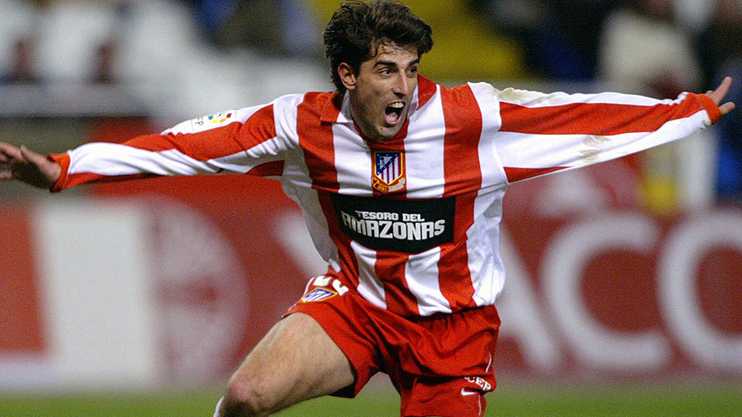
Finishing 12th that season were Real Madrid’s city rivals Atletico Madrid. The team’s squad featured future Liverpool winger Luis Garcia, future Newcastle defender Fabrizio Coloccini and had a 19-year-old striker named Fernando Torres. In terms of shirt sponsors, Atletico Madrid had previously been represented by the island of Marbella, TV channel Antena 3 and 1996’s hottest new product, the Tamagotchi. Now in 2003, the team was looking for a big-name shirt sponsor following a deal with domestic sponsor Idea Home Appliances for the 2001-02 season and going unbranded for the team’s 2002-03 centenary season. If Atletico were looking for a big-name sponsor, then they did not have to wait long for one to arrive on their doorstep. On 21st August 2003, a new sponsorship deal was struck. A sponsorship deal described at the time as a ‘milestone in film and sports history’. Atletico Madrid had signed a one-year shirt sponsorship deal with Hollywood film studio Columbia Pictures/Tristar. As part of the deal, the front of Los Colchoneros traditional red-and-white stripes would be adorned with the latest film release from Columbia.
At the press conference announcing the partnership, then-Atletico Madrid president Enrique Cerezo, a noted film producer himself, said: “This agreement…will go around the world. Atletico is a pioneer in this initiative because no team advertises films on their jerseys. For us it is a very great satisfaction to go hand in hand with this company, which is one of the most important in the world and we hope to accompany it with our results at a sporting level,”.
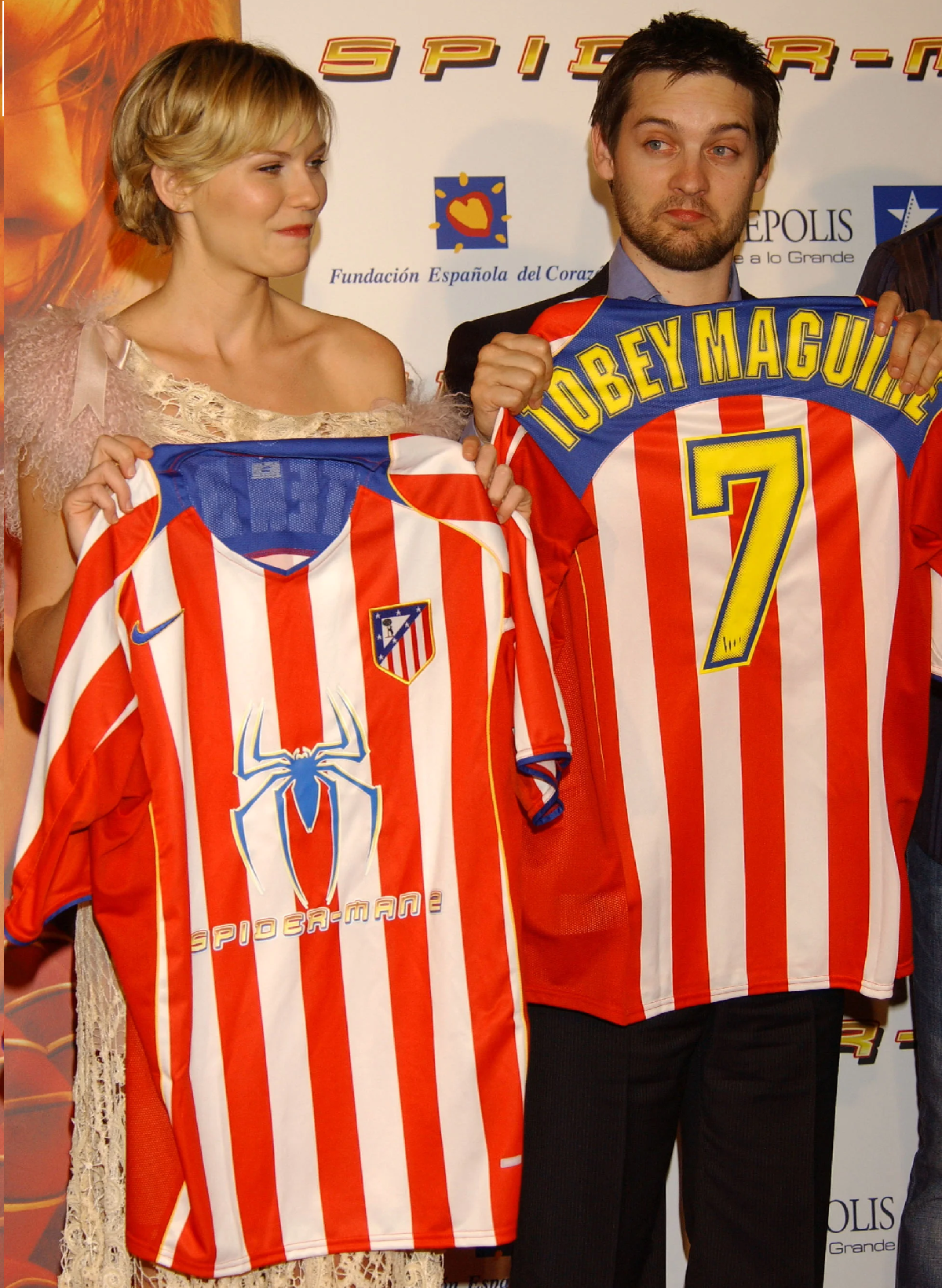
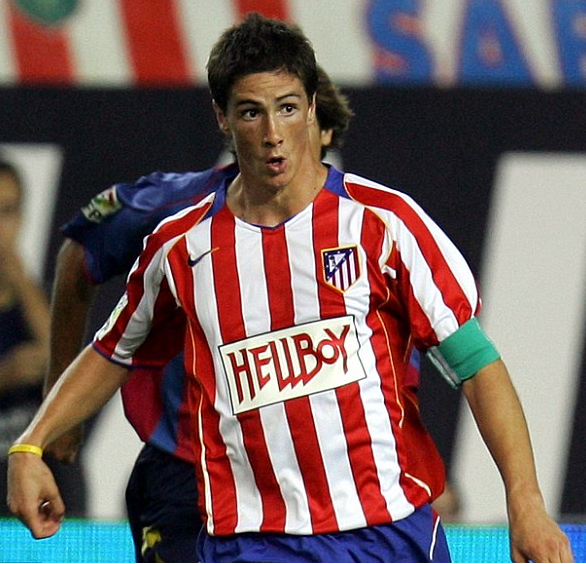
Over the next two seasons, a total of 23 different films would feature as Atletico Madrid’s shirt sponsor. These films were: Bad Boys 2, Hollywood Homicide, S.W.A.T., The Rundown, Gothika, Big Fish, Peter Pan, The Punisher, Spider-Man 2, Hellboy, White Chicks, Resident Evil 2, Anacondas: The Hunt For The Blood Orchid, Closer, Spanglish, Hitch, XXX: State of the Union, Un Rey En La Habana, Kung Fu Hustle, Deuce Bigalow: European Gigolo, Bewitched, Stealth and The Legend of Zorro. The current film being promoted would feature on both Atletico’s home and away kits before being changed on a bi-weekly basis. The first film advertised would be Bad Boys 2, released in Spain as ‘Dos Policias Rebeldes’ (Two Rebel Cops) on 3rd October 2003. When Spider-Man 2 was the shirt sponsor at the beginning of the 2004-05 season, the team wore a special version of their navy blue away shirt featuring the film’s title, logo and a spider’s web design.
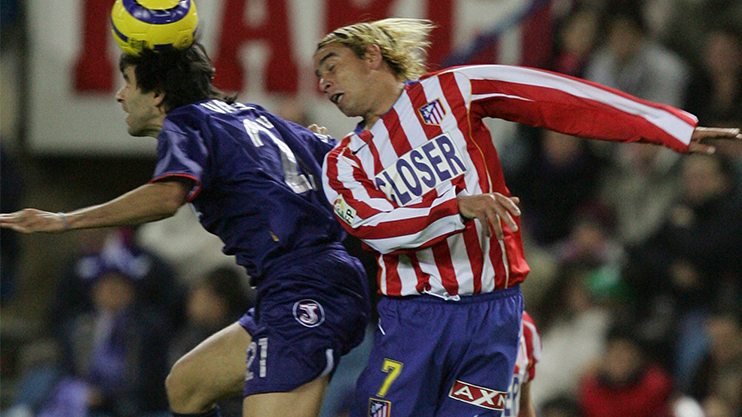
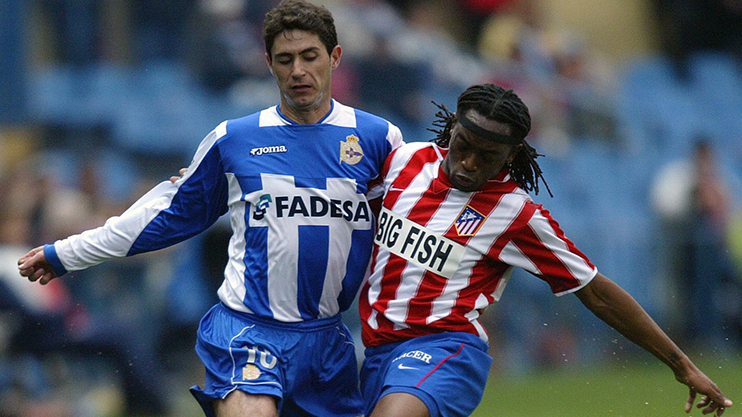
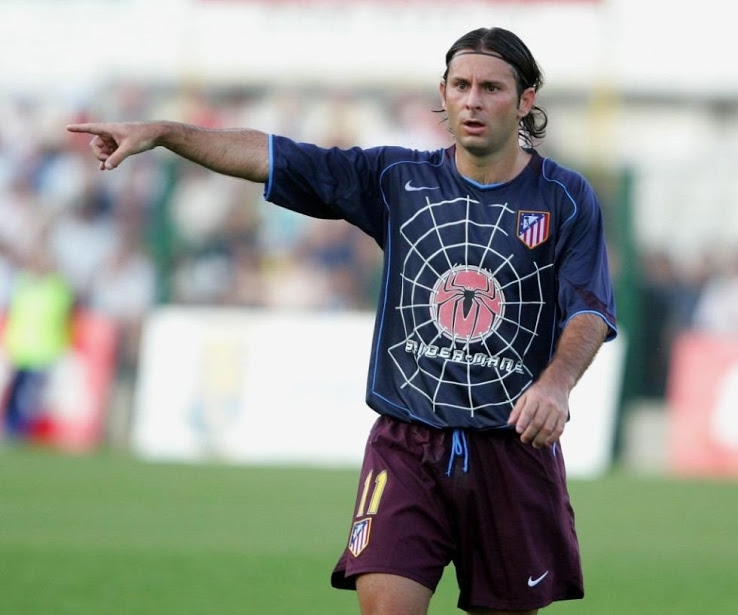
Each time one of these films got released, one of the film’s stars would travel to Madrid and pose with an Atletico Madrid shirt with their name on it. Tobey Maguire and Kirsten Dunst for Spider-Man 2, Samuel L. Jackson for S.W.A.T., Harrison Ford for Hollywood Homicide and Will Smith for Bad Boys 2 were just some of the stars who you can find pictures of on the Internet holding Atletico Madrid shirts.
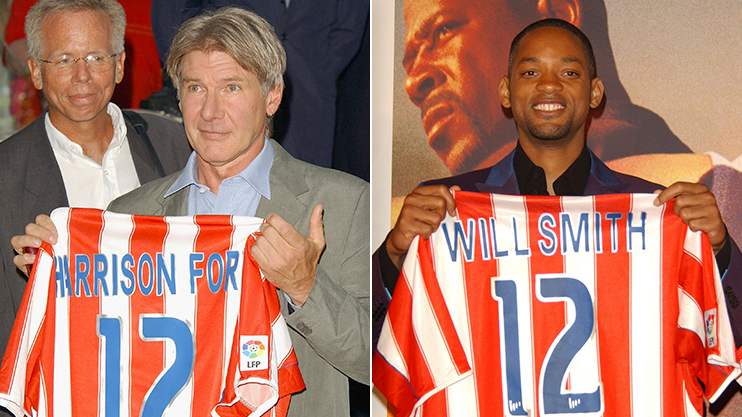
The sponsorship between Atletico Madrid and Columbia Pictures/Tristar would last for two seasons between 2003 and 2005. In the two seasons spent advertising Columbia’s films on the front of their shirts, Atletico Madrid’s form would be inconsistent. In 2003-04, Atletico Madrid would finish 7th in La Liga with 55 points, missing out on UEFA Cup qualification to Sevilla on goal difference. The biggest news to come from this season would be the signing of former Argentina captain Diego Simeone from Lazio and the appointment of Fernando Torres as the team’s new club captain despite only being 19 years old. Torres, born in Fuenlabrada, would lead by example, scoring 19 goals in 35 league matches. The following year, the team would be 4 positions and 5 points worse off, finishing in 11th with 50 points under head coach Cesar Ferrando. The team would reach the semi-finals of the Copa Del Rey before losing 1-0 on aggregate to Osasuna over a two-legged tie. Torres would have another impressive goalscoring season, scoring 16 in 38, but the team would only manage to score 40 goals in total, despite having the 3rd-best defence in La Liga that season.
In September 2005, Atletico Madrid’s partnership with Columbia would end and the team would sign a more famous, longer-lasting and much more iconic sponsorship deal with South Korea car giant Kia. This sponsorship deal would last until 2011.
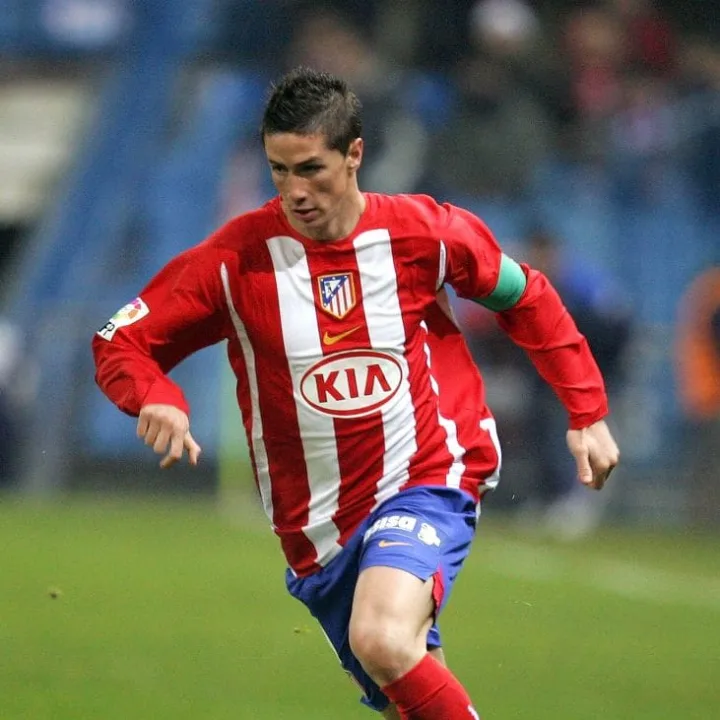
The Columbia Pictures sponsorship is now seen today as one of the strangest sponsorships in football history and is also seen by some as one of the worst. The shirts looked ugly and unnatural with these film logos splashed across it. The Atletico players looked like they were wearing a 90-minute advertising board. With the film logos changing every week, it could be argued that they were became a set of 90-minute marquees used to bait fans in the stadium and viewers at home to watch whatever film Columbia Pictures was trying to sell at that time. Due to the swift change in kit design from one week to the next, the replica shirt that fans could buy in the club shop was left without a sponsor for both seasons of the Columbia deal. It was probably for the better. These shirts laden with film titles are now collector’s items able to found on any online marketplace. Anyone who owns one of these shirts owns a piece of footballing history.
Unfortunately for Enrique Cerezo, the unique sponsorship of a football club aligning with a film studio did not go “around the world”. Atletico Madrid were indeed pioneers, albeit in an initiative that has not been repeated by another major football club since.
 the-score-board.co.uk