
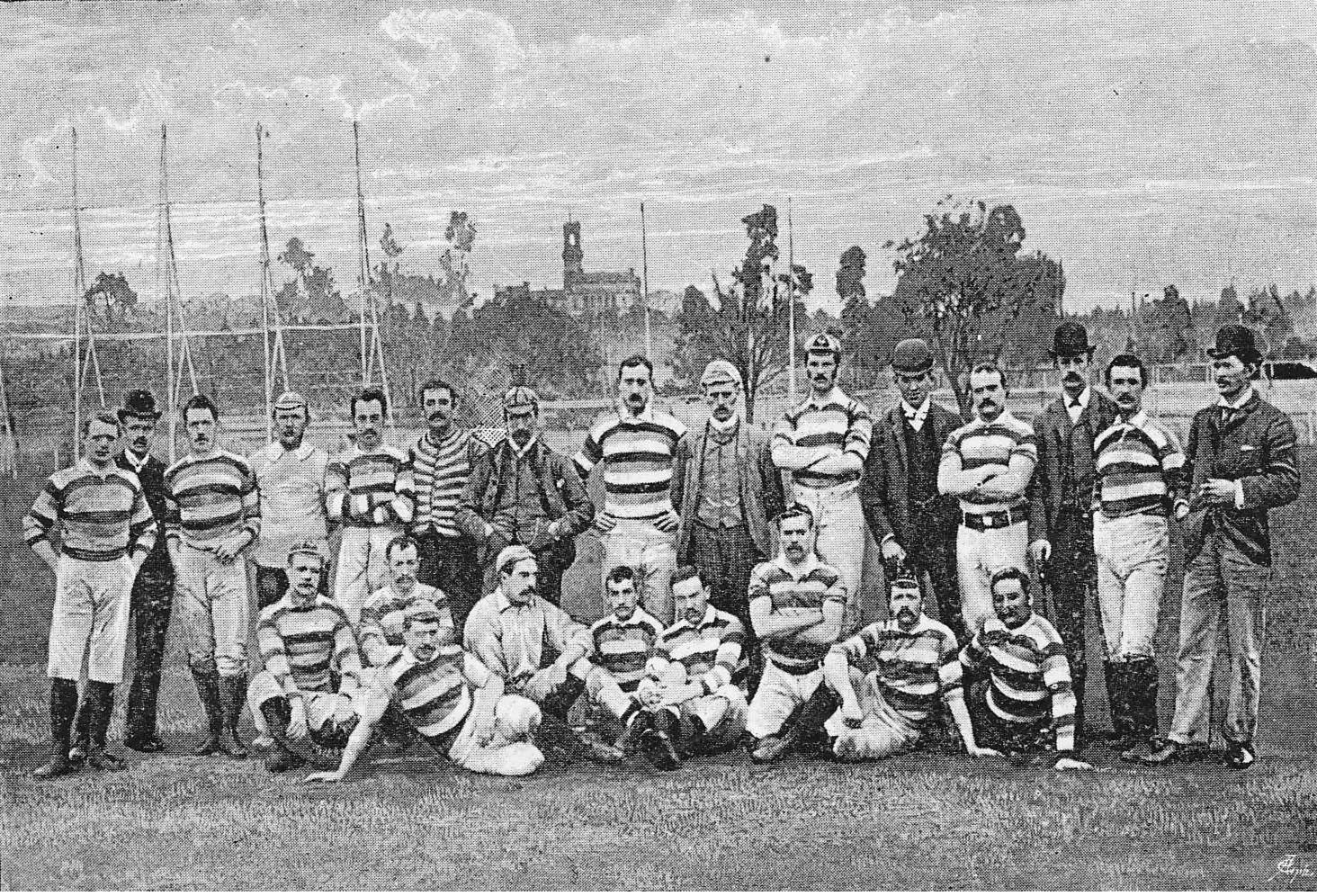
A 35-match tour that featured no test matches played by a team calling themselves the ‘English Footballers’…
The British and Irish Lions is a rugby union institution. Every four years, a squad comprised of international players from the home nations of England, Scotland, Wales and Ireland goes on a tour of one of the three major southern hemisphere rugby giants: South Africa, Australia, and New Zealand. A one-month tour begins with matches against regional and provincial sides before the Lions embark on a three-match test series against the country in question. Since the first tour in 1888, 33 tours have taken place, with the Lions emerging victorious on 11 occasions, with famous victories occurring in 1989, 1997 and 2013.
There is very little in rugby union today that is like the British and Irish Lions. The only other pure touring ‘team’ that still exists in the modern day is the Barbarians, which still tours annually to play a different international side each year. However, there is something special about the Lions that is different from the Barbarians; the chance to see the best in European rugby playing side by side to take on (more often than not) the best team in world rugby at that time. Of the eight Lions tours that have taken place after a Rugby World Cup, 4 have seen the Lions facing the current world champions in the test series. With the next Lions tour to world champions South Africa occurring in 2021, this article is going look back into the history of the British and Irish Lions previous tours, but not just any tour. This article will be looking back at the first ‘Lions tour’ that occurred between 28th April and 3rd October 1888.
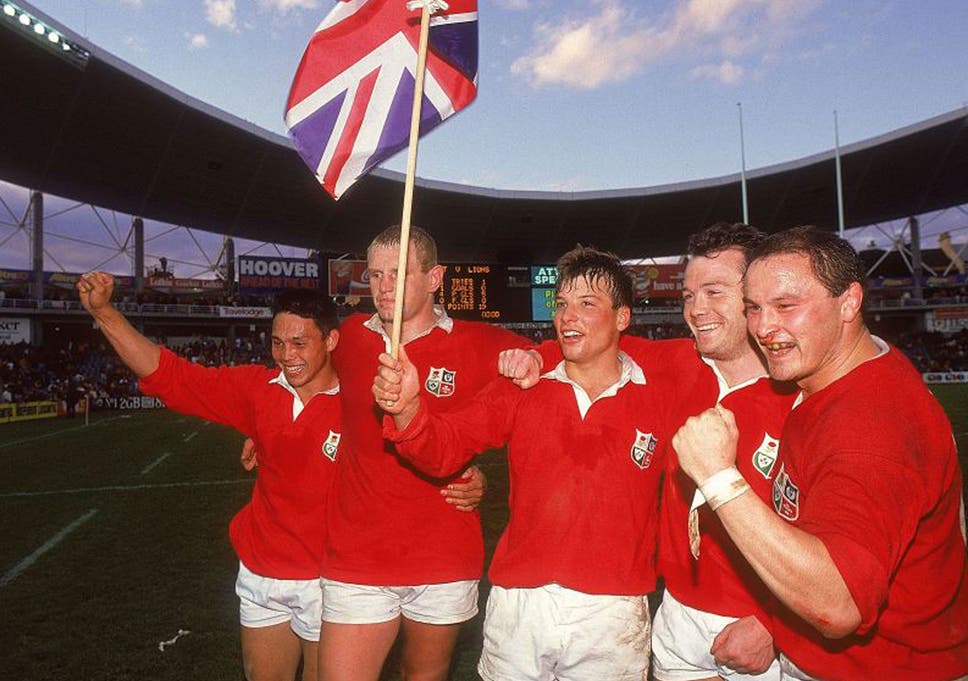
1989 (c) The Independent 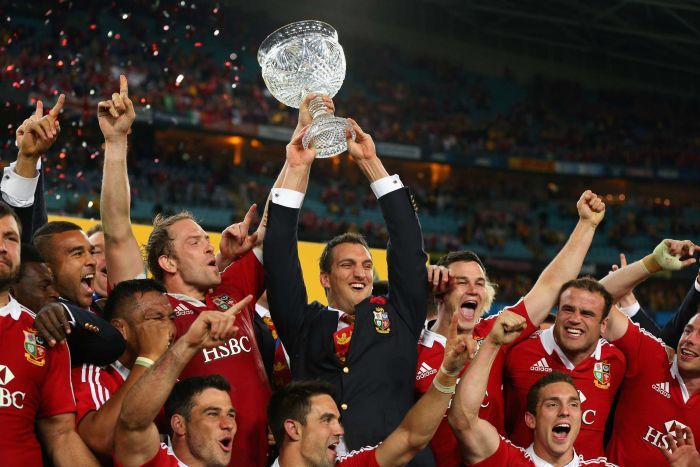
2013 (c) ABC 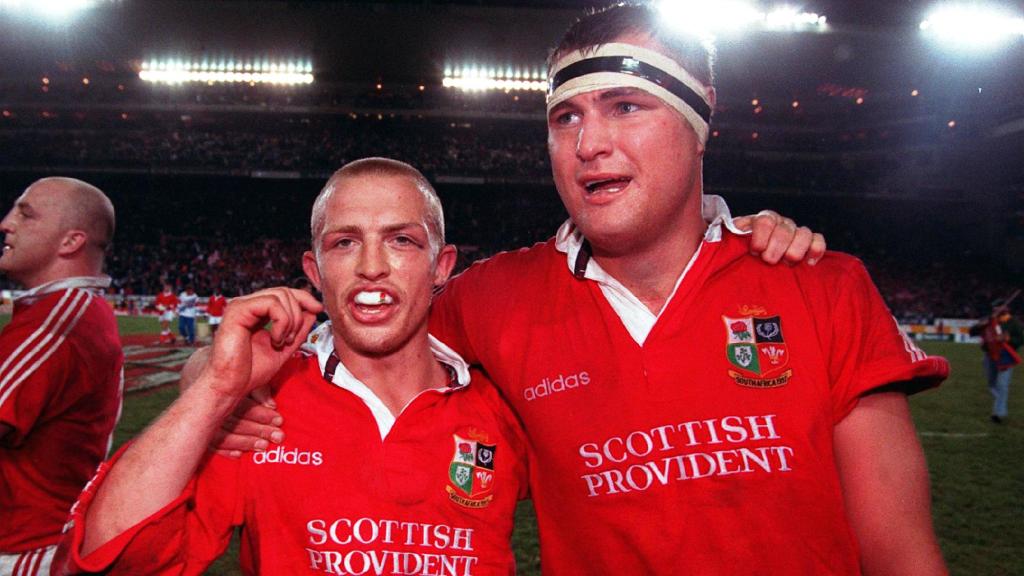
1997 (c) British and Irish Lions Mandatory Credit ©INPHO/Billy Stickland
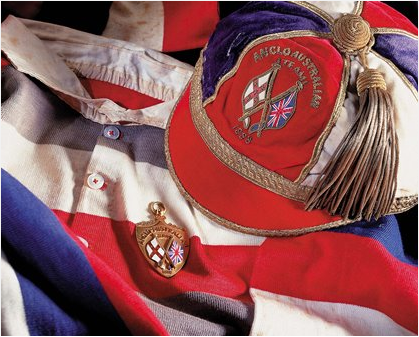
The first British and Irish Lions Tour technically wasn’t a ‘Lions Tour’. as we would know it today. The team were not called or referred to as the British and Irish Lions, instead going under the nickname of the ‘English Footballers’. Of the 22 players who toured as part of the ‘English Footballers’, five players were from Scotland, one was from Wales, one from Ireland, one from the Isle of Man and another had been born in Philadelphia. The tour was unofficial and unsanctioned, as the tour managers could not get the patronage of the Rugby Football Union (RFU) to fully sanction the tour to Australia and New Zealand, although the tour was allowed to go ahead on the provision that the amateur rules of rugby were to be upheld while the tour was ongoing. The kits worn on the tour were not the red jerseys, white shorts and blue socks with green trim that have become synonymous with the Lions. Instead, the British team on this tour wore a kit consisting of white shirts with red and blue horizontal hoops, white shorts and blue socks that would only be worn on this singular tour.
Finally, no test matches would take place on the tour, as the matches against local, provincial and invitational sides that normally take up the first two weeks of the month-long Lions tour instead comprised the entirety of the 1888 tour, with no test matches taking place against either Australia or New Zealand. Nevertheless, a 22-man squad of players would travel to Australia and New Zealand in April 1888 before returning six months later at the beginning of October 1888.
The idea for this original ‘Lions tour’ came from the minds of three English cricketers. James Lillywhite, Alfred Shaw and Arthur Shrewsbury would be the men behind the organisation of the 1888 tour, with Shaw and Shrewsbury also serving as the team’s coaches. The organisers were not unfamiliar with organising tours Down Under as the three had organised a disastrous England cricket tour to Australia the previous year, a tour that resulted in both the English and Australian organisers out of pocket. The original idea for the 1888 tour was decided in November 1887, when Arthur Shrewsbury was in Australia as part of the ill-fated cricket tour. He sent a message to Arthur Shaw in England to start recruiting players for a rugby tour to take place the following year. According to an article on the World Rugby Museum blog, the cricket tours had left Shrewsbury struggling financially, and a successful rugby tour could help to salvage his savings.
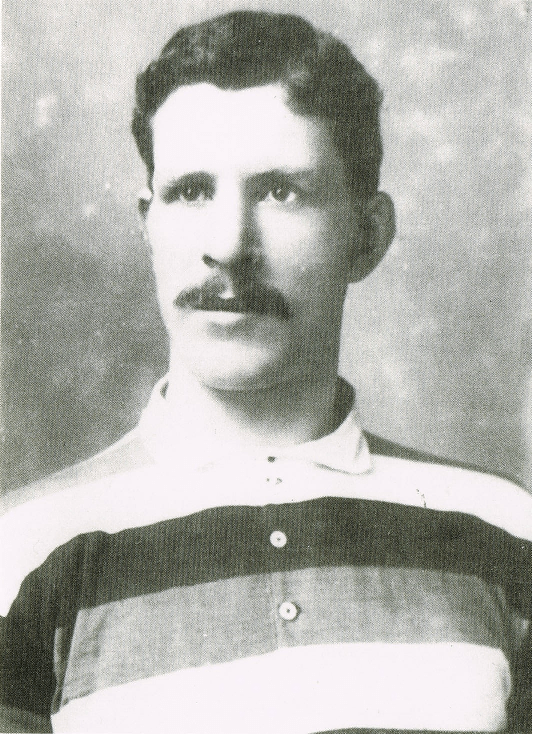
The team selected for the tour was made up of players who plied their trade for amateur teams in England and Scotland. The 22-man party was captained by forward Robert Seddon, a 28 year-old who played his regular club rugby for Swinton in Greater Manchester. Seddon was an 11-year veteran, having made his debut as a 17-year-old in 1877 for Broughton Rangers. Seddon was actually one of four players on the tour to have been capped by his country, having received 3 caps for England the previous year, appearing in a draw against Scotland and two defeats to Wales and Ireland. These three caps were the only caps that Seddon would attain during his career.
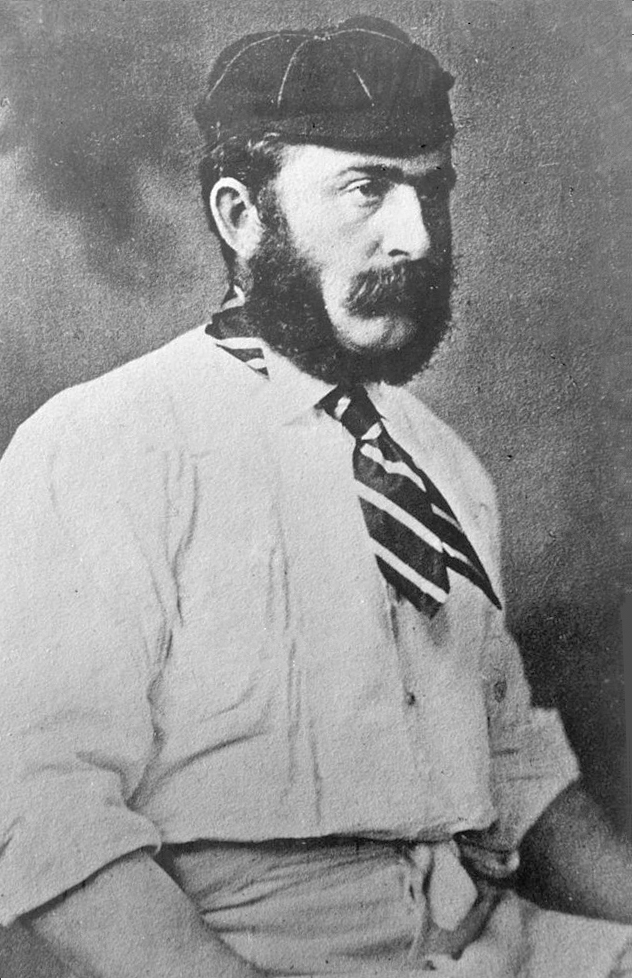
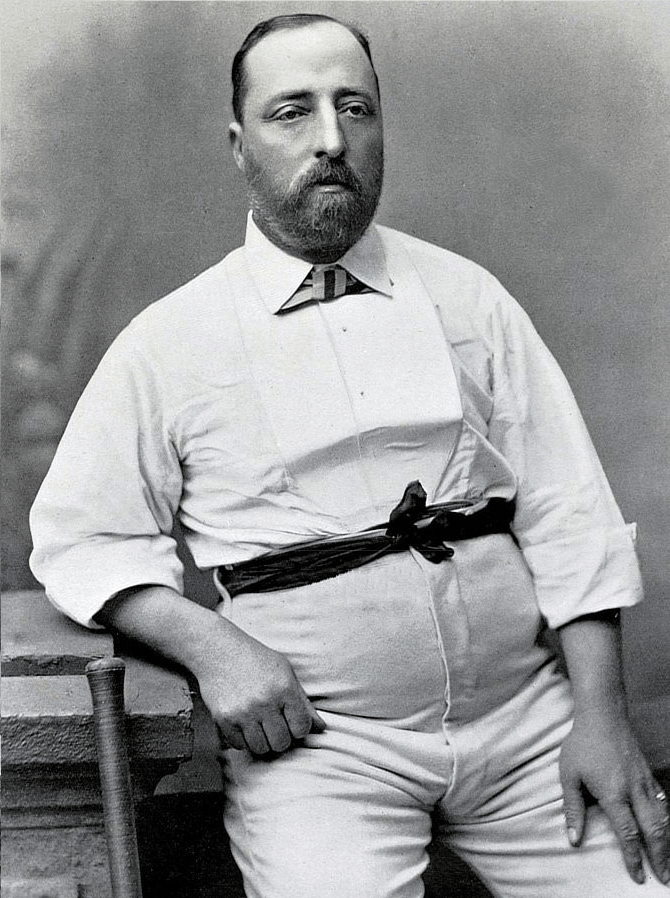
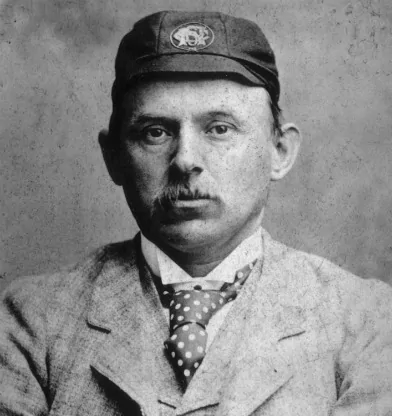
The first ‘Lions’ squad would begin their 46-day voyage to Australasia in April 1888, but not before the controversy began. Forward Jack P. Clowes had accepted £15 to buy equipment for the upcoming tour. For seemingly receiving money for his work as a rugby player, Clowes had been branded as a ‘professional’, at a time that the issue of professionalism was rearing its head inside the amateur sport of rugby union. An increasing number of players, particularly those playing in the north, were asking for rugby players to be paid for playing the sport, considering that football had just turned professional with the establishment of the Football League the very same year. This debate within the sport would eventually lead to a number of clubs in Northern England forming the new code of Rugby League in 1895. To keep the touring players in check, each member of the 22-man touring party in 1888 was required to sign an affidavit accepting that they would not be paid for their time touring in Australia and New Zealand apart from hotel and travel expenses. In order as not to sully the reputations of his teammates, Jack Clowes would not play a single match on the tour despite remaining a part of the touring party.
The matches on the tour would be spread across both Australia and New Zealand. The team would play their first matches in New Zealand from 28th April to 24th May, before spending 3 months in Australia lasting from 2nd June to 29th August before returning back to New Zealand for the final leg of the tour lasting from 8th September to 3rd October. The tour would last a total of 249 days during which the ‘English Footballers’ would play 35 matches.
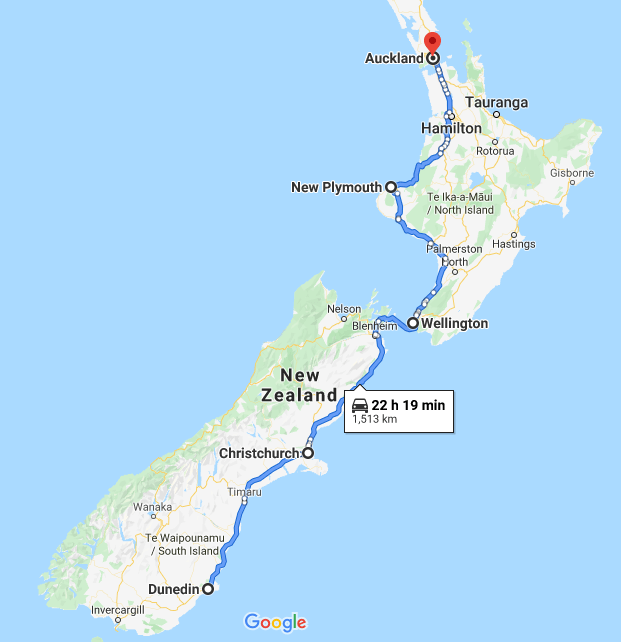
The first leg of the tour would begin with a double-header against Otago in Dunedin, New Zealand. The first match would take place on 28th April 1888. In Dunedin, the Brits would defeat Otago RU 8-3. The following day, the winner would be same, albeit with a 4-3 scoreline. One double-header would be followed by another as the team travelled to Christchurch for two matches against Canterbury. On 5th and 9th May, the Brits would win both matches, the first 14-6 and the second 4-0. The next stop on the trip would be Wellington, which would see the the tourist’s winning start come to an end with a 3-3 draw with Wellington RU on 12th May. The team would soon respond with a 4-1 win over H Roberts two days later. A trip to New Plymouth would see the team would lose their first match of the tour in their 7th overall match, going down 0-1 to Taranaki RU on 16th May, before travelling to Auckland to finish the first leg of the tour with another double-header. The first leg of the tour would end with mixed results against Auckland RU, with the tourists edging the first match 6-3 on 19th May before the Auckland hosts would exact their revenge with a 4-0 win five days later. The future ‘Lions’ would finish the first leg of the tur with a record of 9 matches played made up of 6 wins, 1 draw and 2 defeats.
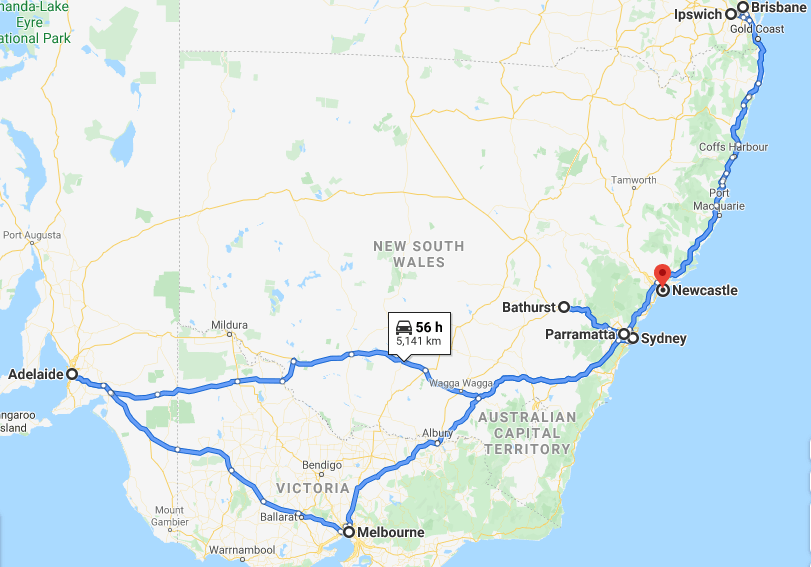
After a week’s resting and travelling, the second, and longest, Australian leg of the tour would begin in Sydney on 2nd June 1888 with a comfortable 18-2 victory over the NSW Waratahs. Following this win ,the team would make a brief trip 200km north of Sydney to Bathurst to face the local side on 7th June. Following a 13-6 win over the locals, the tour would swing back to Sydney for a return match with the Waratahs, a rematch which resulted in a 18-6 win for the British team. The team would also see off a Sydney Juniors side (11-0) before drawing with The King’s School in neighbouring Parramatta (10-10).
The next stops on the tour would take the British team to two of Australia’s more notable cities, Adelaide on 16th July followed by Melbourne on 1st August. On 16th July, the proto-Lions achieved their biggest victory of the tour with a 28-3 victory over the Adelaide team. After a two-week break, the local Melbourne team would be defeated 15-5. After this sojourn westwards, the team would head back to Sydney for a third match with the NSW Waratahs, one of four matches the proto-Lions would play in one week between the dates 4th and 11th August. The third Waratahs match would once again go the way of the tourists (16-2). After the third Waratahs victory, the team would draw 3-3 with a Sydney Grammar School side on 6th August before winning a rematch against Bathurst two days later (20-10). This seven-day period would end with a 8-4 victory over the University of Sydney rugby team on 11th August.
After this week-long loop in Sydney, the proto-Lions would travel to Brisbane for two matches against teams from Queensland. In the first match on 18th August, the team would dispose of the Queensland Reds 13-6. Three days later, the Queensland Juniors would be defeated 11-3. The tourists would travel to Ipswich on 23rd August to defeat the local side 12-1 before winning a rematch against the Queensland Reds two days later (7-0). The second leg of this proto-Lions tour would finish with a trip to Newcastle on 29th August. The tourists would defeat the local team 15-7 to ensure that the team had progressed through the entire Australian leg of the tour without losing a single match. In 16 matches Down Under between 2nd June and 29th August, the Lions had won 14 and drawn 2. These results took the proto-Lions overall record on the tour to: 25 matches played, 20 wins, 3 draws, 2 defeats. The tourists would now return to New Zealand for the final leg of the tour where 10 more matches would be played over a 25-day period between 8th October and the final match of the tour on 3rd October.
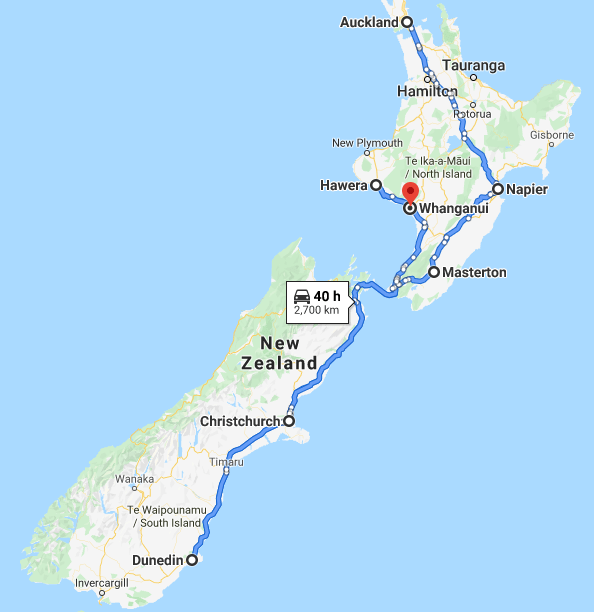
The third and final leg of the 1888 tour began where the first leg had finished: with a double-header in Auckland. The previous double-header against Auckland RU had resulted in the match results being split: the British tourists had won the first tie, with Auckland winning the second. This time, the double header on 8th and 12th September would once again produce mixed results. The first match would result in a 3-0 win for the tourists. Four days later, the second match would end in a 1-1 draw, meaning that the proto-Lions would maintain their 17-match unbeaten record.
Following these results, the tourists would travel southwards through the North Island, defeating Hawke’s Bay in Napier on 15th September (3-2) and Wairarapa RU in Masterton on the 17th (5-1), before travelling to the South Island for four matches shared between Christchurch and Dunedin. The first Christchurch match saw the proto-Lions face Canterbury RU for the third time. Similar to the first two matches, the touring side would win the match (8-0). Two days later and the proto-Lions would face Otago RU for the third time. This time, the men from Dunedin would manage to restrict the tourists to a 0-0 draw. The next two matches would be split between venues in Dunedin and Christchurch but would see the proto-Lions face the same side in both locations, a South Island representative side. Both matches would end up in Lions victories, with the Dunedin match ending 5-3 and the Christchurch match 6-0.
Following this four-match foray in the South, the proto-Lions would journey back to the North Island for the final two matches of this 35-match tour, against Taranaki RU in Hawera and Wanganui RU on 2nd and 3rd October respectively. Win both these matches and the British tourists would finish the tour with a 25-match unbeaten streak, after their previous defeat to Auckland RU had occurred on 24th May, in the 9th match of the tour. The first match against Taranaki would be a 7-1 win for the proto-Lions, but the tourists’ hopes to finish on a high would be slightly dashed with a 1-1 draw with Wanganui. Despite this, this proto-British and Irish Lions squad would end this gruelling 249-day, 35-match tour with a 25-match unbeaten streak. For the third and final leg of the tour, the Brits would play 10 matches, winning 7, drawing 3 and losing 0. Added to the final tally, these matches would mean that this British touring side finished with 27 wins, 6 draws and 2 defeats from their 35 matches on the tour. A successful tour, seemingly.
If anyone reading this article is looking at the idea of playing 35 rugby matches in 249 days as hard enough going for a bunch of rugby players touring around a country that is not their own, spending days travelling between cities and countries primarily by boat without receiving payment for their efforts outside of travel and hotel expenses, then they have more to learn about this unofficial inaugural ‘Lions’ tour from 1888. Firstly, the 35 rugby matches were not the only kind of sporting action that the 22-man touring party would engage in during their time in Australia and New Zealand.
During the Australian leg of the tour, the squad would play 19 matches of Victorian Rules Football, now known as Australian Rules Football. The issue for the tourists was that the players had no prior experience of playing Victorian Rules Football and now they were scheduled to play 19 matches in addition to the 16 rugby matches they were already set to play on Australian soil. The Victorian Rules matches would take place between 16th June and 14th August 1888. 12 of the 19 matches were played between the proto-Lions draw with The King’s School on 12th June and their victory over Adelaide on 16th July, beginning with a defeat to Carlton FC in front of 25,000 people at the Melbourne Cricket Ground on 16th June and ending with a defeat to Norwood in front of 8,000 at the Adelaide Oval on 14th July. The tourists would win 2 out of the 12 matches, against Bendigo FC on 20th June and Port Adelaide Fc on 10th July. Following the proto-Lions 28-3 win over Adelaide on 16th July, the tourists would play another 6 matches between 18th and 28th July, of which the proto-Lions would win 4, against Horsham and three consecutive wins over Ballarat, Sandhurst and Kyneton. In total, the tourist would win 6 of the 19 Victorian Rules matches they would play, an impressive feat considering their lack of knowledge regarding prior to the tour.
Another issue regarding the 1888 tour would be a tragic one. On 22nd July, while sculling on the Hunter River in West Maitland, New South Wales, Robert Seddon would venture up river alone without his fellow teammates and would have an accident when his boat overturned, although it not known how or when the accident occurred. Some time later, teammates Jack Anderton and Andrew Stoddart would find Seddon lying face down in the Hunter River, having drowned following the boat capsizing. Seddon had been set to be married upon his return to England in October 1888. At this point, 20 of the 35 tour matches had been played, and Seddon had captained the British team in all 20, up to and including a victory of the University of Sydney on 11th August. He would be replaced as captain for the rest of the tour by three-quarter Andrew Stoddart.
Finally, the biggest issue with the 1888 tour of Australia and New Zealand by this Great Britain, proto-Lions side is that the tour was a financial disaster. Similar to the 1887 England cricket tour to Australia organised by Lillywhite, Shaw and Shrewsbury, the organisers would end the tour out of pocket. This evidence can be found by looking at the attendance statistics for the 19 Victorian (Australian) Rules Matches. Except for the opening match against Carlton FC, which drew somewhere between 25,000 and 30,000 to the Melbourne Cricket Ground on 16th June, not one of the other 18 matches managed to attract even 10,000 people to view the British tourists take on the local Australian Rules side. 11 matches wouldn’t even draw 5,000 spectators. The money gleaned from these spectators wouldn’t be enough to cover the travel and living expenses of the British tourists or the money spent by the local clubs to host these matches.
Despite these issues, the tour was a success were it mattered most: on the field. 27 wins out of 35 matches was something that the 22 players and the three organisers could be proud of. When Lions historians look back on this tour, they talk about the results. Whether the tour was a financial success or not, it certainly left enough of an impact that a further 33 international ‘Lions’ tours travelled to the Southern Hemisphere over the following 132 years. Three years after the 1888 tour, another proto-Lions British Isles team would travel to South Africa for a 20-match tour, culminating in a three test series against the Springboks.
It may have been fraught with financial difficulties, death and low attendances, but the 1888 tour of Australia and New Zealand did enough to start a tradition, a tradition that has continued for over 100 years and continue when the British and Irish Lions journey to South Africa in summer of 2021.
 the-score-board.co.uk
One thought on “The First: British and Irish Lions Tour, 1888”