
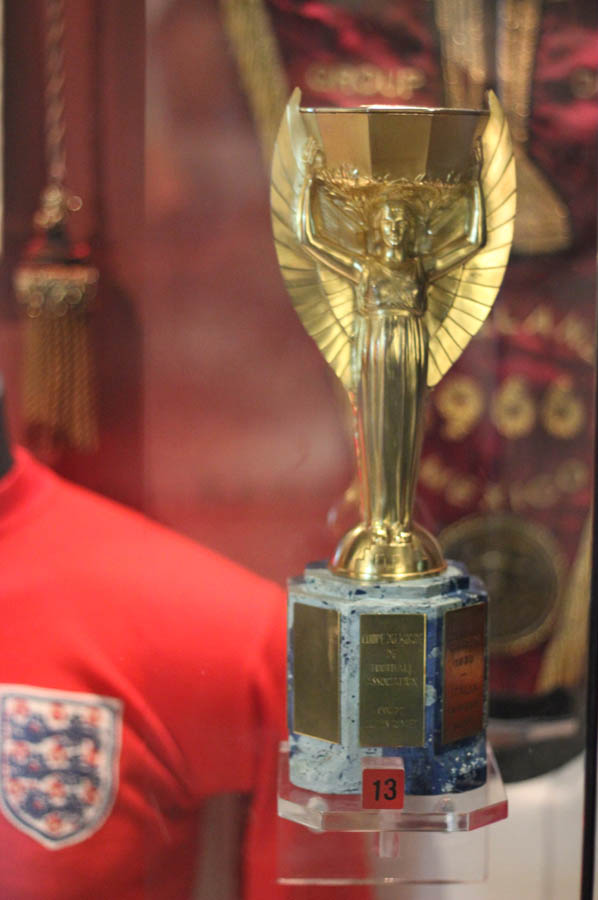
England’s trophy cabinet isn’t as bare as you think…
Enough column inches and website articles have been written bemoaning England’s lack of success on the international football stage. England’s only success occurred in 1966 when a team featuring Bobby Moore, Bobby Charlton, Geoff Hurst and Gordon Banks won England’s first and so far only World Cup, beating West Germany 4-2 after extra time thanks to a Geoff Hurst hat-trick, the only hat-trick to occur in a World Cup final. England had the added advantage of being the tournament hosts and, following some unassuming performances in the group stages, showed their class in the knockout stages to defeat Argentina 1-0 in the quarter-finals and then a Eusebio-led Portugal 2-1 in the semi-finals before the showdown and eventual triumph over the Franz Beckenbauer and co. at Wembley Stadium. It’s a story that will keep being brought up until England win another World Cup, however long that will take.
England’s best results in the years since came in semi-final exits to West Germany in 1990 and Croatia in 2018. Even worse, England have never won the European Championship, with 1968 and a home tournament in 1996 providing the best results of two further semi-final exits. As each year has passed, another year of hurt has been added. 30 in 1996 turned to 50 in 2016 and still the count continues. Over the past 50+ years England have sat on the sidelines watching Italy, Germany, Spain, France, Czech Republic, Argentina, Brazil, Netherlands, Denmark, Greece and Portugal collect silverware at World and European level. However, it’s not been all bad during those 50+ years.
While England has failed to capture a second World Cup or a European Championship, that is not to say that they haven’t collected any silverware, because they have. Those thinking that England’s trophy cabinet has been slowly gathering dust since 1966 would be sorely mistaken. England has won silverware and plenty of it. Less 50+ years of hurt, more 15 years of hurt. To be exact the England national football team has won 15 trophies since 1966, and these trophies will be the topic of this article. Each will be discussed in turn in terms of when they were won, how they were won and who was involved in those successful England sides who tasted the champagne and kissed the trophy on those hallowed nights.
1967-8 British Home Championships
England did not have to wait long before capturing their first trophy post-1966. A two-year gap would pass before England tasted silverware again with the 1968 British Home Championships. The British Home Championships had first been contested in 1884 and had been held annually since, with the exception of the two World Wars. This edition of the Home Championships, a round-robin tournament between England, Wales, Scotland and Northern Ireland, also served as a qualifying tournament for the 1968 European Championships that were to be held in Italy in the summer of 1968. The tournament was held between 21st October 1967 and 28th February 1968. The defending champions coming into the Championships were Scotland who had recorded a huge upset the previous year, defeating England 3-2 at Wembley 9 months after the World Cup Final had taken place at the very same stadium, a victory that lives long in the memory for many Scottish fans today. In the 1967-8 Championships, the world champions would make easy work of the other home nations, winning all three of their group matches to reclaim the British Home Championship and qualify for the 1968 European Championships, conceding one goal in the process. The opening match for England took place at Ninian Park on 21st October 1967 in match against the Welsh. England would record a comfortable 3-0 victory with Martin Peters, Bobby Charlton and Alan Ball scoring the goals to give England the victory. One month later, the Three Lions would make it two wins out of two with a 2-0 victory over Northern Ireland at Wembley with goals from Geoff Hurst and another from Bobby Charlton. With Scotland losing to the Northern Irish and drawing with Wales, England headed into their match with Scotland knowing that the Championship and qualification were already theirs. The clash at Hampden Park would end in a 1-1 draw as John Hughes would cancel out Alan Ball’s 19th-minute opener. England were unable to exorcise their demons from the year before, but would have the last laugh reclaiming the British Home Championship once again.
1969 British Home Championship
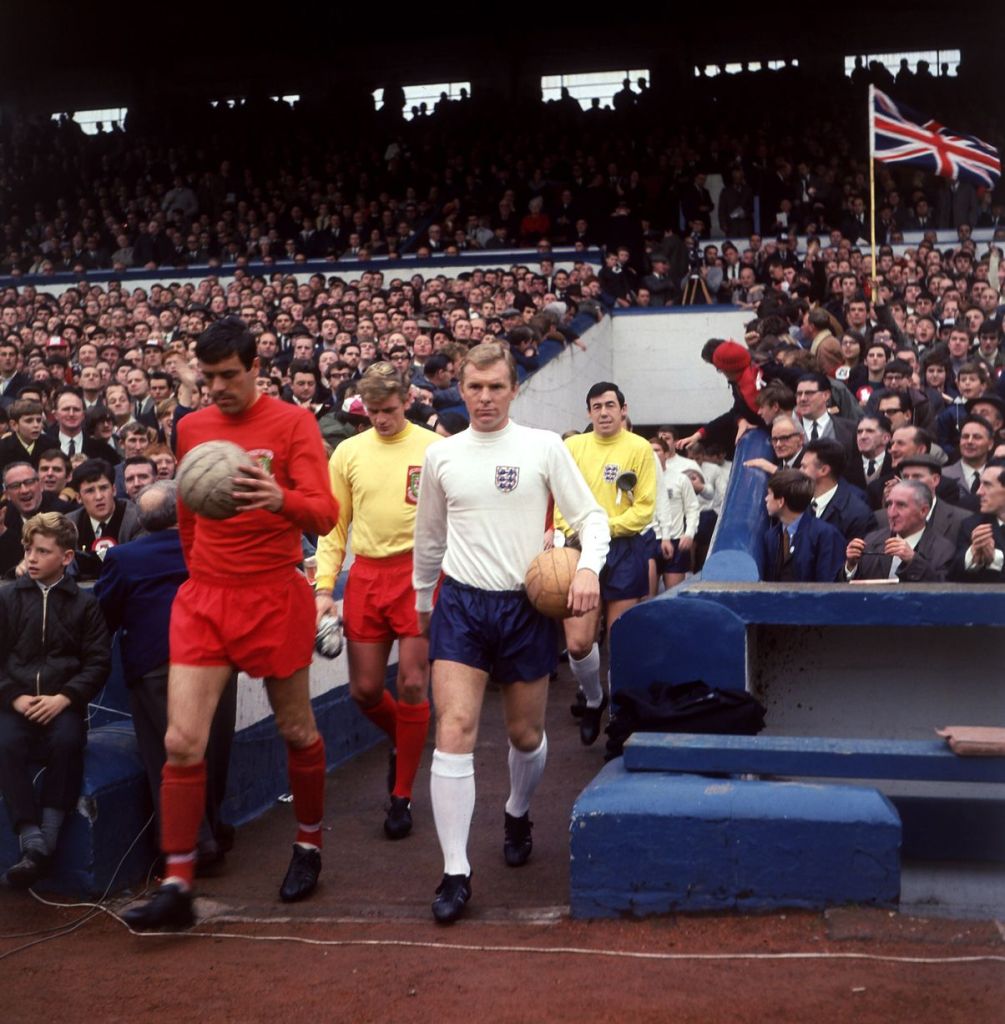
Compared to the previous year, the 1969 British Home Championship did not carry the added bonus of major tournament qualification, instead acting as an end-of-season tournament where the Championship served as the ultimate prize. Similar to the previous year, the tournament would be comfortable for world champions England, who once again recorded three wins out of three. England would win their first match against Northern Ireland on 3rd May 1969 by a 3-1 scoreline thanks to goals from Martin Peters, Francis Lee and Geoff Hurst. Four days later, England would face Wales at Wembley Stadium, winning 2-1. Wales would take an 18th-minute lead through Ronald Davies and take that lead into half-time, but England would respond in the second half through Bobby Charlton and another goal from Francis Lee, winning the Home Championship with one match to spare. England would complete a perfect record of three wins in seven days with a 4-1 hammering of Scotland at Wembley on 10th May. Martin Peters would give England the lead after 16 minutes and Geoff Hurst would double the lead four minutes later. Scotland would pull a goal back on the verge of half-time through Colin Stein, but England would confirm the victory in the second half through a Hurst penalty and a second from Peters.
1971 British Home Championship
After the previous year’s tournament had ended in a three-way tie between England, Scotland and Wales, England would wrench back control of the British Home Championships in 1971. Following a quarter-final exit in 1970 World Cup, England were looking to put some silverware in the place that used to belong to the Jules Rimet Trophy. The tournament would once again take place at the end of the league season over one week in May 1971. England would open up the tournament on 15th May by heading to Windsor Park to face Northern Ireland. It would take time for either team to break the deadlock before an 80th-minute goal from Allan Clarke gave the visitors the victory. Four days later, England would host Wales at Wembley Stadium. The match would end goalless. With Northern Ireland beating Wales 1-0 earlier in the day to gain their second win and move ahead of England in the standings, England needed to beat Scotland at Wembley to win the Championship again. Just in 1969, the tie would be fairly comfortable for England. All of the game’s four goals would be scored in the first-half. A Martin Peters goal gave the hosts the lead after 9 minutes, but Scotland would equalise two minutes later through Hugh Curran. England, not troubled by this, would respond effectively as two goals from Martin Chivers after 30 and 40 minutes would give England a 3-1 advantage. Following a goalless second half, England ran out the winners with another British Home Championship to their name.
1973 British Home Championship
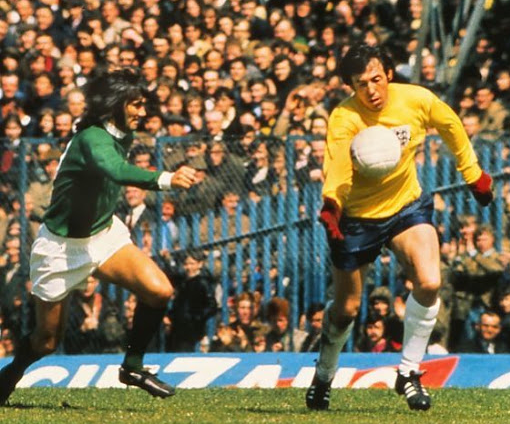
Following another tie in 1972 between Scotland and England, the 1973 tournament would not be without talking points. Prior to the tournament’s beginning, threats were made by Republican activists in Belfast threatening violence against visiting England and Wales teams. For safety reasons, Northern Ireland’s home matches were moved out of Belfast to Goodison Park in Liverpool, a short trip from Belfast but an area where the police could exert control over who could attend the matches. The tournament would be another walkover for England, gaining maximum points from all three matches. On 12th May 1973, England would travel to Goodison Park to face Northern Ireland. Despite the security threats, England would run out 2-1 away winners, with goals coming from. Martin Chivers would score for the visitors after 9 minutes, but the ‘hosts would receive a penalty after 22 minutes, which would be converted by David Clements. The match would remain tied until with 8 minutes left, Chivers would score his second to give England the win. Three days later, England would blow away Wales 3-0 at Wembley, as two first-half goals from Martin Chivers and Mick Channon would give England a 2-0 half-time lead before a third was added after 75 minutes by Martin Peters. With Northern Ireland beatin Wales 1-0 at Goodison, England needed a victory against Scotland at Wembley to win the title. The game was tight, considering that England had thrashed Scotland 5-0 earlier in the year. The deadlock would broken on 54 minutes when Martin Peters scored and England would hold on for the victory and claim another Championship.
1975 British Home Championship
Following the pattern of previous years, a tied tournament in 1974 would once again be followed by an England triumph in 1975. With Don Revie at the helm, England would win a close-fought tournament between all four sides. England would win 1 and draw 2 of their 3 matches, but would win by being the only team to not lose a match. England would open the Championship at Windsor Park, drawing 0-0 with Northern Ireland on 17th May. Four days later, England would draw again, this time a 2-2 draw with Wales at Wembley. England would take the lead after 10 minutes through Ipswich Town striker David Johnson. England would still hold the lead going into half-time but the Welsh would eventually equalise on 55 minutes through their own centre-forward John Toshack. Just one minute later, Wales turned the match on its head by taking the lead through midfielder Arfon Griffiths. Knowing that a loss would put them in 3rd going into the final match with Scotland, England needed to salvage the match in some way. They did, as David Johnson would score his second after 84 minutes to end the tie with honours even. Three days later, England would host Scotland at Wembley for the traditional tournament-closer. Both sides went into this match knowing that a win would give them the Championship. Following an opening 2-2 draw with Wales, Scotland had comfortably beaten Northern Ireland 3-0 at Hampden Park to top the standings with one match remaining. Only a win would do for England, anything but a loss would do for Scotland. The match would not go with the form book. England would blow away Scotland 5-1 over the course of 90 minutes. England would begin by scoring twice within the opening 10 minutes. Two goals in two minutes from midfielder Gerry Francis (6′) and Kevin Beattie (7′) would give England a 2-0 lead early doors. It would take half an hour for England to add to their tally as Colin Bell would make the game safe after 40 minutes. Scotland would pull a goal back through a Bruce Rioch penalty two minutes later, but the damage had already been done. Two further second-half goals from Francis (64′) and a fifth goal from David Johnson (73′) would see England home in style.
1978 British Home Championships
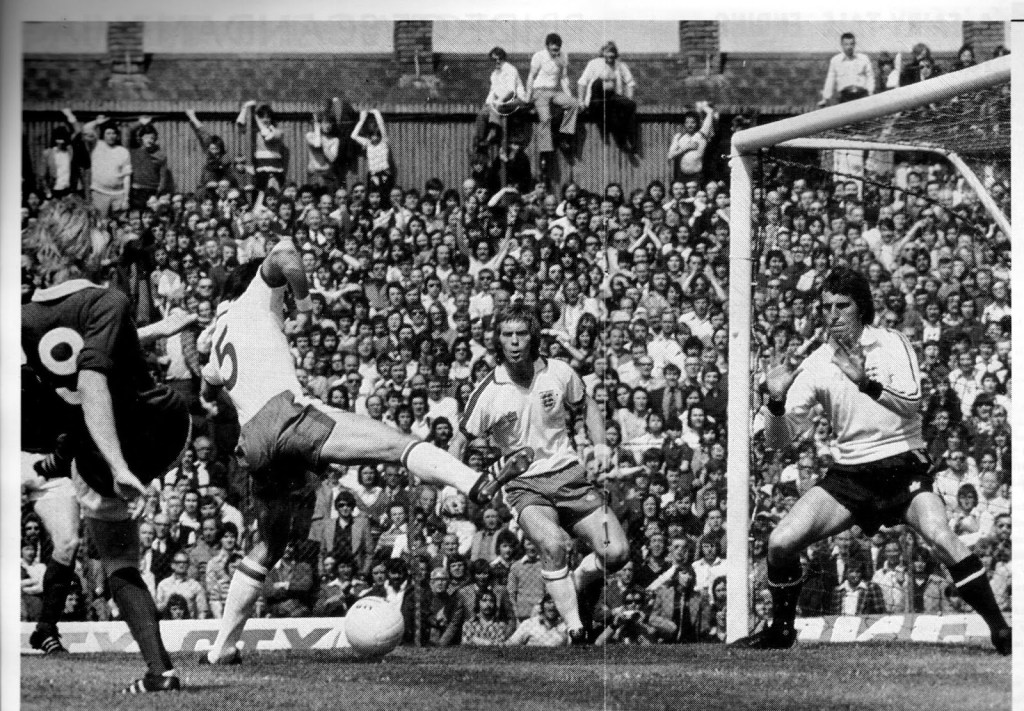
The 1976 and 1977 British Home Championship would see a Kenny Dalglish-inspired Scotland claim back-to-back victories as England’s form would nosedive under Don Revie, the form that would see the team fail to qualify for the 1978 World Cup and Revie’s escarpment to the Middle East. In 1978 with new manager Ron Greenwood in place, England would hope to reclaim the British Home Championship following two underwhelming showings. After a 1-1 draw between Scotland and Northern Ireland to open the Championships, England would travel to Ninian Park to pay their opening match with Wales on 13th May 1978. England would run out 3-1 winners. England would take the lead inside 10 minutes with a goal from Everton striker Bob Latchford. England would hold a 1-0 lead through half-time until a 57th-minute equaliser from Phil Dwyer. The game would remain even until two late strikes would secure the victory for England as Tony Currie and Peter Barnes would convert on 82 and 89 minutes. Full-back Phil Neal would be the hero for England three days later, scoring the only goal in a 1-0 win over Northern Ireland. Already champions with a Scotland game to spare, England would make it 3 wins out of 3 after a Steve Coppell goal secured a 1-0 win away at Hampden Park.
1979 British Home Championship
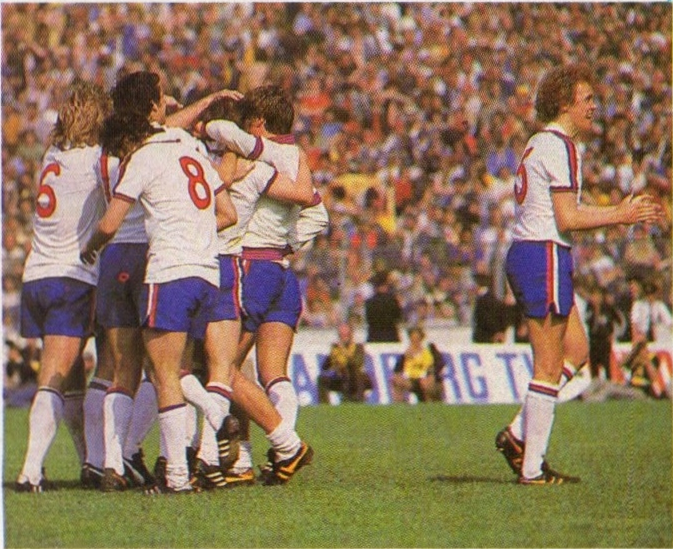
The 1979 Championship would begin with a 3-0 Wales victory over Scotland, with John Toshack at the height of his powers scoring a hat-trick at Ninian Park. The same day, England would beat Northern Ireland at Windsor Park after two goals in the first 20 minutes from centre-back David Watson and Steve Coppell would secure a 2-0 win. Three days later, Scotland would gain their first win against Northern Ireland with a goal from Arthur Graham while England and Wales would play out a goalless draw at Wembley Stadium. After the first two matchdays, England, Scotland and Wales all had one win and one draw and could all conceivably clinch the championship. Wales could win with a victory over Northern Ireland and hope for a draw between England and Scotland. England and Scotland could win by defeating the other and hoping for anything but a Wales victory. First, Wales and Northern Ireland would play out a 1-1 draw, with Robbie James’ 83rd-minute goal cancelling out Derek Spence’s opener. In the decisive second match, it would be England who would claim the Championship once again, coming from behind to beat Scotland. The visitors would take the lead through midfielder John Wark. It would take England the rest of the half to find a response until Peter Barnes scored right on half-time to level the match. Afterwards, it would be all England and goals from Steve Coppell and Kevin Keegan would seal a 3-1 victory for the hosts in addition to the championship.
1982 British Home Championship
Two years would pass before England would win another British Home Championship. The 1980 Championship would see a surprise victory for Northern Ireland, who would claim the trophy with 1-0 wins over Scotland and Wales and a draw with England. The 1981 Championship would see no winner. Four matches would be played before the tournament was indefinitely halted. Wales would beat Scotland 2-0 in the opening match. Three days later, Scotland would win their second match against Northern Ireland by a 2-0 scoreline. England would later draw 0-0 with Wales and lose to Scotland at Wembley after a John Robertson penalty. Why didn’t the tournament finish? The Troubles in Northern Ireland would rear their ugly head as the death of Bobby Sands would cause a mix of protests and violence, leading to the English and Welsh FAs refusing to play in Northern Ireland. The tournament would alter be declared null and void after an agreement could not be reached to reschedule the matches.
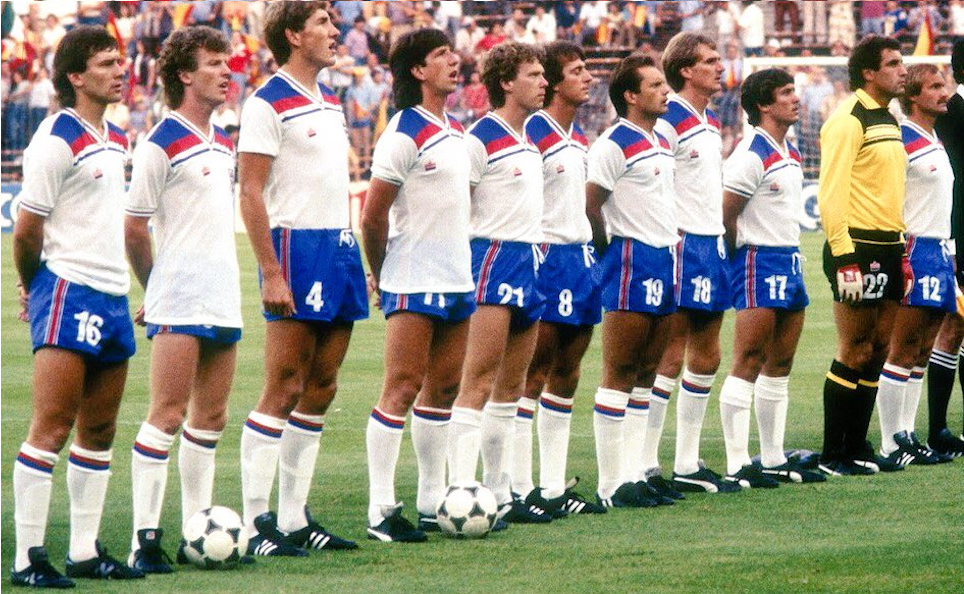
In 1982, the Home Championships were met with expectations considering that England, Scotland and Northern Ireland was set to play in the 1982 World Cup the following month. This tournament would serve as the final warm-up before the three teams travelled to Spain on June 13. The first match took place on 23rd February 1982 (four months before the World Cup) would be between England and Northern Ireland, both teams would become known for famous moments during the World Cup. England would claim a dominant 4-0 victory. England would take the lead inside 1 minute through Bryan Robson, something that would sound very familiar one month later. England would go into the break with a one-goal lead but would blow away the Northern Irish in the second half. Kevin Keegan would double England’s lead on 56 minutes and Ray Wilkins and Glenn Hoddle would add the extras with five minutes to go. Two months later, England would invite Wales to Wembley on 27th April, winning 1-0 after a Trevor Francis finish. The next two matches would involve Scotland. The first, a trip to Windsor Park to meet Northern Ireland on 28th April, would end in a 1-1 draw with goals from John Wark and Sammy McIlroy scoring for Scotland and Northern Ireland respectively. One month later, an early Asa Hartford strike would see off Wales at Hampden Park. After Wales (the one team not going to the World Cup) defeated Northern Ireland (who were going to the World Cup) 3-0 to ensure that the Irish finished bottom of the table, England needed to beat Scotland in order to claim their first British Home Championship since 1979. A Scotland win would mean that the Championship would be shared between the two teams. At Hampden Park on 29th May, two weeks before the World Cup, England would make sure they entered the tournament with the best preparation, beating Scotland 1-0 after a goal from Paul Mariner.
At the World Cup, Scotland would exit the tournament at the group stage after thrashing New Zealand 5-2, being thrashed by Brazil and drawing with the USSR. Placed in a group with France, Czechoslovakia and debutants Kuwait, England would begin quickly, beating France 3-1 with the fastest goal in World Cup history with Bryan Robson scoring after 26 seconds. England won win all three group matches, beating Czechoslovakia 2-0 and Kuwait 1-0 to win the group. In the next group stage, England would be placed in a tough group with West Germany and hosts Spain. After an electric start, England would fail to beat both teams with both matches ending 0-0 draws. Northern Ireland would also win their group containing Spain, Yugoslavia and Honduras. Northern Ireland would begin with consecutive draws against Yugoslavia and Honduras but claim their only and most famous victory in a 1-0 win against Spain, containing that Gerry Armstrong goal. With that win, Northern Ireland would progress to the second group stage, drawing with Austria before a heavy 4-1 defeat to France would see the team exit the tournament.
1983 British Home Championship
One year later, England would claim what would be the penultimate British Home Championship, once again being chased by Scotland right to the final match. The tournament would begin on 23rd February 1983 and would see England face Wales at Wembley Stadium. Wales would surprise the hosts by taking the lead after 14 minutes through an Ian Rush strike. England would draw level 6 minutes before half-time through a rare goal from centre-back Terry Butcher. The tie would remain level for much of the second half before England were awarded a penalty on 78 minutes. Full-back Phil Neal would duly convert, meaning that England beat Wales in a match where both England goals were scored by defenders. After Scotland drew their first match against Northern Ireland on 24th May, England would o exactly the same four days later, drawing 0-0 with the Green and White Army. The same day, Scotland would beat Wales 2-0 with goals from Andy Gray and Alan Brazil to match England’s record of one draw and one win. The third match between the two teams would decide the fate of the trophy once again. After Wales defeated Northern Ireland 1-0 a day earlier, England would defeat Scotland 2-0 on 1st June 1983 after goals from Bryan Robson and Gordon Cowans. to claim their 54th and final British Home Championship trophy. The win in 1983 was also their 9th trophy since the 1966 World Cup. Not such a bare trophy cupboard after all, but wait it gets better.
1986 Rous Cup
After the final British Home Championships were contested in 1984, both the FA and the SFA did not want to lose the annual England v Scotland match from both team’s calendar. Therefore, a new trophy was created, called the Rous Cup that would be awarded to the winner of the England-Scotland match in a concept similar to the Calcutta Cup in rugby. The first Rous Cup would take place on 25th May 1985 at Hampden Park and would be won by Scotland as a 69th-minute header from Dundee United defender Richard Gough would secure a 1-0 win for the Scots. One year later, the two sides would face each other at Wembley Stadium one month before both were set to compete in the 1986 World Cup in Mexico. Scotland had been placed in a tough Group E with an improving Denmark, two-time champions West Germany and Copa America champions Uruguay. England meanwhile, had been drawn in Group F with Euro 1984 semi-finalists Portugal, 1982 World Cup bronze medallists Poland and second-time participants Morocco. Whoever won the Rous Cup would not only gain bragging rights, but would gain extra zip in their step before competing in two difficult World Cup group stages.
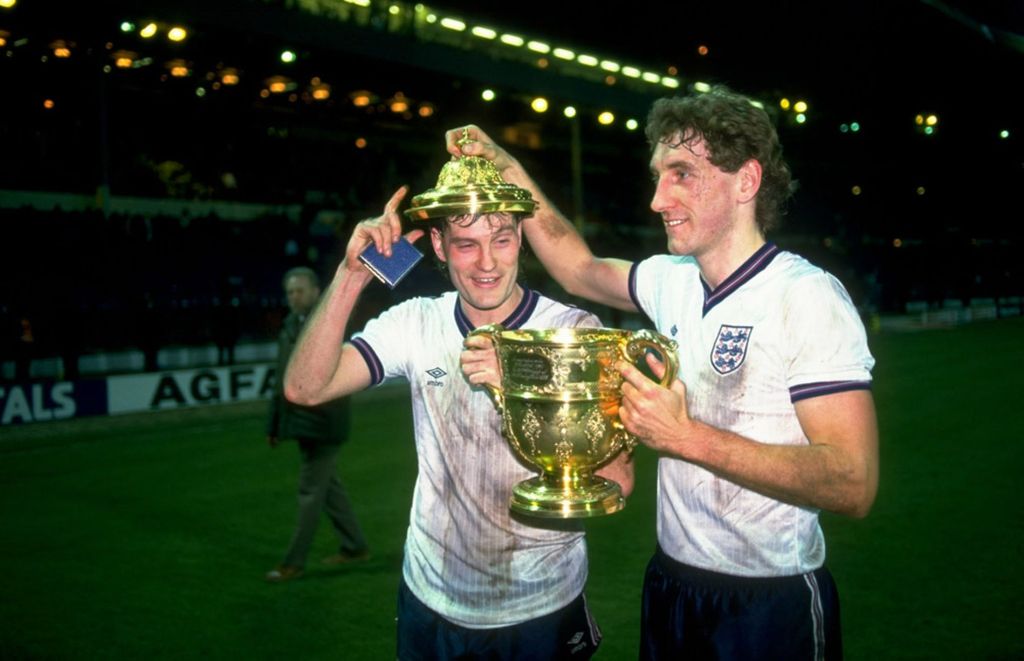
On 23rd April 1986, Bobby Robson’s England would face Alex Ferguson’s Scotland, a Scotland still mourning the death of manager Jock Stein days after after World Cup qualification had been secured with Aberdeen manager Ferguson stepping in for the World Cup. In front of 68,000 at Wembley, England would take the lead after 27 minutes through Terry Butcher after Scotland failed to clear and England free-kick. 12 minutes later, a Kenny Sansom shot was parried by Scotland goalkeeper Alan Rough only to fall to Glenn Hoddle 12 yards out, who would head the ball into an empty net. Scotland would pull a goal back on 57 minutes as Charlie Nicholas was fouled by Butcher. Graeme Souness would send it high into the England net. However despite further Scottish efforts, the Rous Cup would be heading south of the border in the final edition of the cup before the competition would be expanded to include a third side.
What happened to England Scotland in the World Cup? Scotland would begin with a 1-0 defeat to Denmark before losing 2-1 to West Germany and drawing 0-0 with Uruguay in a match that would become more known for Jose Batista quickfire red card rather than anything else that happened during the match. Meanwhile, England would have an underwhelming start, beginning with a 1-0 defeat to Portugal and following up with a 0-0 draw with Morocco which saw captain Bryan Robson limp off with a career-ending injury after 41 minutes with vice-captain following him down the tunnel 1 minute later following a red card for throwing the ball at referee Gabriel Gonzalez. Needing a result in their final match against Poland to progress, Bobby Robson got a respons, with Gary Lineker first-half hat-trick securing a 3-1 win over Poland. In the second round, two further Lineker goals and another from Peter Beardsley would see off Paraguay before an infamous defeat to Argentina in the quarter-finals known for the actions of one Diego Maradona.
1988 Rous Cup
Two years later, and the Rous Cup would serve as another form of last-minute preparation for England before a major tournament, with the 1988 edition occurring one month before Euro 1988. The 1987 version of the Rous Cup had seen three teams compete for the first time as the FA invited Brazil to test England and Scotland against higher-level opposition. The visitors would take the crown, drawing 1-1 with England in front of 92,000 at Wembley on 19th May before beating Scotland 2-0 at Hampden one week later.
In 1988, South American opposition would once again be invited to face England and Scotland in the shape of Colombia, a team featuring Rene Higuita and captain Carlos Valderrama. The Colombians would begin by heading to Hampden Park to face Scotland on 17th May, playing out a goalless draw. Four days later at Wembley, England would defeat Scotland after an early Peter Beardsley goal after 12 minutes. England would also draw with Colombia at Wembley in front of a quarter-full Wembley Stadium, as Gary Lineker’s 22nd minute opener would be cancelled by Colombian defender Andres Escobar, who would become known for something more notable six years later. Through being the only team of three to win of their two matches, England would win their second Rous Cup, with Colombia’s two draws putting them ahead of Scotland in the standings.
1989 Rous Cup
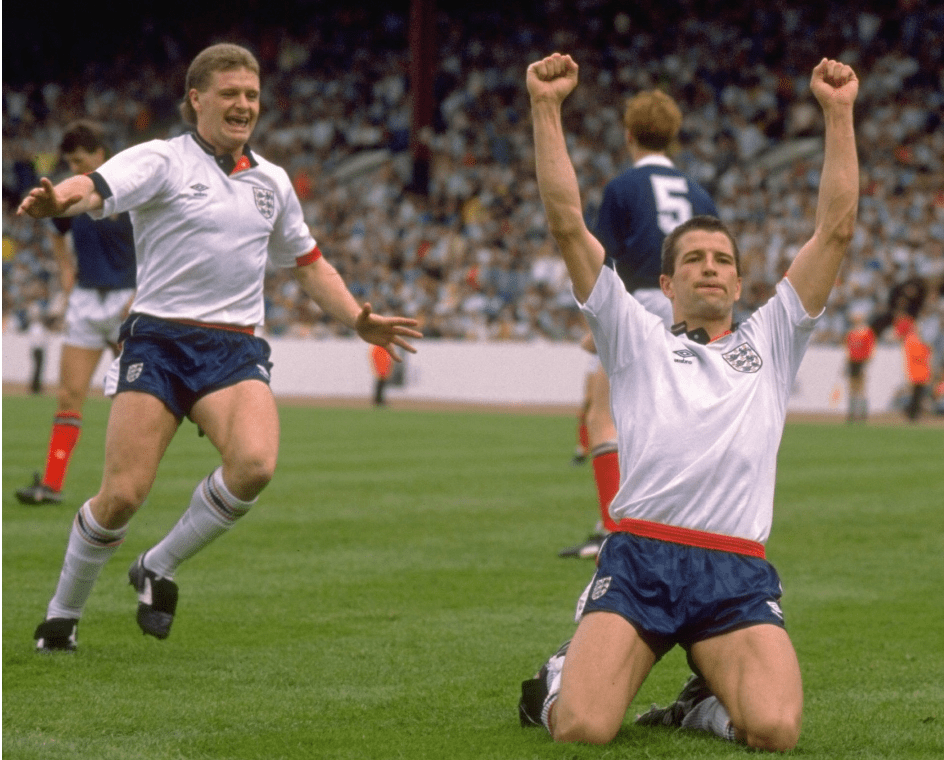
In the fifth and final edition of the Rous Cup in 1989, Chile would fill the third spot to face England and Scotland. The tournament would be played over a week from 23rd to 30th 1989 in the aftermath of the Hillsborough disaster. Chile took the place of Argentina, who declined amid strained tensions between the UK and Argentina due to the Falklands War in 1982. Due to the Hillsborough disaster, no Liverpool player would compete in the Rous Cup as Liverpool still had to complete the fixtures that had been postponed by the disaster. England would begin the tournament by facing Chile in front of only 15,628 people, filling only 19% of the stadium’s capacity, in a match that would end goalless. The England team would feature the debut of Josh Fashanu alongside Nigel Clough as England’s strike partnership. Fashanu’s second and final cap would occur 4 days later against Scotland at Hampden Park. England would win the match 2-0, as Chris Waddle and his mullet would open the scoring after 20 minutes. Steve Bull would score a second late on to hand England the win. England would require a Scotland victory over Chile to secure a 3rd and final Rous Cup. They would get their wish three days later as goals from Alan McInally and Murdo MacLeod would give Scotland the victory in front of 9,006 people, 17% of Hampden Park. England would win their 3rd and final Rous Cup before the competition was disbanded. With the competition would go the annual fixture between England and Scotland that had existed since 1883. The next match between the two would not occur until the two teams would drawn together in the group stages of Euro 96 seven years later, in a match that England would also win.
1991 England Challenge Cup
This is where the tournament victories become a little less important, beginning two year later, with the first and only England Challenge Cup. The tournament was a three-team tournament played over 5 days at Wembley Stadium and Old Trafford in May 1991. The teams playing for the prestigious England Challenge Cup would be the hosts England, the previous year’s World Cup finalists Argentina and the slowly-dying Soviet Union. England would open the tournament on 21st May against the USSR, winning 3-1 in front of 24,000 people at Wembley. The UUSR, featuring Andrei Kanchelskis, would open the scoring after 11 minutes with a goal from Vladimir Tatarchuk. England would respond six minutes later through Arsenal striker Alan Smith. England would then take the lead a minute before half-time with David Platt making the score 2-1 to England. A second goal from Platt two minutes from time would confirm England’s victory. Two days later, the USSR would hold World Cup finalists Argentina meaning that a draw with Argentina would giver England the tournament win. On 25th May in front of a much larger Wembley crowd, England would draw 2-2 with Argentina. Gary Lineker would score his 40th England goal to open the scoring after 15 minutes. England would head into the break still 1-0 ahead before doubling their lead six minutes after half-time with David Platt scoring his 3rd goal in 2 matches. 15 minutes later, Argentina would respond with 2 goals in 6 minutes. First, striker Claudio Garcia would score after 66 minutes before Dario Franco would equalise after 72 minutes. The match would end in a draw but England, through being the only team to win one of the three matches, would claim the prestigious England Challenge Cup. The namesake had won the trophy.
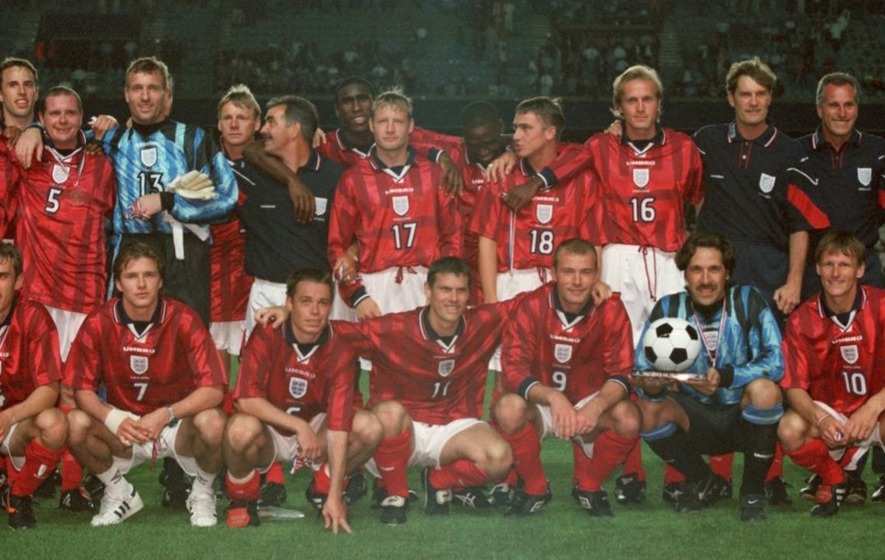
1997 Tournoi de France
After coming so close yet so far in failing to win Euro 96 a year earlier, England would make amends by winning a trophy the following year. That trophy in question was the Tournoi de France, a four-team tournament held in June 1997 . The tournament served as a test event and a warm-up for the following year’s World Cup in France. England would be invited to be part of a high-quality quartet along with hosts France World Cup holders Brazil, and 1994 runners-up Italy. According to the Elo world rankings at the time, all four teams featured inside the top 10 prior to the tournament beginning.
The tournament would begin on 3rd June with a meeting between the hosts France and the world champions Brazil. The game would end with honours even in a 1-1 draw. The the world champions would score the first goal after 21 minutes, and what a goal it was. Set up for a Roberto Carlos free-kick over 40 yards away from the goal of Fabien Barthez, the Real Marid full-back would begin his run-up at the edge of the centre circle before unleashing what has become known as the ‘banana shot’. Hitting the ball with as much force as he could generate from his left boot, it looked like Roberto Carlos had horribly miscued his shot with the ball heading horribly wide of the right post. However, as soon as it was heading wide, the ball swerved with such force that it managed to nestle inside the left-hand post with there being nothing that Fabien Barthez could do. It would take 34 minutes for the hosts to respond until midfielder Marc Keller would provide France’s equalise to ultimately level the match. The next day, an inexperienced England side (containing an average 20 caps) would face Italy in Nantes, winning the match 2-0 after goals from Ian Wright and Paul Scholes to defeat the team that had been within a Roberto Baggio penalty of becoming 4-time world champions. Three days later, England would travel to face the host nation in Montpellier. With the return of Alan Shearer to the starting line-up, the England captain would prove the difference between the two sides, scoring his 16th goal for England and his 11th goal in the past 12 months. The next day would see a classic between Italy and Brazil in Lyon. In a rematch of the World Cup Final three years earlier, the match saw goals aplenty when that match had seen zero over 120 minutes. Italy would take an early lead through Alessandro Del Piero’s goal after 6 minutes. On 23 minutes, Italy would go 2-0 up after an unfortunate own goal from Brazilian defender Aldair. Brazil’s way back into the match would also come through an own goal. 10 minutes before half-time, Italian winger Attilo Lombardo would divert the ball into his own net to make the score 2-1 going into half-time. 15 minutes of the second half would pass before Italy would re-establish their two-goal lead as Del Piero would score his second goal after 61 minutes. Italy were on course to get their revenge from the Rose Bowl three years earlier, that is until Ronaldo and later Romario would score in the final 20 minutes to level the match at 3-3, giving the fans the match they would have desired back in the USA.
Brazil would take this late momentum into their final match against England, where a Romario goal would give Brazil the victory. However, by virtue of winning their previous two matches, England had won the Tournoi de France despite losing to Brazil. A 2-2 draw between France and Italy would end the tournament, but England would leave victorious with their first trophy in 6 years.
2004 FA Summer Tournament
The most recent trophy in England’s laden cabinet comes from 2004, meaning that the true figure is 16 years of hurt, not 50+. The FA Summer Tournament would be played between 30th May and 5th June 2004. The tournament served as a final warm-up for England prior to Euro 2004. The squad that would be used by England was the same squad that had just been selected for the upcoming European Championships. To help prepare England, the Fa invited Iceland and Japan to take part in a three-team tournament to be played at the City of Manchester Stadium (now known as the Etihad Stadium). The two visitors would begin the tournament on 30th May, with Japan claiming a 3-2 win over the Scandinavians. Iceland would take the leader through striker Heidar Helguson after 5 minutes. However Japan would score two goals before the end of the first half to going into the break 2-1 ahead. On 21 and 36 minutes, a 15-minute brace from Japan striker Tatsuhiko Kubo turned the game in Japan’s favour/ 5 minutes into the second half, Helguson would head home to score his second goal to equalise for Iceland. However seven minutes later, Petur Marteinsson was adjudged to have brought down Takayuki Suzuki inside the box and the Brazilian-born midfielder Alex Santos would convert to give Japan the win. Two days later, England would face the Samurai Blue, with Sven-Goran Eriksson choosing to field his strongest line-up against the Japanese. A fumble from Japan goalkeeper Naigo Narazaki would allow Michael Owen to put England ahead after 22 minutes. However, Japan would hold their own and would gain an equaliser through midfielder Shinji Ono after 53 minutes. England would clear their bench, making 8 substitutions in 11 second-half minutes, causing the match to lose its flow, with the match ending in a 1-1 draw.
To win the tournament, England needed a two-goal win against Iceland on 5th June to claim the coveted FA Summer Tournament trophy. England would not only beat Iceland, they would trash them 6-1 in a result that Iceland would stew over for the next 12 years until the sides met in the second round of Euro 2016. Sticking with the side that had started the previous match, Sven-Goran Eriksson’s side found it difficult at first to break down the Icelandic midfield and missed a number of chances to take the lead before breaking the deadlock after 25 minutes. Collecting a pass from Paul Scholes, Frank Lampard would fire home from 25 yards, taking a deflection off Charlton defender Hermann Hreidarsson on the way through. Two minutes later, England were 2-0 ahead after teenage striker Wayne Rooney finished Gary Neville’s pull back to score his 4th England goal in just his 13th cap. 11 minutes later, Rooney would score his second to give England a 3-0 half-time lead. After nine changes at half-time, a new-look England side would continue adding to their lead, but not before Iceland pulled a goal back through Heidar Helguson four minutes into the second half after England failed to clear their lines. Unperturbed England would press on, making the score 4-1 after a Owen Hargreaves shot deflected off Darius Vassell into the Iceland net. England’s fifth goal would come from an unlikely source, as Wayne Bridge would score his first and only England goal in his 17th cap, collecting a Emile Heskey flick-on. The rout would be completed by Vassell, as he curled a shot around Manchester City goalkeeper Arni Arason to score his second and England’s sixth. Due to beating Iceland by a larger margin, England would beat Japan to win the prestigious one and only FA Summer Tournament.
This ends this journey through the timeline of England’s post-1966 success. 15 trophies in all, and only 16 years of hurt to call upon Most of these victories are considered to be minor tournaments and while England is still without a major tournament victory since 1966, at this point any trophy won by the England football team should be seen as a positive, no matter how big the competition is.
 the-score-board.co.uk