
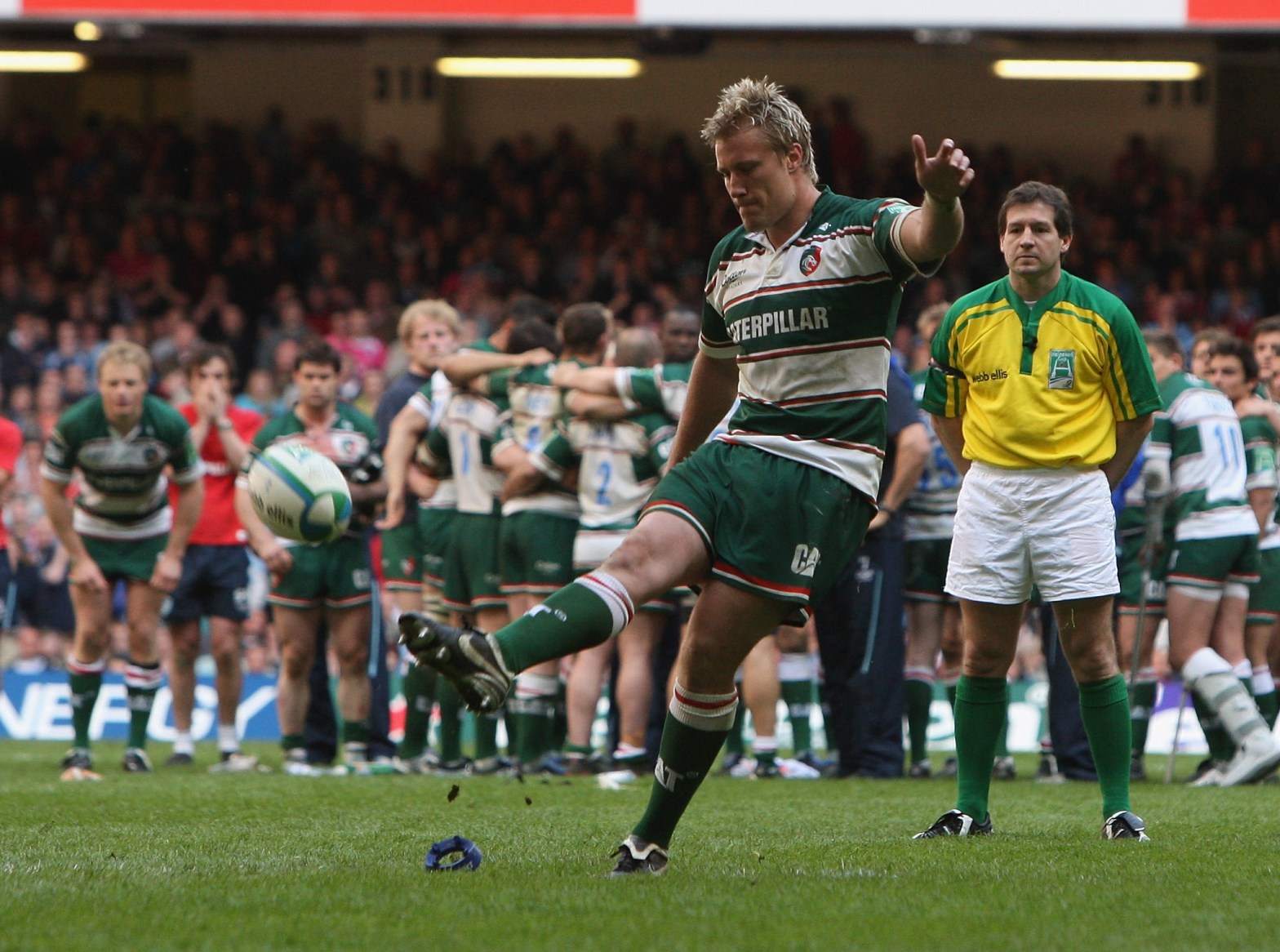
Cardiff Blues and Leicester Tigers make history in 2009…
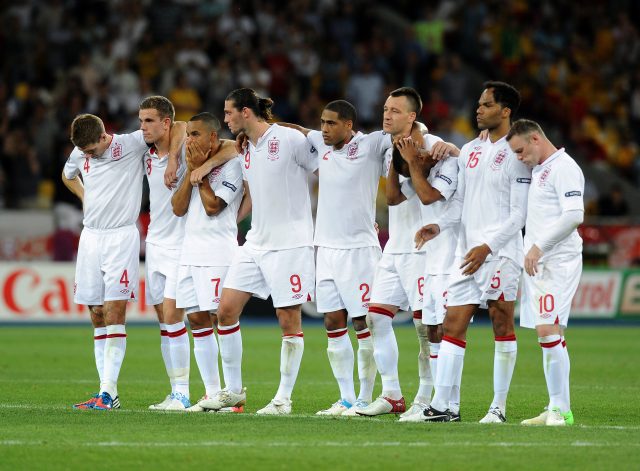
When people think of the concept of a penalty shootout deciding a sporting event, their minds will immediately turn to football, and that is completely understandable. Football is the stage where penalty shoot-outs are most commonly witnessed, being used in knockout competitions to decide a winner between two evenly-matched sides after 90 minutes of regulation time, minutes of potential stoppage time and 30 minutes of extra time. Penalty shoot-outs have been a part of football since the 1950’s after replacing the coin toss, with the earliest examples coming from the 1952 Yugoslav Cup and the 1959 Coppa Italia. Due to the length of time that penalty shoot-outs have been a part of football, every football fan, regardless of their affiliations at club and international level, have been put through the emotional wringer. The groan when the realisation sets in that the match is going to be decided by penalties, the chronic nervousness as each penalty taker prepares to take his spot-kick (and the added confusion depending on who the penalty taker is), the light relief when he scores or the increase in tension if he misses and the inevitable agony or ecstasy depending on whether your team won or lost. Nobody wants to take part in a penalty shoot-out, that is why no one chooses to practice penalties before a World Cup. As an England fan, seeing your team continually fail at penalties time after time is hard to take.
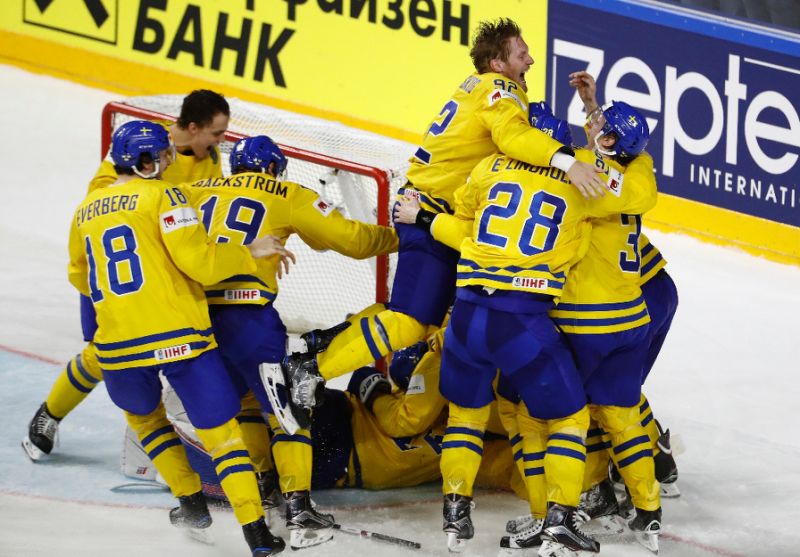
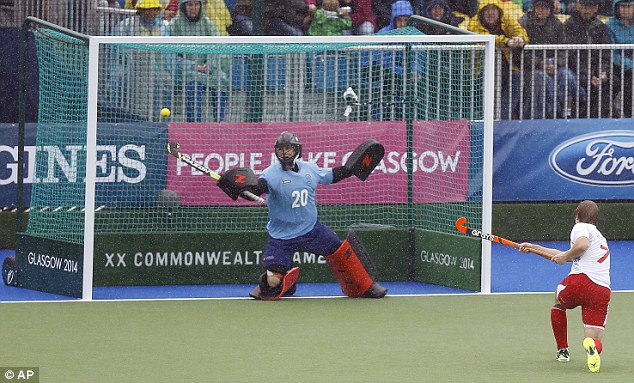
The other major sport where penalty shoot-outs are common is hockey, in both its field and ice forms. In ice hockey, if the scores are tied after regulation time has expired and remain tied after an additional period of overtime, the game goes to penalties. 3-5 players from each side are chosen to take penalty shots during the resulting shoot-out. After these shots have been taken, the team with the most number of goals win. If that is not the case, the shootout goes to sudden death, with the game ending after one team misses and the other team scores. In field hockey, five players are chosen from each team to face off against the opposing team’s goaltender. In this case, the penalty shot is more of a one-on-one, as players are allowed to run with the ball before shooting. Each player has 8 seconds to take their shot and the rest of the rules are similar to football and ice hockey. Other sports which include penalty shoot-outs in the rules include water polo, handball, in the XFL (Vince McMahon’s failed attempt at revolutionising American football), and most importantly for today’s article, rugby union.
Rugby union does have the penalty shoot-out as part of the laws of the game. After a match ends in a draw after 80 minutes of regular time and a period of extra-time, the game goes to penalties. In this situation, five players are chosen from each side to take penalty kicks at goal. Each kick must be taken from the 22-metre line directly in front of the goalposts. If the scores remain level after all five players from each team have kicked, the shootout goes to sudden death until one team misses a kick and the other team scores. This differs from rugby league where a tied match goes to golden point extra time, where the match ends after a drop goal, penalty or try has been scored by either team. The reason why rugby union is not known for its penalty shoot-outs is that they rarely take place. The reason why they rarely take place is because they are rarely ever required to decide a game. Most draws in rugby occur in league matches and the result is accepted as a draw, with the points being split between the two teams. The opportunities for penalty shoot-outs to occur in rugby are very limited. In European rugby for example, the only instances where a penalty shoot-out would be required would occur in the knockout stages of the Rugby World Cup, the European Champions Cup, any domestic trophy such as England’s Premiership Rugby Cup and any play-off final that decides a league championship including the English Premiership, the French Top 14 and the Pro14. For a long time, penalty shoot-outs were never required in rugby and therefore never occurred. In fact, the first penalty shoot-out in rugby didn’t occur until as late as 2009. That particular penalty shoot-out is the subject of this article.
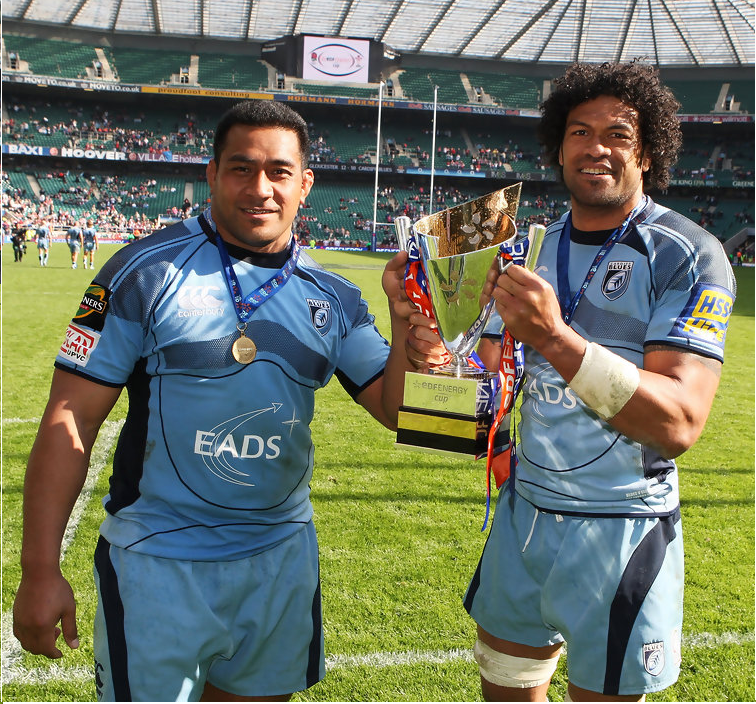
The date: 3rd May 2009. The location: The Millenium Stadium (now named the Principality Stadium) in Cardiff, the home of Welsh rugby. The match: a Heineken Cup semi-final match-up between the home side Cardiff Blues and two-time European champions and four-time finalists (1997, 2001, 2002, 2007) Leicester Tigers. The winners would face Irish side Leinster in the Heineken Cup Final in Edinburgh three weeks later. This was not the first meeting between the sides, this wasn’t even the first meeting between the two teams that season. Cardiff and Leicester had been drawn in the same group for the EDF Energy Anglo-Welsh Cup earlier in the season. In the earlier match-up on 25th October 2008 that also took place in Cardiff, the home side had prevailed over the Leicester Tigers by a 23-9 scoreline. Cardiff would ultimately take the top spot in the group, progressing to the knockout stages. Cardiff would progress to the final of the Anglo-Welsh Cup on 18th April 2009, where they would prove their superiority, thrashing opponents Gloucester Rugby 50-12 to win their first major trophy as a club since forming in 2003 after the regionalisation of Welsh rugby.
In the Heineken Cup, Cardiff Blues had continued their impressive form in the cup competitions, winning all 6 group stage matches to gain maximum points, and an additional 3 bonus points, to top a group containing former European champions Biarritz, Gloucester and Italian side Calvisano. The 27 points they gathered made Cardiff the top seeded team going into the quarter-finals. In the quarter finals, Cardiff would edge a hard-fought match with Toulouse, winning 9-6 in a match where all the points came from penalty kicks from Cardiff’s Nicky Robinson and Toulouse’s Freddie Michalak. Meanwhile, Leicester Tigers would find themselves drawn in the presumed ‘group of death’ with Welsh side Ospreys, French side Perpignan and Italian minnows Treviso. The group’s three big-hitters would end up with equivalent records, winning 4 and losing 2 of the 6 group matches. Leicester would win their first encounters with Ospreys and Perpignan before losing the return fixtures, as the Welsh and French teams would also trade victories. Leicester would ultimately win the group by one point over the Ospreys, due to having gained one more bonus point over the course of the group stage. The Tigers’ 21 points would see the team seeded 4th in the rankings for the quarter-finals, where they would face 5th seed and fellow Premiership club Bath. In their home quarter-final, Leicester would would beat their English rivals 20-15 after five penalties from the boot of Sam Vesty and a last-minute try from scrum-half Julian Dupuy. The stage was now set for a titanic battle at the Millennium Stadium on 3rd May.
The match was set up to be an exciting contest between two of the best teams in European rugby. The field was full of internationals, with 24 of the 30 players who started the match having been capped by their countries during their careers. It was Leicester who started the better of the two sides, creating turnovers at the breakdown and at the Cardiff Blues set piece, something that was hampered further when Cardiff captain Paul Tito was forced to leave the field through injury after 9 minutes of play. However, the first points would be scored by the Blues, as a penalty from Cardiff kicker Ben Blair after 14 minutes put the hosts 3-0 ahead. On the other hand, Leicester kicker Julian Dupuy missed three successive kicks at goal, having seemingly left his kicking boots at home. During this kicking battle, both sides had gone agonisingly close to scoring the game’s first try. First, Cardiff wing Leigh Halfpenny was denied by a try-saving tackle from Leicester lock Tom Croft, before Tigers captain and full-back Geordan Murphy was denied at the other end by Cardiff flanker Maama Molitika. However, it would Leicester who would score the first touchdown. In the 21st minute, Leicester wing Scott Hamilton dived over after excellent play from fly-half Toby Flood. The try would be converted by Dupuy and the subsequent penalty three minutes later would give the visitors a 7 point lead. Cardiff would close the gap, with three penalty kicks (one from Blair and two from Halfpenny) capitalising on Leicester infringements, turning the score in favour of the hosts once again. However, a second penalty from Dupuy two minutes before half-time would nudge Leicester in front by one point, leaving the half-time scoreline in this tightly-contested match 13-12 in favour of the Leicester Tigers.
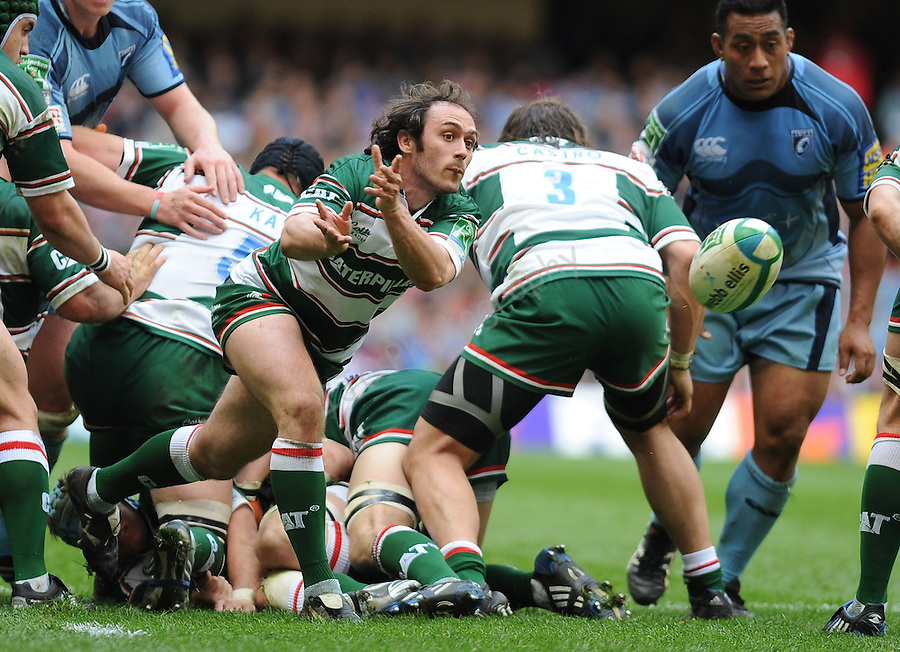
The second half would begin similarly to the first with Leicester starting brighter. Veteran Leicester lock Ben Kay would put pressure on Cardiff fly-half Nicky Robinson, causing a turnover in possession and giving the advantage to the Tigers inside the Blues half. Leicester’s half-backs Dupuy and Flood would soon combine to put through Geordan Murphy under the posts. The added conversion would stretch Leicester’s lead out to 8 points five minutes into the second half. This lead would increase to 14 points after two further Dupuy penalty kicks after 54 and 56 minutes respectively, leaving the score 26-12 in Leicester Tigers’ favour with 24 minutes of the match remaining. Cardiff had not scored a point since Leigh Halfpenny’s penalty put the team ahead 12-10 on 35 minutes and the Blues had since let Leicester score 16 unanswered points in the 21 minutes that had followed.
Leicester would aim to consolidate their lead through bringing a wealth of experience off the subs bench. Centre Aaron Mauger would replace an injured Toby Flood and move to his traditional position of inside centre, while starting inside centre Sam Vesty would take Flood’s place at fly-half. Later, Leicester-born Harry Ellis would replace Dupuy at scrum half and England World Cup-winning flanker and Leicester legend Lewis Moody would replace Ben Woods at openside flanker. The tide, however, would soon turn in favour of the Welsh.
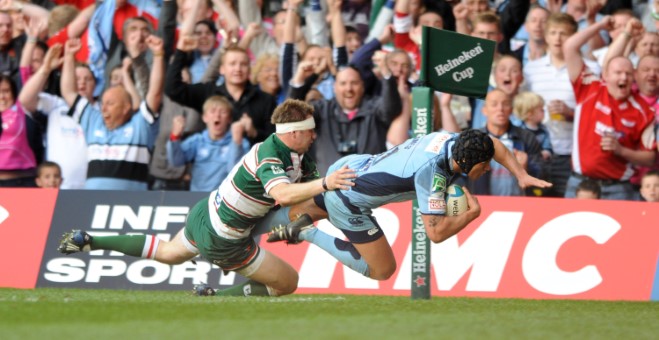
On 61 minutes, Leicester blindside flanker Craig Newby would be yellow carded and sent to the sin bin for 10 minutes after purposely breaking down a Cardiff Blues attack. Five minutes later, Geordan Murphy would also find himself in the bin for illegally stopping a Cardiif attack, running out of Leicester’s defensive line to deliberately knock the ball forward just metres away from his own try-line. In five second-half minutes, Leicester had found their numbers reduced to 13 men, with the full-strength Cardiff Blues gaining in confidence. With Cardiff still carrying a man advantage going into the last 10 minutes of the match, the Blues quickly struck twice to turn the game and the scoreline on its head. On 73 minutes, Cardiff centre Jamie Roberts would collect a beautiful Nicky Robinson pass and using some skill, would run-in for Cardiff’s first try. The following conversion from Ben Blair would bring the home side back within a converted try. Speaking of converted tries, only a minute would pass before Cardiff would score again. Roberts, now playing like a man possessed, collected Leicester’s kick-off and used his strength to break through the defensive line to feed wing Tom James, who would use his incredible speed to sprint home and score Cardiff’s second try. In two minutes, Cardiff had gone from being 26-12 down to level the scores at 26 points apiece. Five minutes later, the game was heading to extra-time. No further points would be scored during the extra period, with Leicester coming close with unsuccessful drop goals from Aaron Mauger and wing Johne Murphy. The extra 20 minutes had done nothing to change the scoreline and decide a winner between the two teams. History was about to be made, with this tie between Cardiff Blues and Leicester Tigers now about to be decided by the first penalty shoot-out in rugby history.
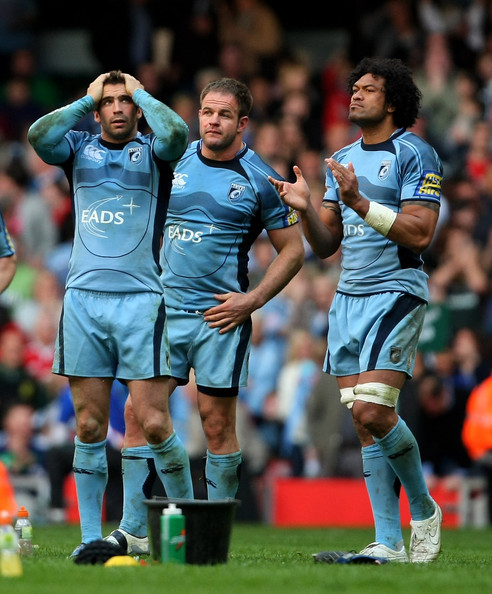
Cardiff Blues coach Dai Young and Leicester Tigers coach Richard Cockerill had to make decisions that had never made before in their rugby careers: nominating five players to take part in a penalty shootout. If the scores were still tied after those first five kickers, the shoot-out would go to sudden death, where the first player to miss could cost his side a place in the Heineken Cup final and a shot at European glory. The players to kick for each side were the two team’s regular points kickers Ben Blair and Julian Dupuy. Both would land their kicks at goal. Next, the two fly-halves Nicky Robinson and Sam Vesty would kick. Both would be successful. The two full-backs, youngster Leigh Halfpenny and veteran Geordan Murphy, would both be successful. Ceri Sweeney, a fly-half who had been brought on in extra time to replace Jamie Roberts in case a penalty shoot-out should occur, scored to put Cardiff 4-3 ahead in the shoot-out. Next for Leicester Tigers would be left wing Johne Murphy. Murphy had almost scored a long-range drop goal during extra-time and considering his position involves him kicking the ball quite frequently, he would be expected to convert his kick. Murphy would become the first player to miss in a rugby union penalty shoot-out, horribly dragging his kick wide of the posts. The next man up for Cardiff Blues would be Tom James, the man whose 74th minute try had completed Cardiff’s comeback leading to this shoot-out. Score this penalty kick and Cardiff were off to Murrayfield to face Leinster in three weeks’ time. He would become the second player to ever miss in a rugby union penalty shoot-out and the shoot-out continued. Leicester’s right wing Scott Hamilton would convert his penalty to bring the scores level at 4-4. All the assigned kickers had taken their shots. The shoot-out had gone to sudden death. It was now time for the less-experienced and more-reluctant kickers to step up.
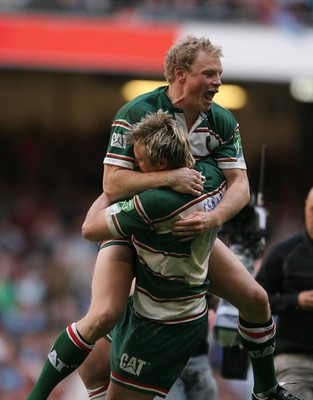
Cardiff centre Tom Shanklin would make the score 5-4 to Cardiff, but Leicester centre Aaron Mauger would level the scores once again. Cardiff scrum-half Richie Rees would be successful, with Leicester flanker Craig Newby becoming the first forward to attempt and successfully convert a penalty. The score line was 6-6 after 14 penalties. Cardiff and Leicester had only forward left to pick from, players not known for their kicking abilities. After Craig Newby showed the other forwards how it was done by successfully converting his penalty, Cardiff would hope to respond in kind through a club legend. Flanker Martyn Williams would the next man to step up for the Blues. 34-year-old Williams was a 10-year veteran at the club, having also played for the team’s previous incarnation Cardiff RFC since joining from Pontypridd in 1999, and continuing his association with the side when they rebranded as the Blues in 2003. He had even served as the team’s captain from 2002 to 2005. He was a guy known for keeping calm under pressure, having the wherewithal to pick up a loose ball and run 30 metres to score the try that had won Wales the 2008 Six Nations Grand Slam. Score this penalty kick and Cardiff would go 7-6 ahead and the pressure would be back on Leicester. Miss, and Leicester would have a chance to win the shoot-out. Looking confident, Martyn Williams would miss spectacularly, wildly hooking his kick wide of the posts. Leicester Tigers now had a chance to take the victory and this opportunity lay in the hands of their No.8 Jordan Crane. 22-year-old Crane was playing his 3rd season for Leicester Tigers after signing from Leeds Tykes in 2006. Due to injuries to Leicester’s ageing club captain Martin Corry, Crane had become a regular in Leicester’s starting XV, and had even received his first England cap the previous November. It was now his opportunity to take his side into the final and he could not afford to miss. He would step forward and strike the ball low through the uprights and Leicester Tigers, in the most dramatic of circumstances, had booked their ticket to a 2nd Heineken Cup Final in three years. The celebrations were muted. After scoring, Jordan Crane turned around and raised one hand in the air before receiving the congratulations of his teammates while some Leicester players including Geordan Murphy, would immediately console the crestfallen Cardiff Blues, such was the respect between the two teams.
What happened next? Two weeks later, Leicester would win the Guinness Premiership title for an 8th time, winning the play-off final by a single point against London Irish. The hero once again would be Jordan Crane, as his 61st minute try would be the difference between the two sides in a 10-9 victory. The following week, Leicester would travel to Edinburgh to face a Leinster team featuring 10 Irish internationals including 2009 Six Nations Grand Slam Winners Gordon D’Arcy, Luke Fitzgerald, Jamie Heaslip, Cian Healy and the great Brian O’Driscoll. A close final would go the way of the Irish, with a Heaslip try and the unassailing boot of fly-half Jonathan Sexton guaranteeing Leinster their first Heineken Cup with a 19-16 victory over the Tigers. Cardiff Blues would finish 6th out of 12 teams in the Magners League (where teams from Wales, Ireland, Scotland and Italy compete). However, a year later, the Blues would taste European glory, winning the European Challenge Cup, European rugby’s second-tier competition, beating Toulon 28-21 in the final on 23rd May 2010. However, on one fateful day one year earlier, Cardiff Blues, along with Leicester Tigers had made rugby history, and boy it was not pretty.
 the-score-board.co.uk