
1996/97: A New Beginning
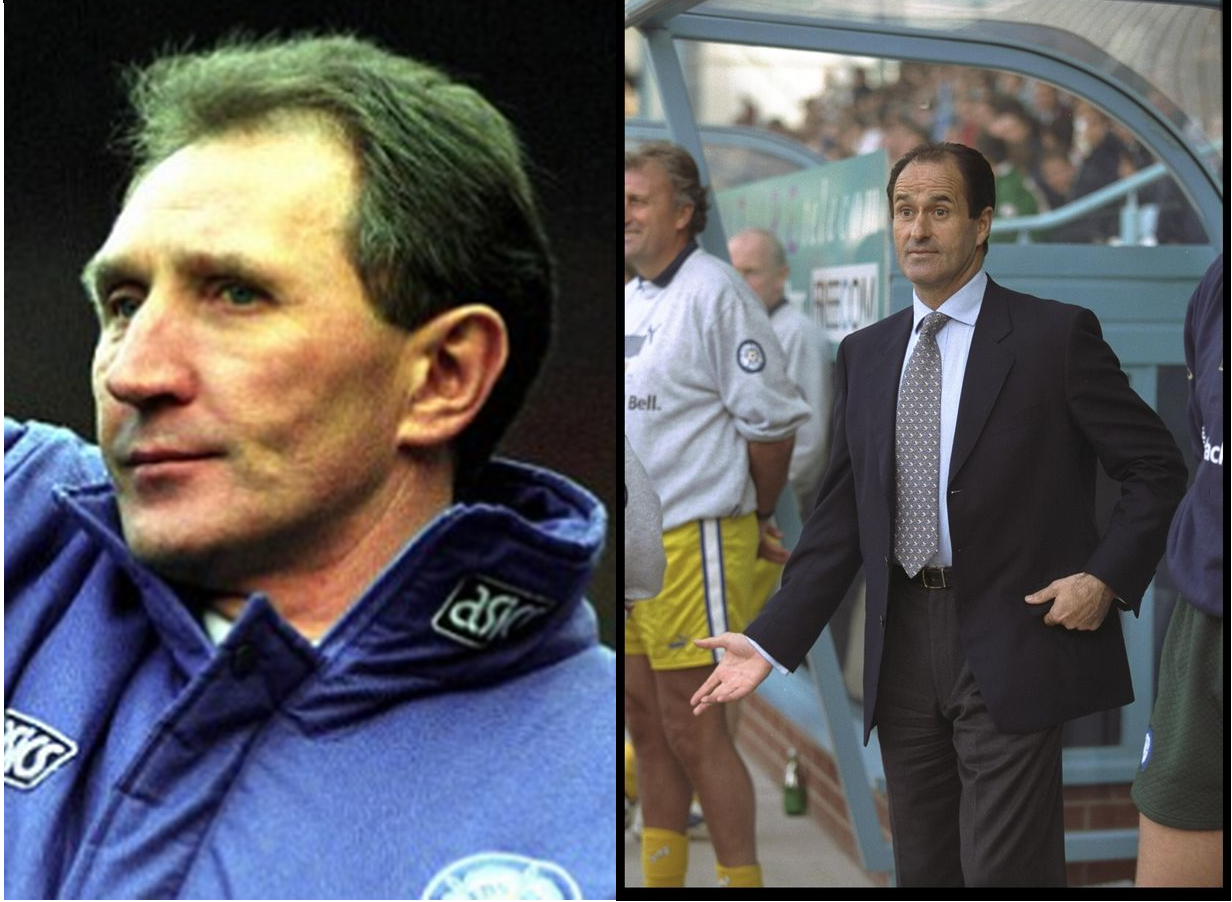
Manager: Howard Wilkinson, George Graham
Top Scorer: Brian Deane, Lee Sharpe (5)
Premier League: 11th
FA Cup: 5th Round
League Cup: 3rd Round
League Record: 11 wins, 13 draws, 14 defeats, 28 goals for, 38 goals against
Transfers: Total Cost: £-4.225 million
Transfers In: 9 players Cost: £11.2 million
Ian Rush, Liverpool, Free
Lee Bowyer, Charlton Athletic £2.8 million
Nigel Martyn, Crystal Palace £2.25 million
Lee Sharpe, Manchester United £4.5 million
Gunnar Halle, Oldham Athletic £500,000
Robert Molenaar, Volendam £400,000
Pierre Laurent, Bastia £250,000
Derek Lilley, Greenock Morton £500,000
Mark Hateley, QPR Loan
Transfers Out: 11 players Cost: £6.975 million
Phil Masinga, FC St Gallen Free
Gary Speed, Everton £3.4 million
John Lukic, Arsenal Free
Nigel Worthington, Stoke City Free
Gary McAllister, Coventry City £3 million
Paul Beesley, Manchester City £500,000
Rob Bowman, Rotherham United Free
Mark Tinkler, York City £75,000
Tomas Brolin, FC Zurich, Parma (Loan)
Paul Evans, Bradford City (Loan)
Paul Shepherd, Ayr United (Loan)
Our story begins in the 1996-97 season. Leeds were managed by Howard Wilkinson, who had been in charge since 1988 and had led the club to the final First Division title in 1992 with a side featuring the likes of Gordon Strachan, Gary Speed, Gary McAllister and a French striker called Eric Cantona. Come 1996 and all these men are gone, with Speed and McAllister being sold in the summer of 1996 to Everton and Coventry City, respectively. The season prior, Leeds had finished the season in 13th place. The team had begun the season in good form, and buoyed by the goalscoring form of Tony Yeboah, were placed 5th in November 1995. However, the team’s form nosedived after the Christmas period, only winning three matches and losing twelve, dropping from 5th to 13th by the end of the season. The only upside for Leeds during this poor run of form had come with a League Cup Final appearance where they lost 3-0 to Aston Villa, thanks to goals from Savo Milosevic and Dwight Yorke.
Due to the team’s performance towards the end of the 1995-96 season, pressure was starting to build on manager Howard Wilkinson when the 1996-97 season began. In the transfer window, Wilkinson sold three members of the 1992 title-winning team. Along with the midfield duo of Garys Speed and McAllister (a combined 609 appearances for the club), goalkeeper John Lukic was sold to Arsenal (the same club who had sold Lukic to Leeds in 1990). In one fell swoop, three senior players with a combined 744 league appearances were sold for a combined fee of £6.4 million, in addition to squad players Nigel Worthington and Phil Masinga. Another departure was that of Tomas Brolin, the Swedish hero of Euro 92 was sent off to FC Zurich. Brolin had arrived the previous summer for a £4.5 million following a successful period at Parma. One year later, following injuries and numerous arguments with manager Wilkinson and an underwhelming return of 4 goals in 19 appearances, Brolin was a big-money flop.

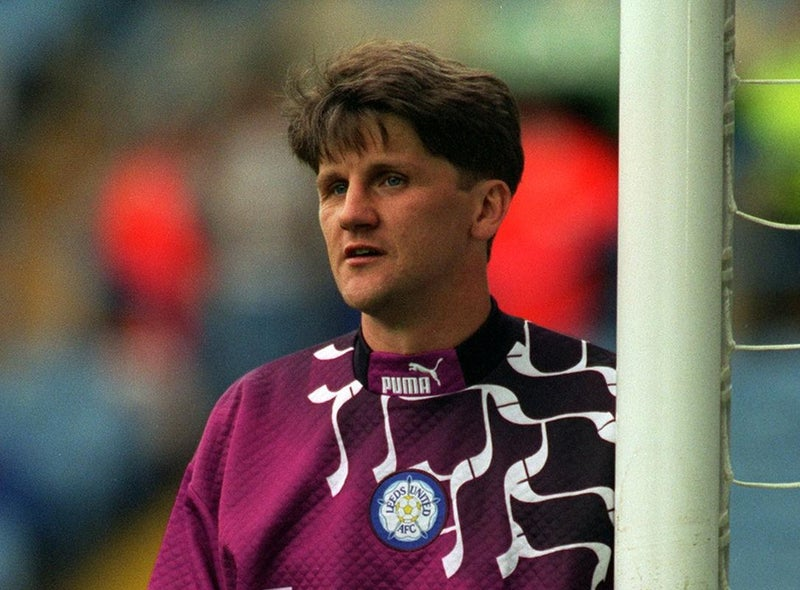
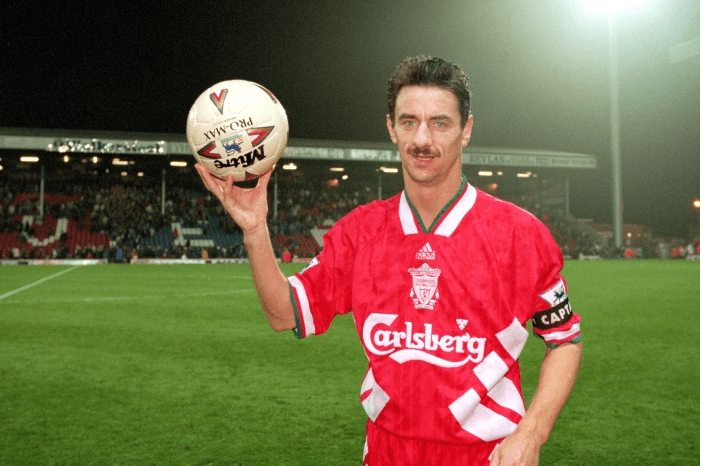
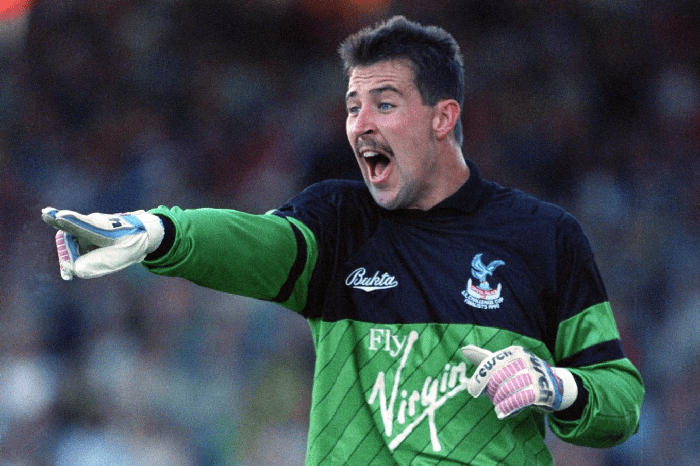
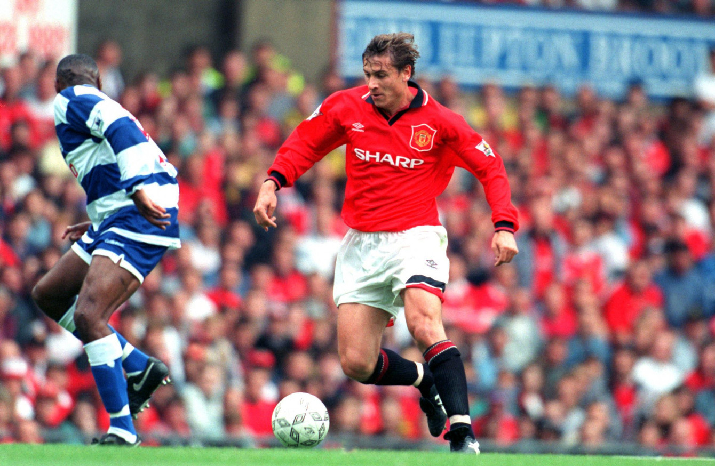
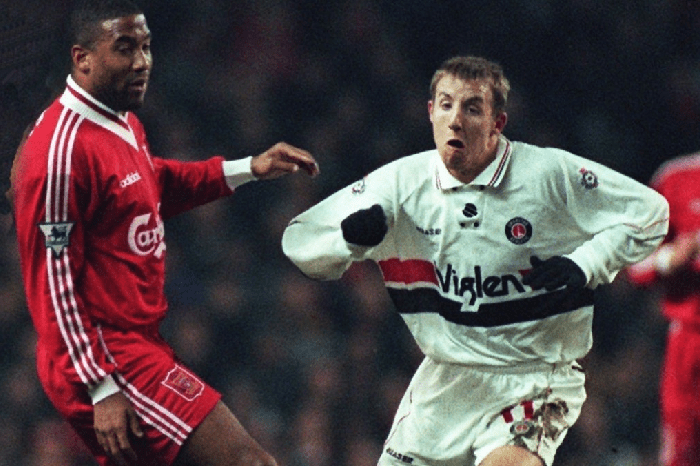
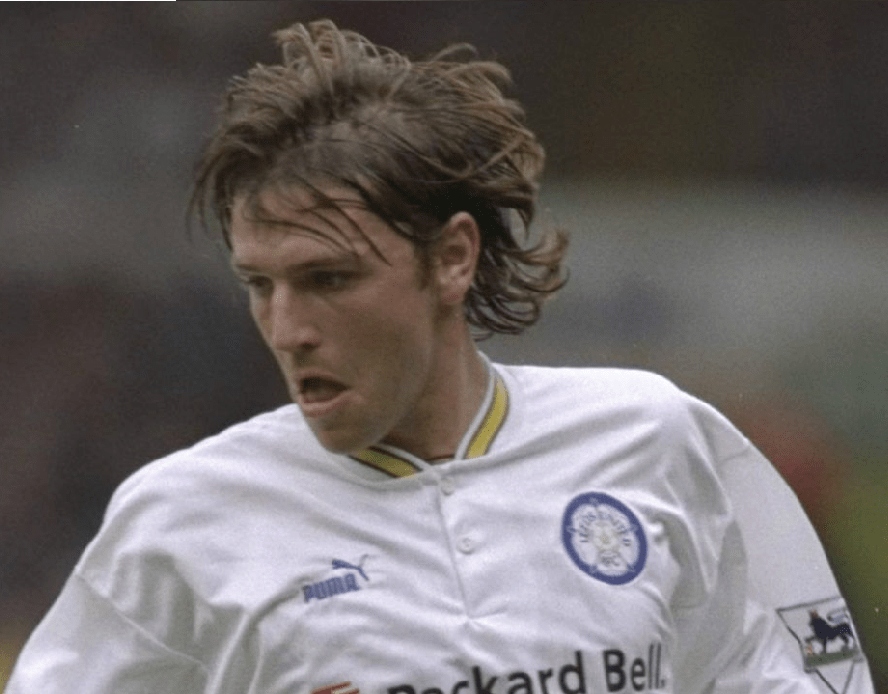
While Brolin was shipped off to Switzerland, in came veteran striker Ian Rush from Liverpool whose goal return was just as bad. Similarly, Crystal Palace shot-stopper Nigel Martyn was signed to replace title-winning keeper Lukic. The biggest signings of the window came in the form of Lee Sharpe, bought for £4.5 million after several trophy-laden years at Manchester United, while a 19-year-old midfielder called Lee Bowyer was signed for £2.8 million from second-tier Charlton, a record fee to be paid for a British teenager.
Despite the summer investment, the 1996/97 season did not last long for Howard Wilkinson. Five games into the season with Leeds sitting 9th in the Premier League table following 3 wins, 1 draw and 2 losses, Wilkinson was sacked two days after a 4-0 defeat to defending champions Manchester United in front of a packed crowd at Elland Road. This decision may have been a long time coming considering that his replacement George Graham was hired one day after Wilkinson’s sacking. Graham was an interesting choice for the job, considering that he had just finished serving a one-year ban issued to him by the FA after being found guilty of accepting illegal payments from a football agent in order to sign two of the agent’s clients back in 1992. This ban had ended his nine-year tenure at Arsenal which had included two league titles, one FA Cup, two League Cups and a European Cup Winners’ Cup. On paper, Graham was great candidate to take Leeds United up the league following the previous season’s disappointment.
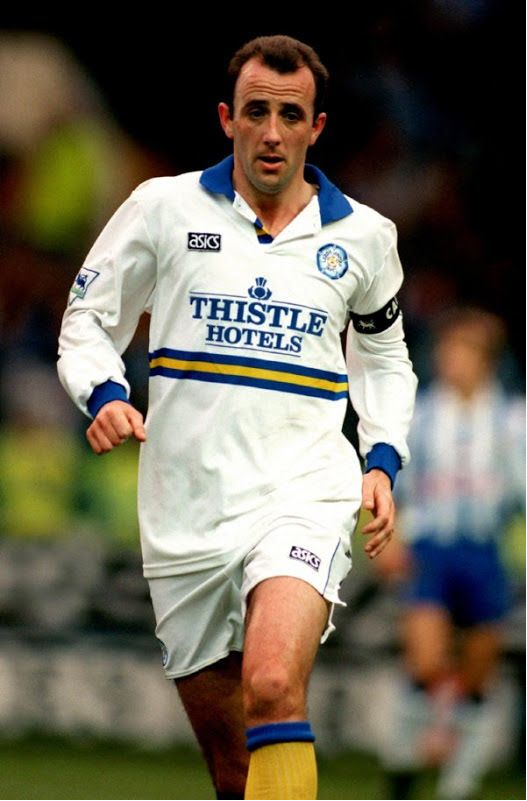
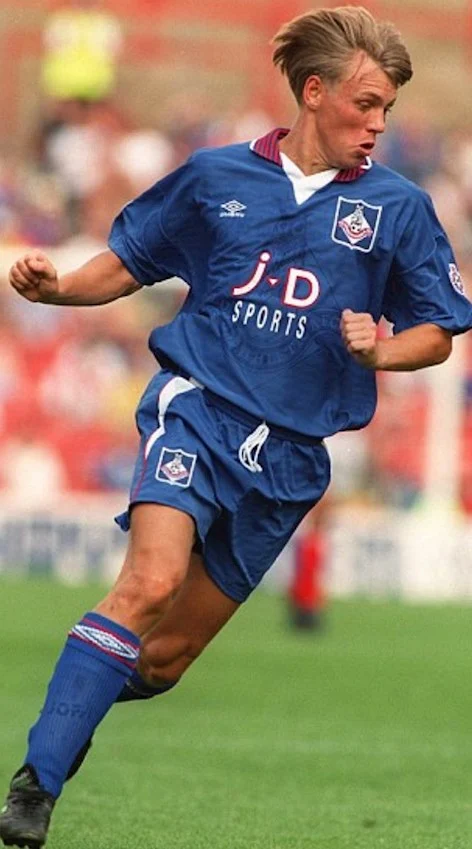
Graham’s tenure did not start off well, losing his first three games at home to Newcastle and away to Coventry and newly-promoted Leicester. Following a further two wins in their following five games, Leeds were left sitting in 17th place by mid-November, perching precariously above the relegation zone. To halt this slide, Graham placed his focus on improving Leeds’s defence. He signed right-back Gunnar Halle from Oldham to provide competition for first-choice incumbent Gary Kelly and Robert Molenaar from FC Volendam, who would later be dubbed ‘The Terminator’ by the Elland Road faithful. Both would become first-team regulars for the rest of the season.
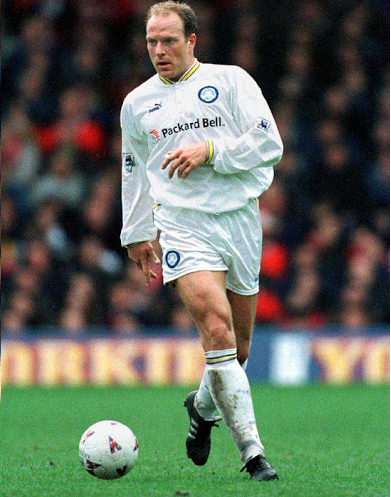
Following the season low of 17th place in mid-November, Leeds’s form for the rest of the season can be seen as streaky. Two wins in eight games were followed by a five-game unbeaten streak that included three consecutive 0-0 draws. Three consecutive losses were followed by four games unbeaten. These unbeaten streaks helped to move Leeds up the Premier League table. Two wins in George Graham’s first eight games in charge were followed by the team only recording three defeats in their next twelve matches. This form moved Leeds up to 11th in the table, primarily helped by a defence that had been worked on by Graham. Between late November and the beginning of February, Leeds’s defence recorded nine clean sheets across four wins and five draws. From then until the end of the season, Leeds recorded a further seven clean sheets in their last thirteen games.
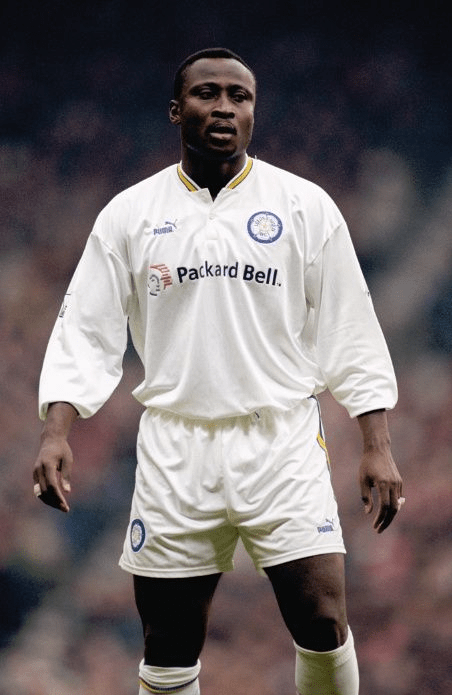
Leeds would end the season by failing to record a win in their final nine matches including four consecutive draws, finishing the Premier League season in 11th place. While the Leeds defence was thriving under George Graham, eventually recording the 4th-best defensive record in the Premier League by letting in only 38 goals across the whole season, the same could not be said for the team’s goals for record. Not only did Leeds score the fewest goals in the Premier League that season with 28, it was the fewest amount of goals any team had scored in a Premier League season up to that point. This record low would not be beaten until the 2002-03 season when it would be broken by Sunderland. The season before, Tony Yeboah had top scored for Leeds with 19 goals. This season with Yeboah regularly off-form, Lee Sharpe and Brian Deane scored 5 goals each, followed by youngster Lee Bowyer scoring 4 goals from midfield.
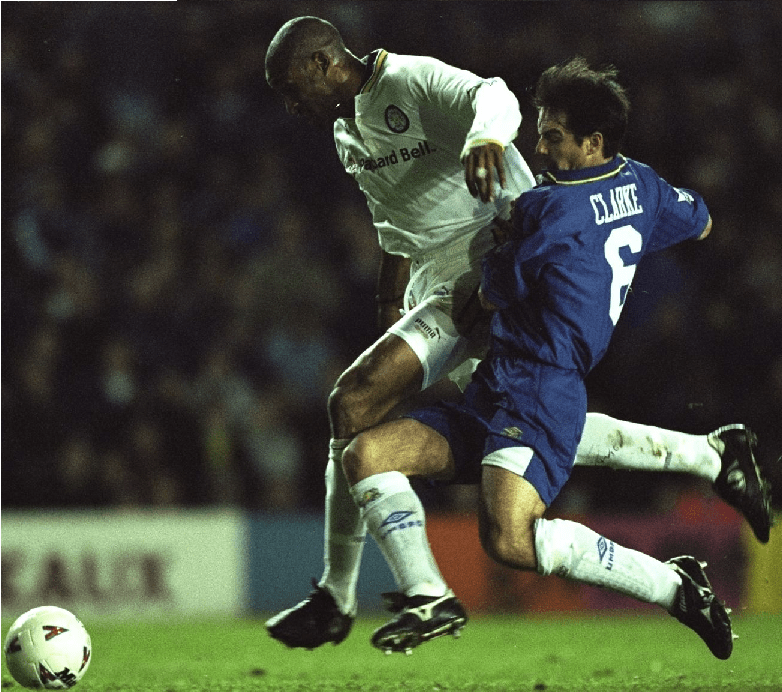
Across the whole of the 1996/97 Premier League season, Leeds United finished with 11 wins, 13 draws and 14 defeats. Under Graham alone, that record changes to 8 wins, 12 draws and 12 losses. Leeds would score 28 goals (an average of 0.73 a game) and concede 38 (an average of 1.0 per game).
To sum up, Leeds finished a respectable 11th in the Premier League following a difficult start under George Graham with a team containing a terrific defence that claimed 20 clean sheets and a profligate strike force. A great base to build from, but it was clear that investment was needed to help the team progress up the table and continue to improve season by season.
 the-score-board.co.uk